





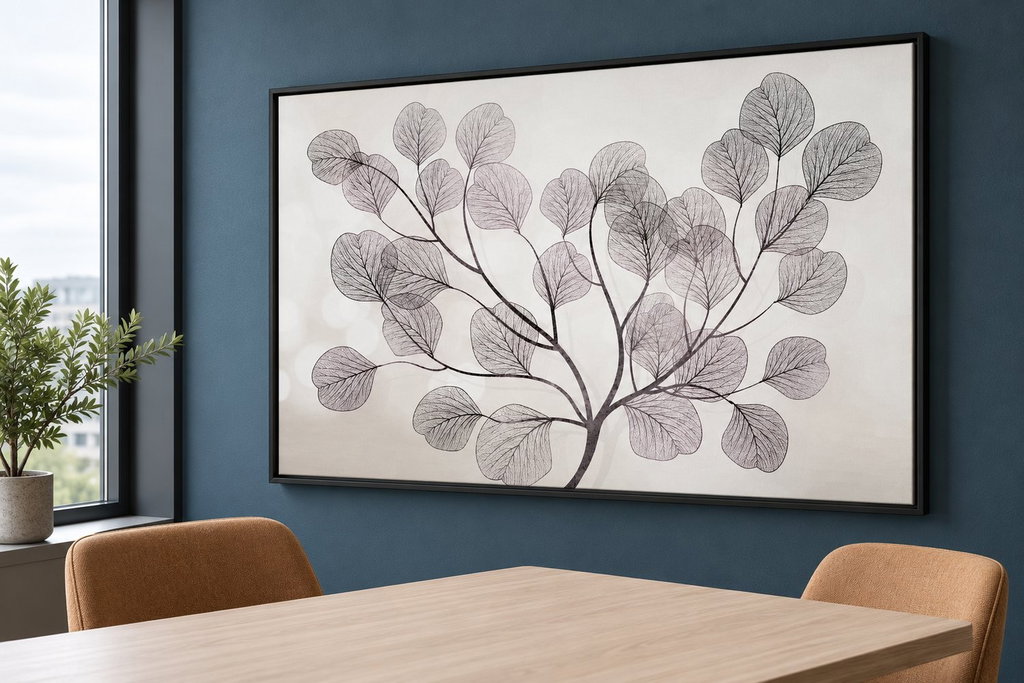
Fine leaf veins or broad leaf shapes
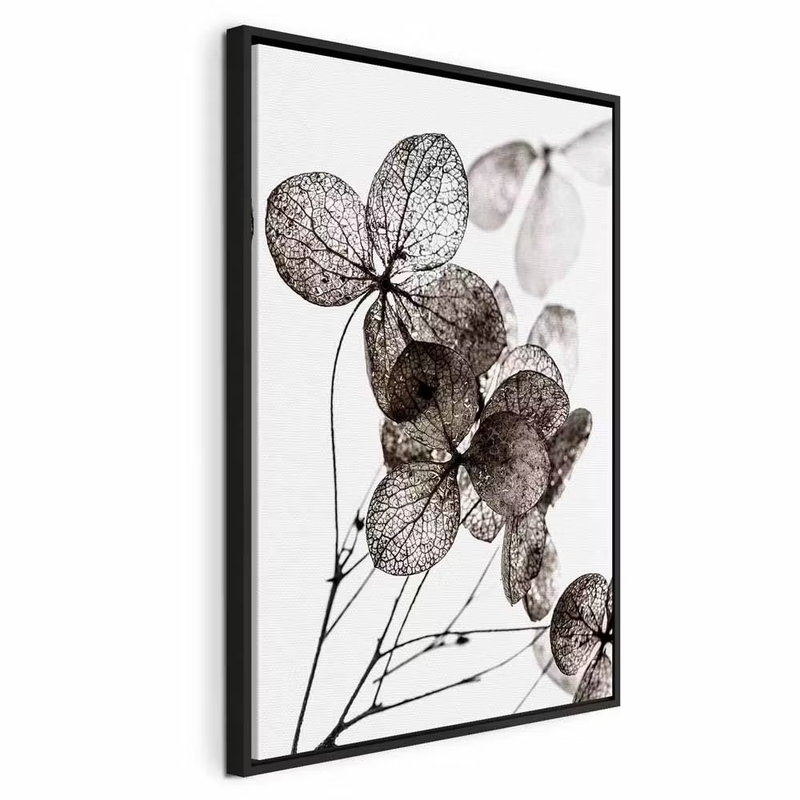
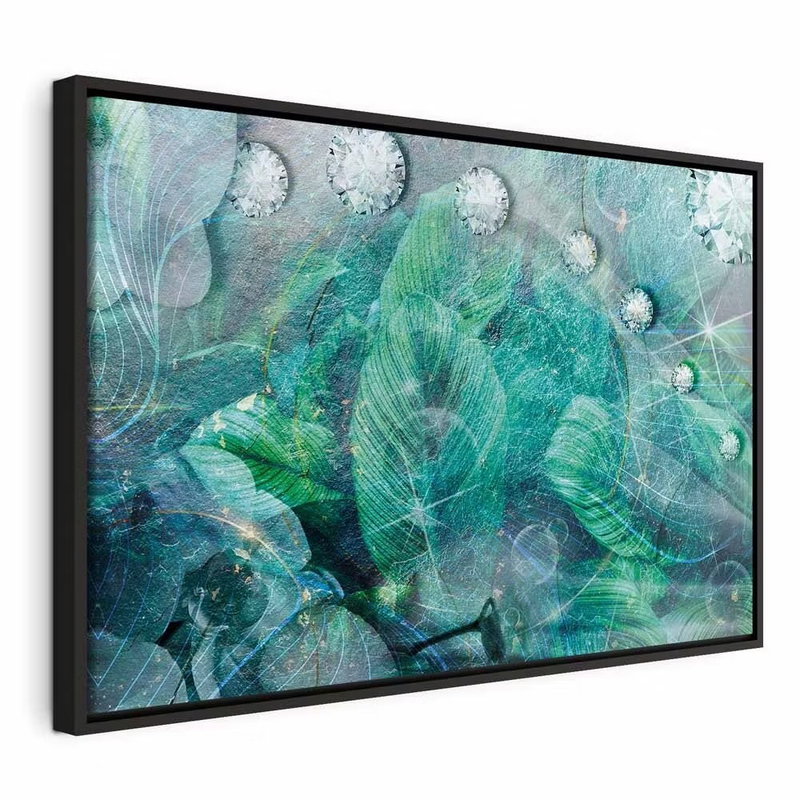
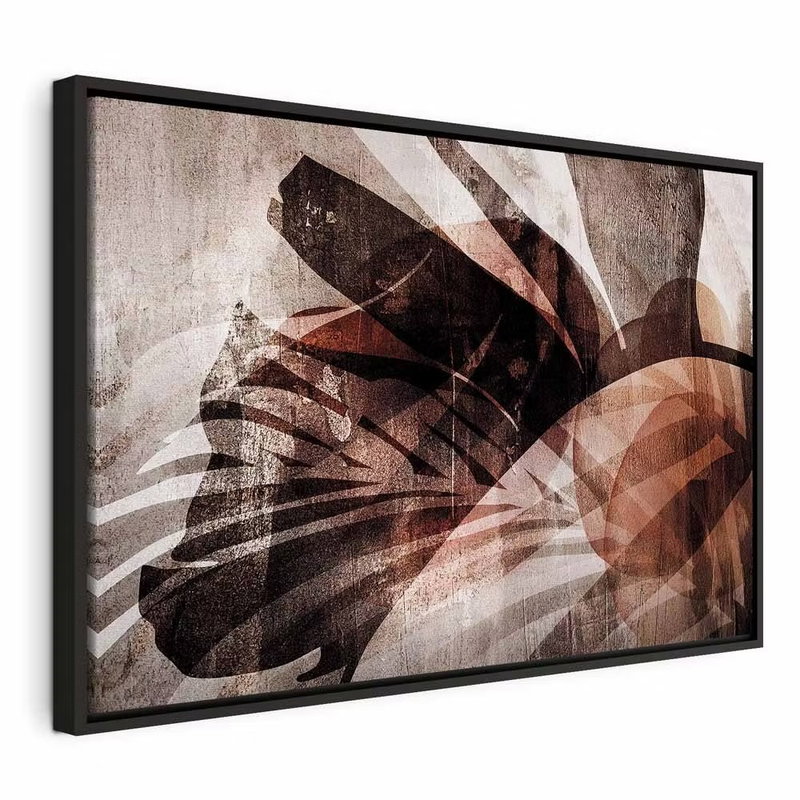
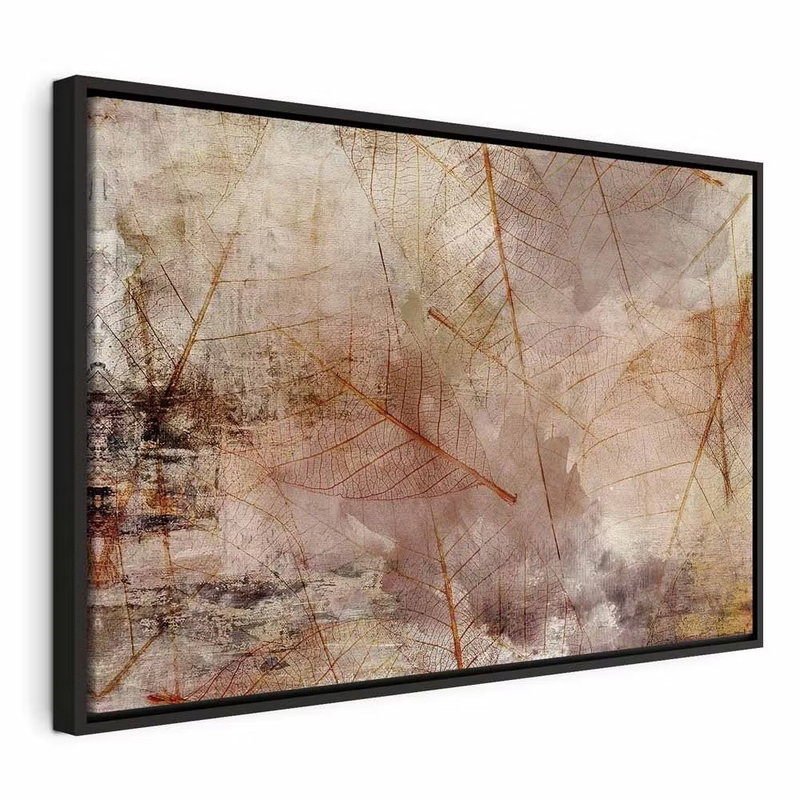
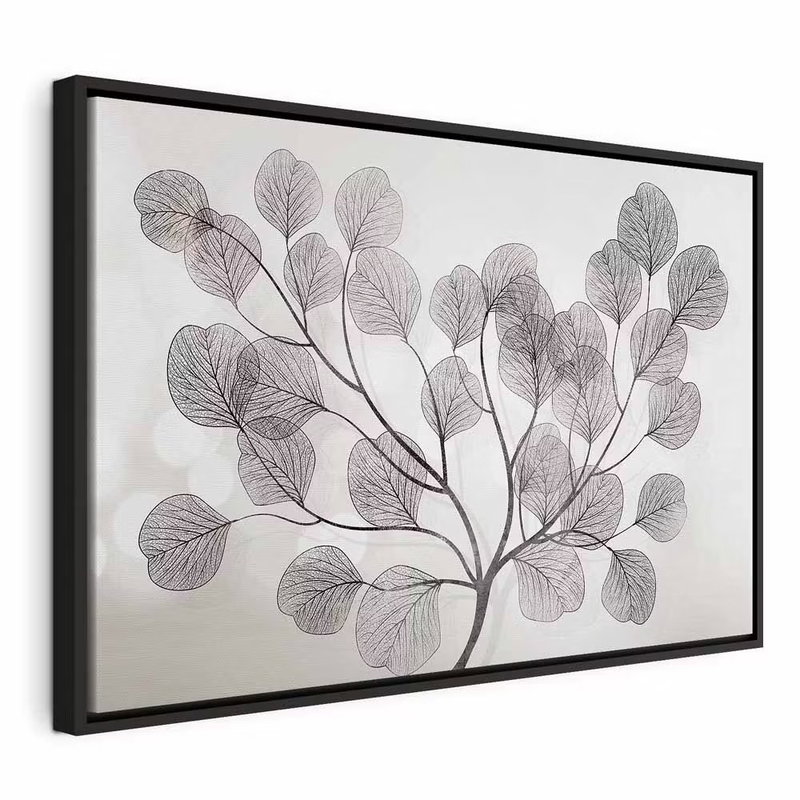
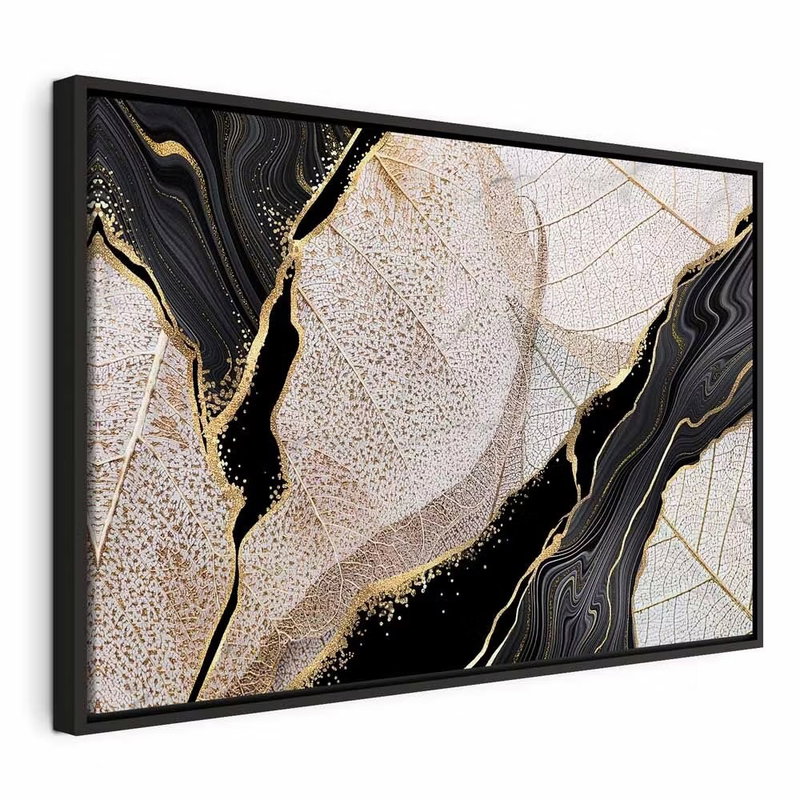
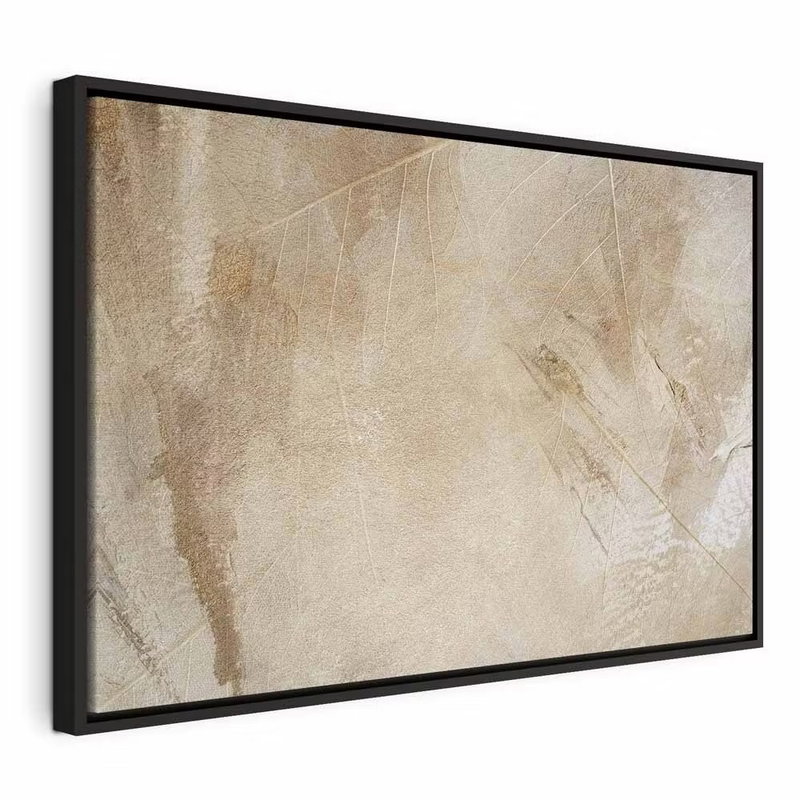
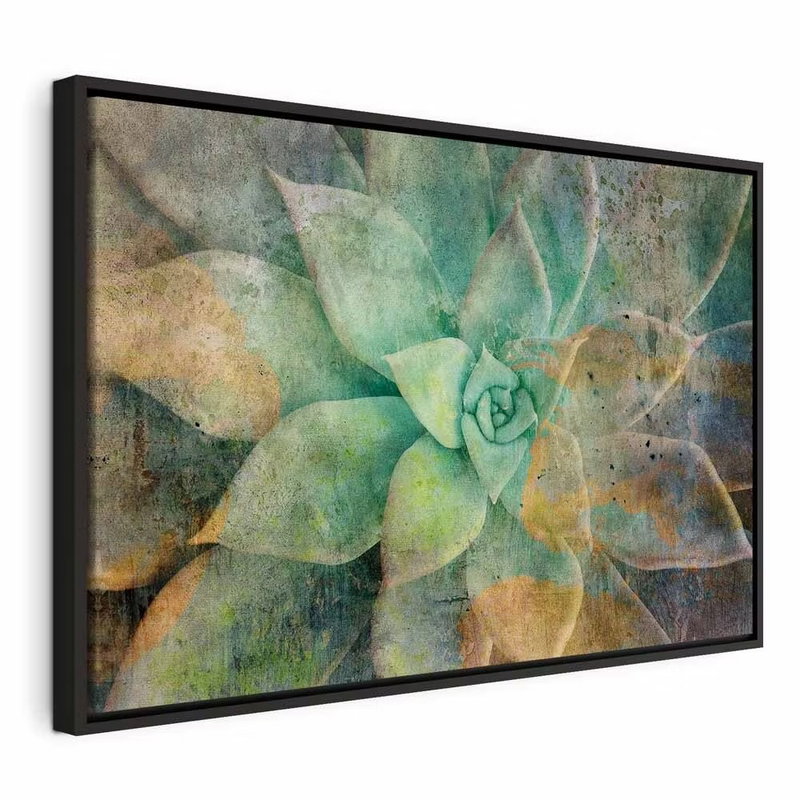
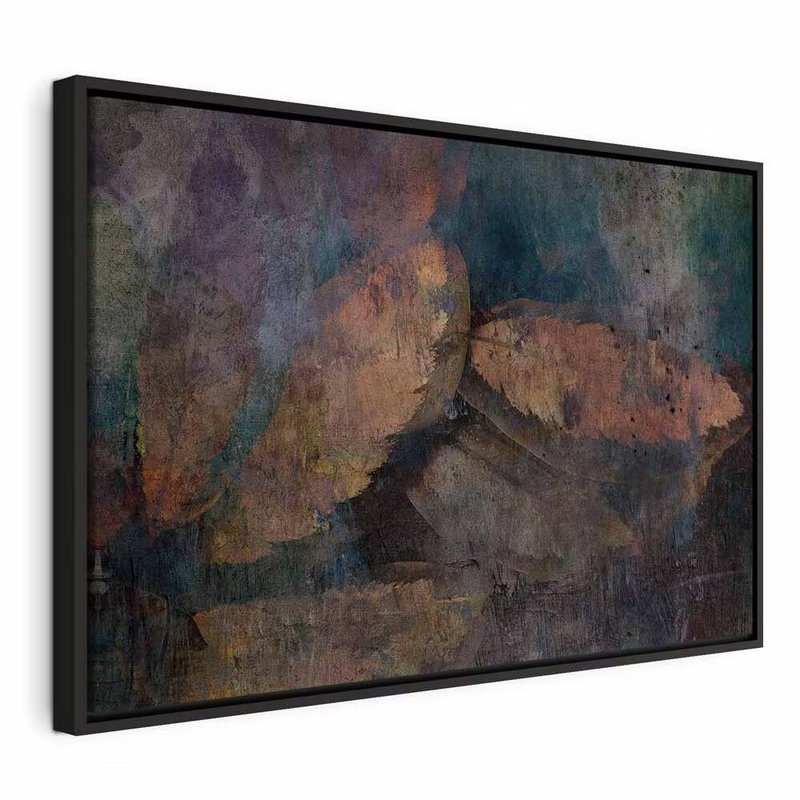
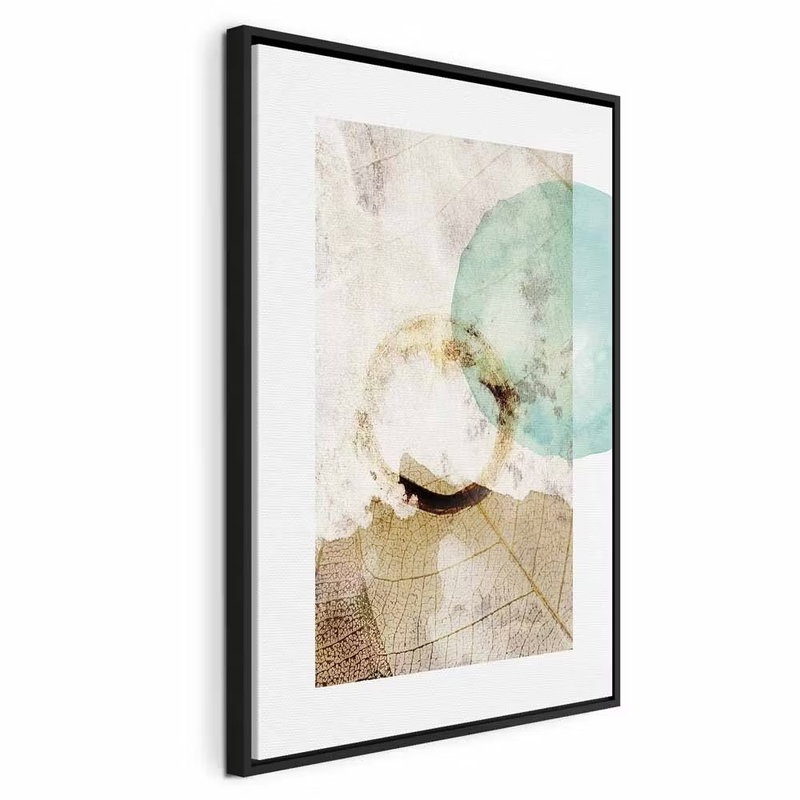
A translucent leaf can reveal a complete network of fine veins and look almost graphic against a pale background. A large green leaf or succulent rosette instead builds the picture from broader surfaces and clear overlaps. Consider the viewing distance. Small vein lines reward close inspection, while larger shapes are often easier to recognise from across the room.
Drawn branches and decorative foliage
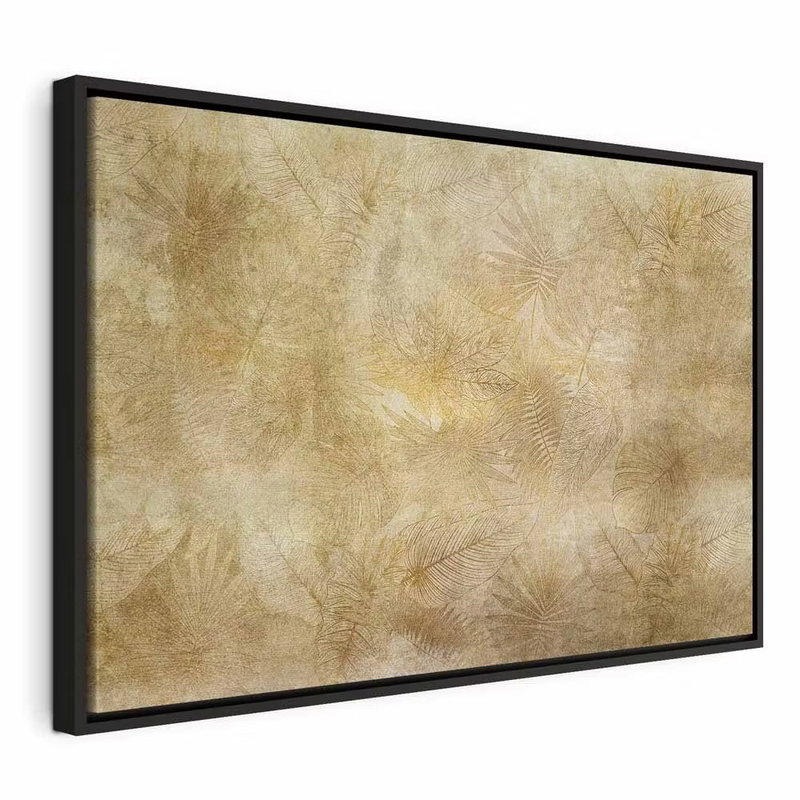
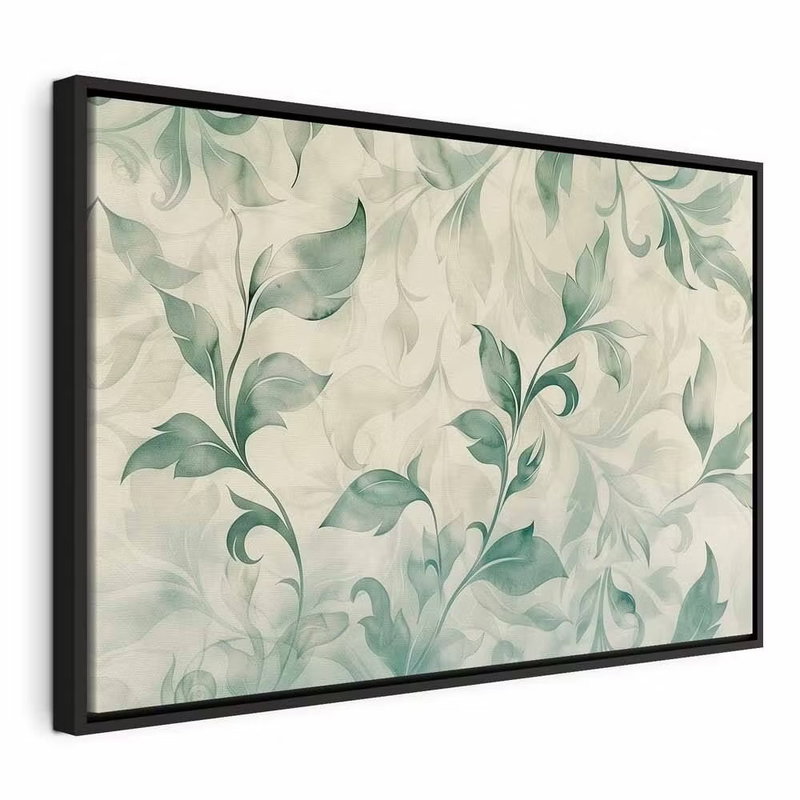
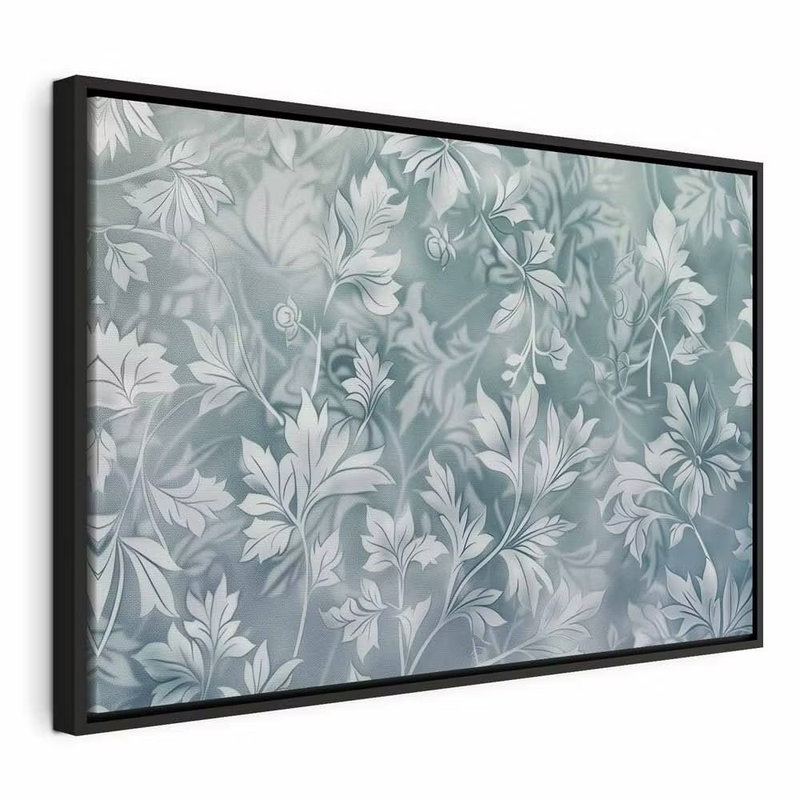
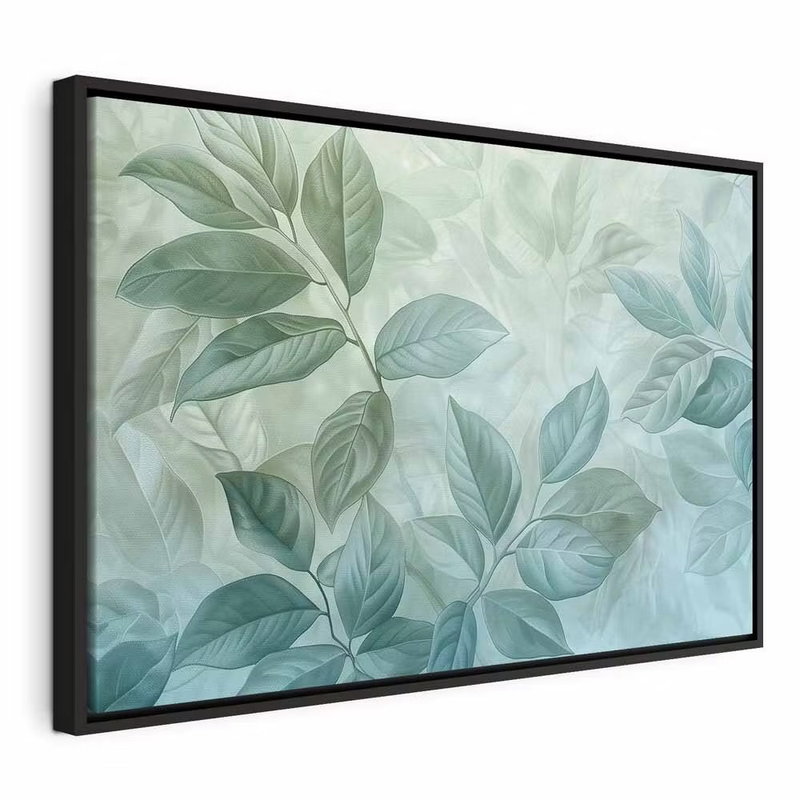
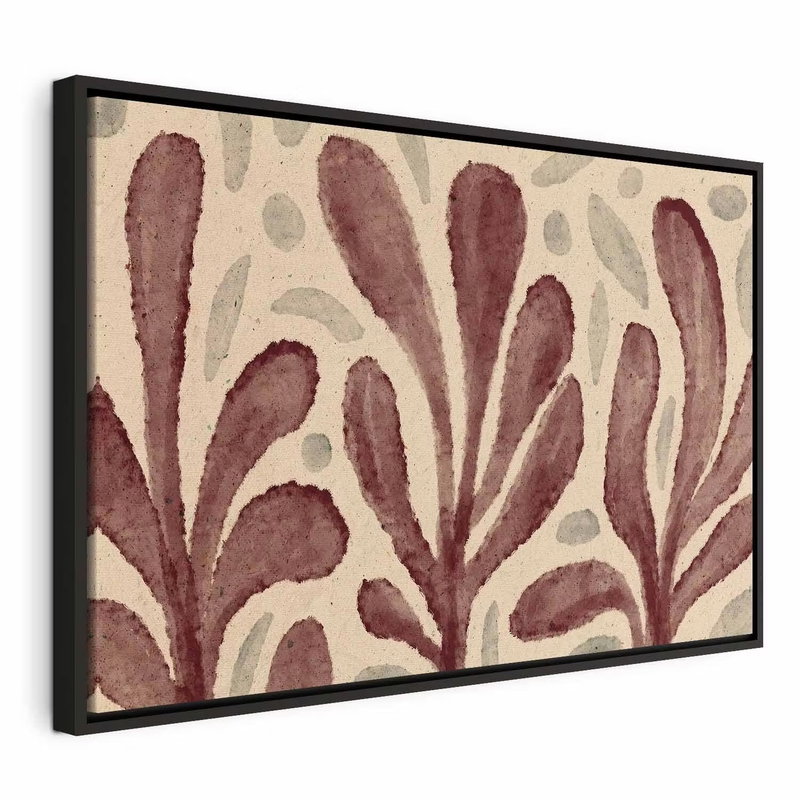
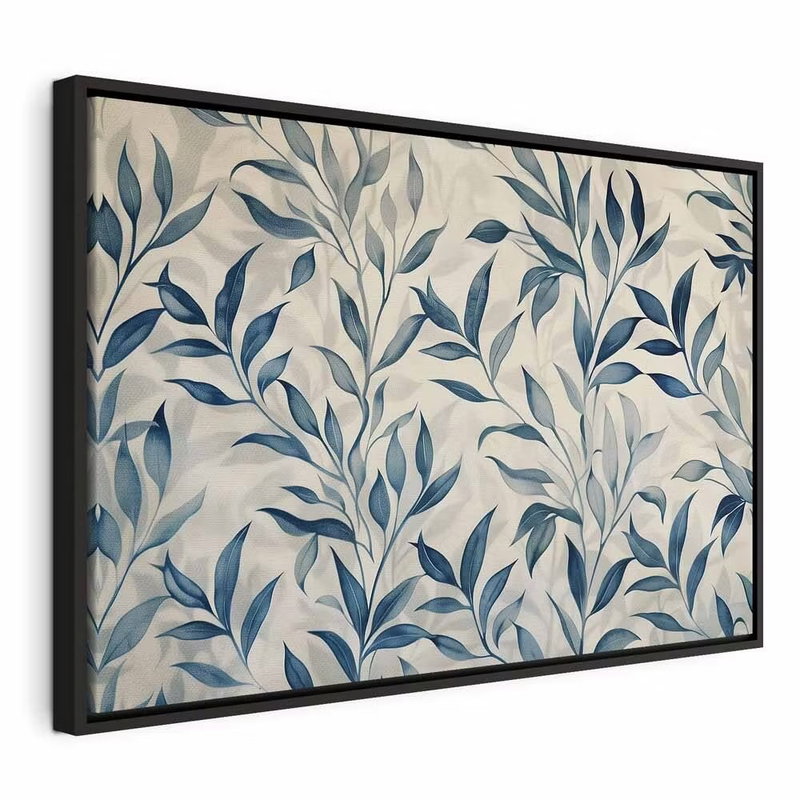
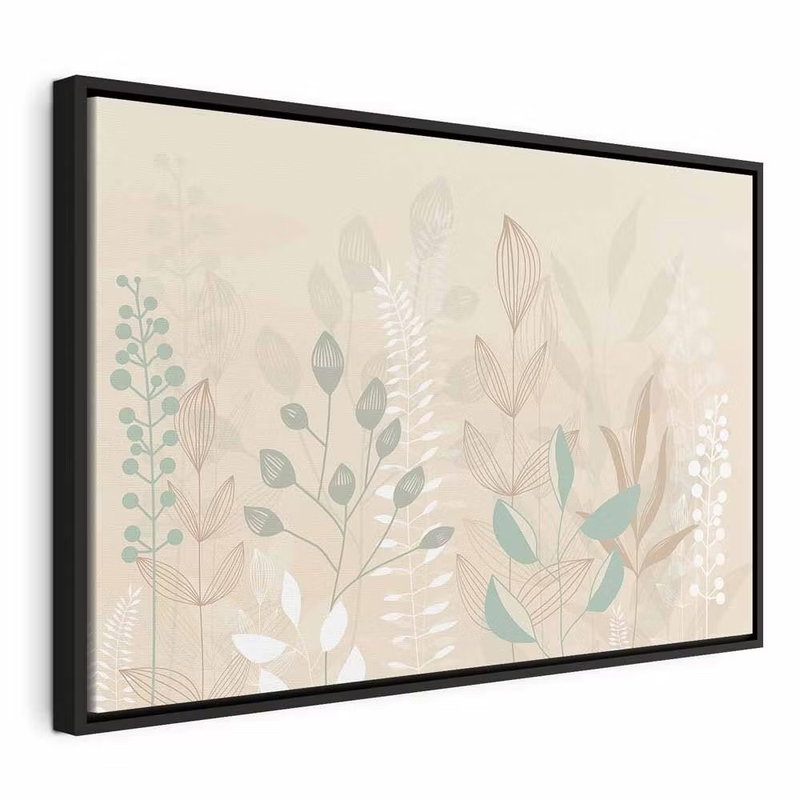
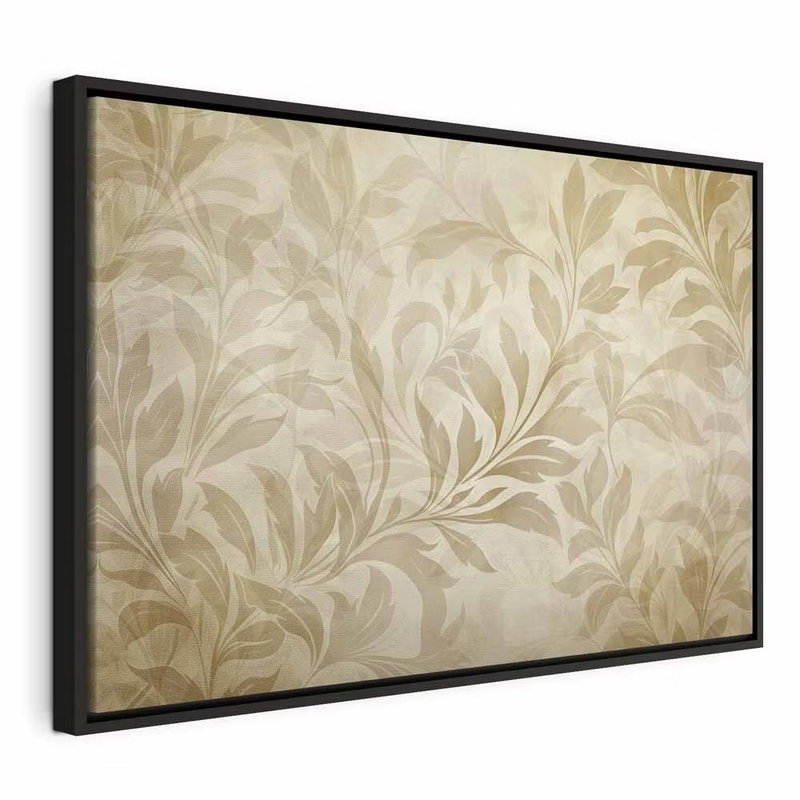
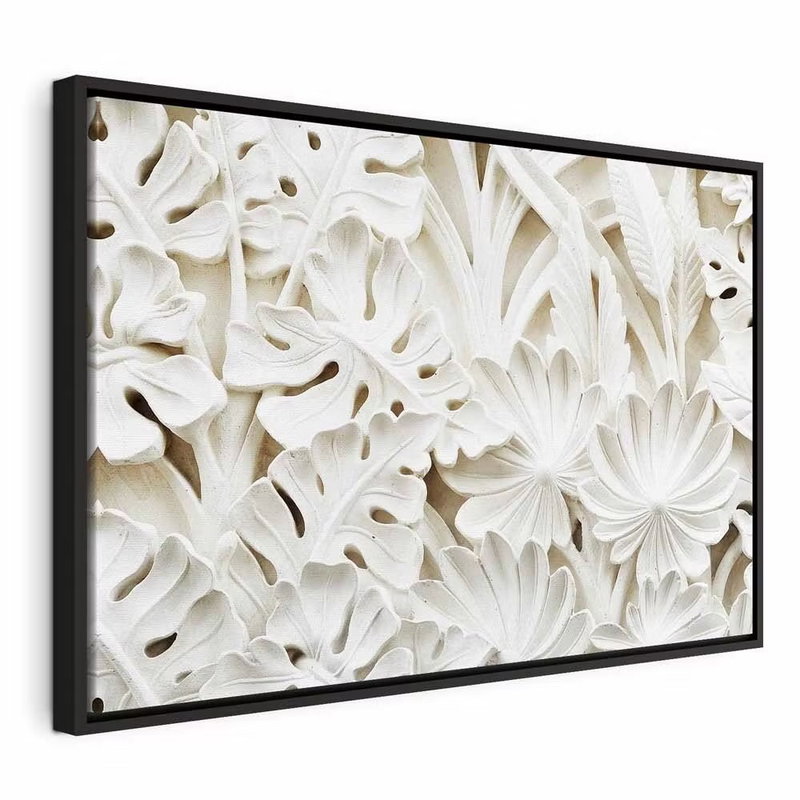
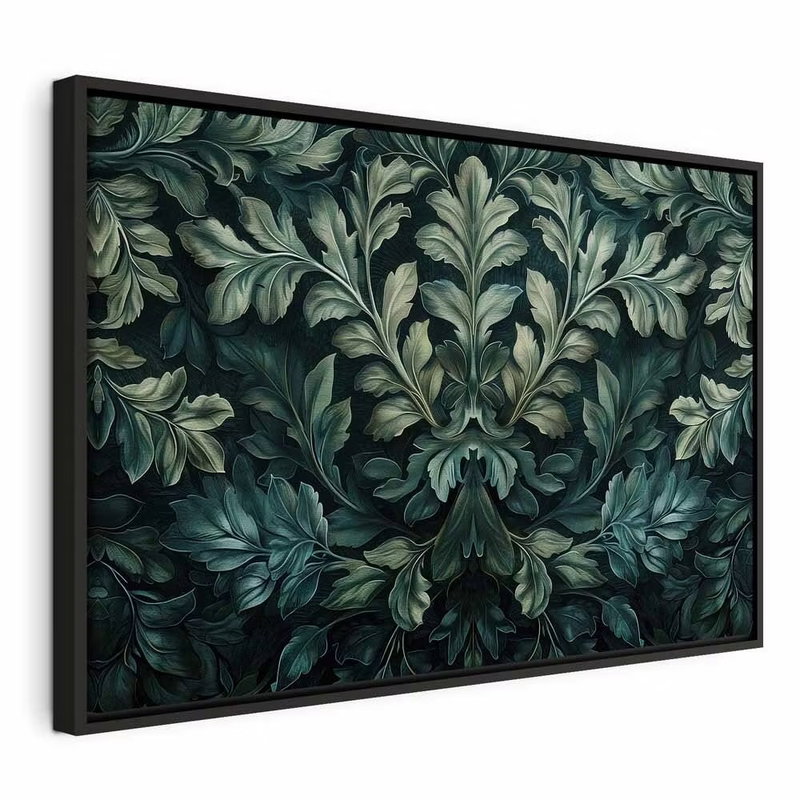
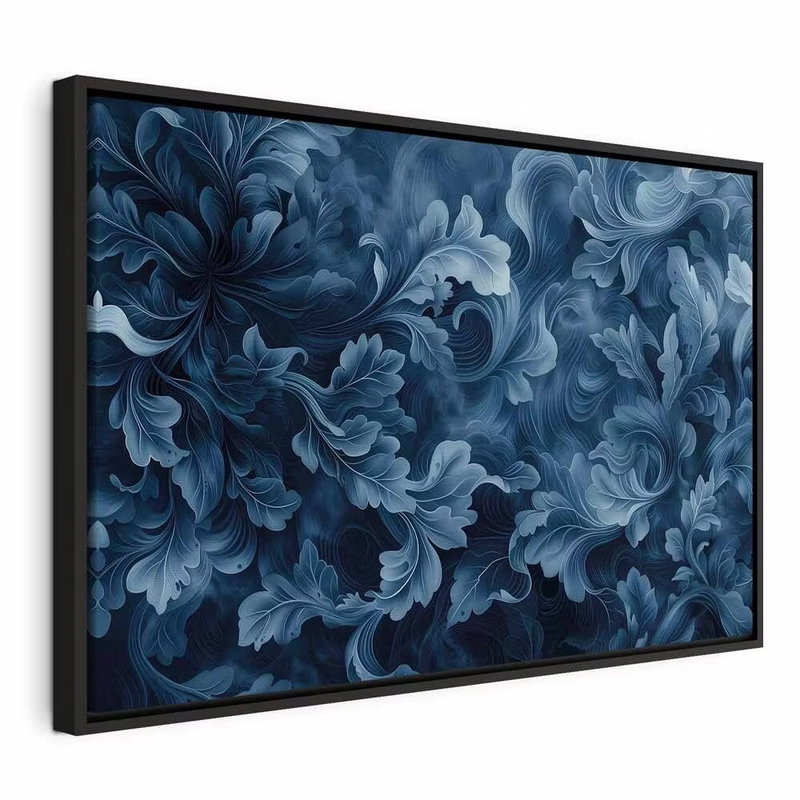
The range includes soft leaf impressions and stylised branches with blue, green or pale leaves. Other subjects use curved acanthus-like shapes and symmetry. These pictures need not create the same impression of nature. Choose a clear depiction of a leaf, a freer interpretation or a decorative pattern that works with textiles and other details.
Leaves alongside words and colour fields
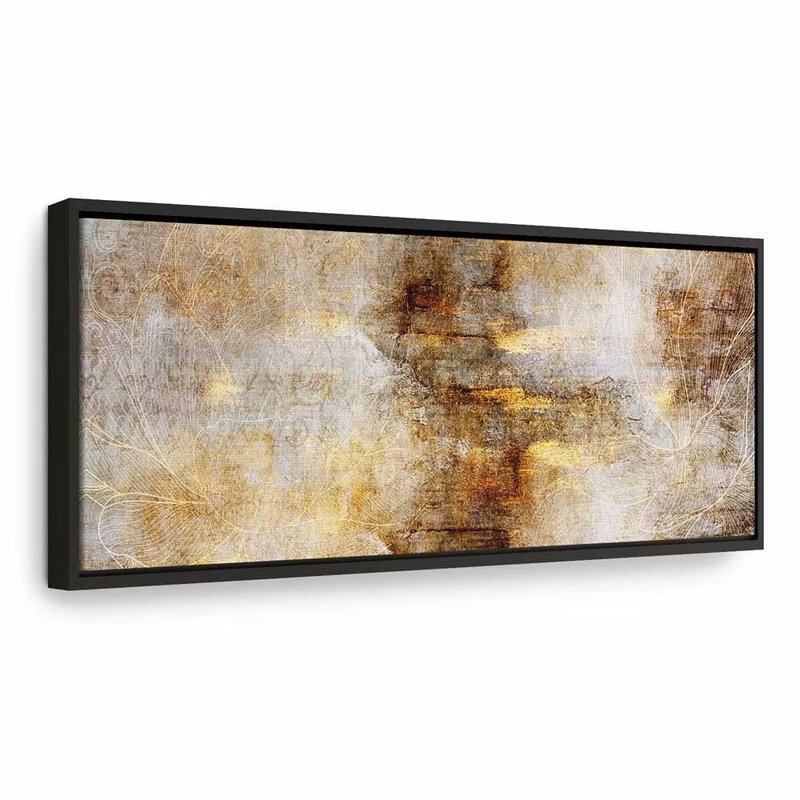
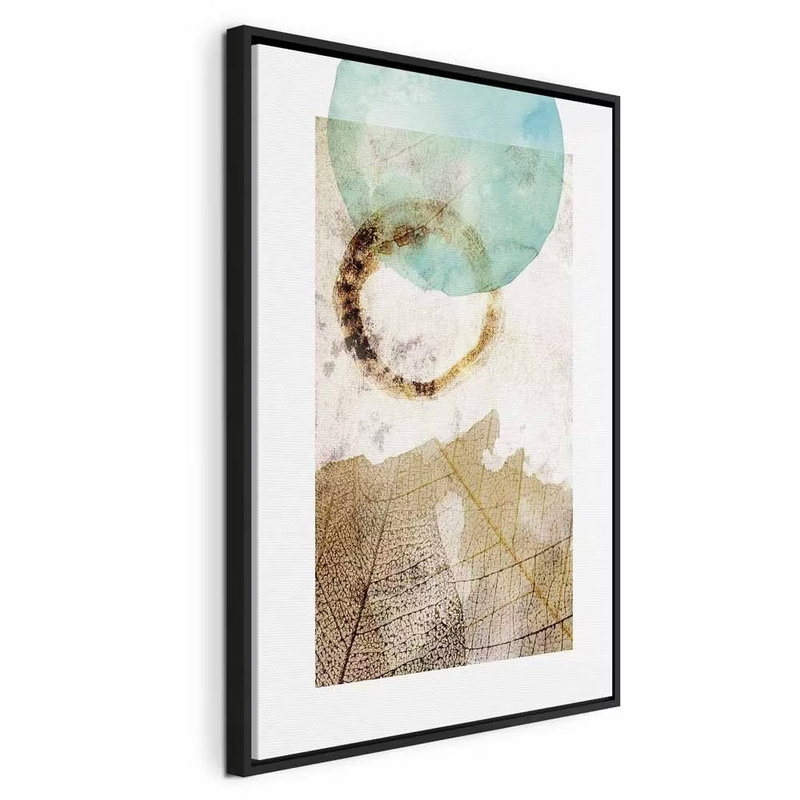
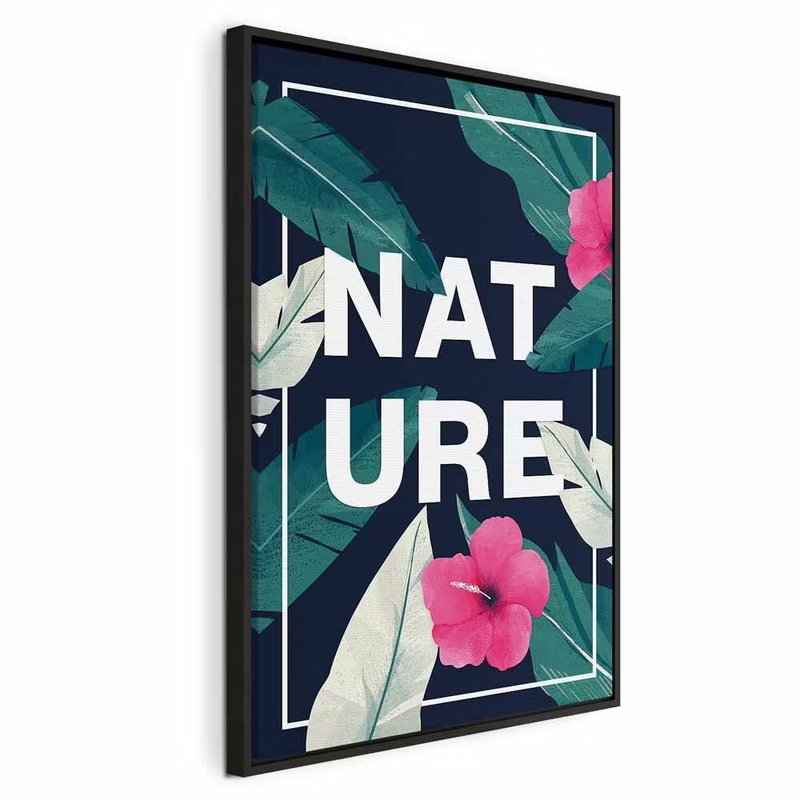
In some pictures, foliage surrounds a large word or quotation. Others place leaf veins beside circles and geometric fields. Both the plant forms and the other elements need to work in the chosen location. Read the text and assess the complete composition before deciding. A leaf subject with a message may play a different role in a meeting room from a text-free picture.
Let the frame define the leaf picture
A visible outer frame can gather an airy branch composition or mark the boundary of a denser leaf surface. Compare its colour with windows, furniture and other frames, and check the options for the particular product. Include the picture’s own pale edges and empty areas in your assessment. They belong to the artwork and should not be mistaken for an additional mount.
Adapt size and placement to the room
Measure the free wall and try the height from the usual seats. Keep important branches and outer edges visible without furniture obscuring them. The absorbing construction can help reduce reverberation, but the extent should suit the room’s other surfaces and total absorbing area. Follow the chosen model’s information on dimensions, installation and care.