




From column capitals to rows of windows
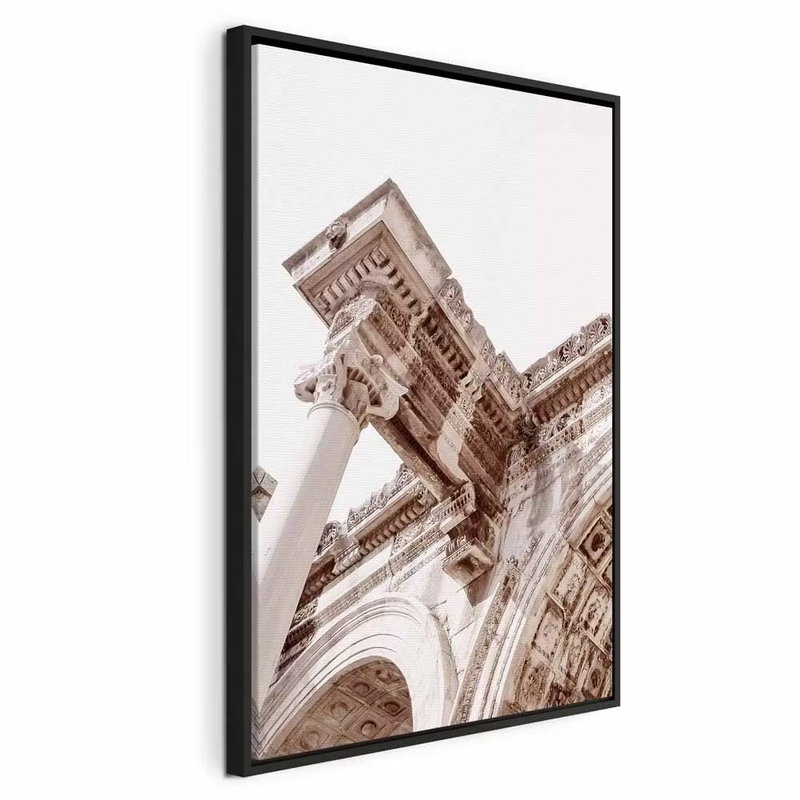
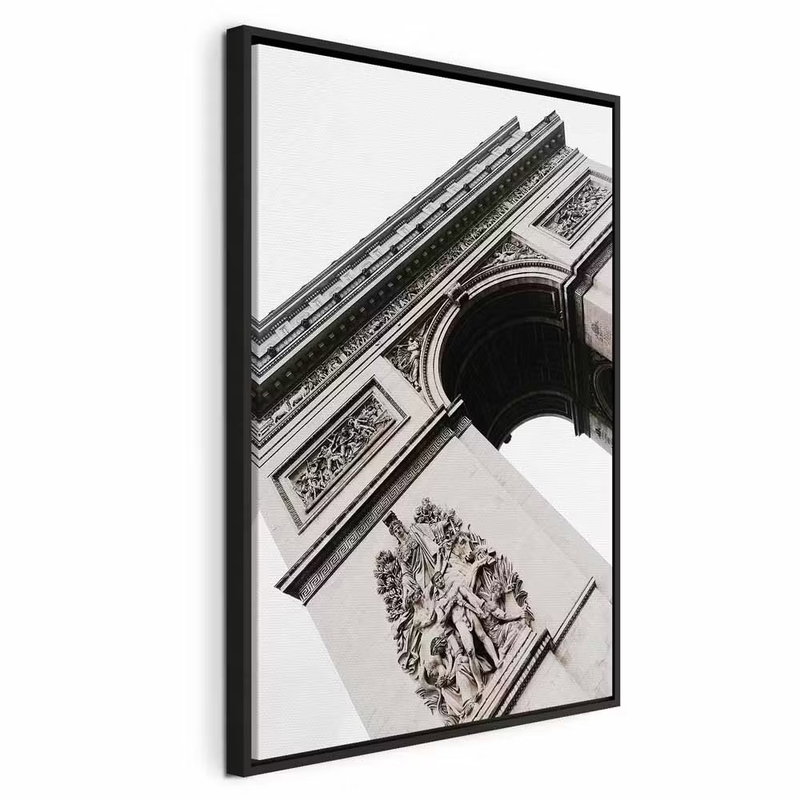
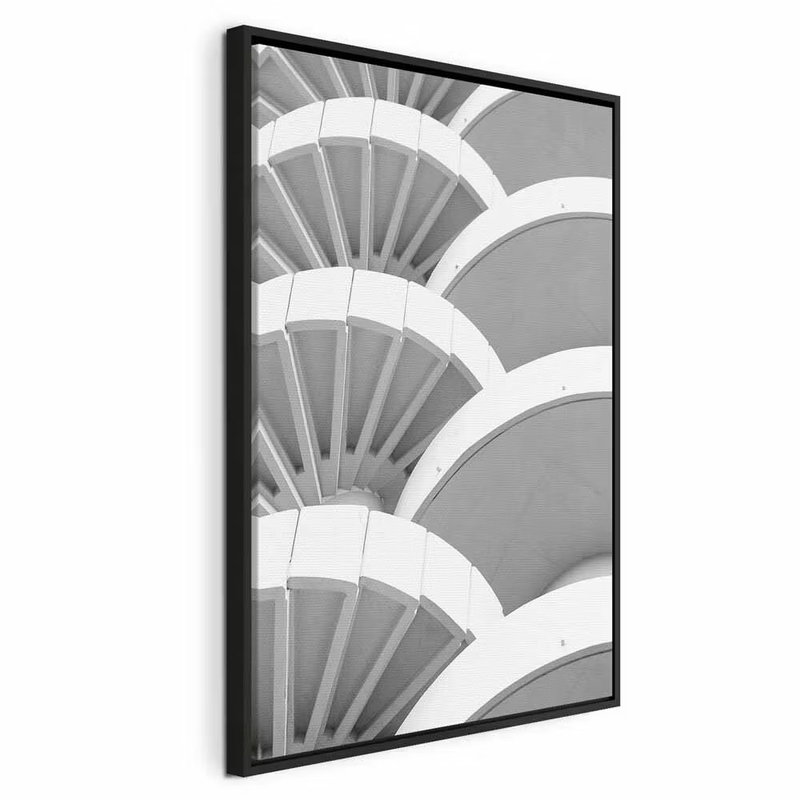
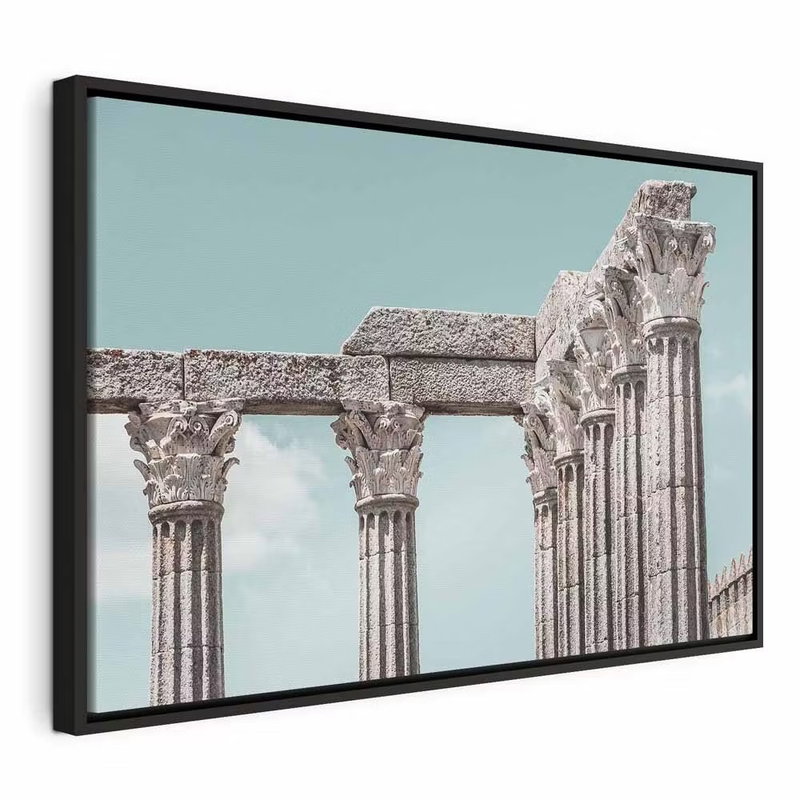
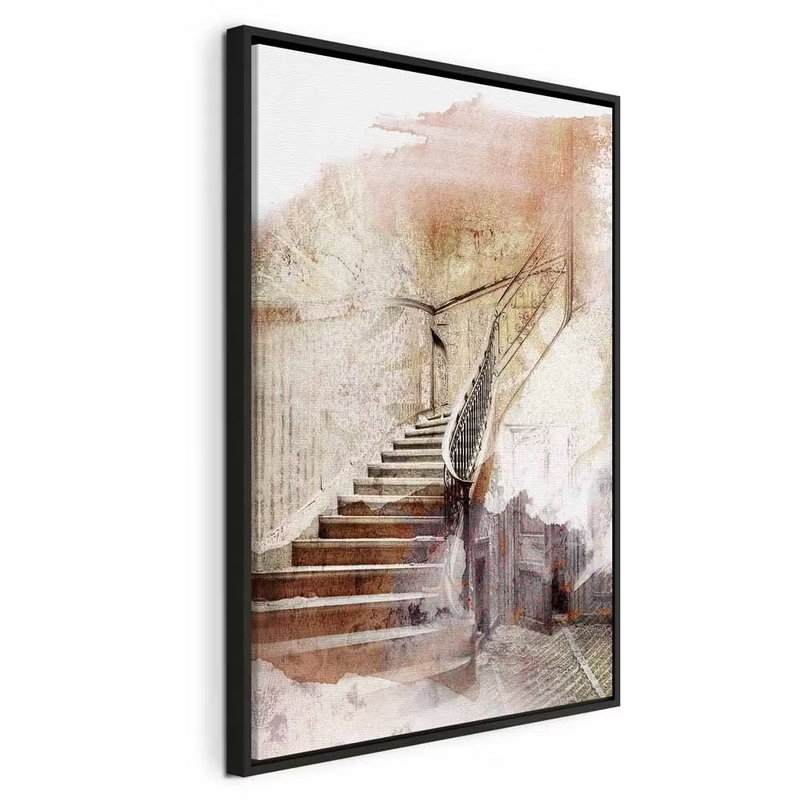
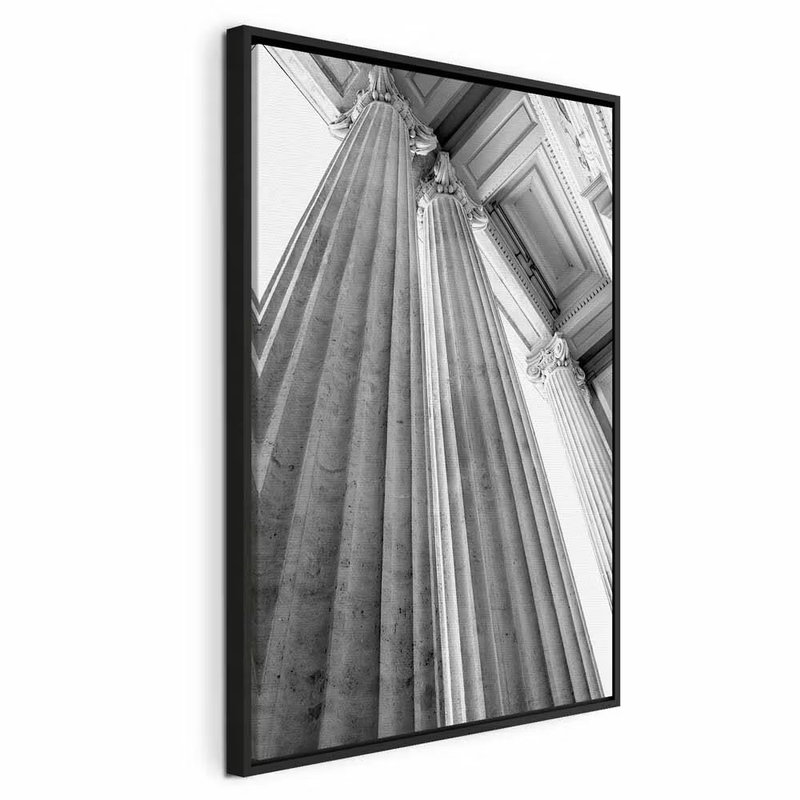
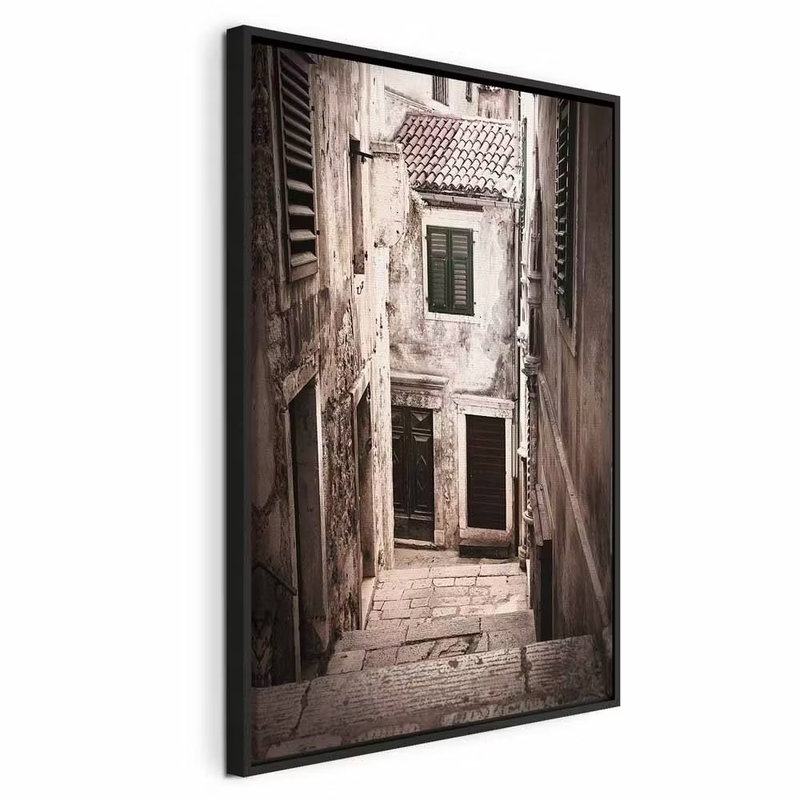
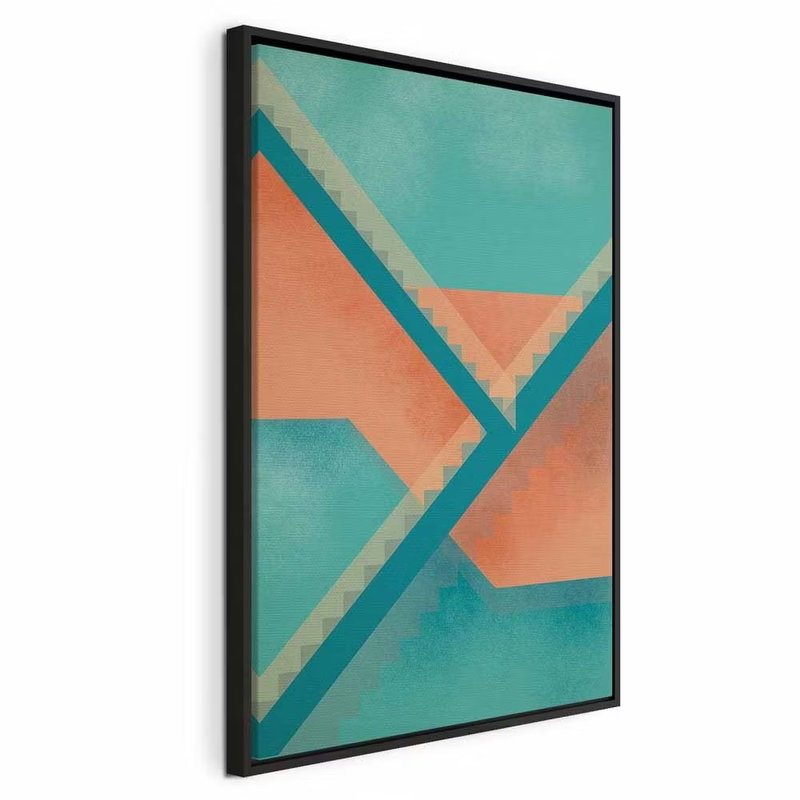
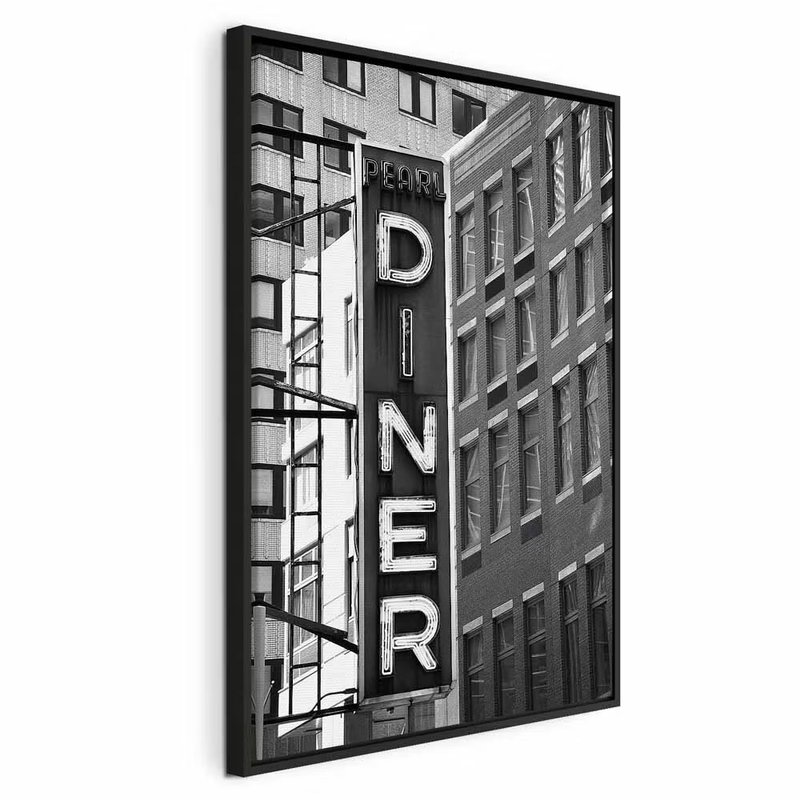
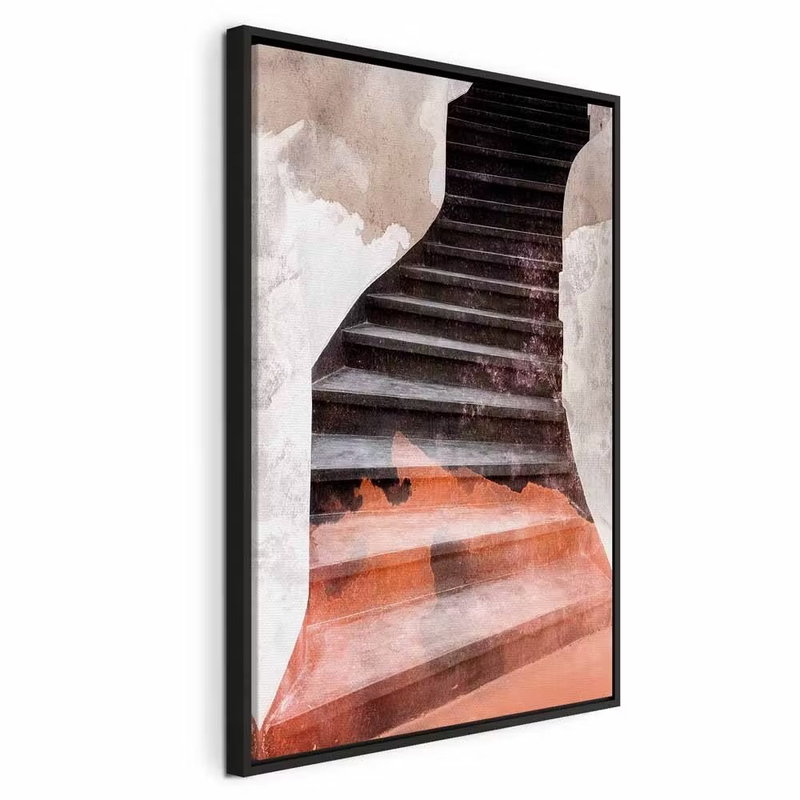
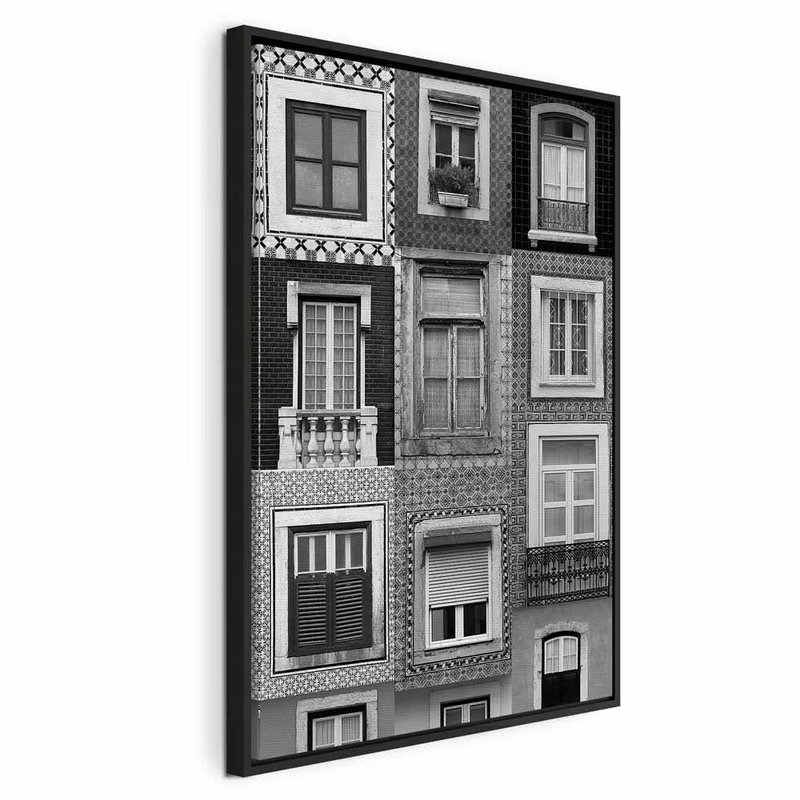
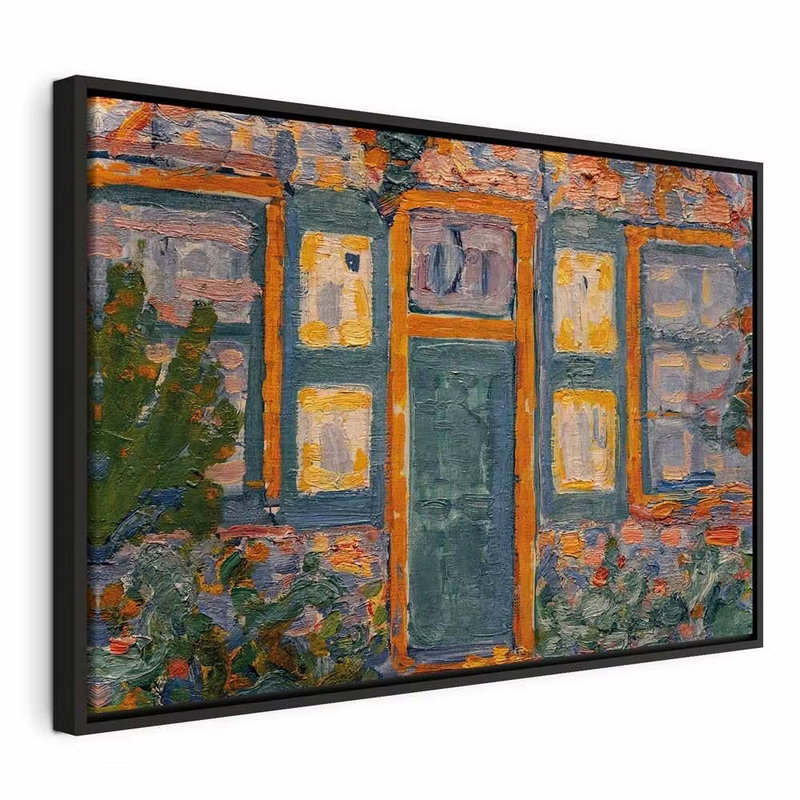
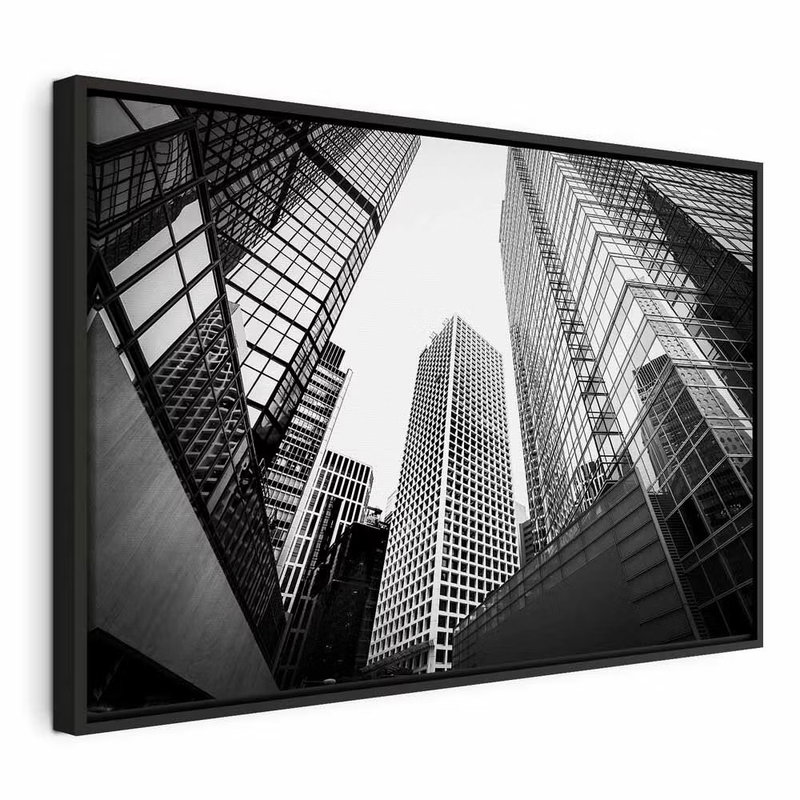
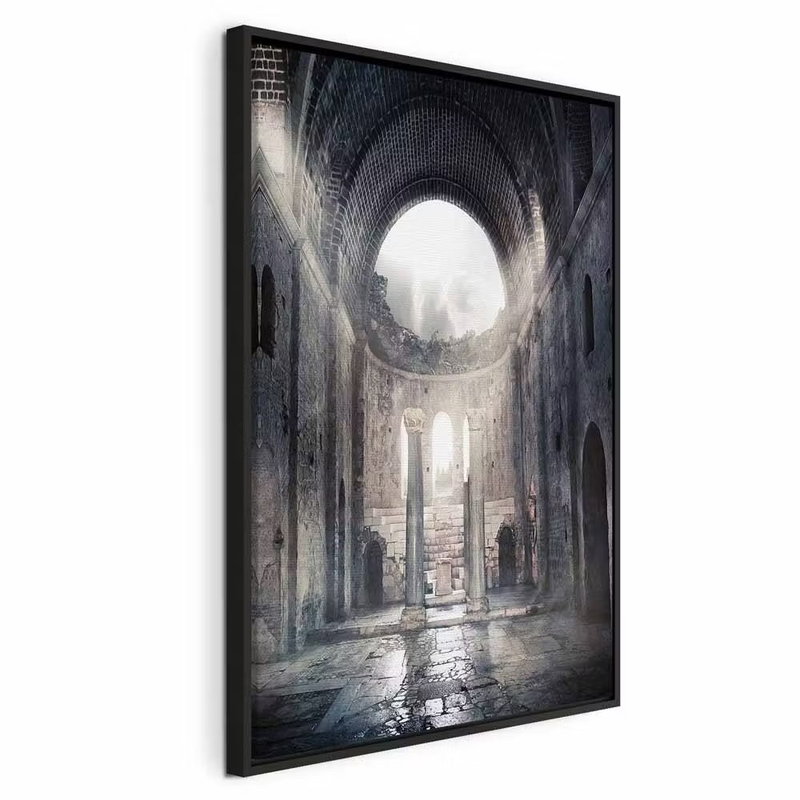
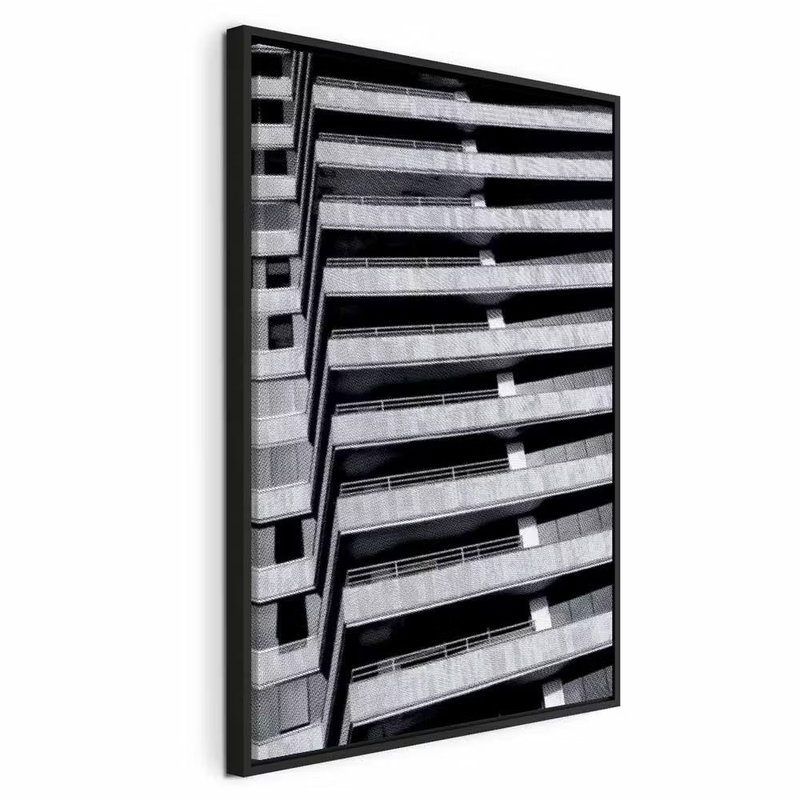
Architectural details let you choose a building’s expression without selecting a whole cityscape. The collection includes fluted stone columns, decorated arches and façades with clearly repeated windows. Some images are photographic; others depict stairs or façades through painted fields of colour.
Notice what first catches your eye. A decorated capital provides many small details, while an even row of balconies may read as a calmer geometric pattern. Existing room lines, such as cupboard doors, shelves and windows, can help you choose between these expressions.
Give perspective room
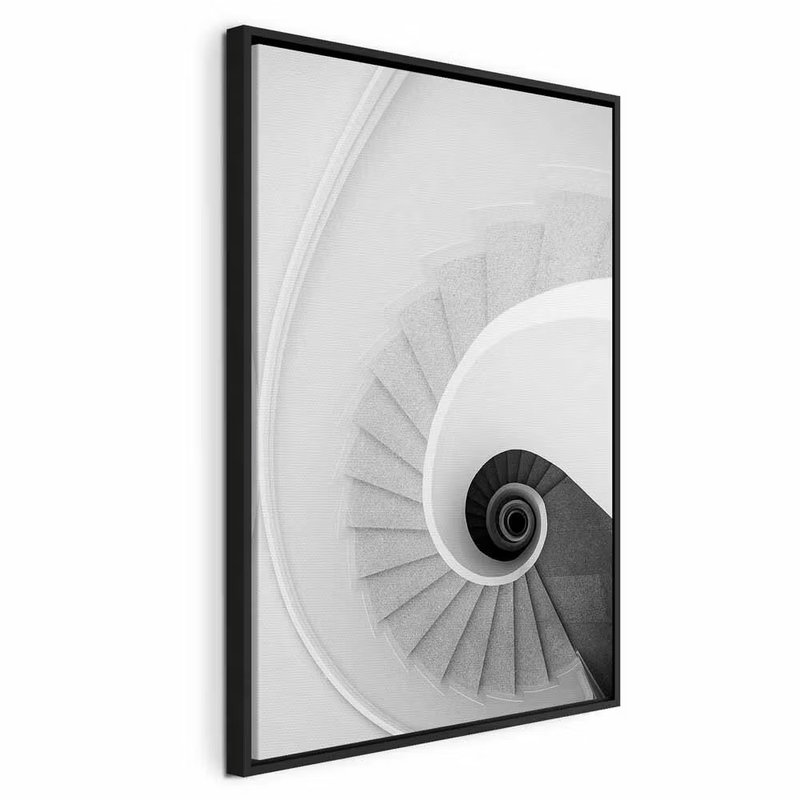
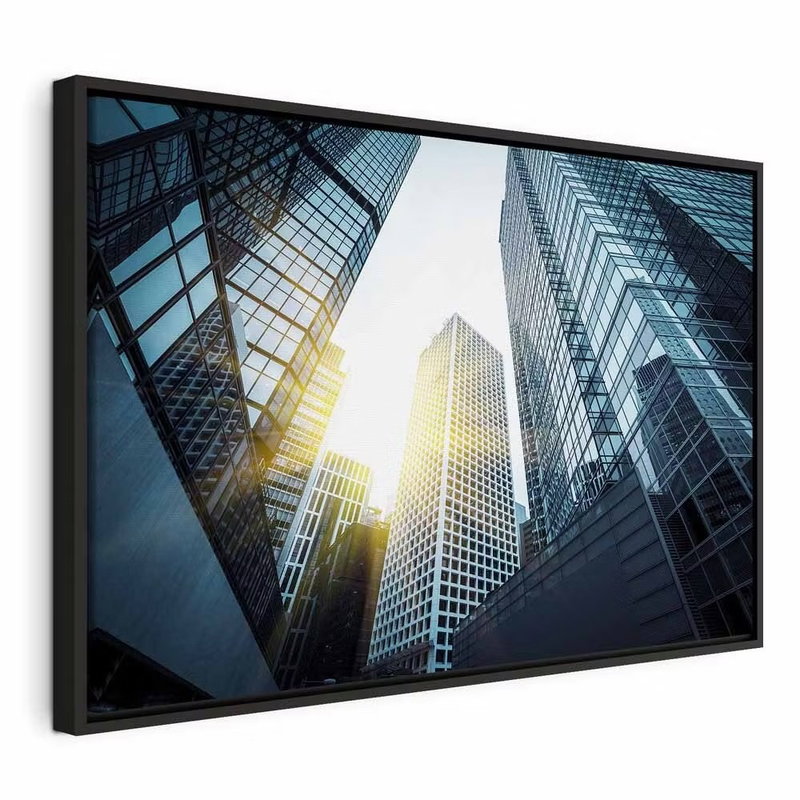
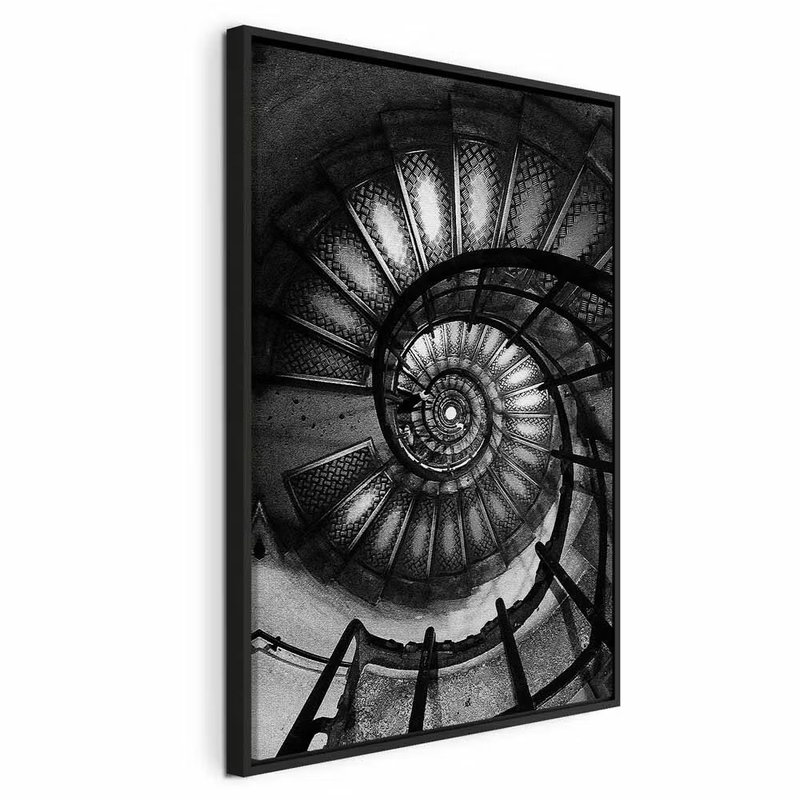
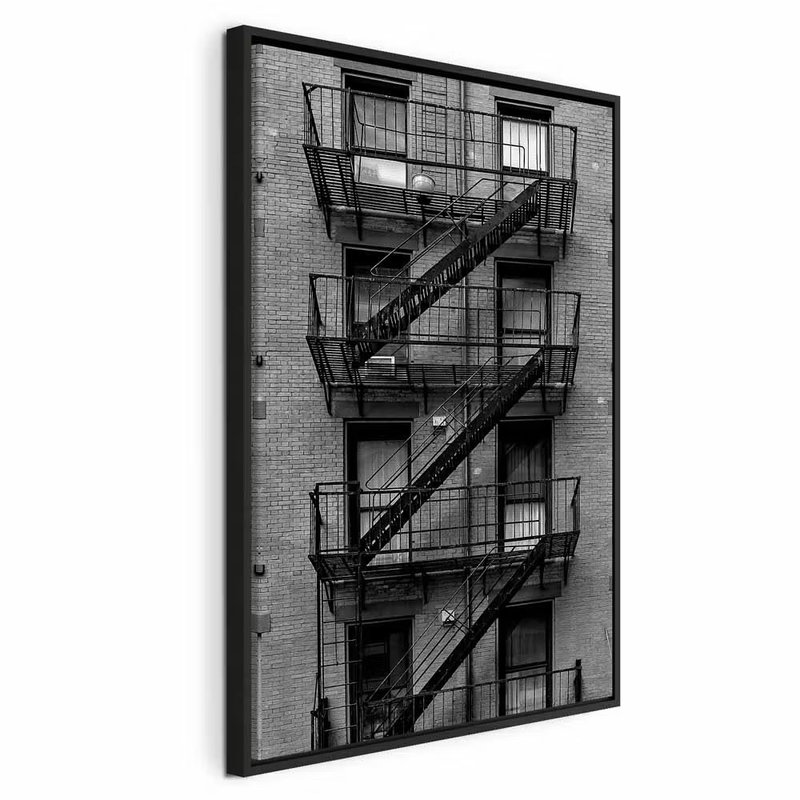
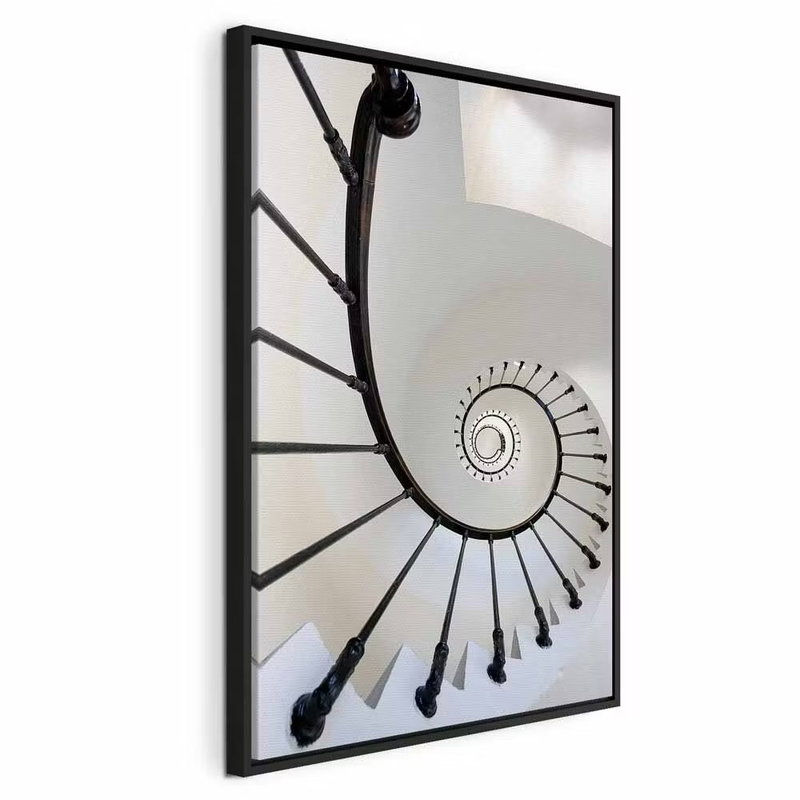
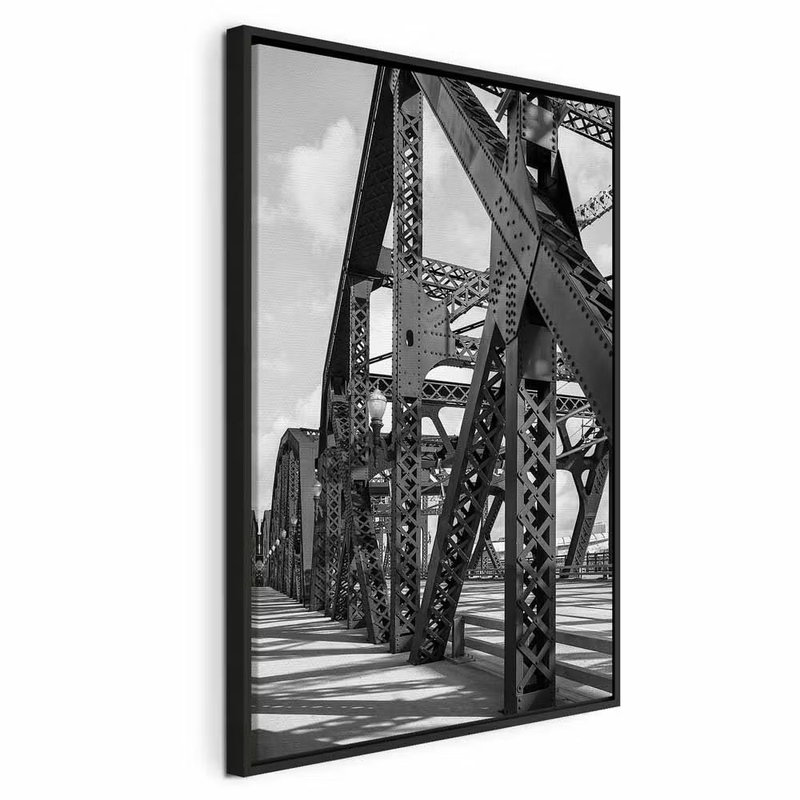
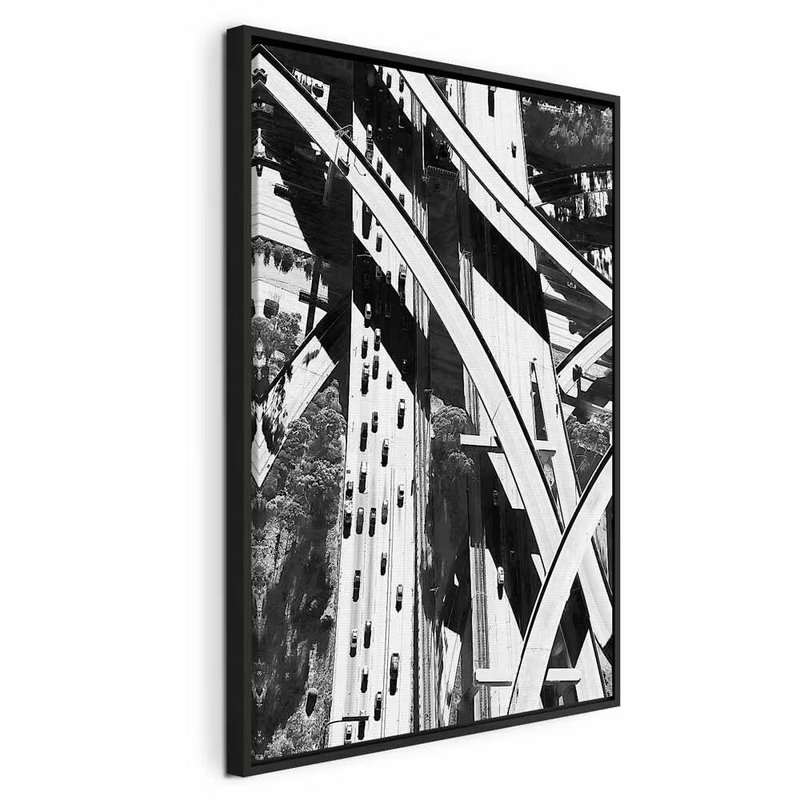
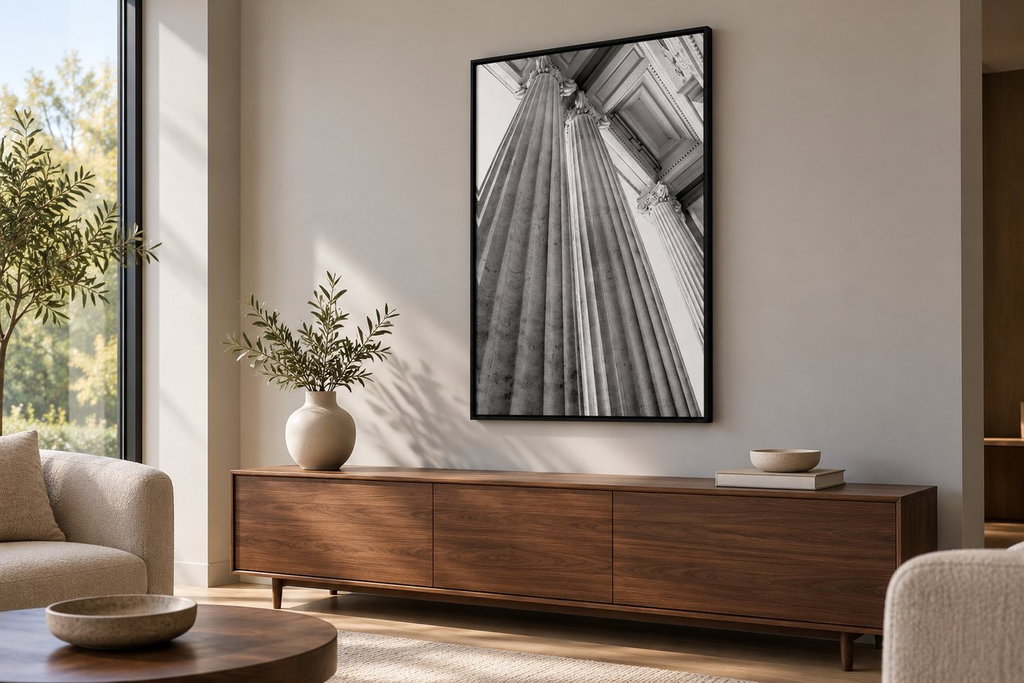
Stairs viewed from above draw the eye towards the centre, while tall columns photographed from below direct it upwards. Bridge beams and fire escapes can create diagonals and more movement. Judge the complete main image, rather than relying solely on the object named in the product title.
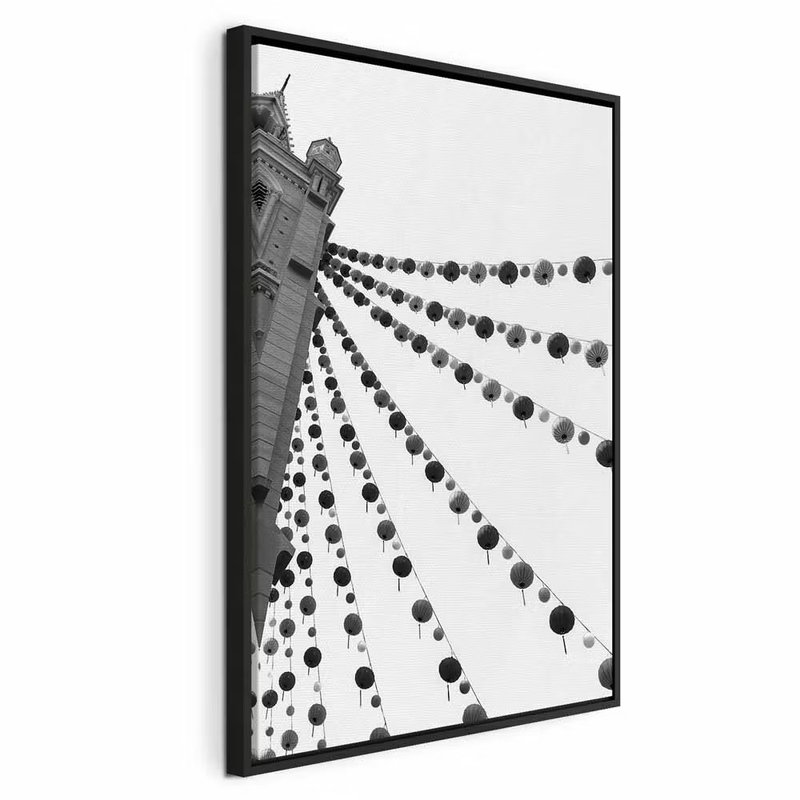
Measure both the picture’s position and the space around nearby furniture. A narrow portrait image can suit a limited wall section; a landscape picture may relate better to a wide sideboard. Check the model’s dimensions and keep its principal lines readable at the normal viewing distance.
The frame as a visible part of the whole
Pictures in this branch have a visible outer frame. It forms a clear boundary around the print and affects the meeting of image and wall. Use product photographs to compare the frame options actually offered; assess the colour and execution of the selected variant.
Depicted stone, worn plaster or coarse brushstrokes belong to the printed image. Do not infer the picture’s materials from these details alone. Read the product information for construction and mounting. The room photograph suggests a placement; stated dimensions guide your own wall planning.
Wall art within a considered acoustic setting
Monochrome architecture can connect different neutral materials, while warmer stone colours and painted façades offer other possibilities. Leave some space around the frame so the image does not compete with many small ornaments. Several pictures can relate through a shared perspective or recurring colour.
The absorbent construction can help reduce reverberation within the room. Your chosen motif does not change the need for suitable absorbing area and placement. Follow the mounting and care instructions for the individual picture when making it part of the interior.