




Cats and big cats with different characters
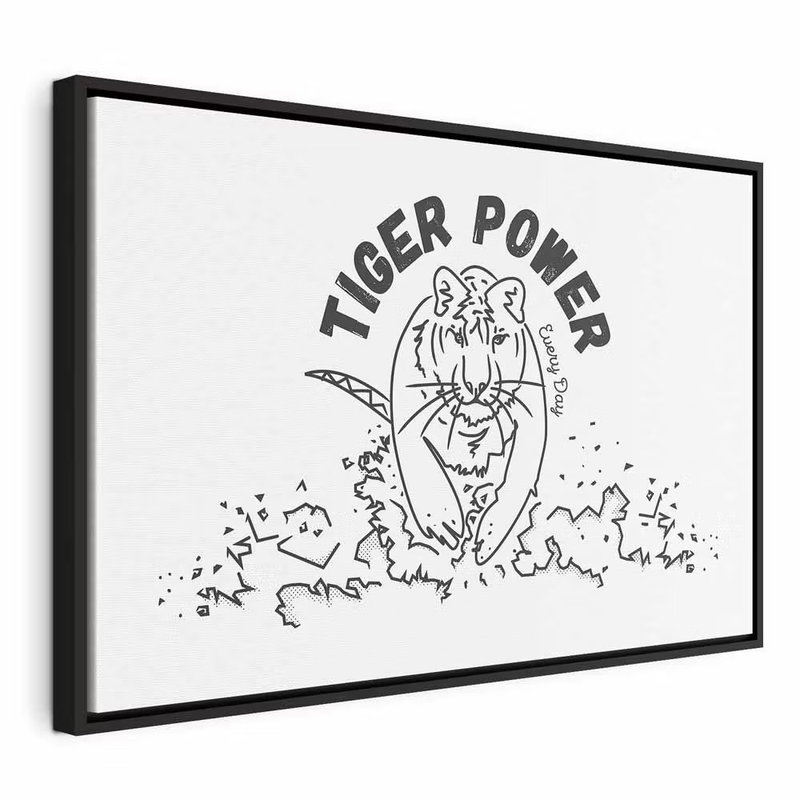
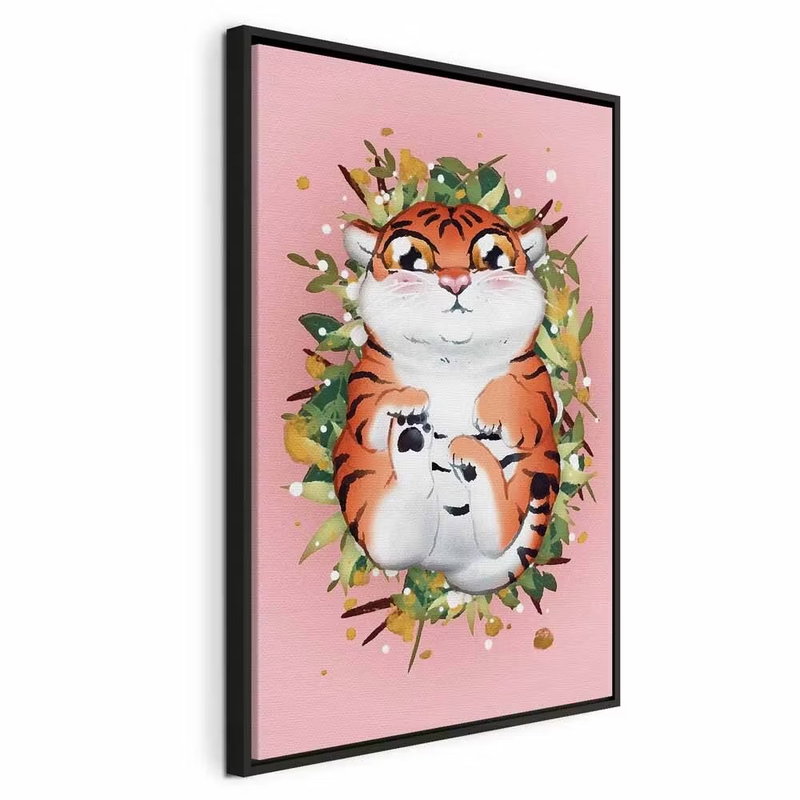
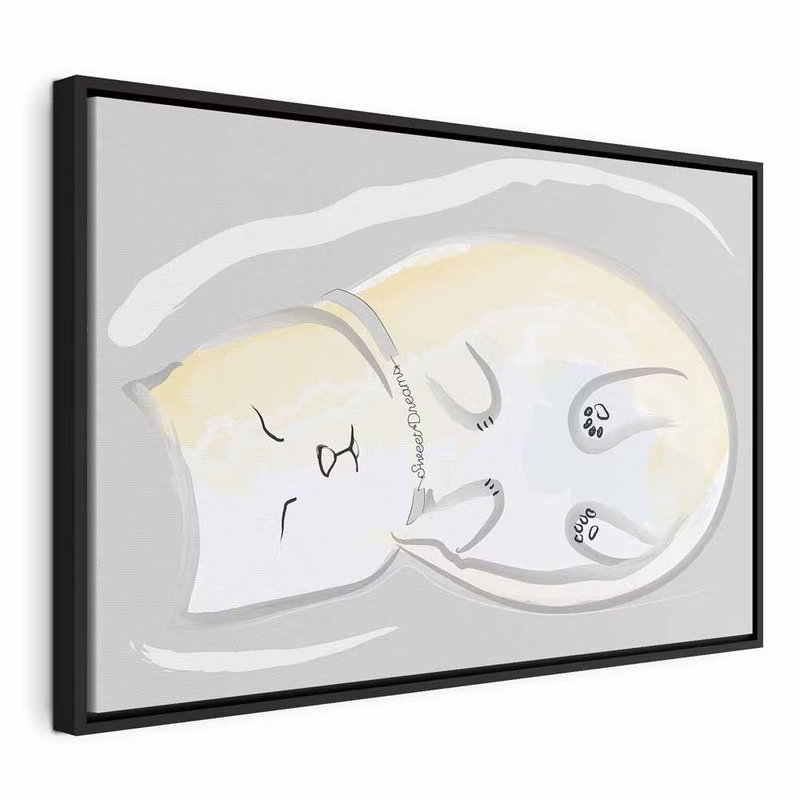
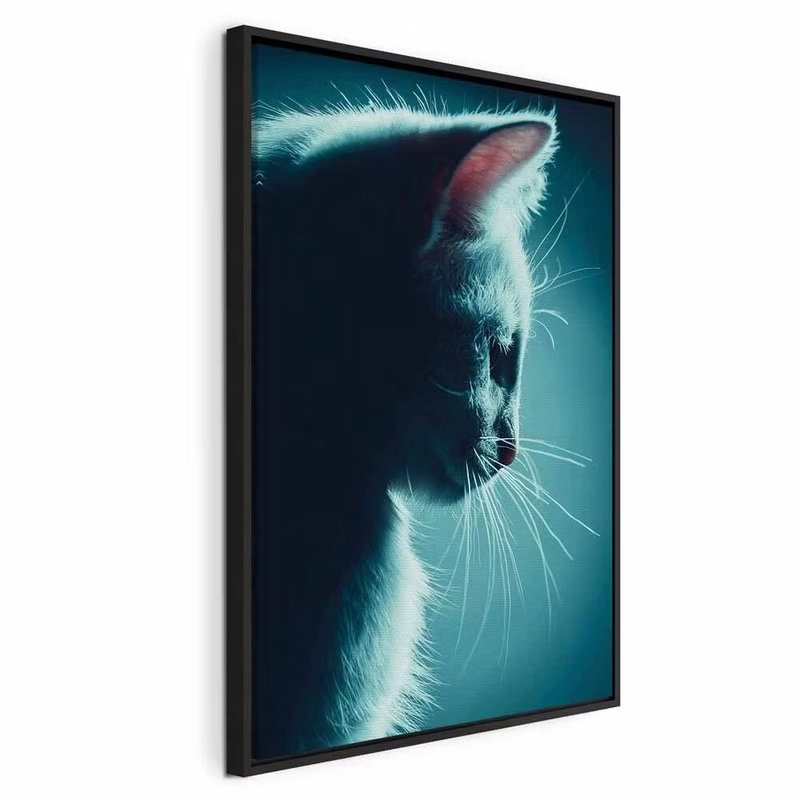
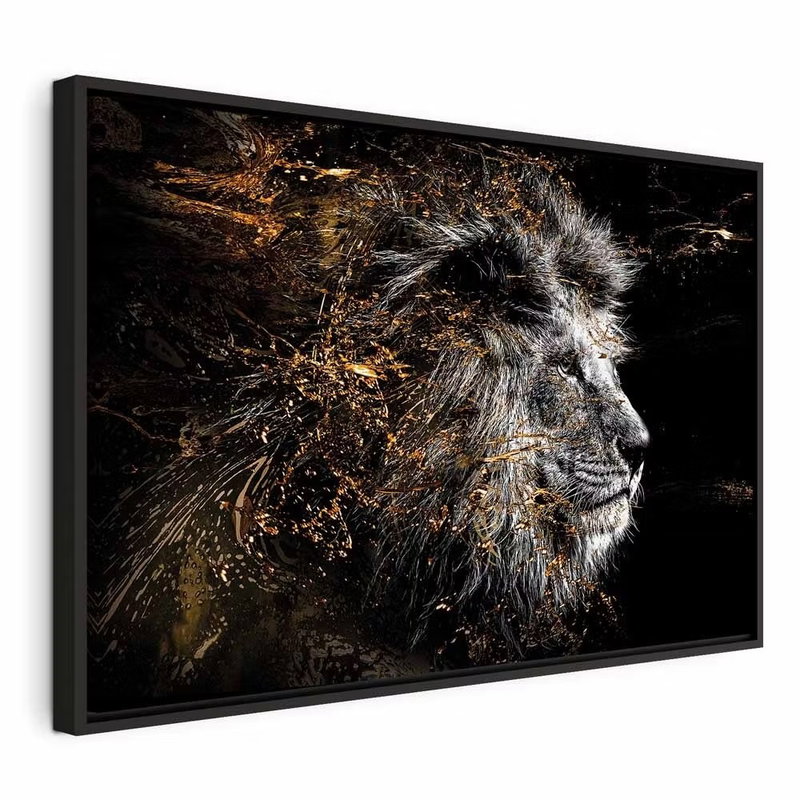
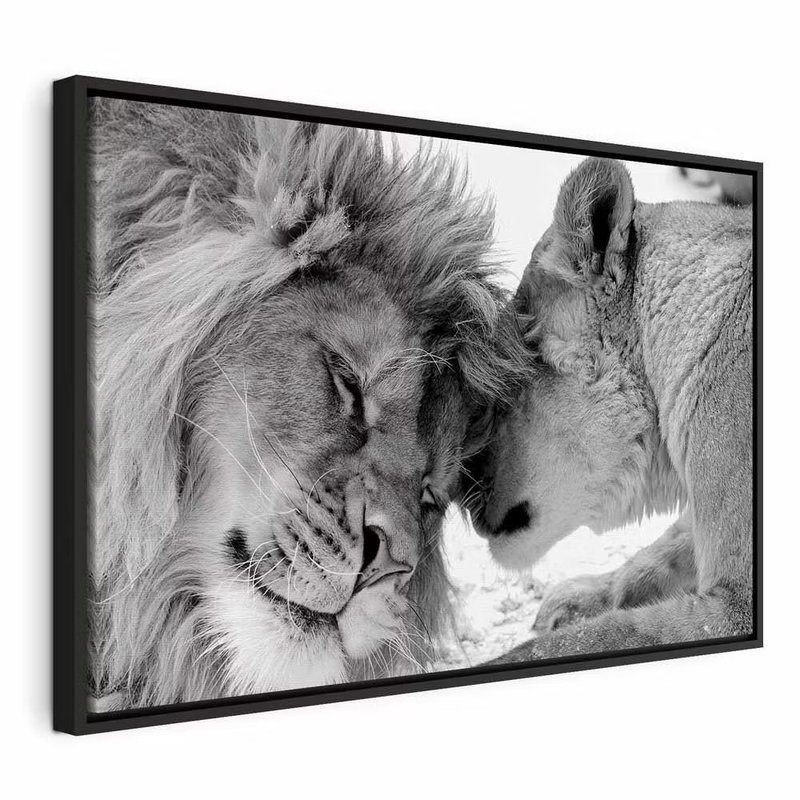
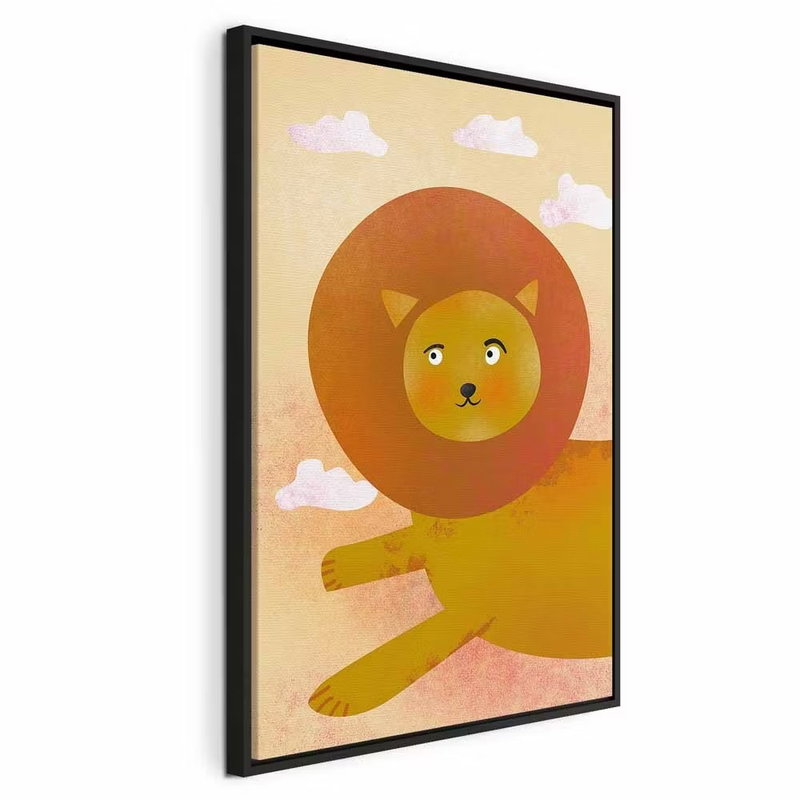
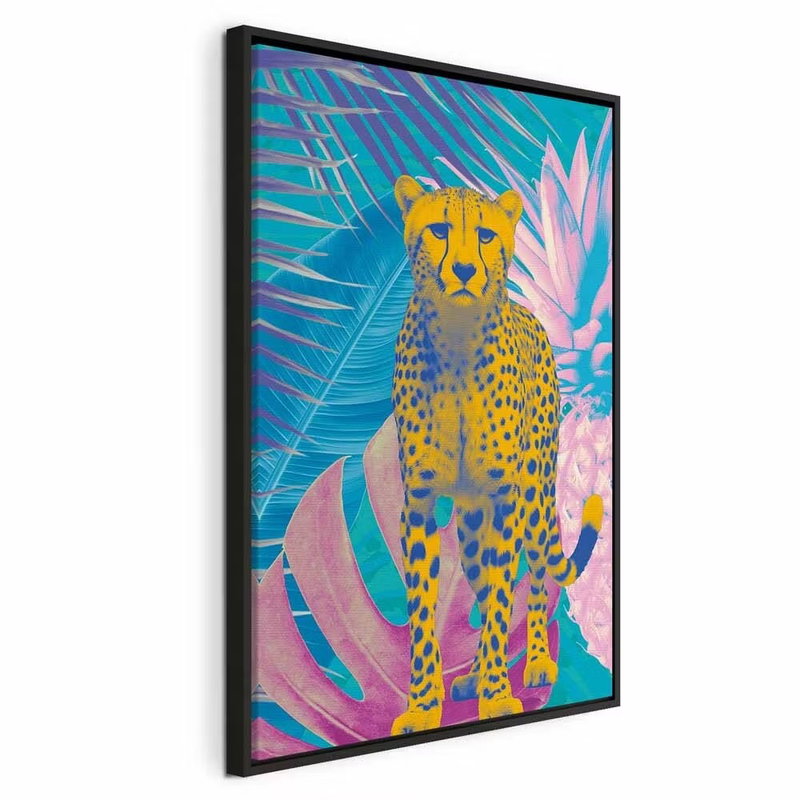
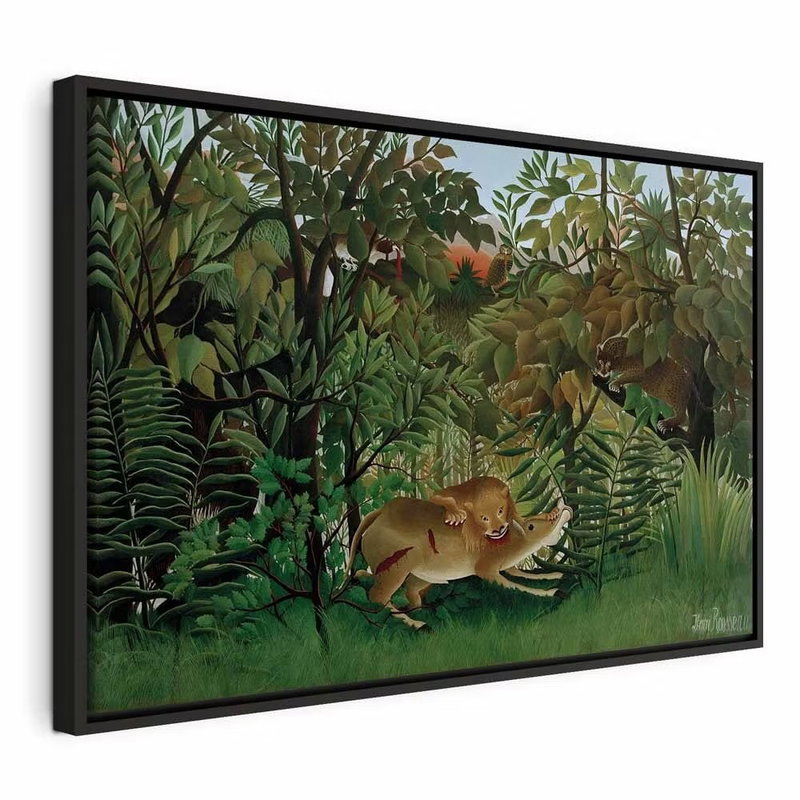
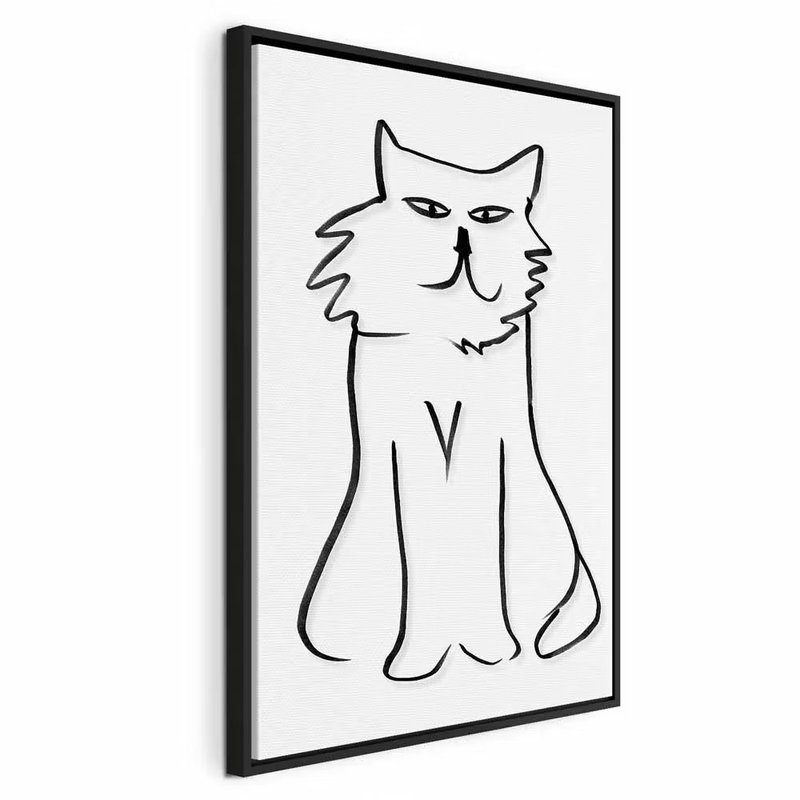
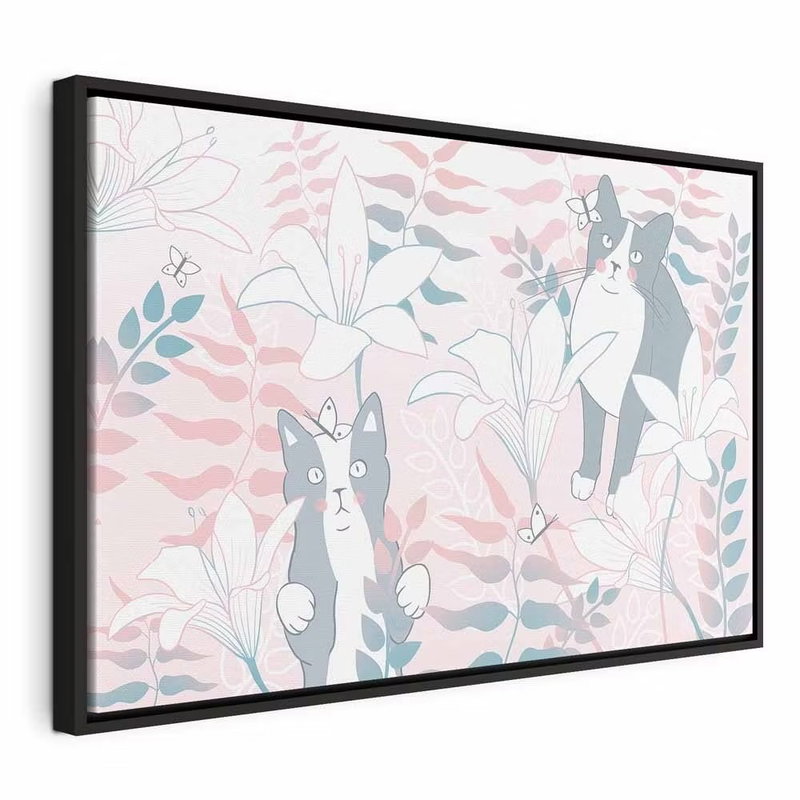
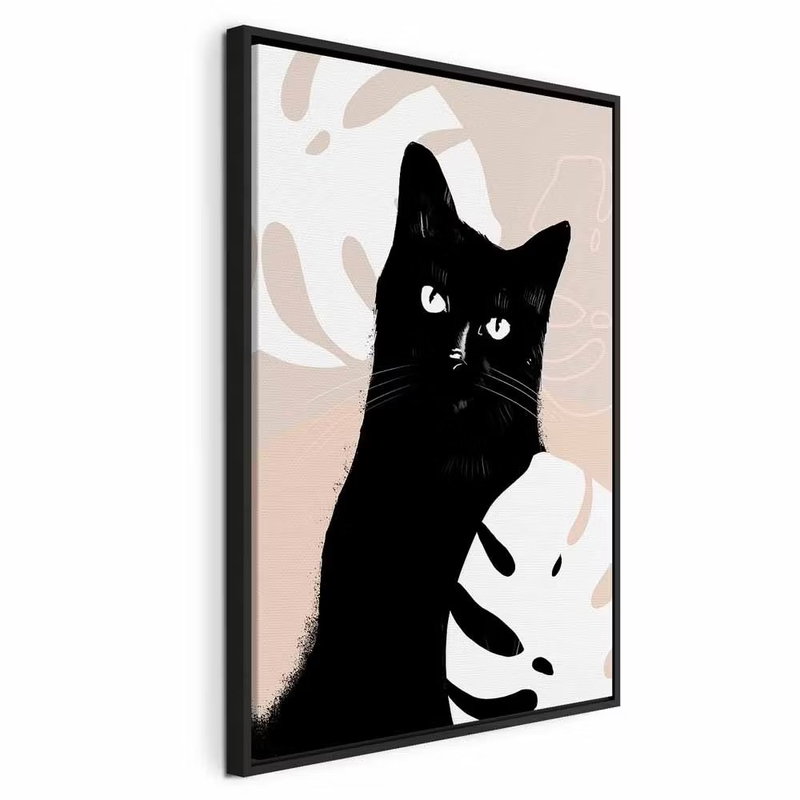
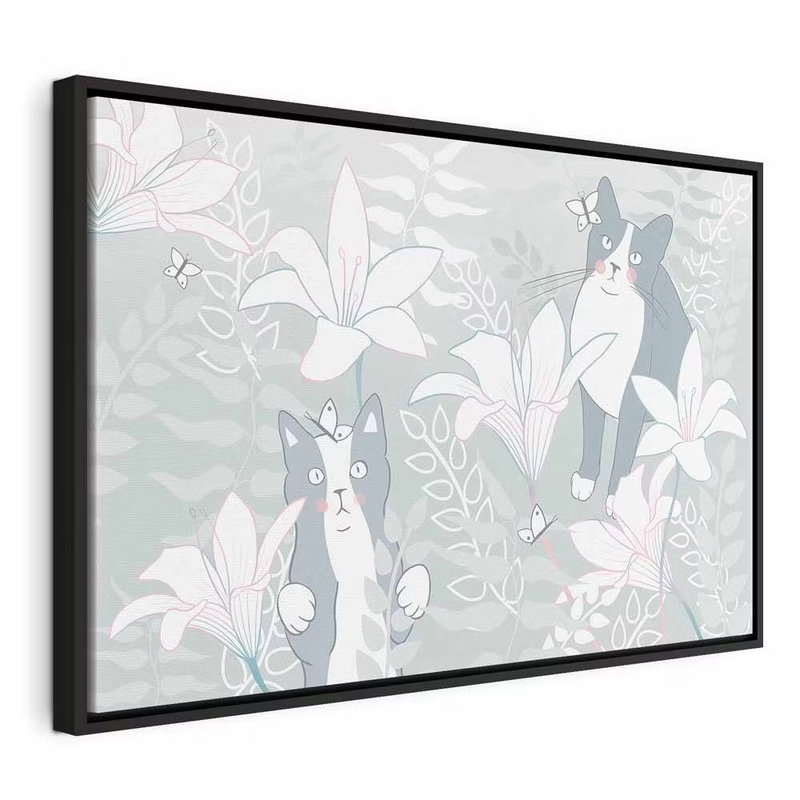
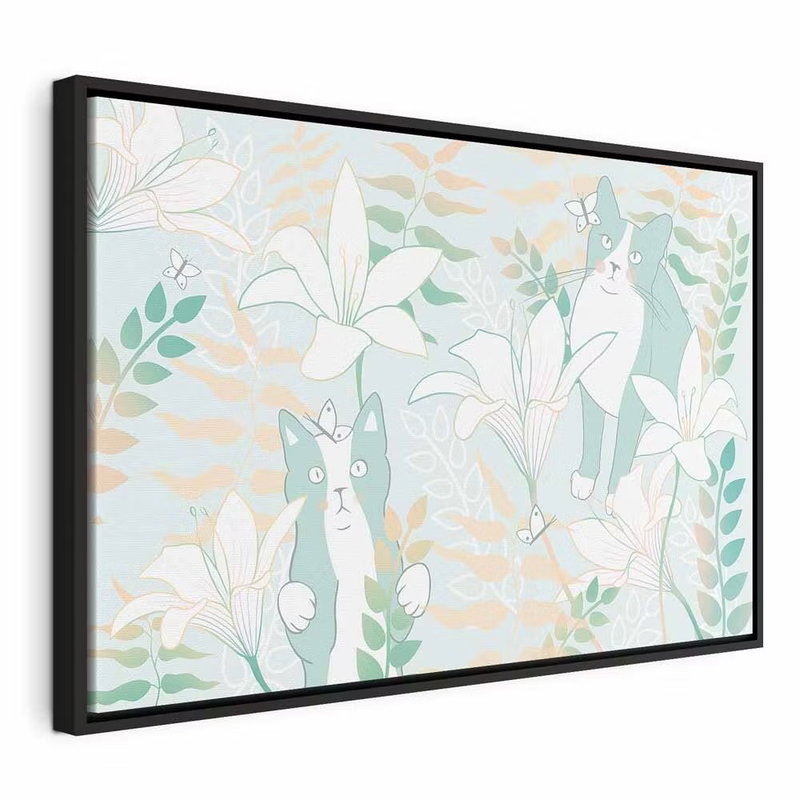
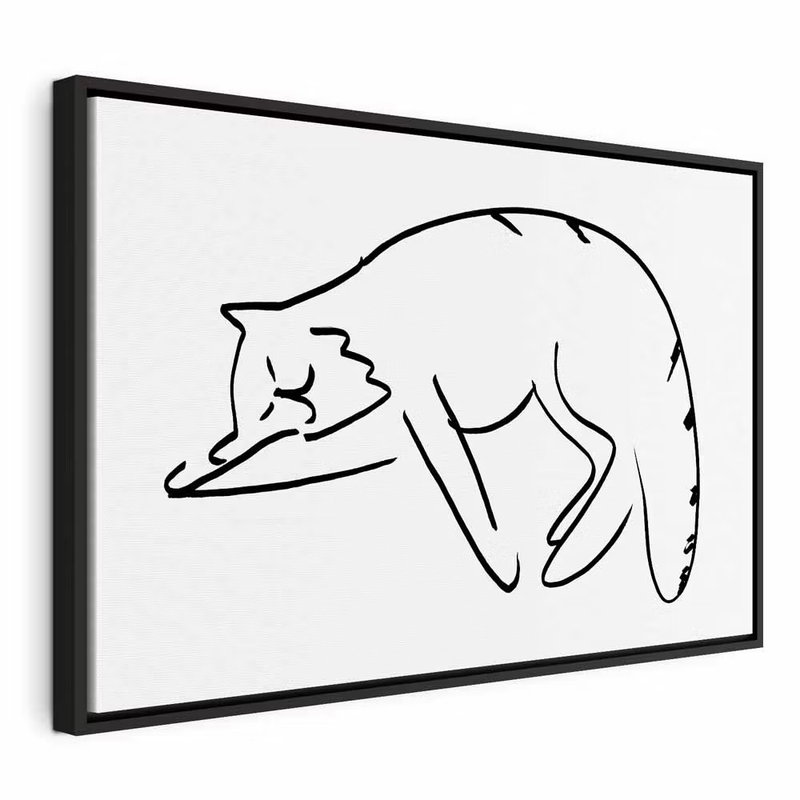
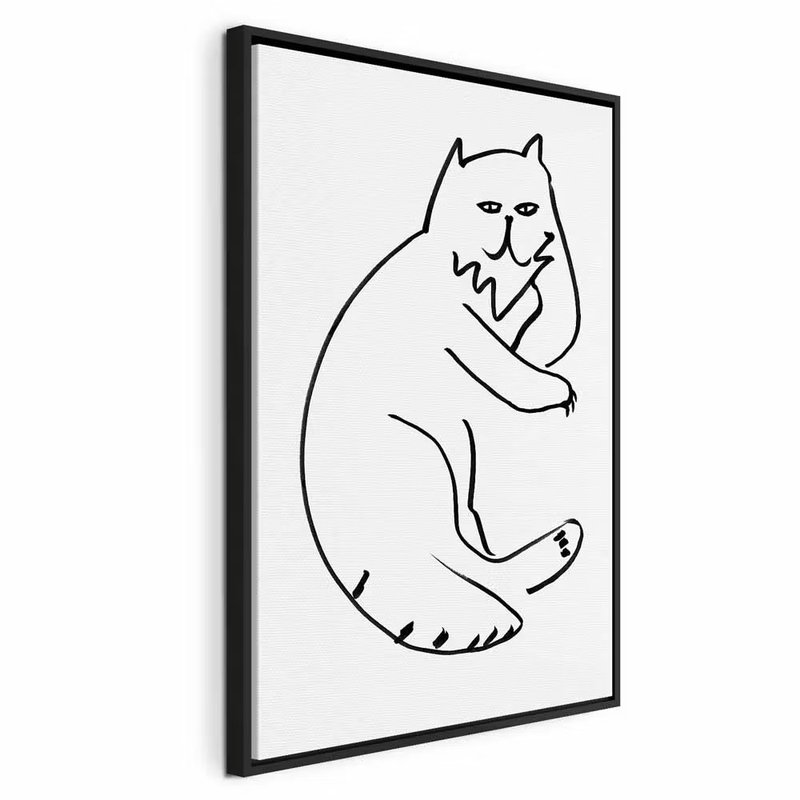
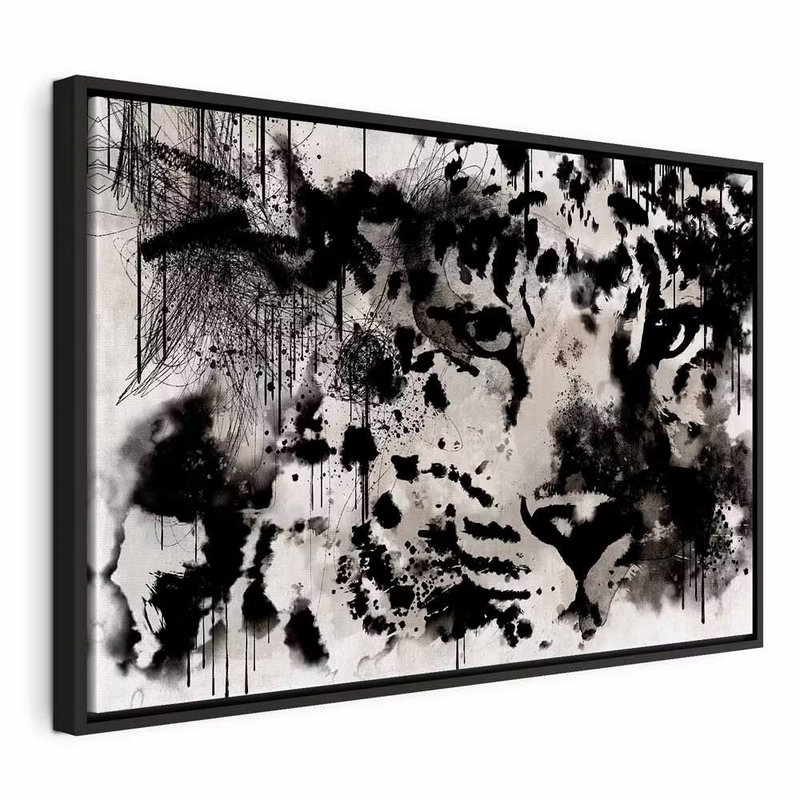
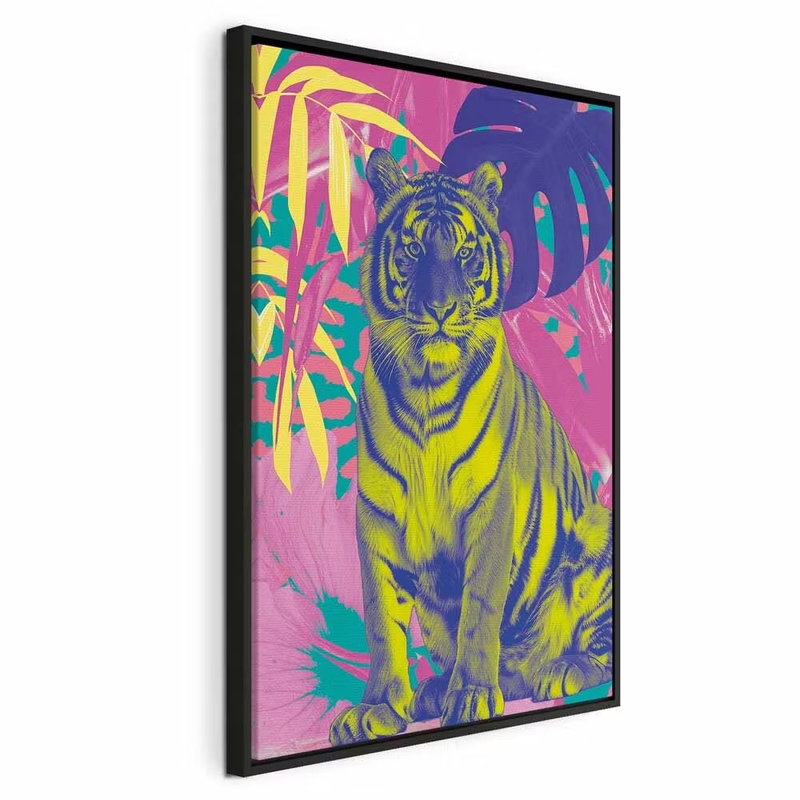
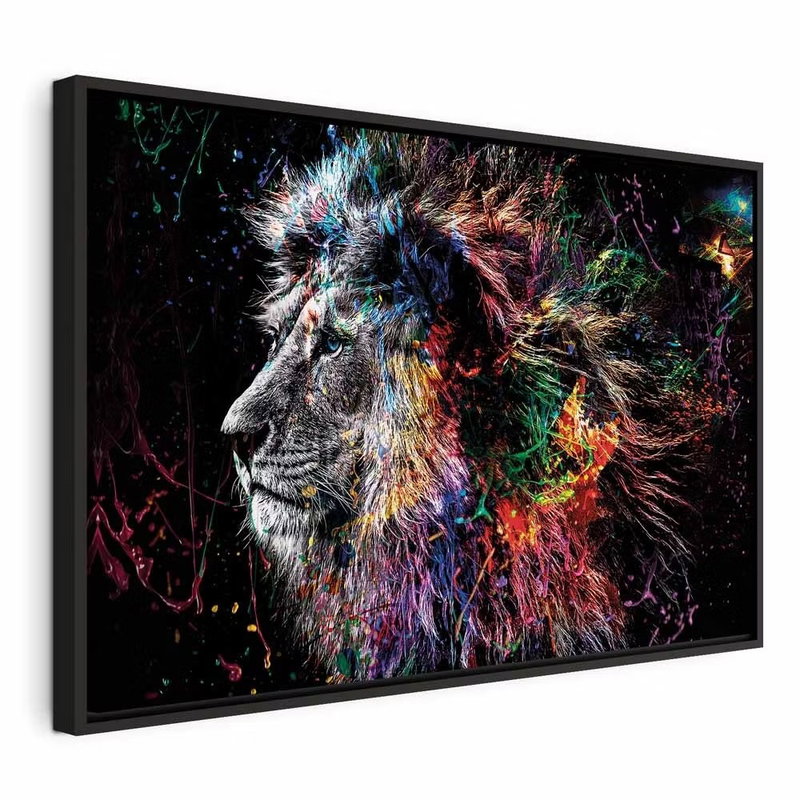
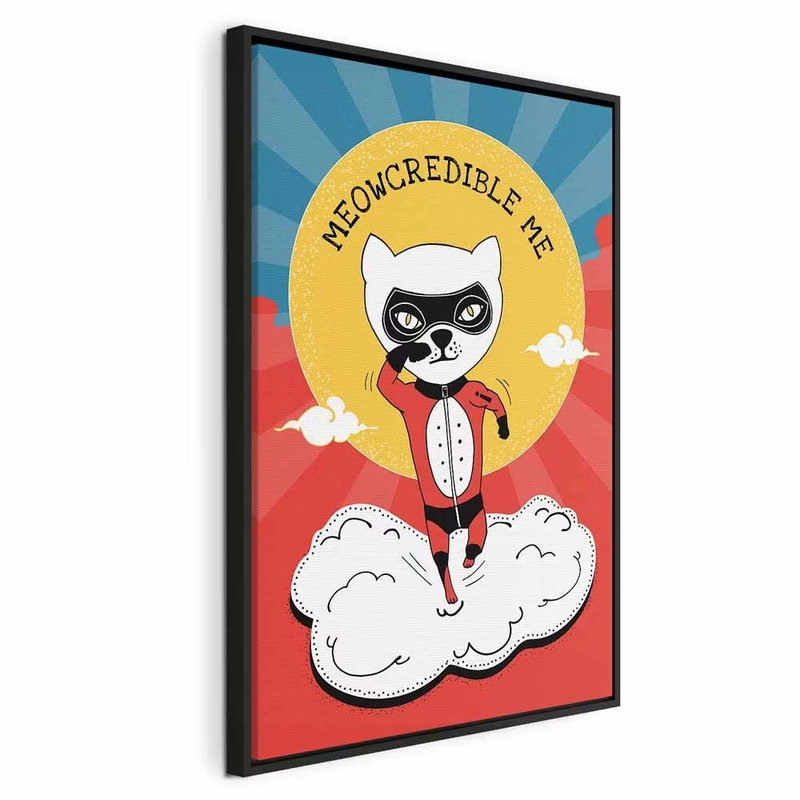
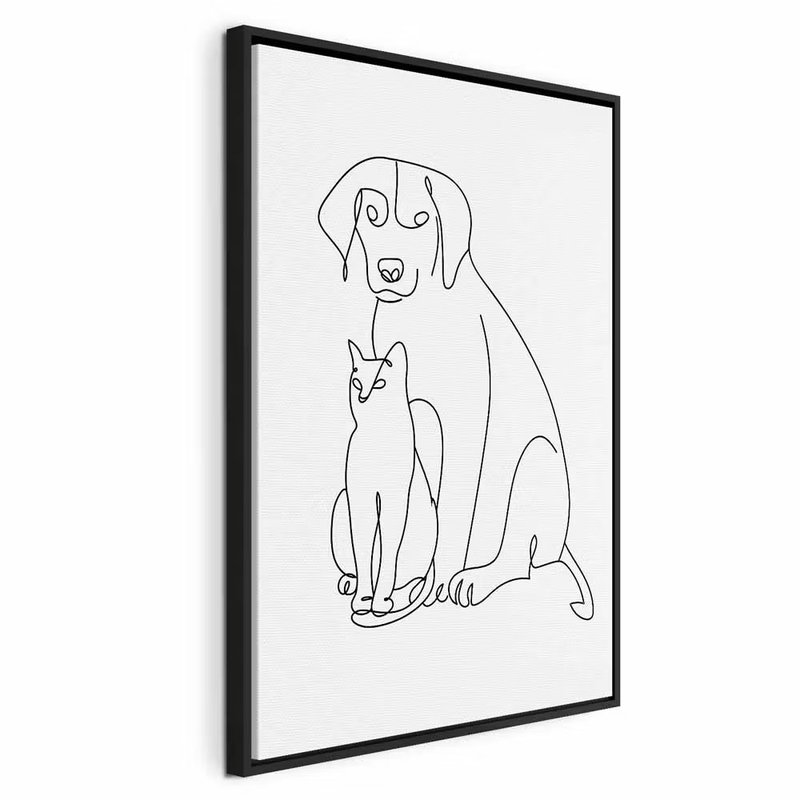
The selection includes familiar cats as well as larger felines such as lions and tigers. Some pictures show the animal close up, with eyes, nose and fur as clear details. Others use simplified lines, flowers or strong colours to create a more illustrative expression. There are also playful figures for those seeking a picture that tells a story.
Choose the subject's tone as carefully as the animal. A black-and-white lion pair can feel different from a colourful tiger or a sleeping cartoon cat. They share an animal connection but suit different visual ideas. Look at the whole picture before comparing frames and sizes.
Gaze, profile and viewing distance
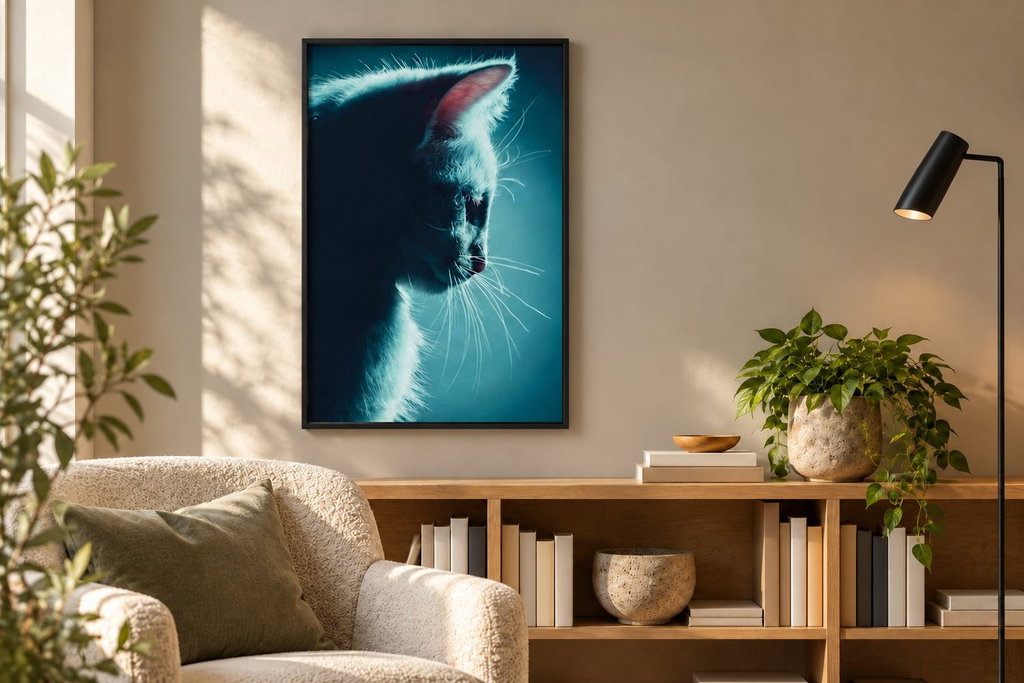
An animal looking straight ahead meets the viewer differently from a cat in profile. Dark backgrounds and defined light can bring out the silhouette, while a pale line drawing leaves more room for the wall's colour. Consider where in the room the subject should first catch the eye.
Small details such as whiskers and eyes are best appreciated closer up. A larger silhouette or clear colour shape may be easier to read from across the room. Let the usual viewing position influence the format, and check the dimensions offered on each product page.
The frame as part of the animal portrait
Pictures in this group have a visible outer frame. It can pick up black lines, dark fur or other recurring details in the subject. A frame also needs to work with furniture, lighting and neighbouring pictures. Compare the actual frame choices for the product you select.
If several feline pictures will form a group, shared background tones can connect them without identical subjects. Leave space between frames and measure the wall together with the furniture's width. Combine picture types thoughtfully so a tightly cropped portrait does not overwhelm an airy illustration.
Cat subjects and sound absorption on one wall
The animal is the printed subject; the sound-absorbing construction behind it can help reduce reverberation within the room. The amount of absorbing area needed varies with room size, other materials and use. Choose placement with both the interior and the actual sound environment in mind.
Read the product's construction, hanging and care information before installation. Use fixings suitable for the wall material and picture weight. A framed feline picture can form part of the room's acoustic treatment, but it does not replace sound insulation between rooms.