








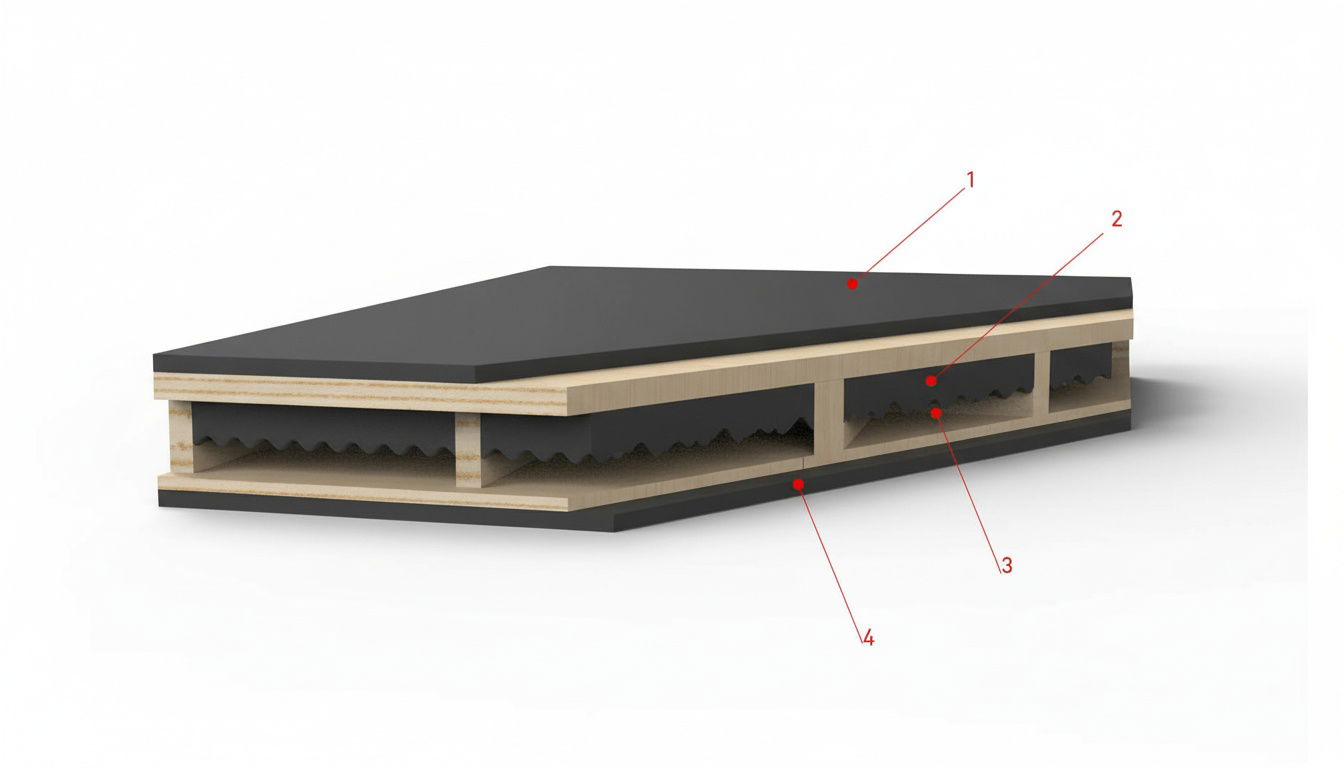



Floor vibration damping – reduces vibrations
Reduce structure-borne noise and shaking through the floor structure in homes
In homes, the floor is a common transmission path for vibrations generated by machinery, installations, or everyday movements. When vibrations are transmitted through the floor structure, they can be perceived as disturbing noise or shaking in adjacent rooms. Floor vibration damping aims to limit this transmission and thereby reduce structure-borne noise in the home.
What does floor vibration damping entail?
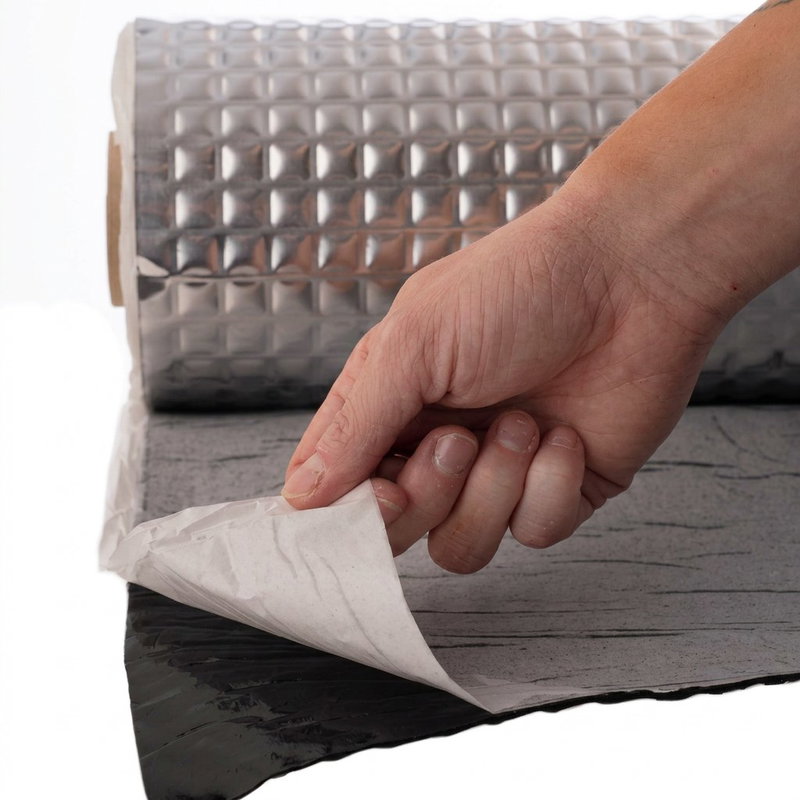
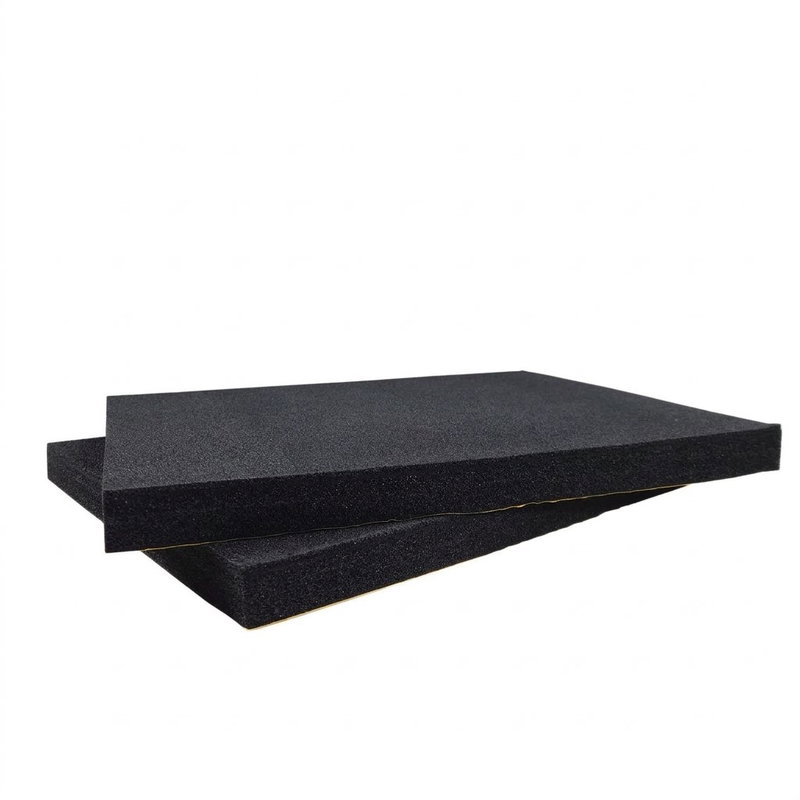
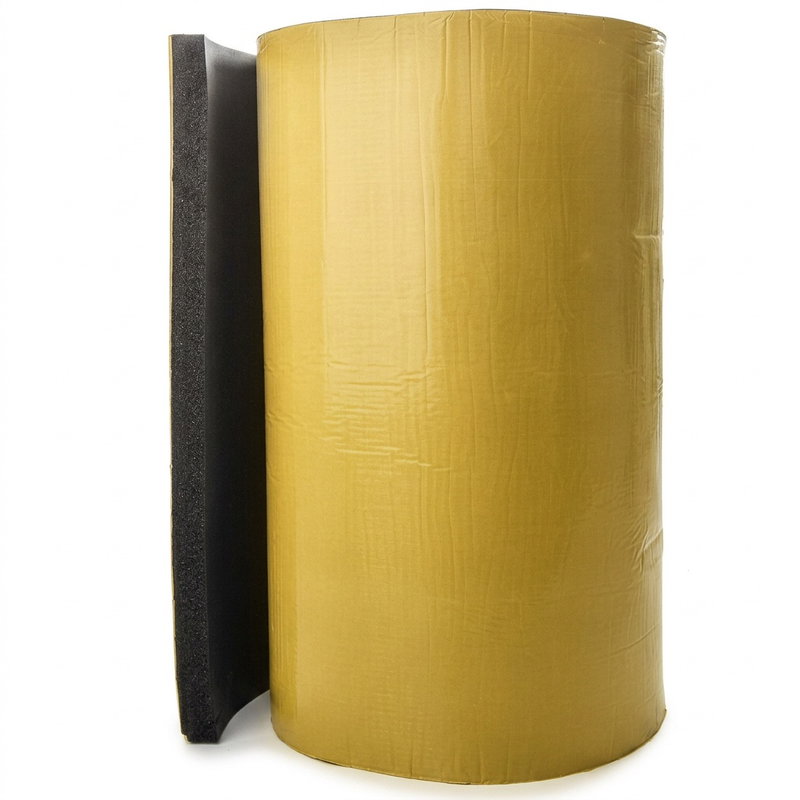
Floor vibration damping involves reducing how mechanical movements are transmitted from a source to the building’s structure via the floor. Unlike sound insulation, which blocks airborne sound between rooms, and sound absorption, which reduces reverberation within a room, vibration damping focuses on reducing the vibrations themselves within the structure. The measure is often targeted at contact points where vibrations are transmitted.
Common problems associated with floor vibrations
In homes, floor vibrations often originate from washing machines, dryers, heat pumps, or other technical equipment placed directly on the floor. Even movements, footsteps, or furniture can cause recurring vibrations that spread through the floor structure. These issues are often perceived as a dull hum, shaking, or disturbances that are more noticeable at night.
How do vibrations spread through the floor?
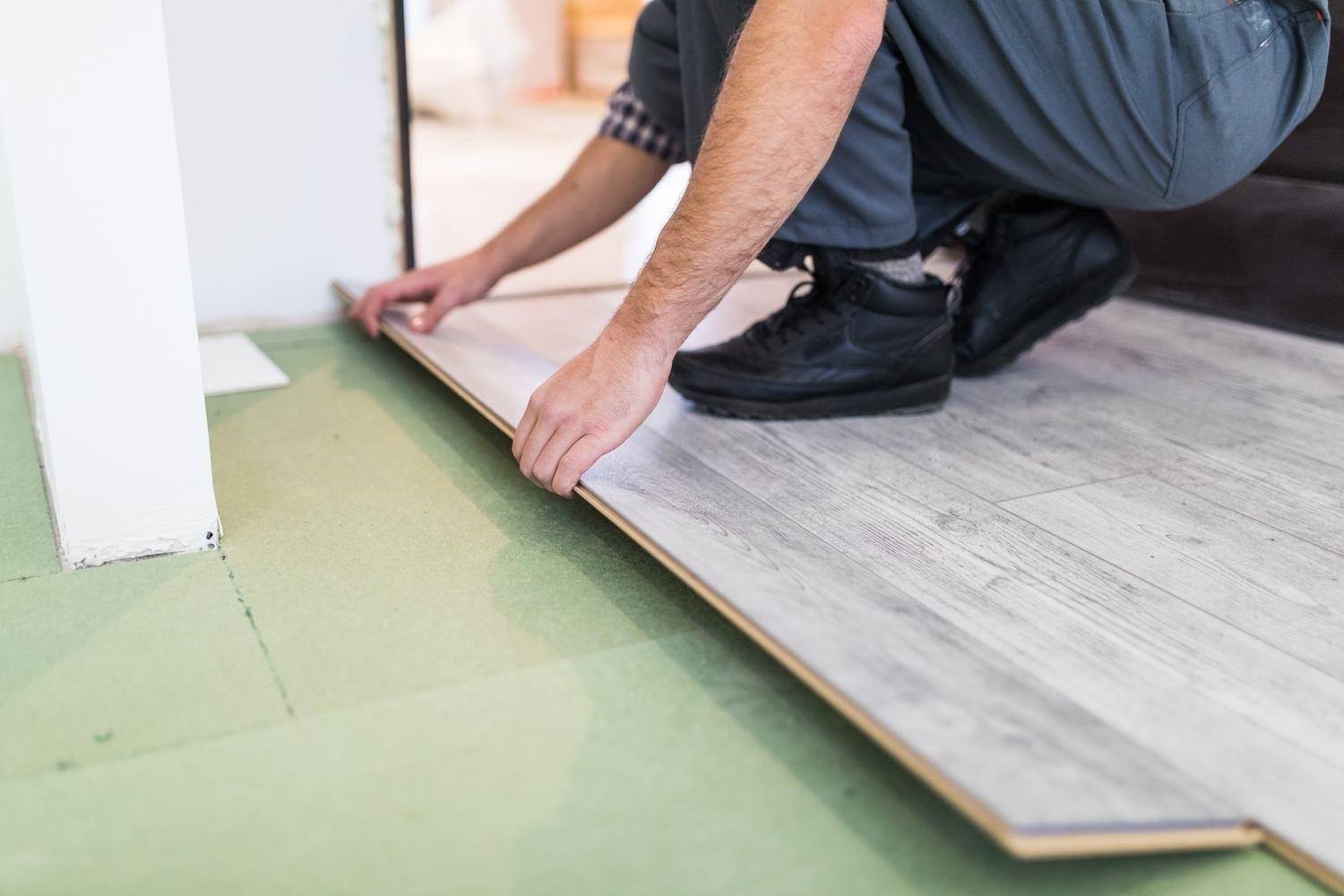
When a vibration occurs, the motion is transferred from the floor surface to the floor structure and on to the walls and ceiling. This means the disturbance can be felt in multiple rooms, even if the source is localized. The floor thus acts as an effective transmission surface for vibrations within the building.
Machines placed on the floor
Operating technical equipment creates continuous vibrations that are easily transmitted through the structure.
Movement and Loading
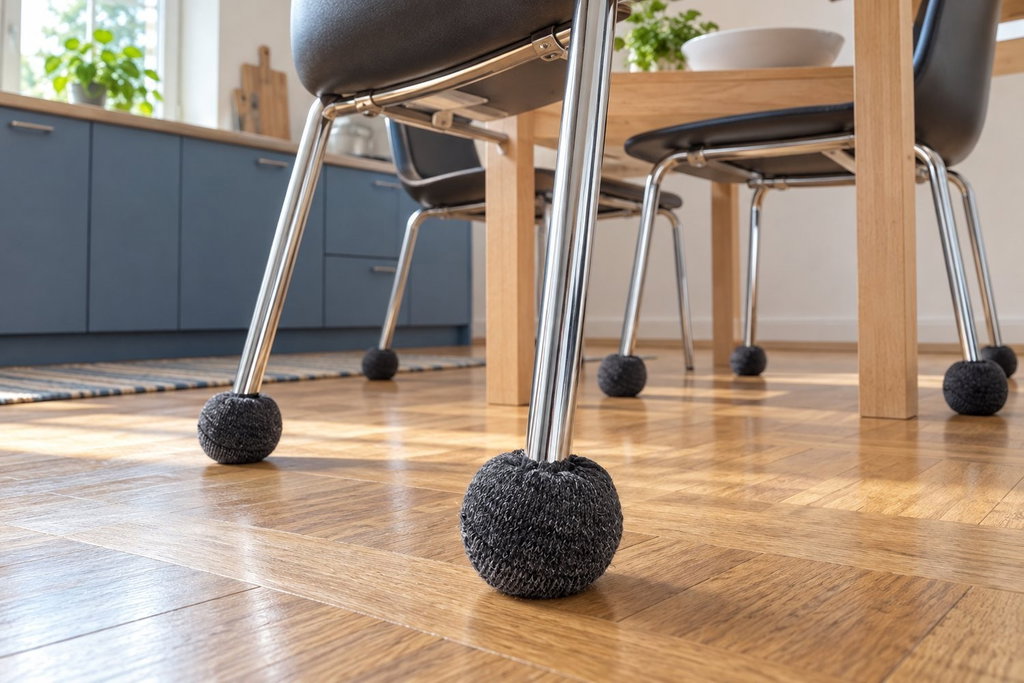
Recurring loads on the floor can give rise to vibrations that spread through the frame and floor joists.
Why choose floor vibration damping?
Floor vibration damping significantly improves living comfort by reducing low-frequency noise and disruptive shaking. This measure is often crucial for problems that cannot be solved with sound insulation or sound absorption alone. In many cases, floor vibration damping is combined with other measures to achieve the best possible results.
Well-considered advice for the best results
For the best effect, it is important to identify both the source of the vibration and how the movement spreads through the floor structure. A common mistake is to focus only on the room where the disturbance is heard, even though the problem often originates elsewhere. By interrupting the vibration transmission at the right point, a more long-term quiet and stable living environment is created.
Floor vibration damping is therefore a key measure for reducing vibrations and structure-borne noise in homes.