























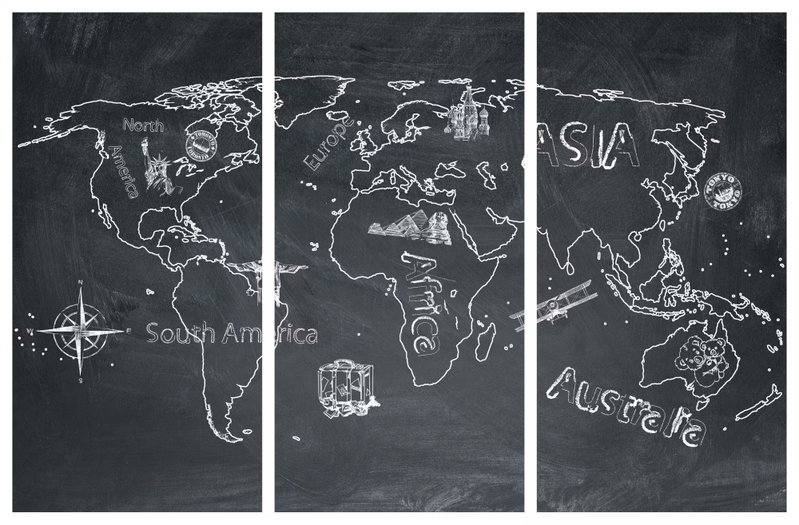





A wall surface for messages, images and absorption
Choose a noticeboard around what will actually be displayed. Small reminders, family photos, team information or a changing inspiration area make different demands on space and overview. Its acoustic function also adds absorbing material to a wall that would otherwise reflect sound.
Start with two questions: how much usable notice area is needed, and how should the wall look as information changes? A decorative image can be part of the content, but should leave enough visual calm for notes and photos to stand out. Do not choose solely by the image without notices.
Maps as a background for plans and memories
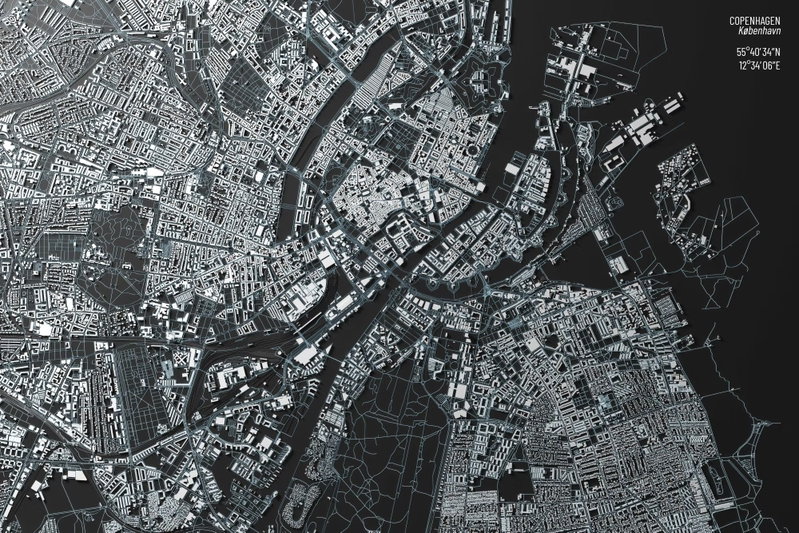
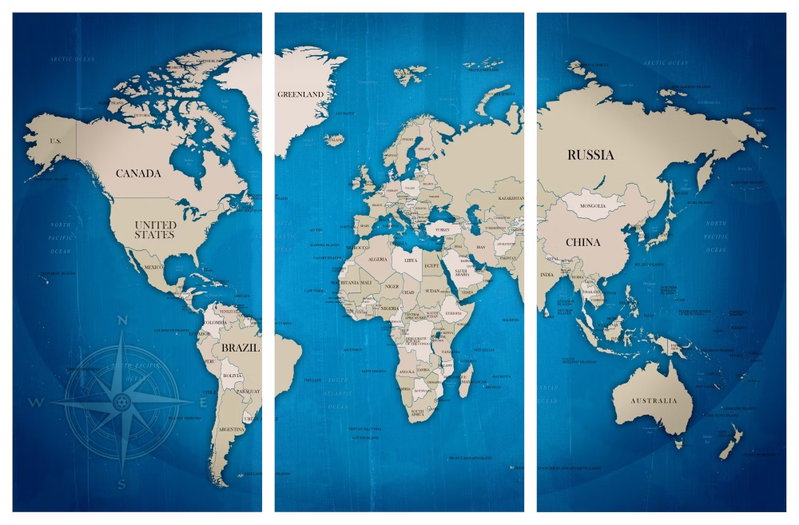
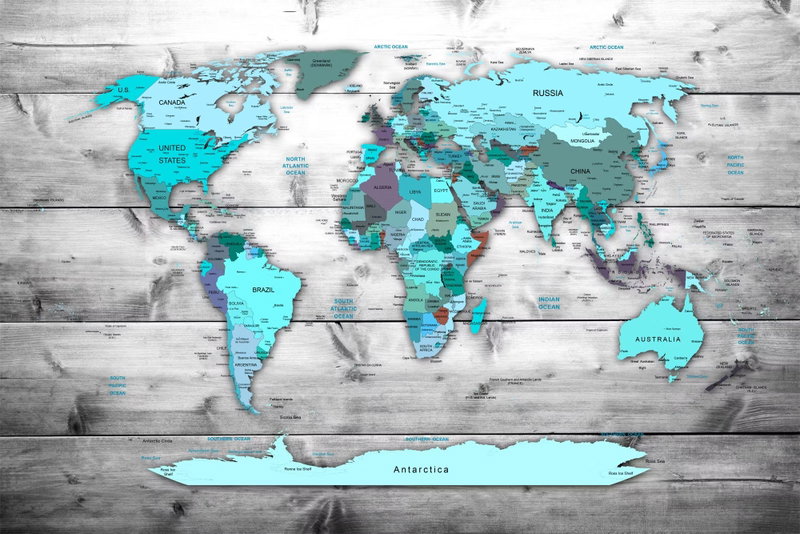
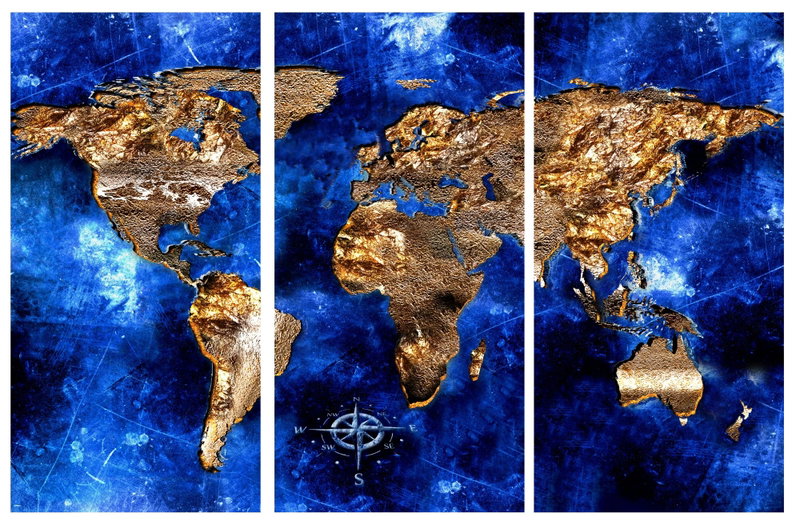
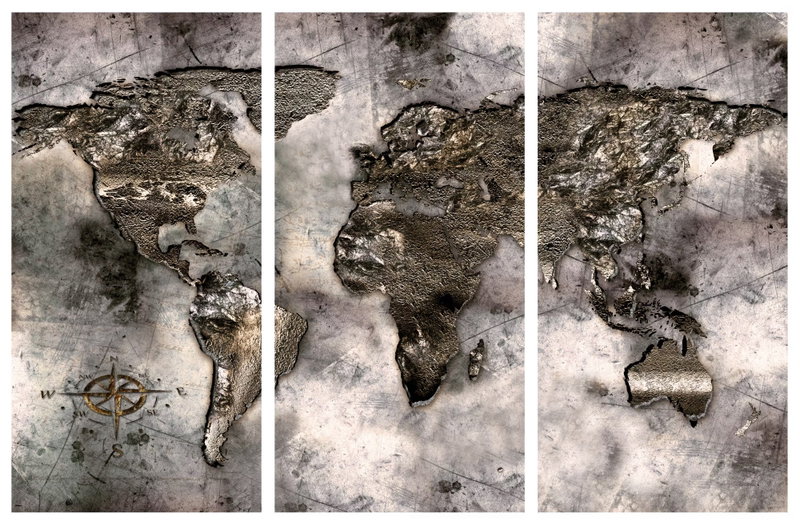
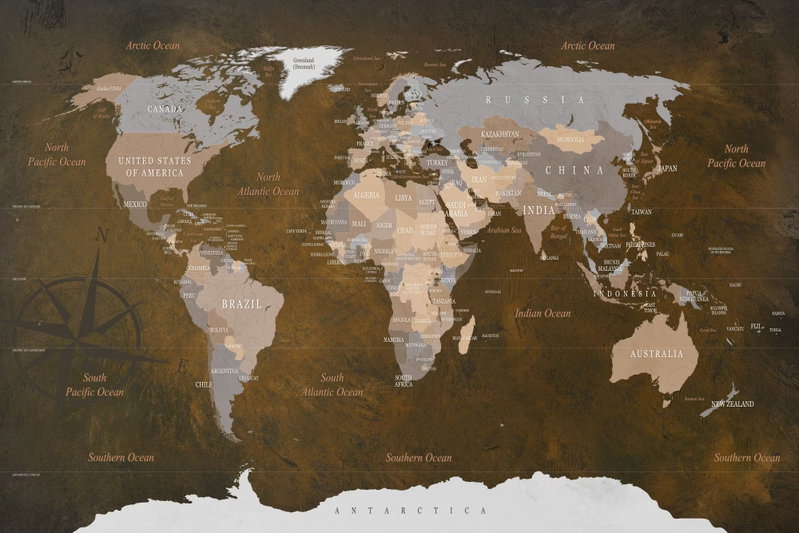
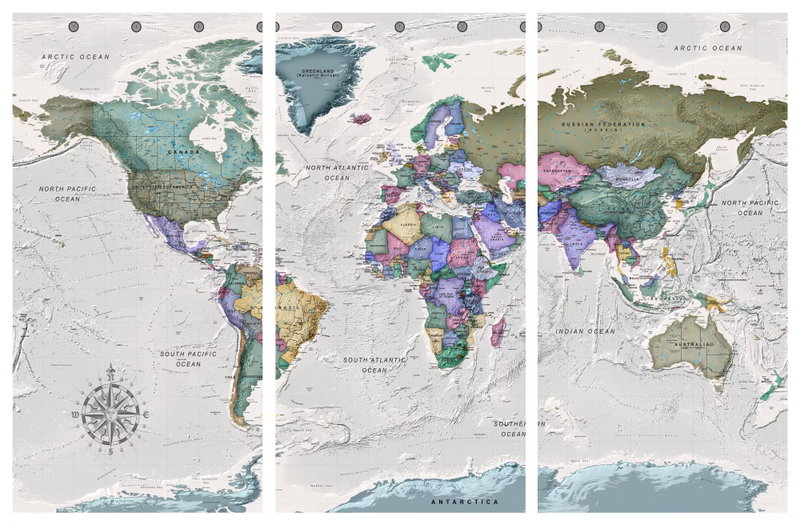
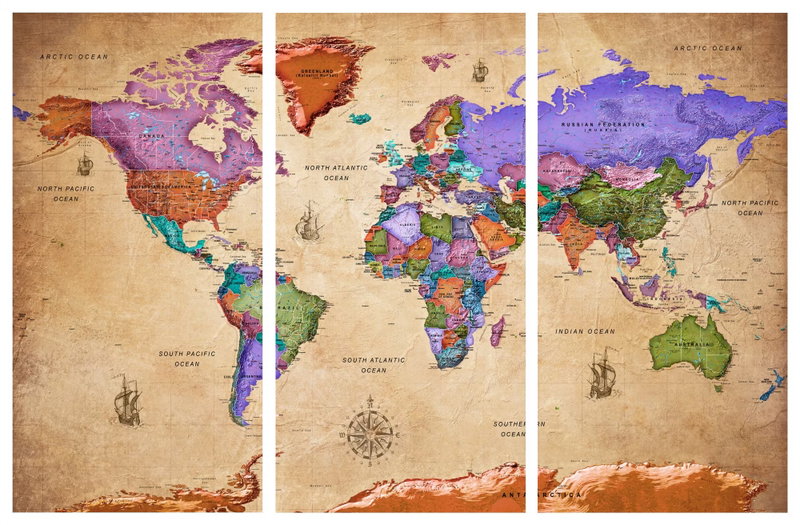
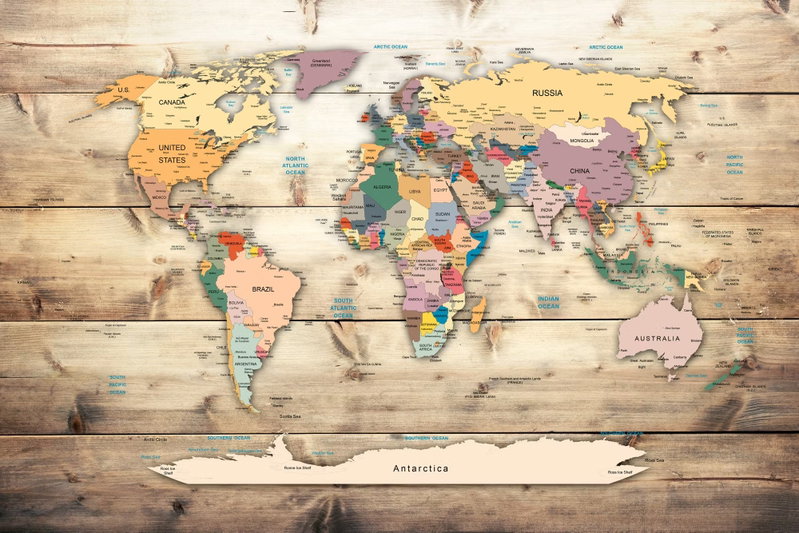
Map subjects include world maps and city maps. A world map can connect photos from different journeys or provide a decorative planning backdrop. A city map often has denser lines that need comparison with the information to be placed in front.
Assess both map contrast and the visibility of your notices. A pale note looks different against dark seas than detailed streets. Choose by the actual content and format; a decorative map is not automatically current or to scale for geographical planning.
Other subjects and different noticeboard formats
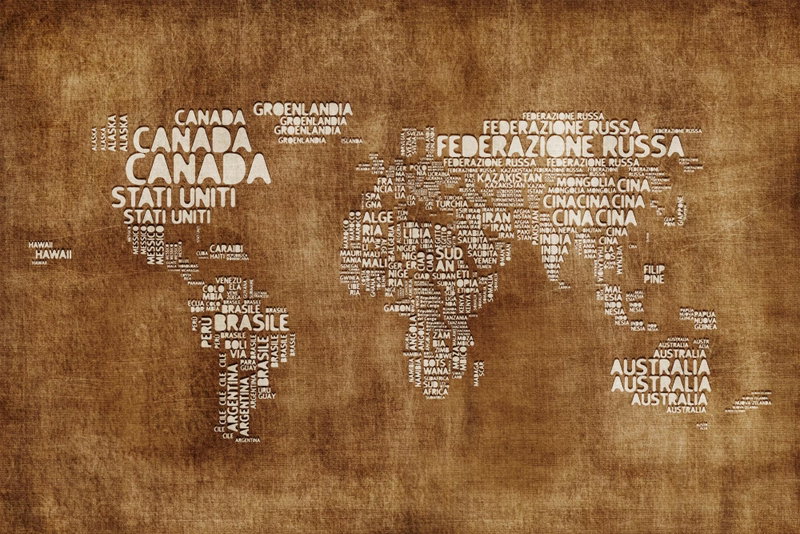
Other images can make the information area more personal through a tree or decorative composition. Consider what should remain visible in use. A central detail may be left clear while smaller notices gather in a quieter part of the image.
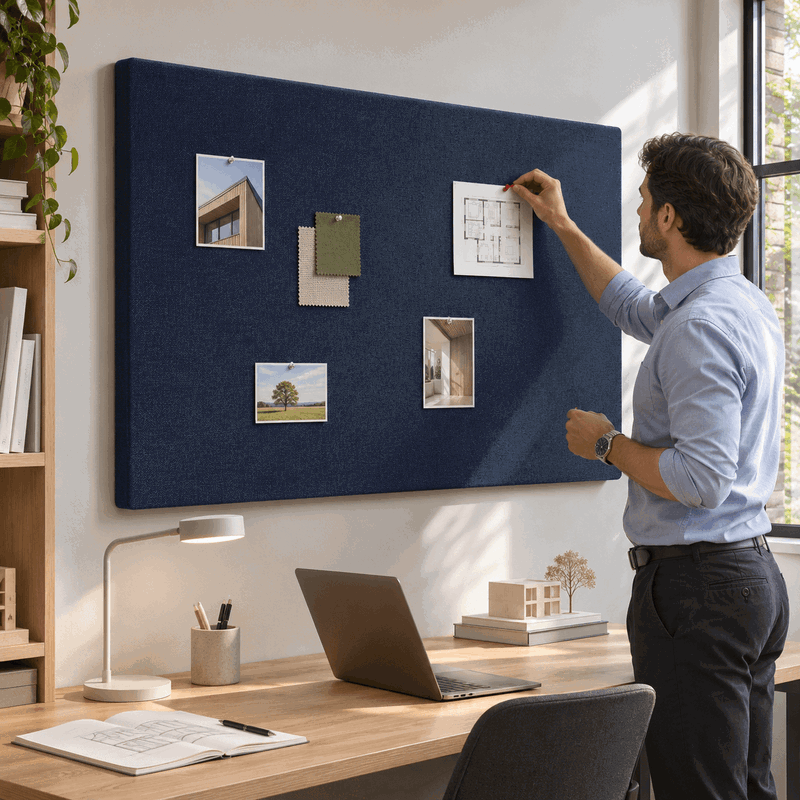
The main category also includes SilentDirect Bulletin, whose fabric-covered noticeboard format differs from the printed image boards. Materials, thickness, sizes and care must not be generalised from one product to the whole category. Compare the model information that best matches your intended use.
Choose dimensions around real documents and photos
Lay out examples of your usual notices and measure their combined area. Allow movement and additions without crowding everything. Outer dimensions alone do not determine readability: document formats and viewing distance matter too. Consider leaving space for new messages added at short notice.
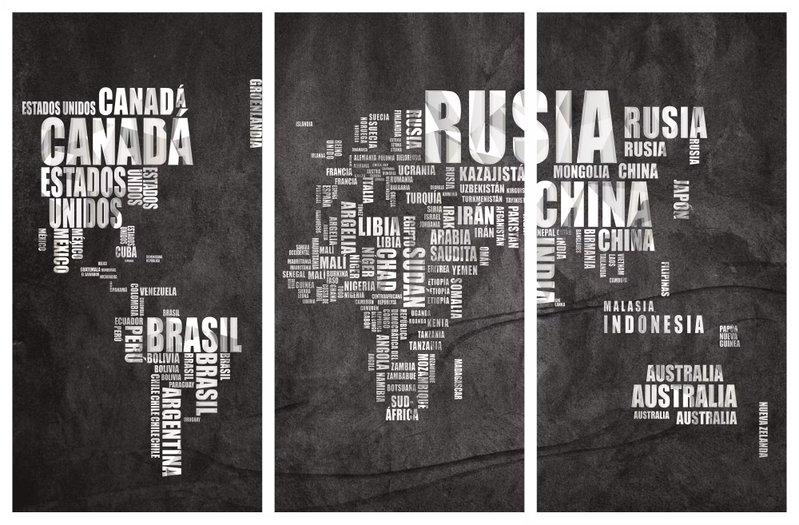
One continuous board provides a unified background, while several image parts require gaps and separate hanging points. Check how dimensions are stated for the product. Position recurring information where it can be read and changed without furniture blocking access.
When the noticeboard forms part of an acoustic solution
In an office, home workspace or shared information corner, the board can be one of several absorbing surfaces. Its construction can take up some sound that reaches it and help reduce reverberation. The noticeable contribution depends on construction, placement and the total absorbing material.
Information and decoration do not make it a sound-insulating partition. Limiting neighbours’ noise or transmission to another room needs a different assessment. Describe use and other surfaces when seeking help with quantities, so that notice function and acoustic need can be considered together.
Installation and ongoing use
Follow the model’s hanging and pin-use guidance. Match fixings to wall material and product weight. Check room for changing notices, particularly above desks or storage where reach may be limited.
Consider surface care when comparing formats. Printed polyester fabric and fabric-covered Bulletin products need their own instructions. Remove outdated notices and distribute content to keep both image and current information readable. The board can then serve everyday use while its absorbing construction remains on the wall.