



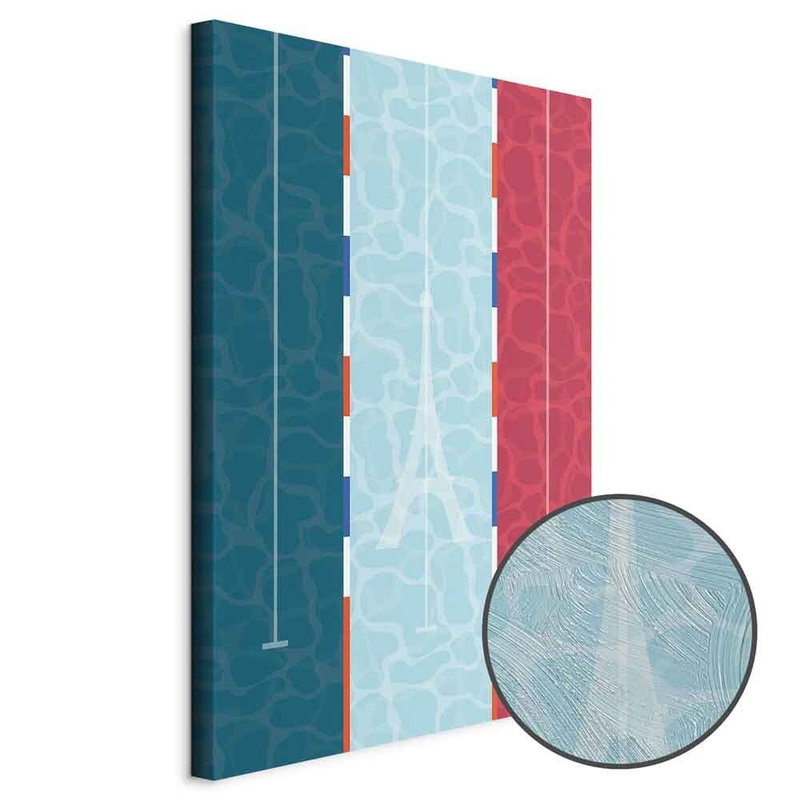
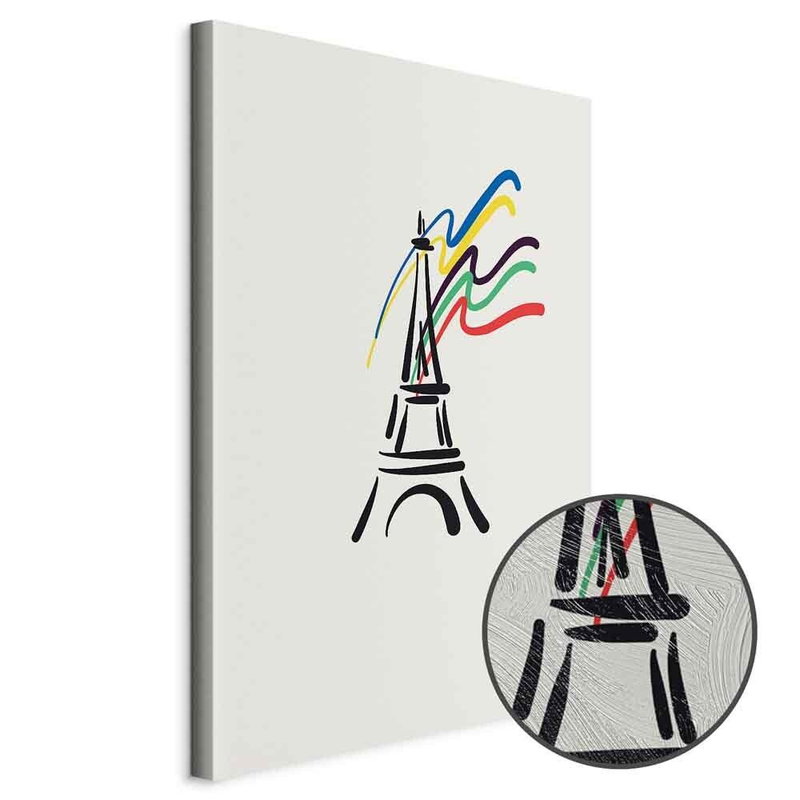
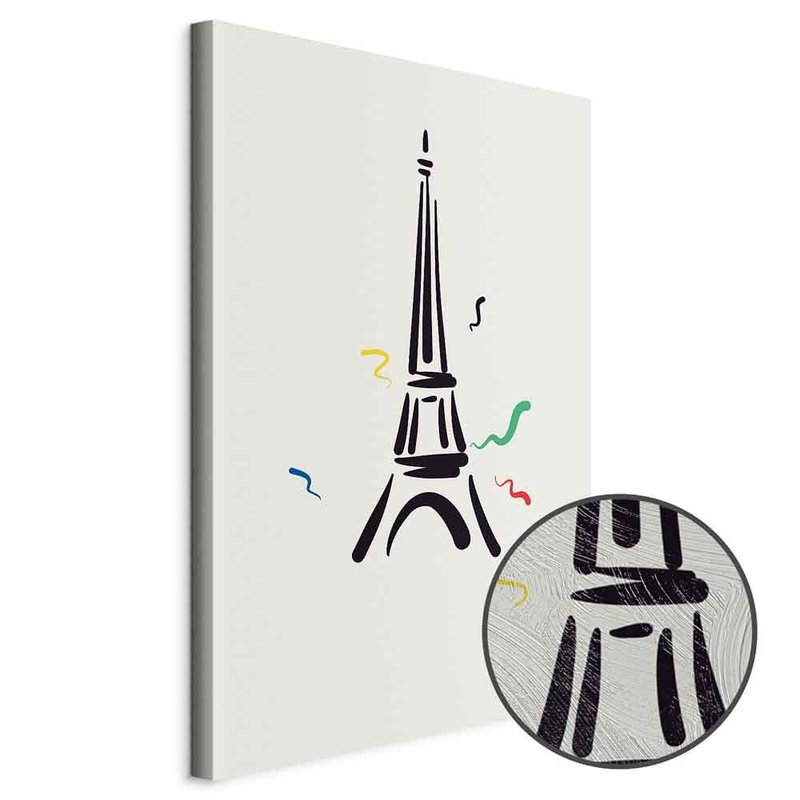
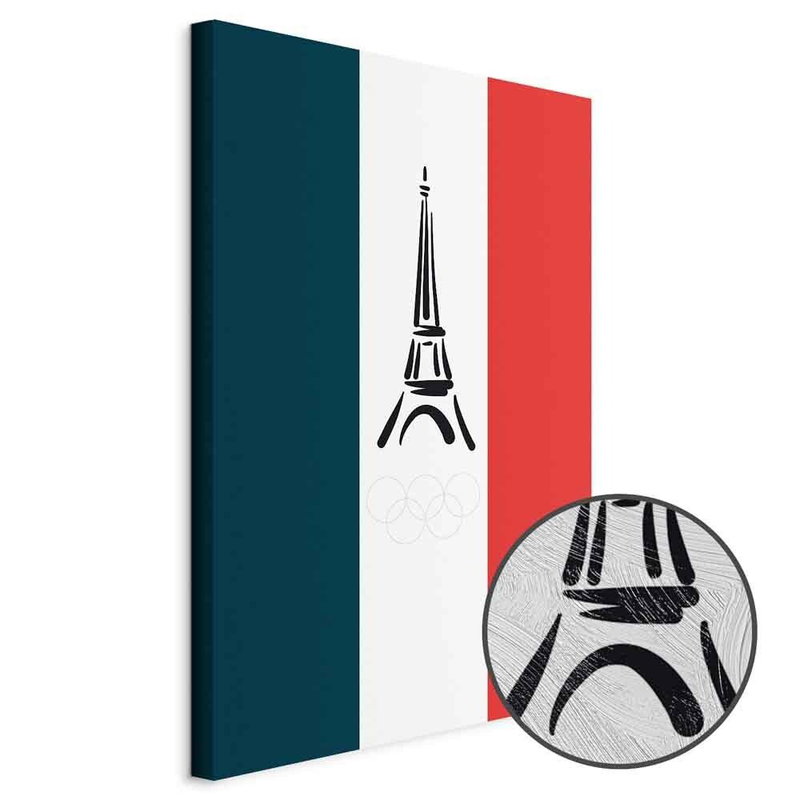

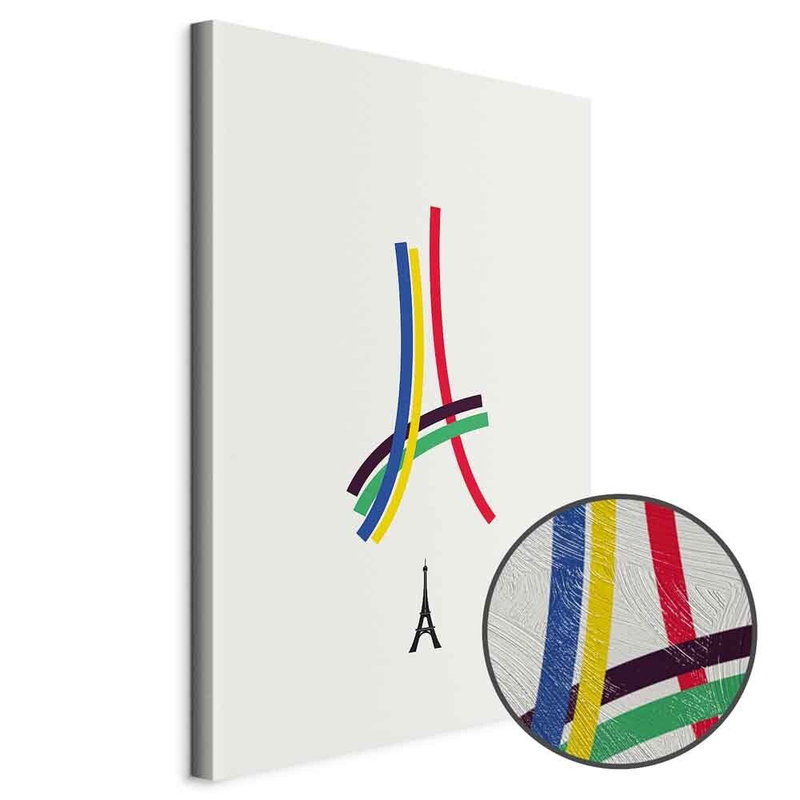


The landmark as the image’s clear main form
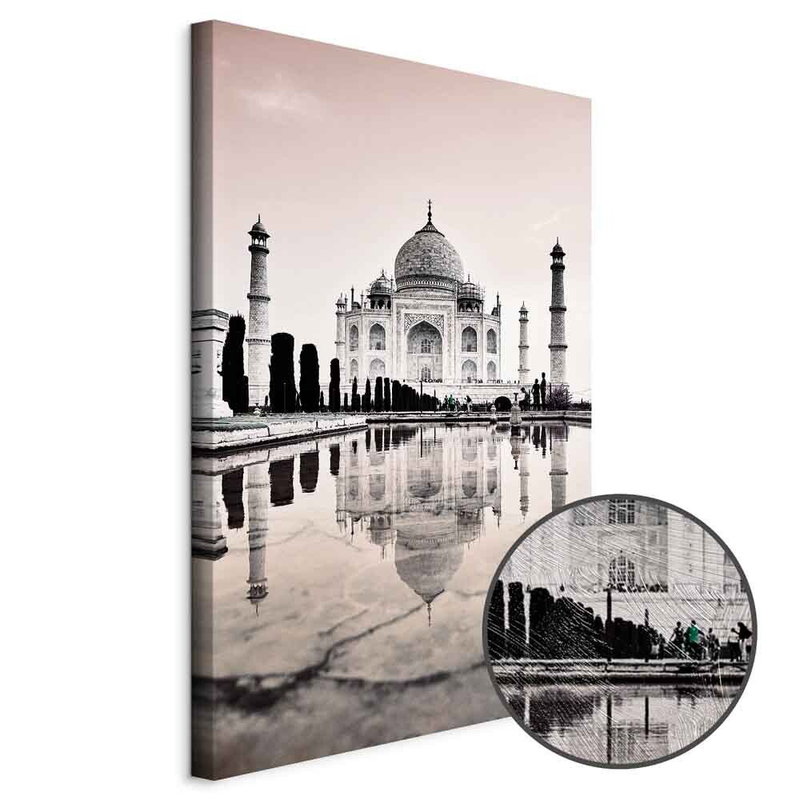
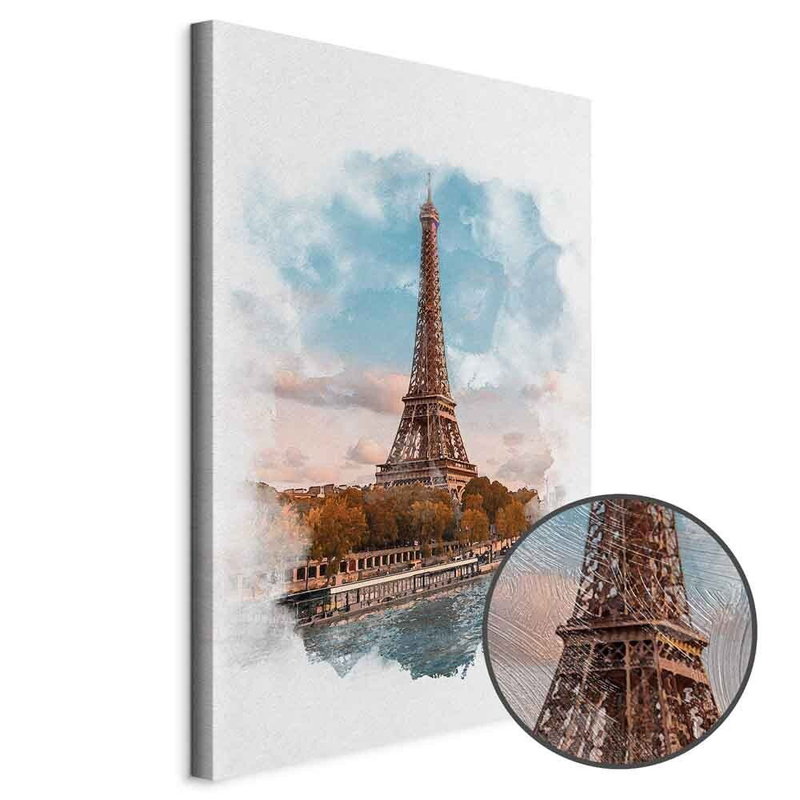
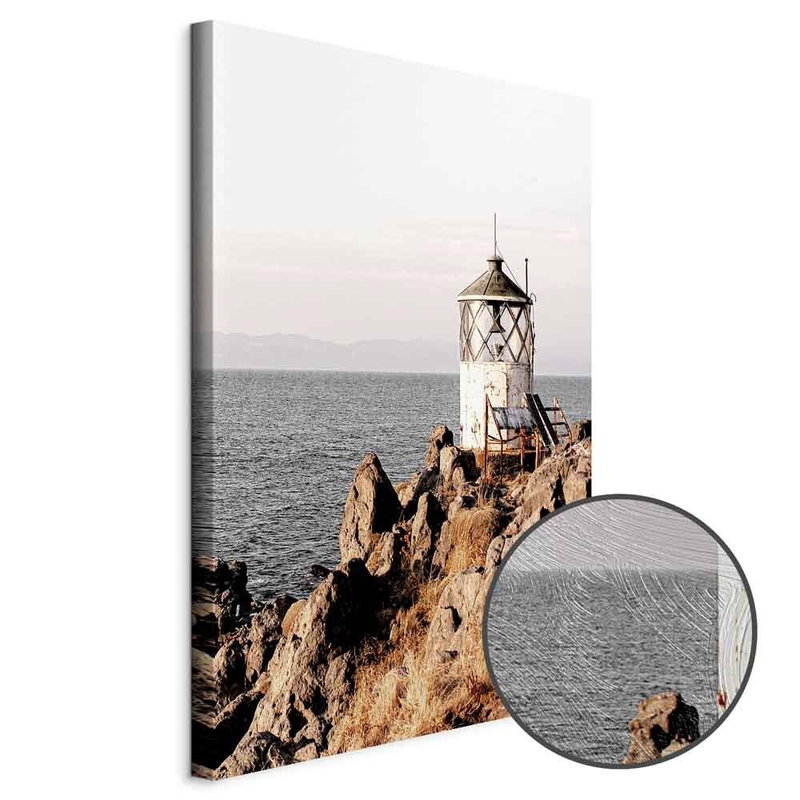
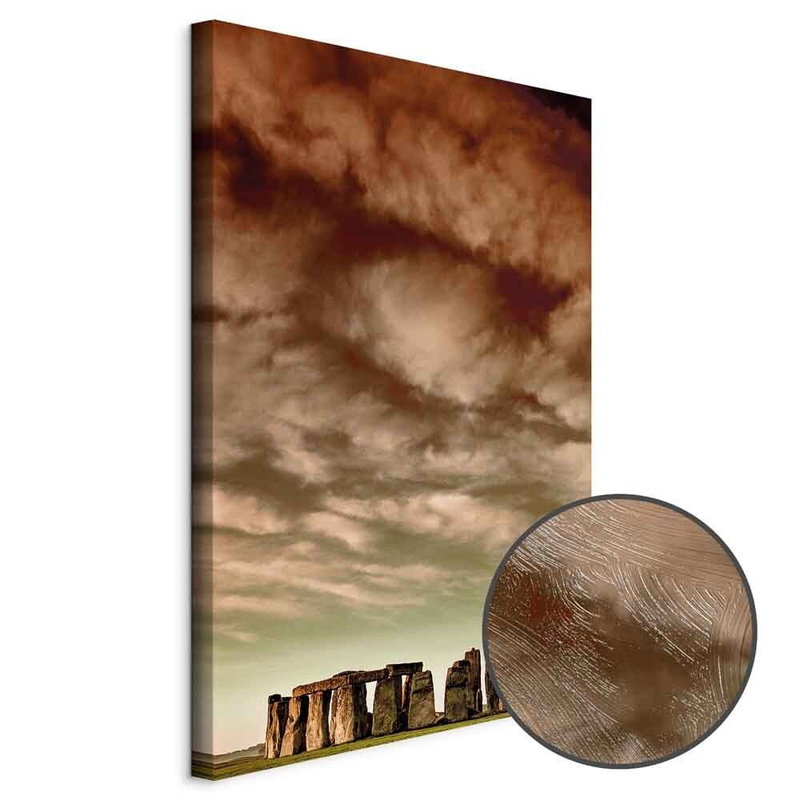
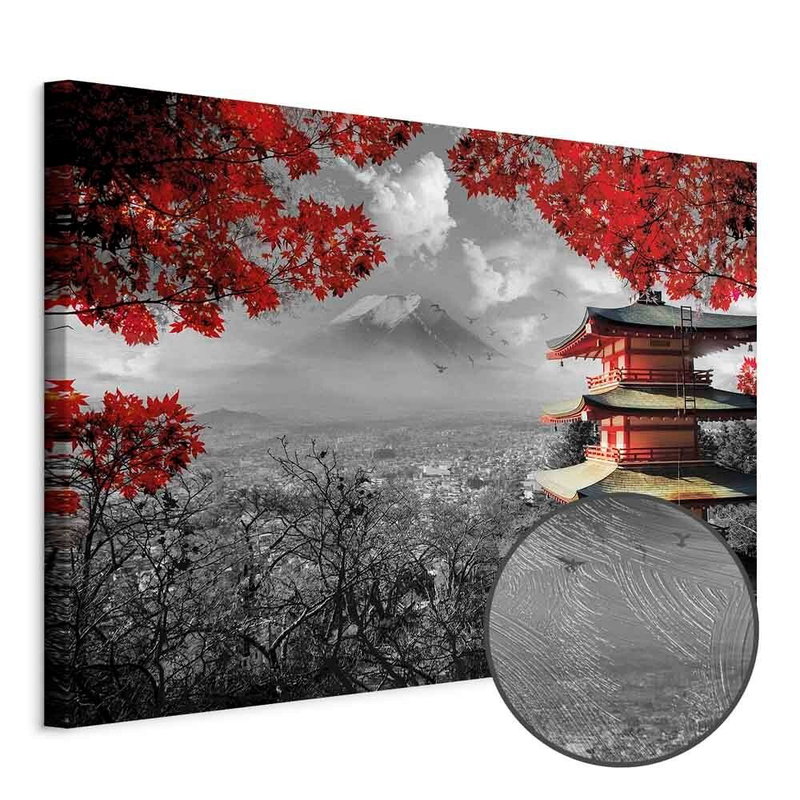
The Eiffel Tower’s outline and the Taj Mahal’s dome give the pictures very different rhythms. A slender tower can create a strong vertical, while a building reflected in water forms a more balanced whole. Other subjects show a coastal lighthouse, a stone monument or a pagoda within a wider landscape. Choose between an isolated focal subject and an image where vegetation, sky and surroundings contribute to its character.
When the city name becomes part of the graphic
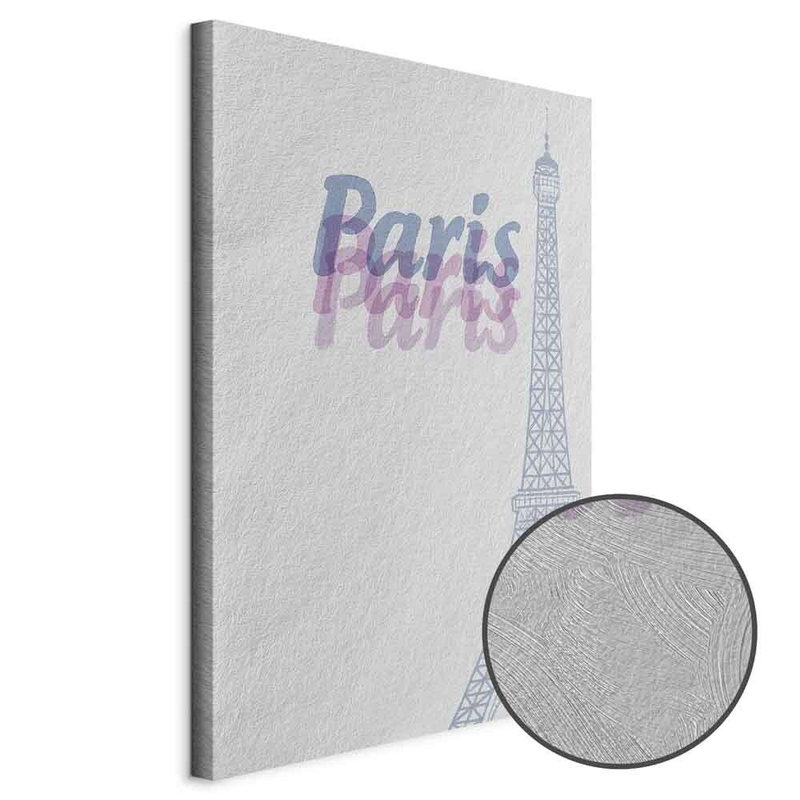
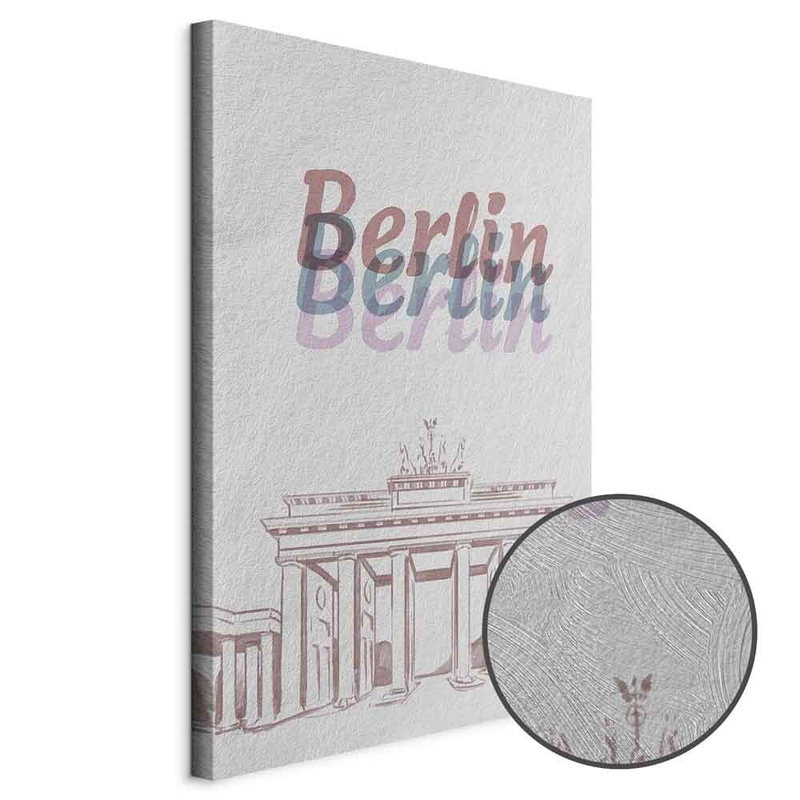
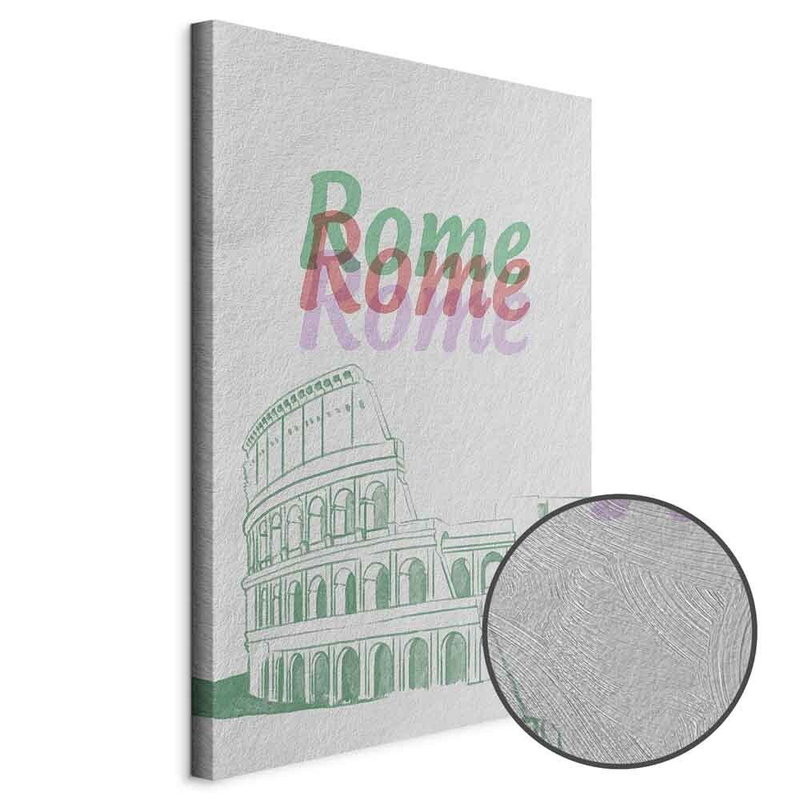
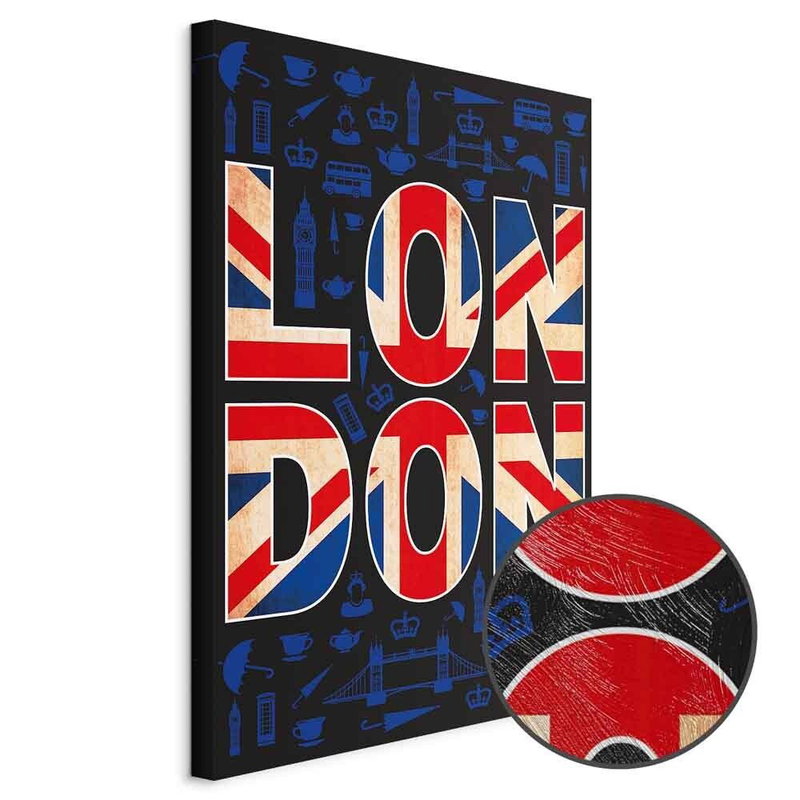
Paris, Berlin, Rome and London appear as visible words in different compositions. Some posters combine the name with a fine building drawing, while another lets large letters and flag colours dominate. Read the text in the actual product image and compare colours, letter shapes and background. The shop’s language setting does not change the words printed in the image itself. Choose according to how the depicted text works in your room too.
Monumental views and close architectural crops
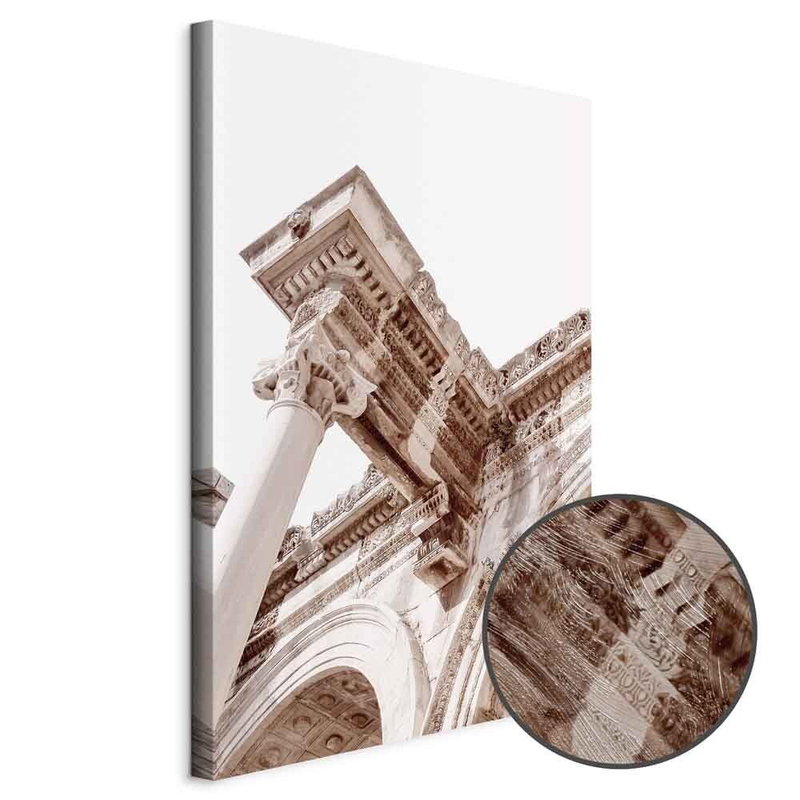
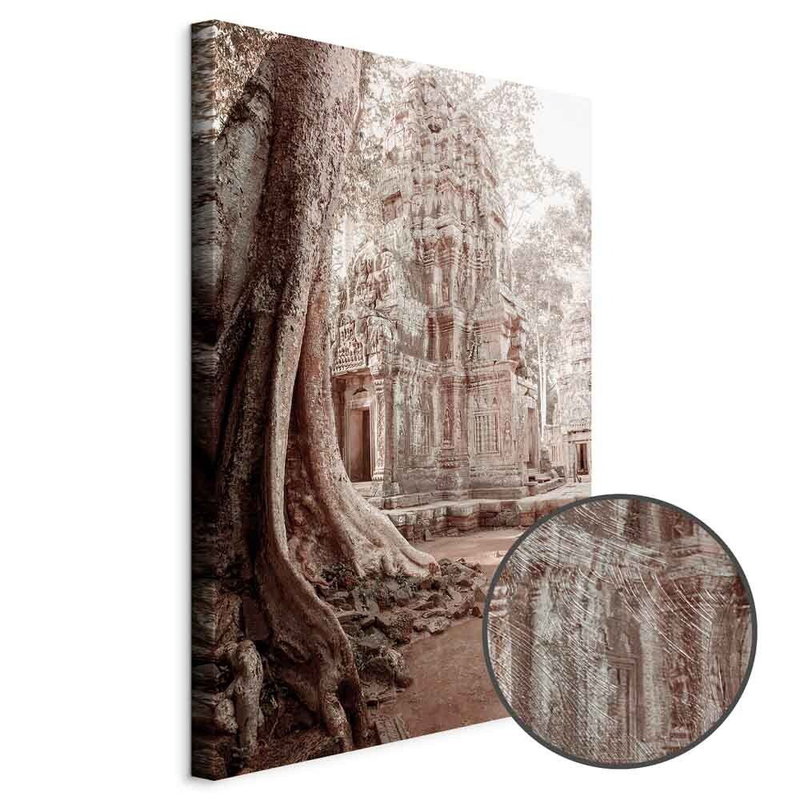
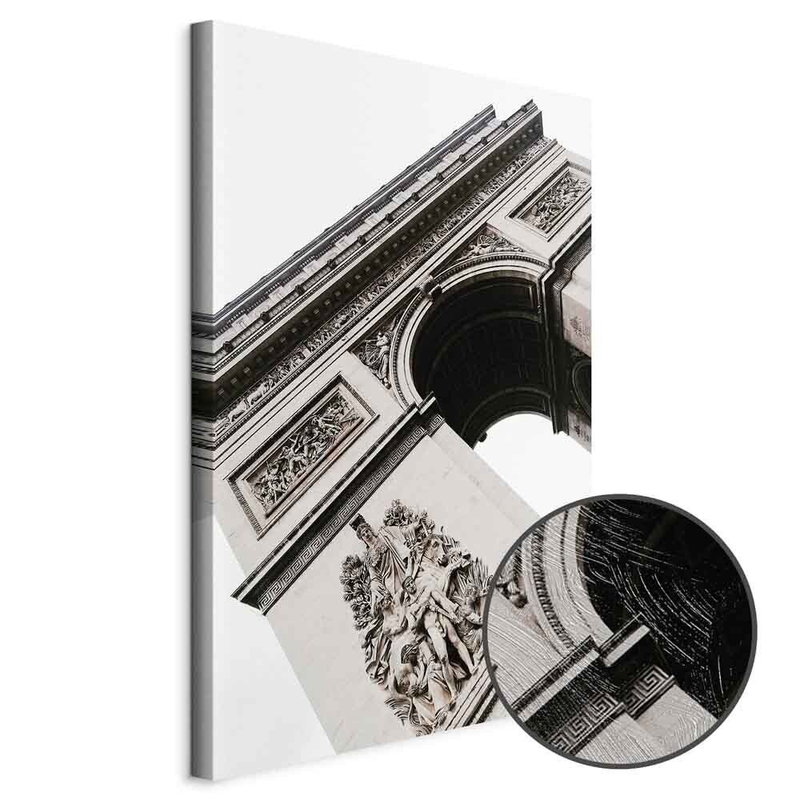
A close-up of an arch or column reveals material lines and ornament differently from a distant building in a landscape. Roots around a ruin can create an organic character, while a black-and-white stone view emphasises contrast. Compare detail and viewing distance. Every picture need not share the same style, but a recurring tone or clear direction can help several subjects work together.
The premium surface and positioning on the wall
The premium finish uses clear gel applied by hand over the printed image. It creates physical texture that can appear different as the light changes. Let both image contrast and the room’s daylight inform placement. Check the picture’s available sizes and outer dimensions before deciding its hanging height. Leave space around it too, so the landmark’s outline and any words remain easy to take in.
Travel-inspired wall art and sound absorption
Sound-absorbing material behind the canvas image can help reduce reverberation. The depicted landmark or place name does not indicate particular acoustic performance. Compare the product’s construction, dimensions and installation instructions, and consider the total absorbing area your room needs. The pictures can form part of an acoustic solution within the room; they do not replace sound insulation between spaces.