




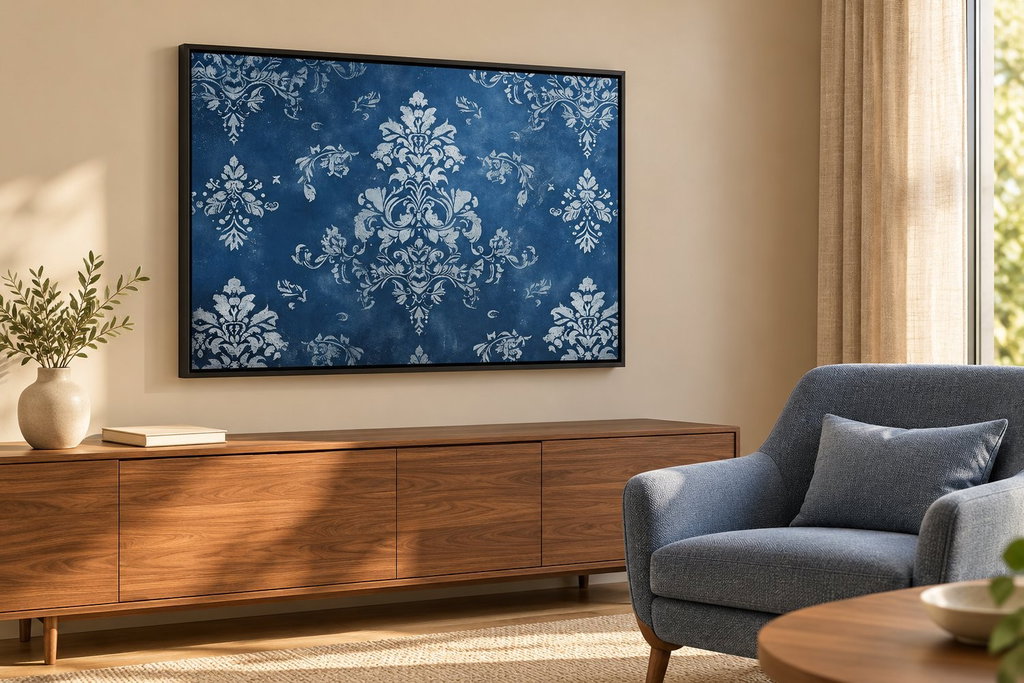
Leafy scrolls, rosettes and decorative repeats
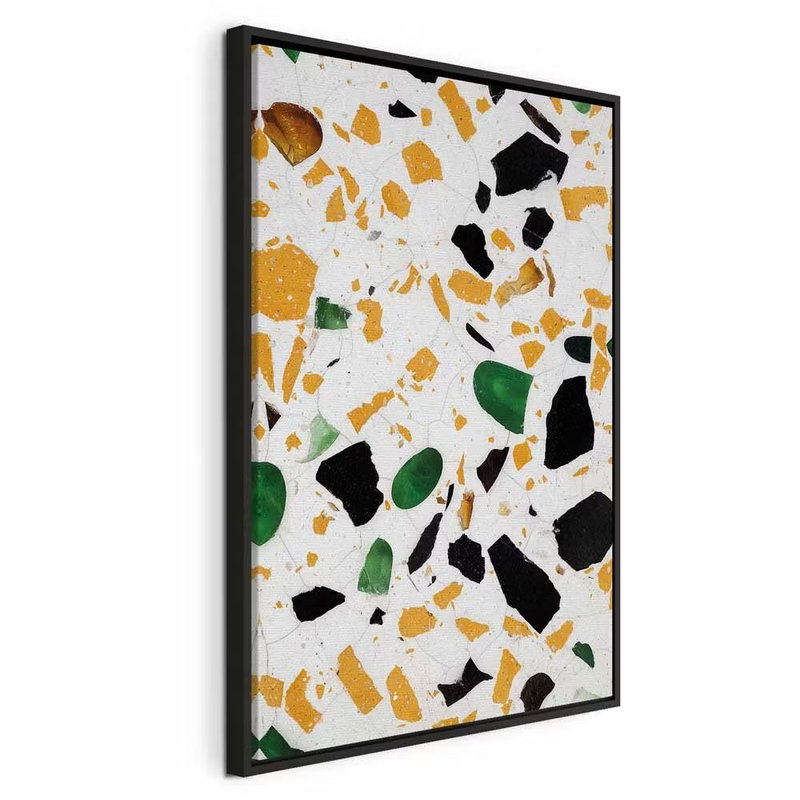
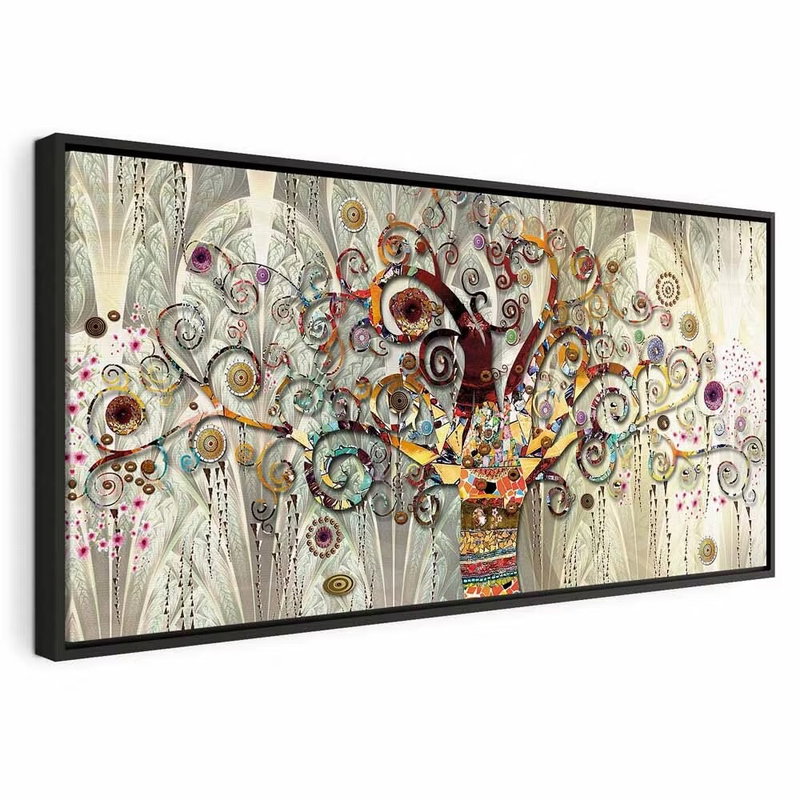
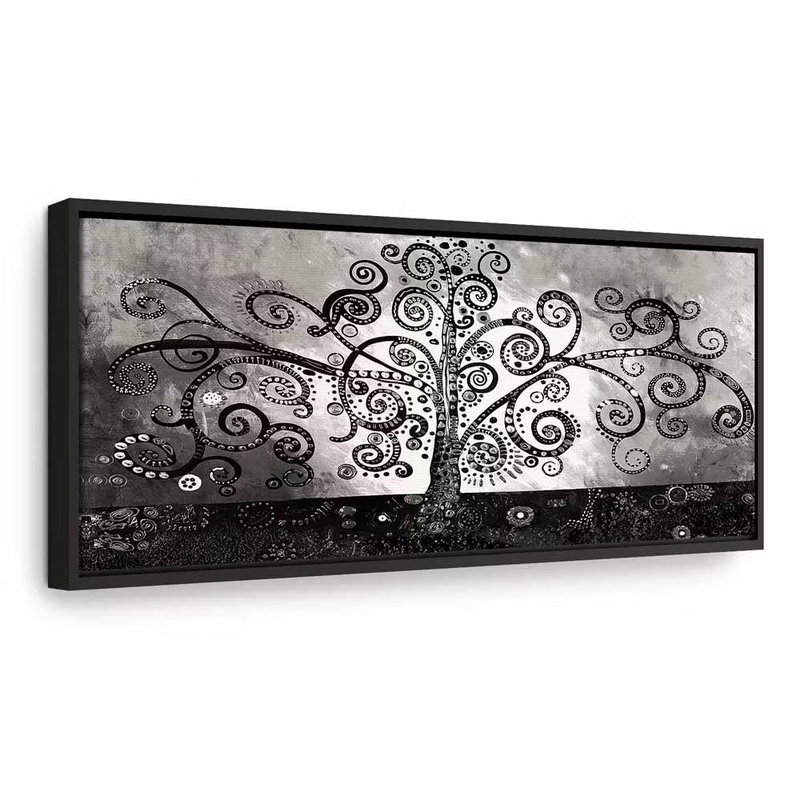
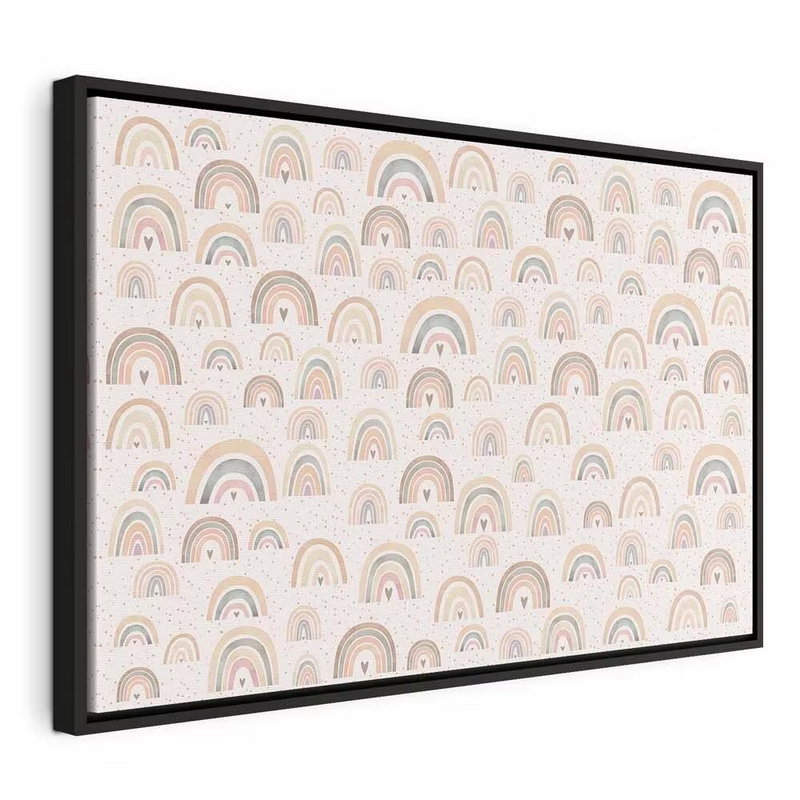
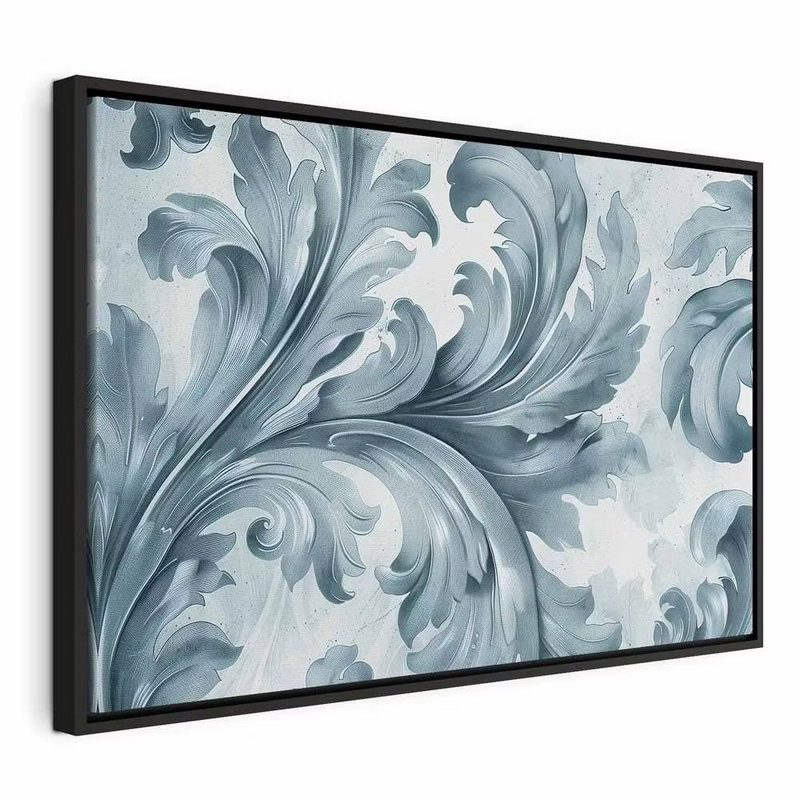
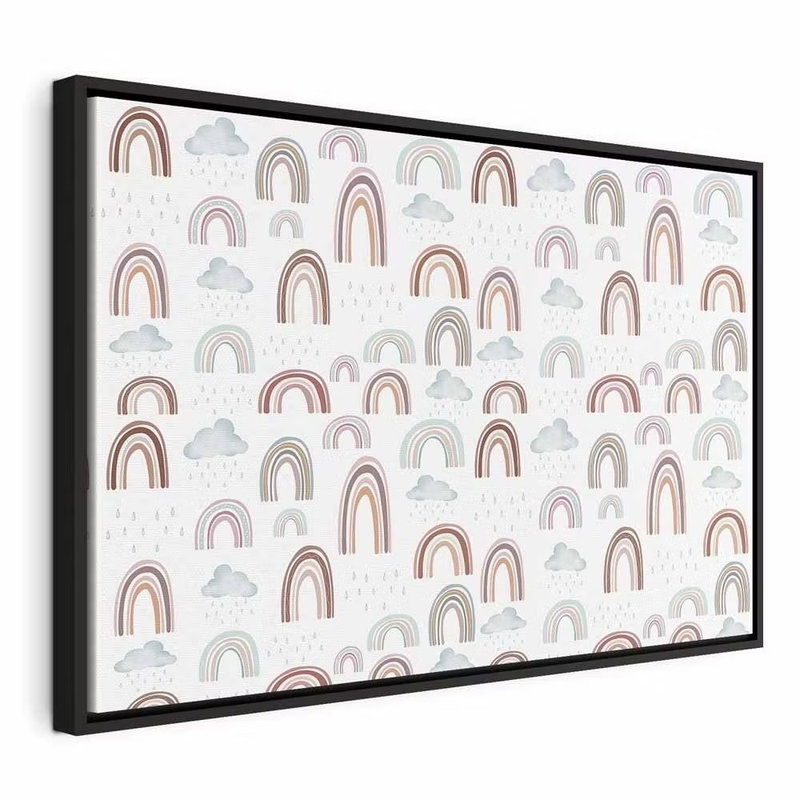
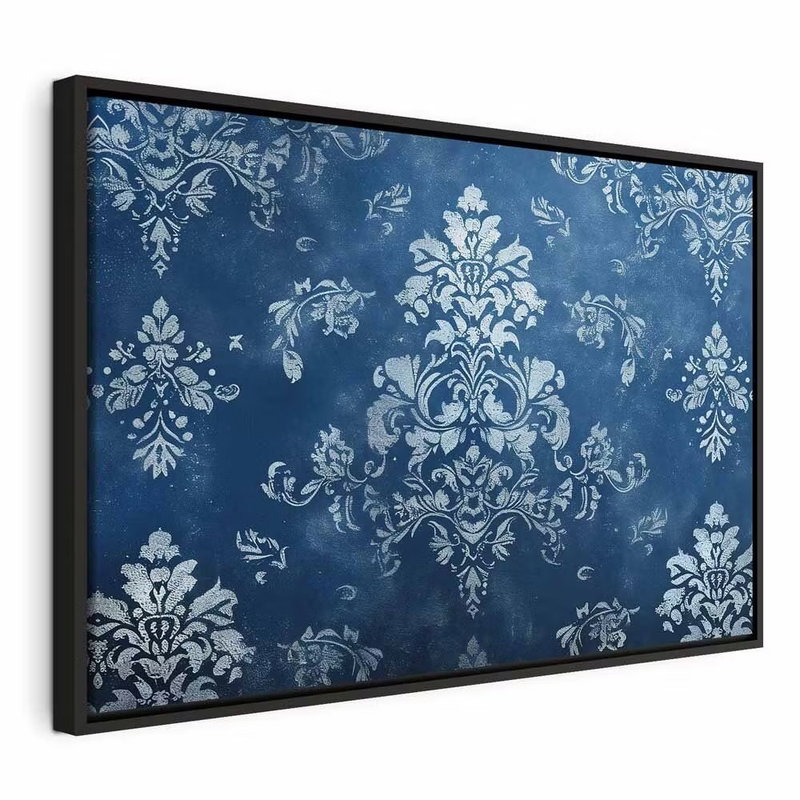
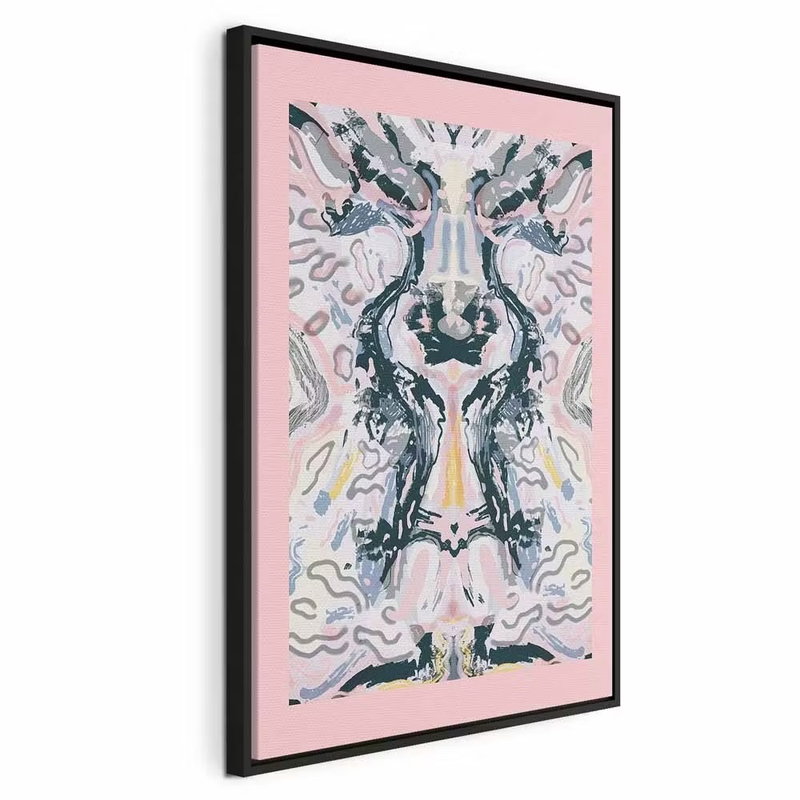
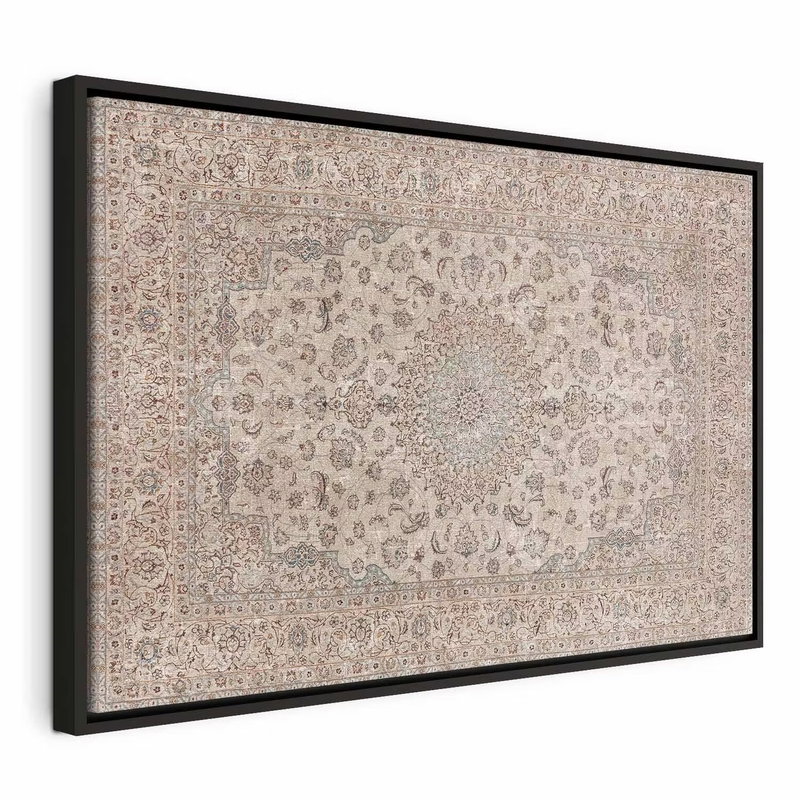
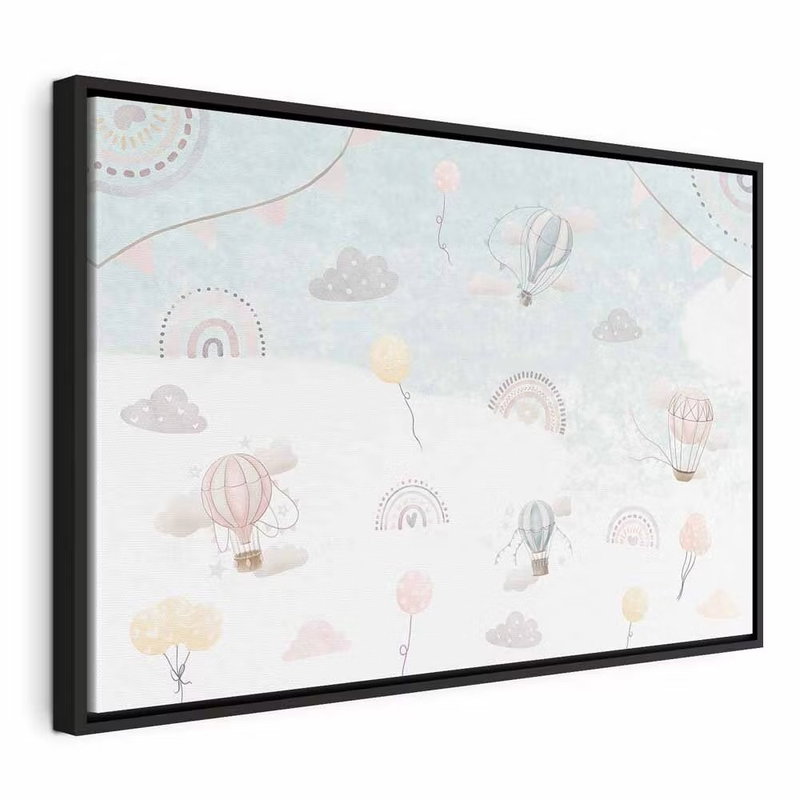
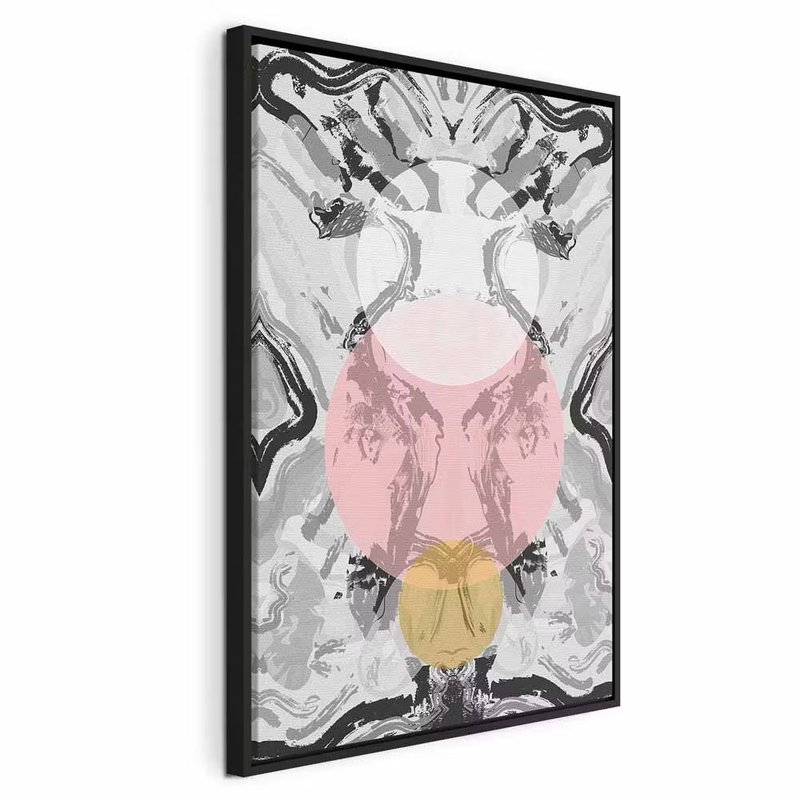
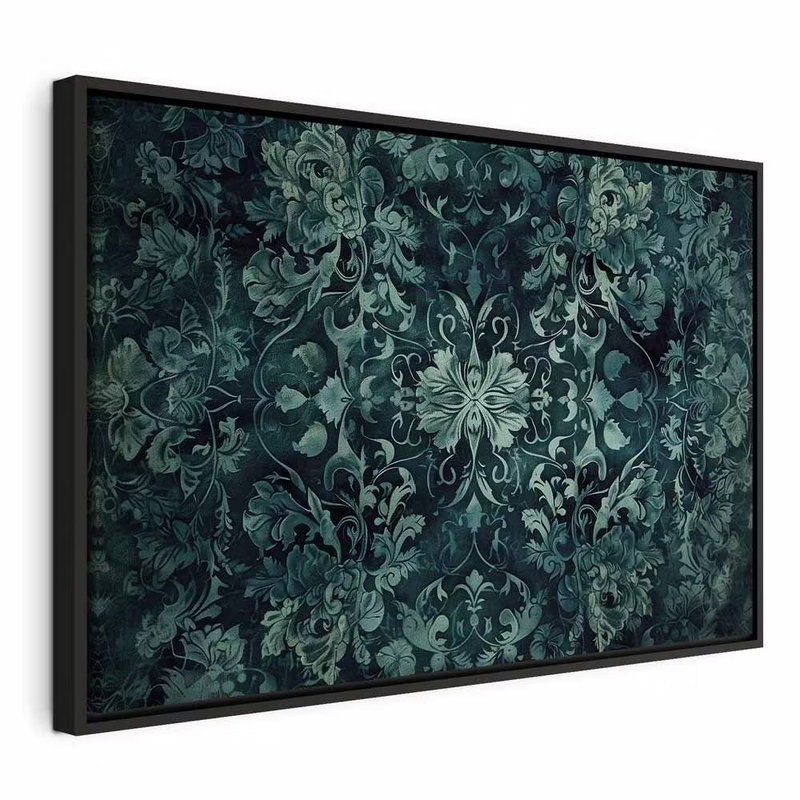
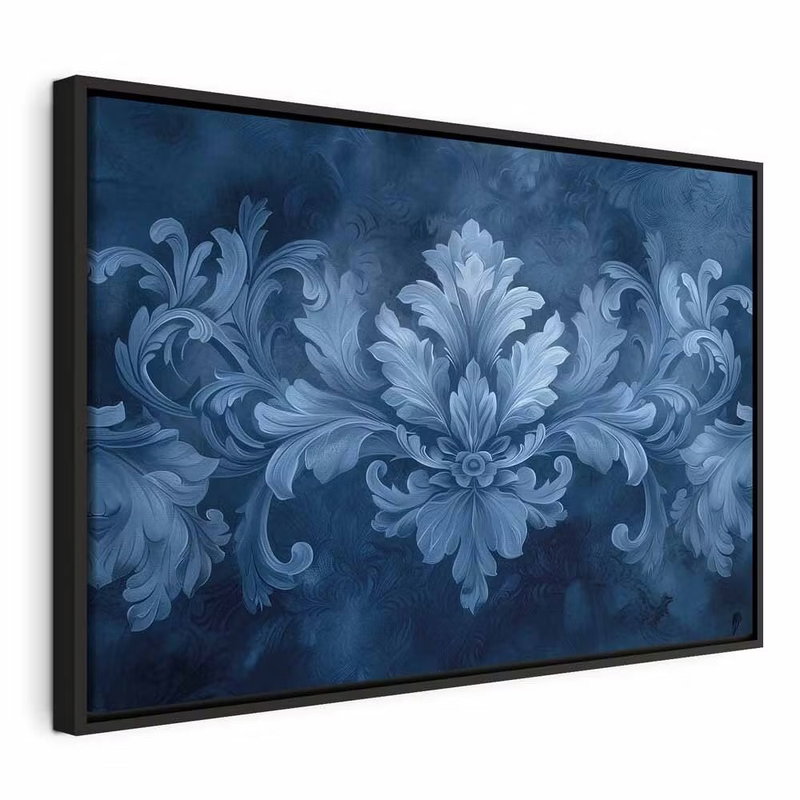
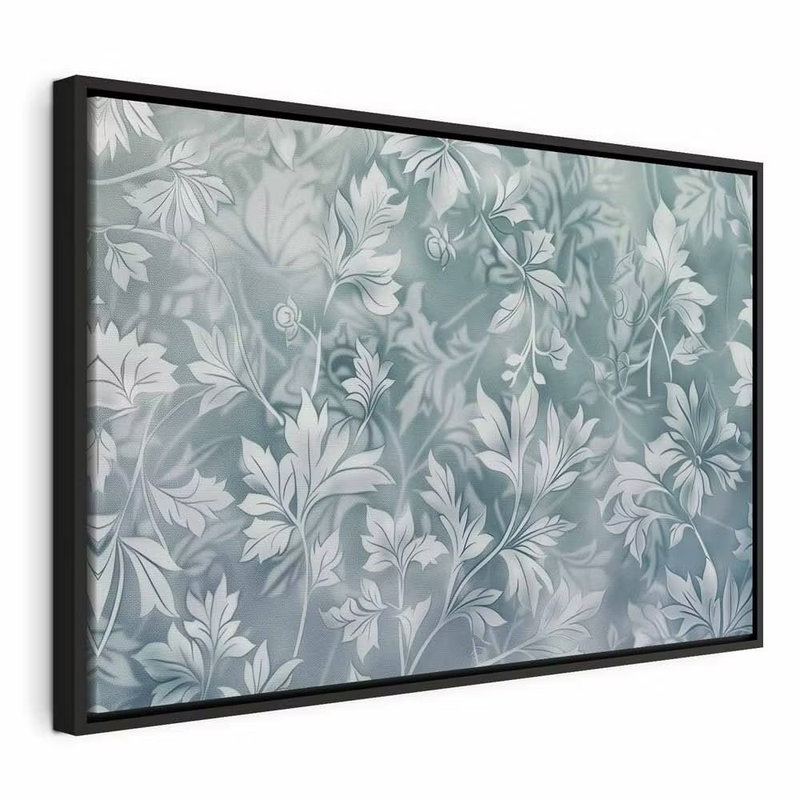
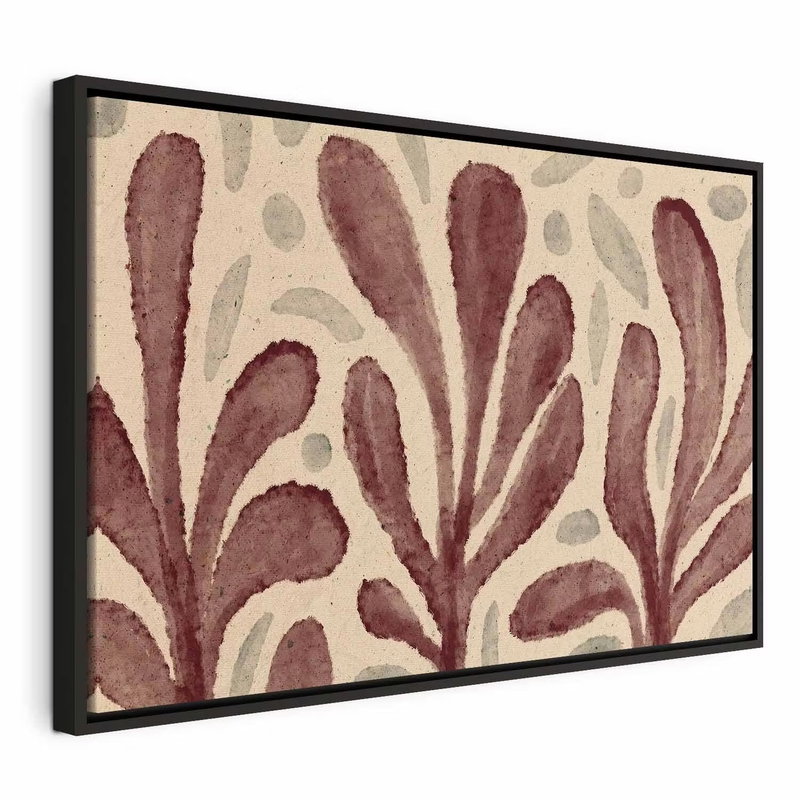
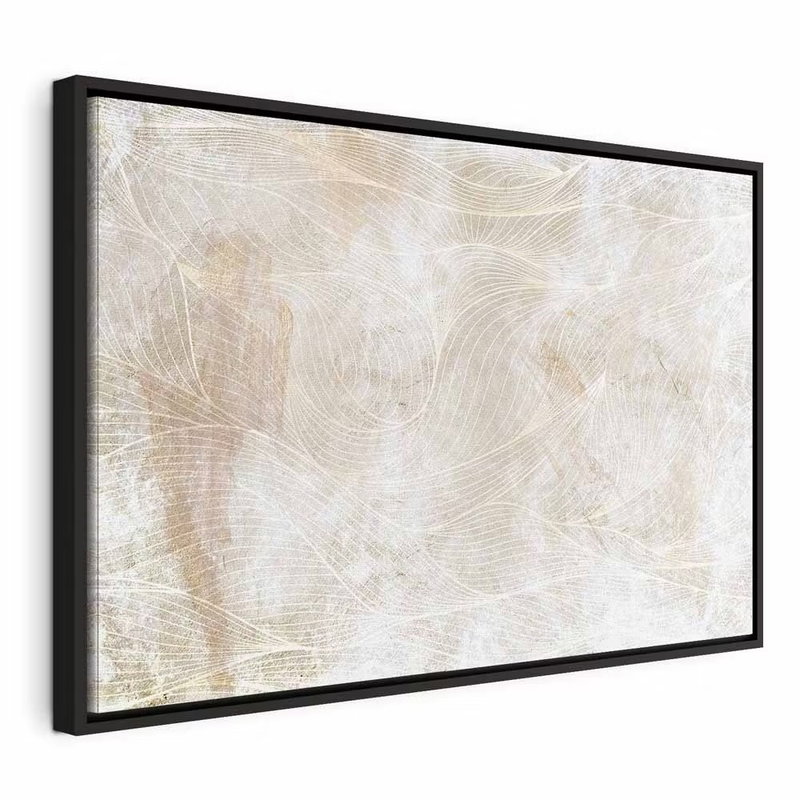
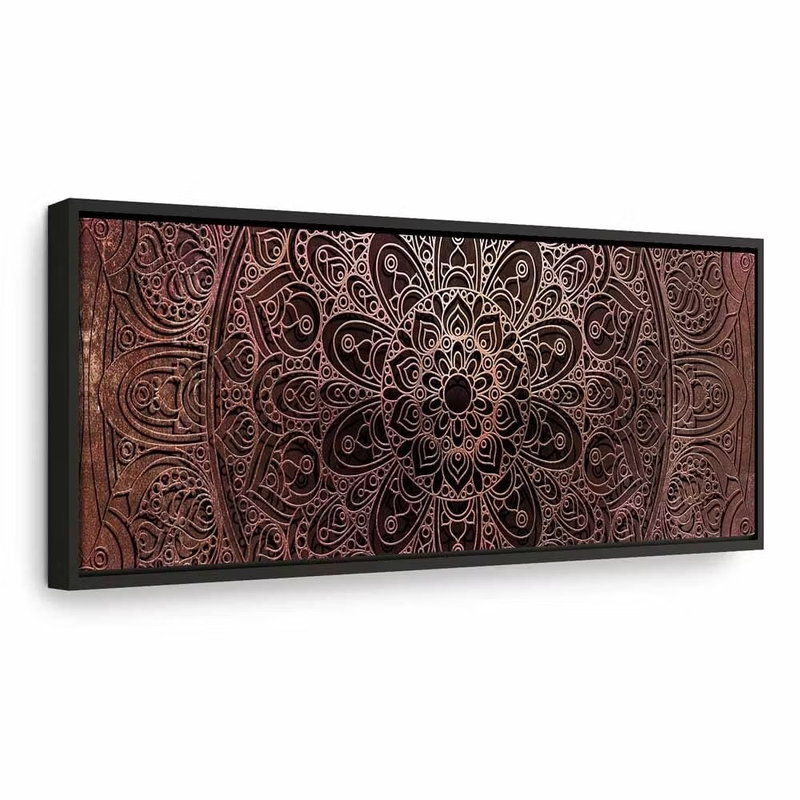
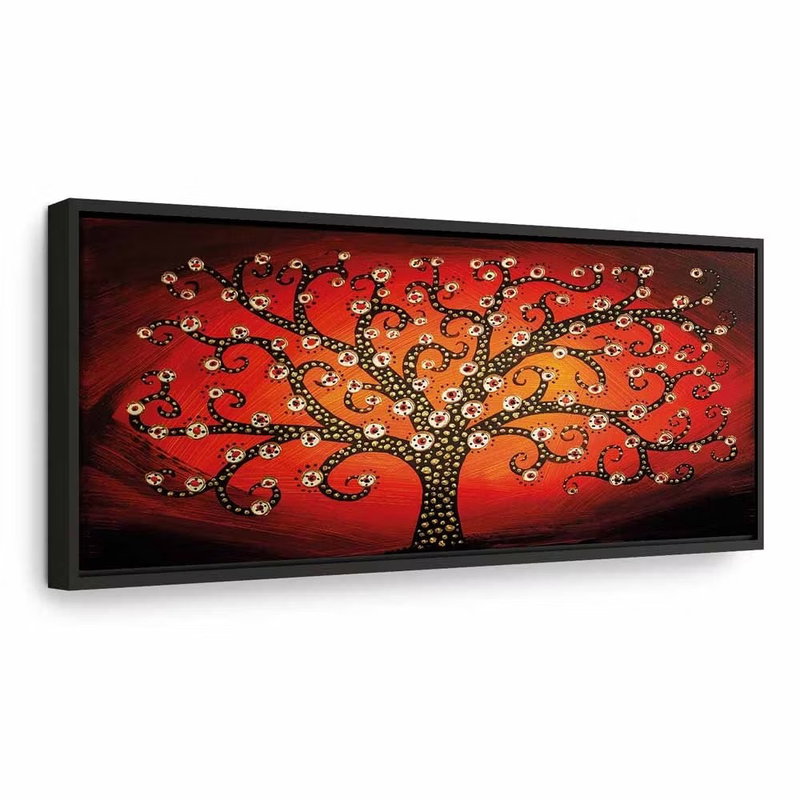
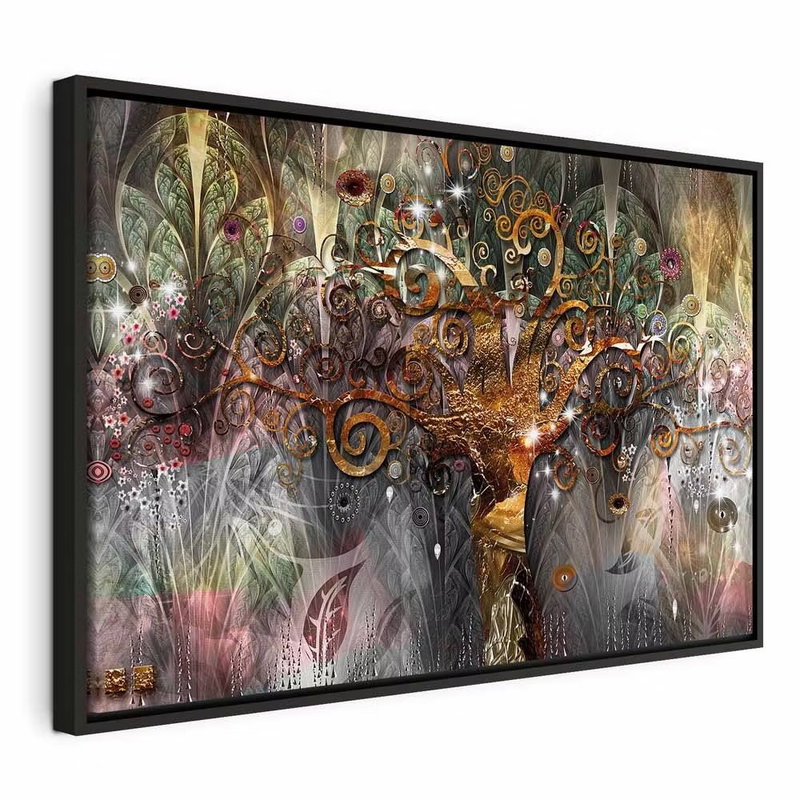
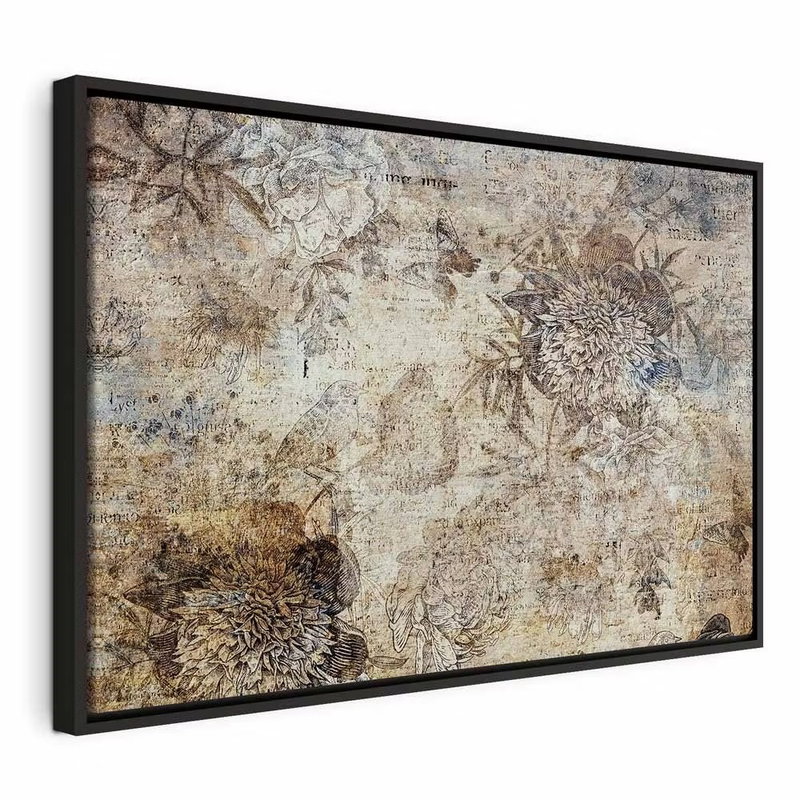
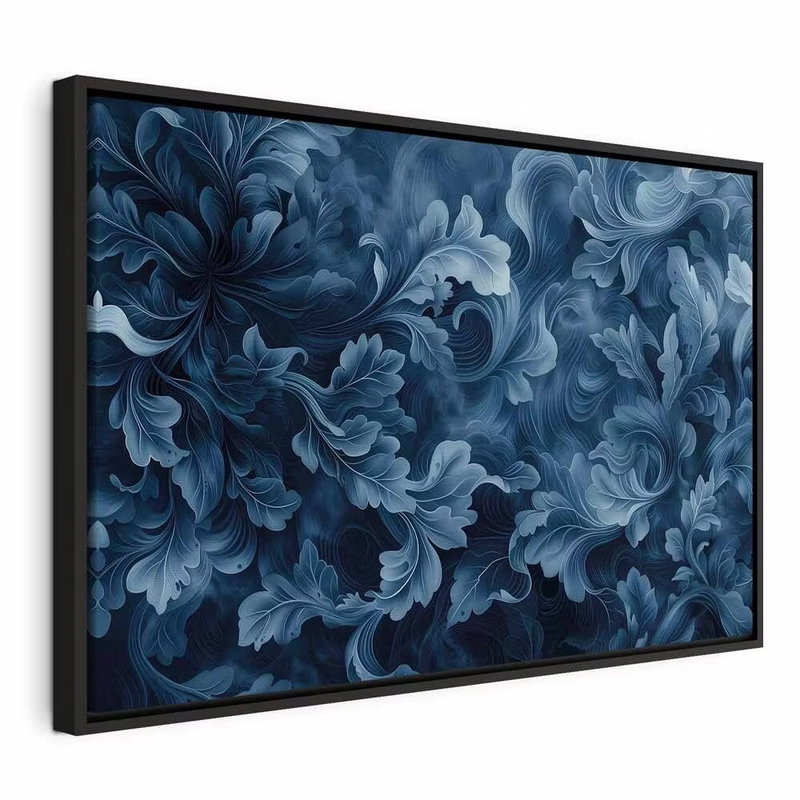
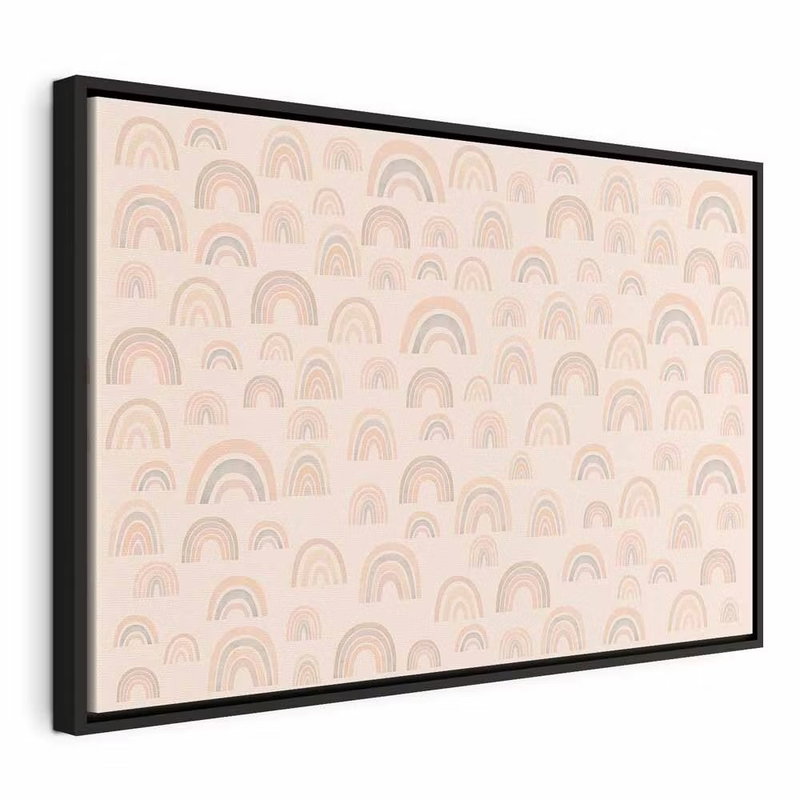
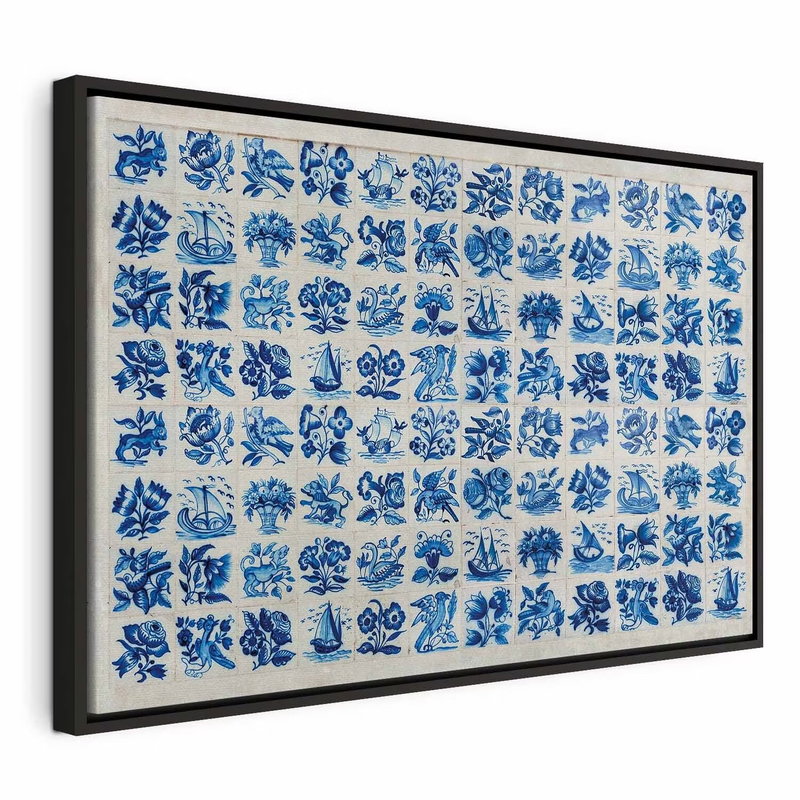
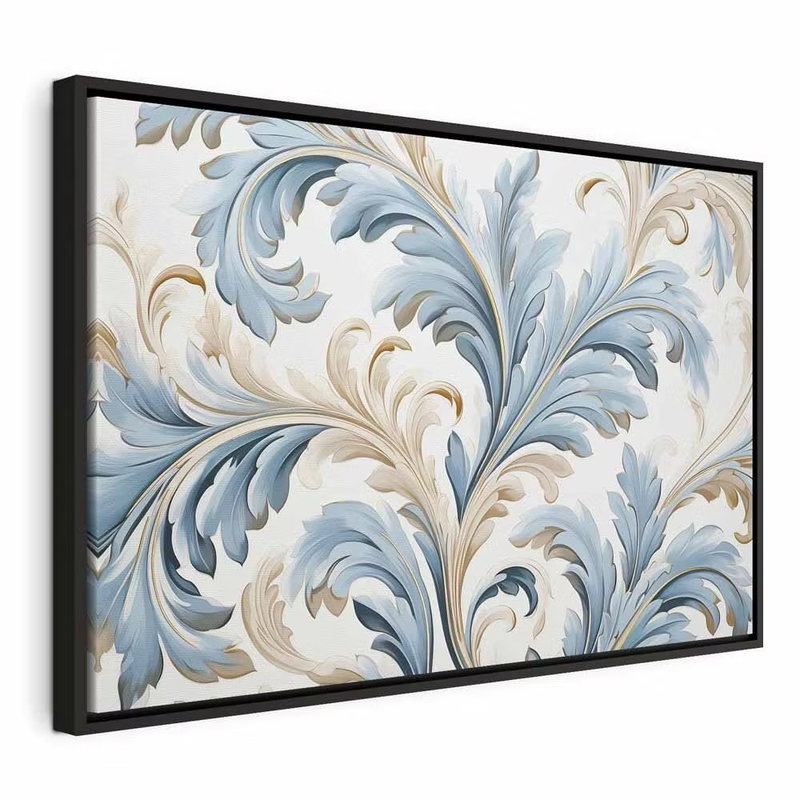
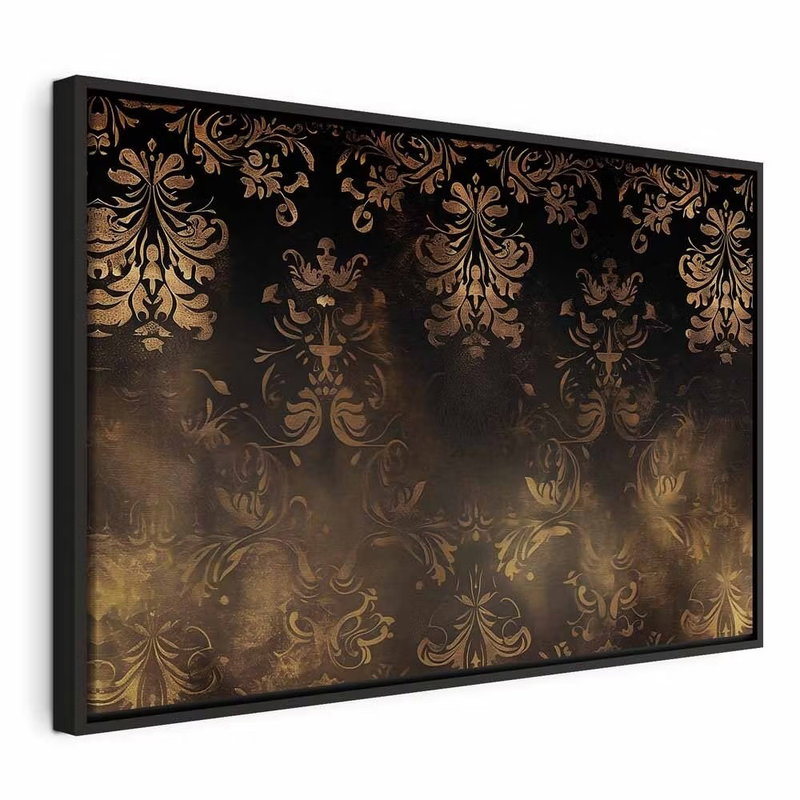
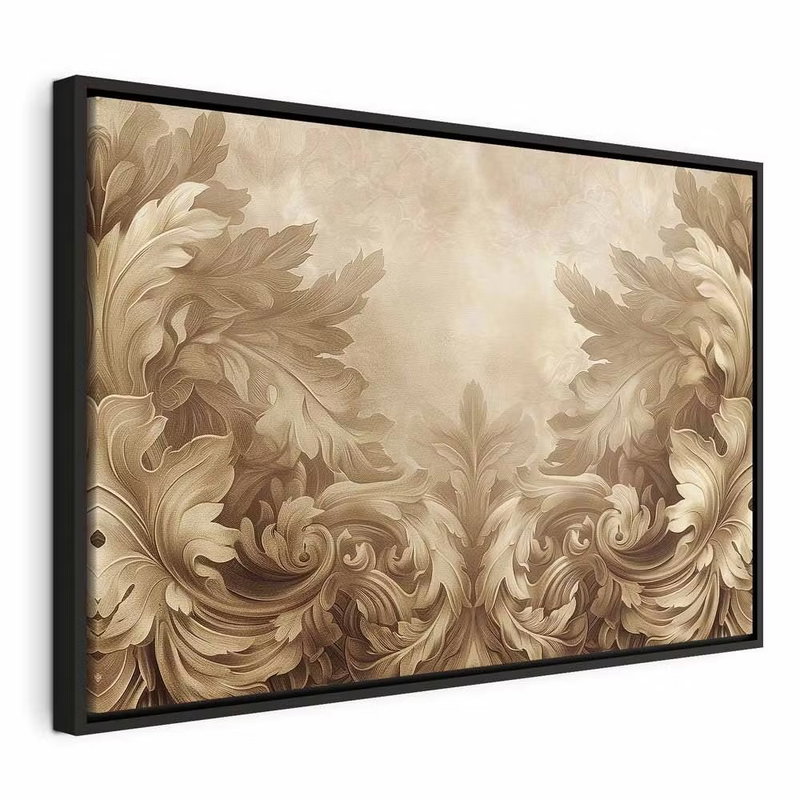
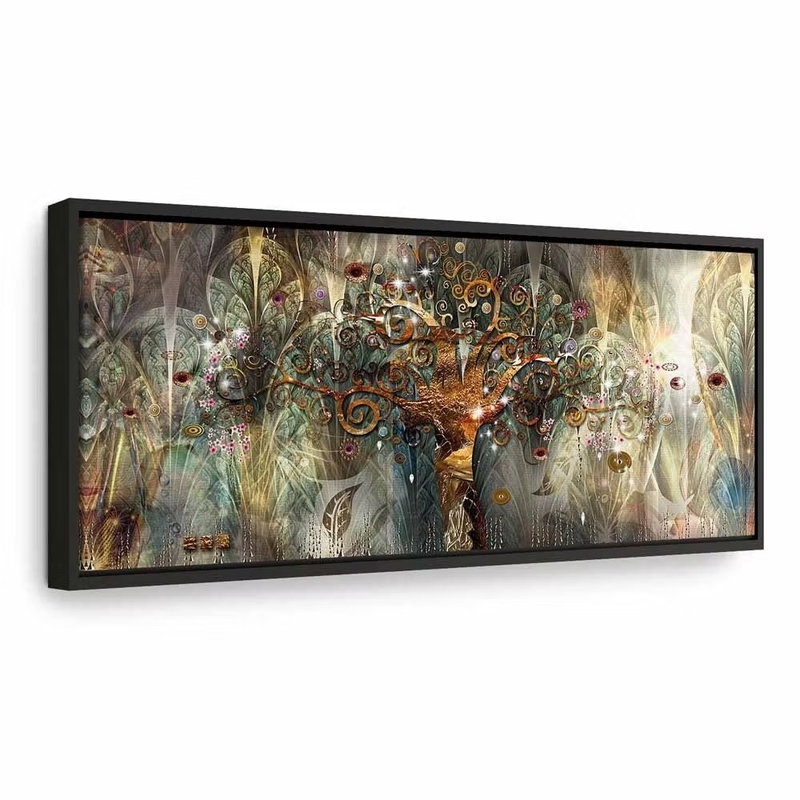
Several motifs use symmetrical botanical ornaments or curling leaves across the image. Some have a clear central feature with smaller repeats around it. Others repeat small flowers, arches or coloured fragments across the whole picture. Stylised trees use spiral branches and circular details as part of the same decorative language.
Choose with the scale of the pattern in mind. Large scrolls and clear rosettes can read from farther away, while fine lines offer more detail close up. Compare the whole image with the usual seating position before choosing a dense or more open composition.
Colour and contrast on a patterned wall
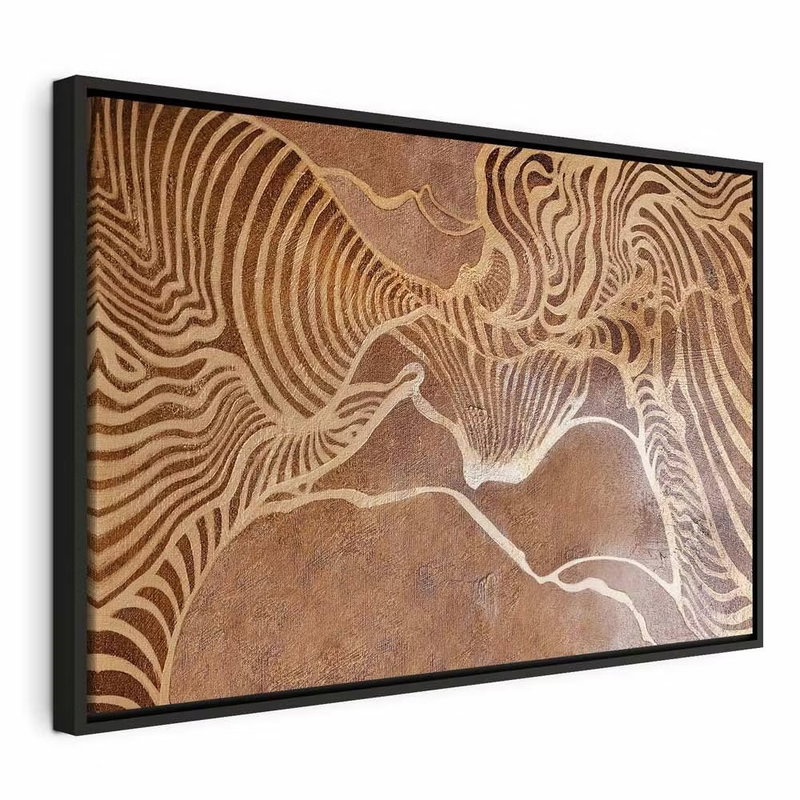
Blue and white can make repetition distinct; toned blue and green ornaments can feel more unified. Brown-beige and golden accents offer other connections with timber and warm fabrics. Pastel rainbows and small hot-air balloons have a softer, more playful expression.
The pattern’s details are reproduced in the print. A worn or woven-looking background, shiny colours and shaded scrolls do not mean the surface consists of old fabric, metal or carved leaves. Check the chosen product’s material and construction details separately from its visual effects.
A frame brings small details together
A visible outer frame can give a calm ending to an image with many repeats. Compare the frame options on the product page with the wall colour and dark or light outlines. A shared frame colour can unite pictures with different levels of detail in a group.
Give the picture a wall area where its pattern is readable. Many small ornaments near a detailed image can make the overall arrangement harder to follow. Measure the outside dimensions and plan the distance to lamps, shelving and other pictures.
Decorative wall art with sound absorption
The absorbent construction can contribute to less reverberation. Many small shapes in the image do not themselves improve acoustic function. Consider the picture’s area and placement together with furniture, walls and the room’s other materials.
Choose for both the visual expression and the particular model’s dimensions and construction. Follow the product’s installation and care instructions. The pictures can form part of a solution for sound within a room; they do not replace sound insulation between rooms.