



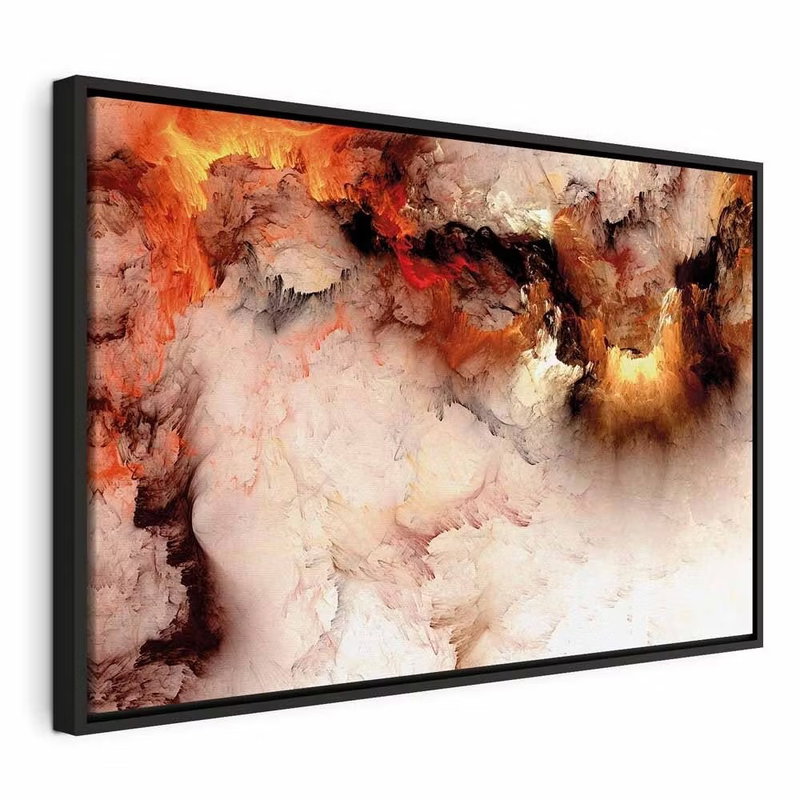
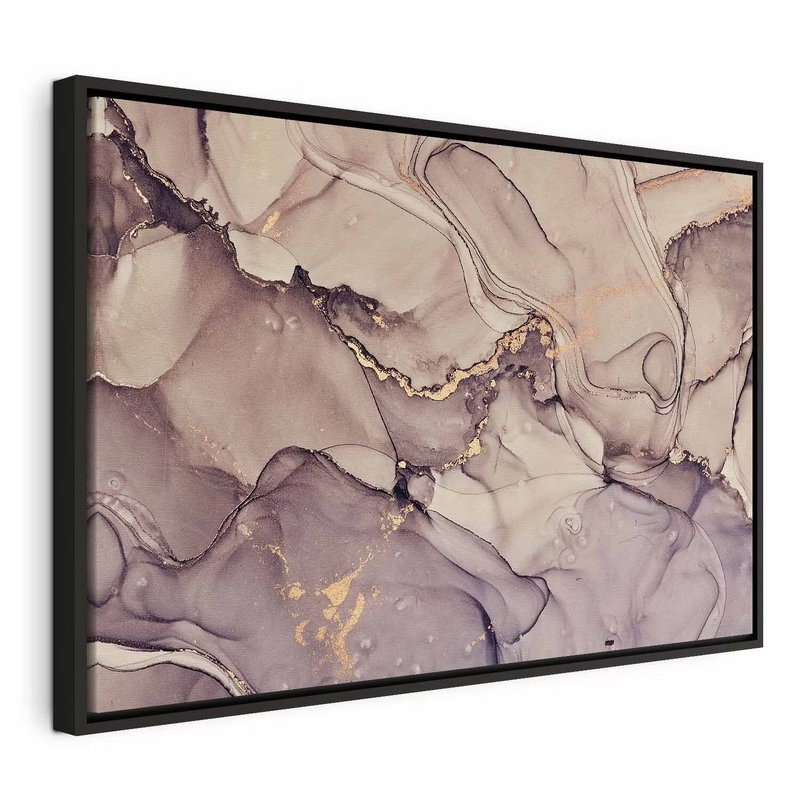
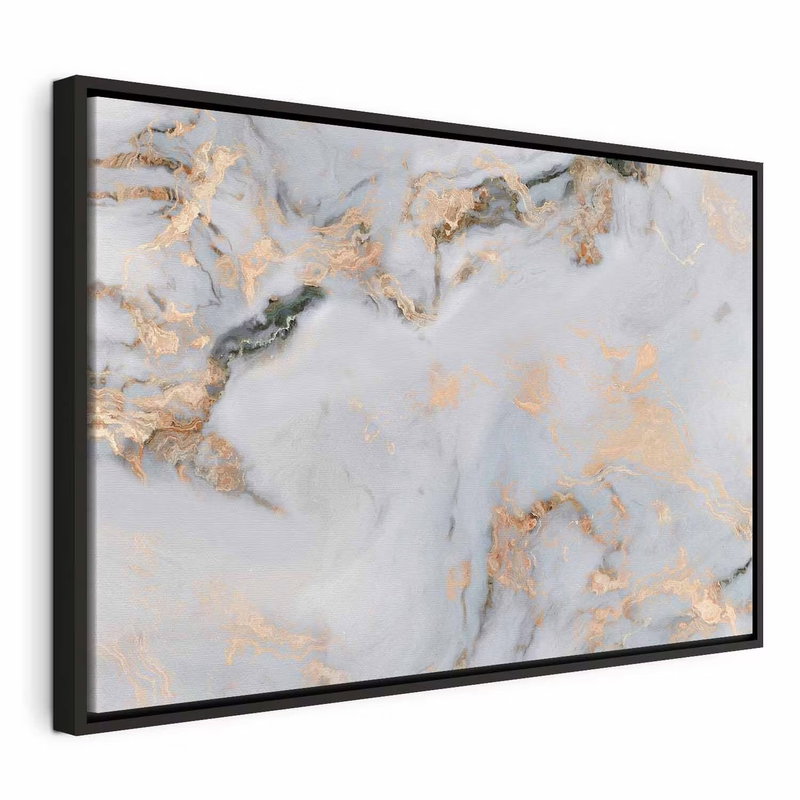
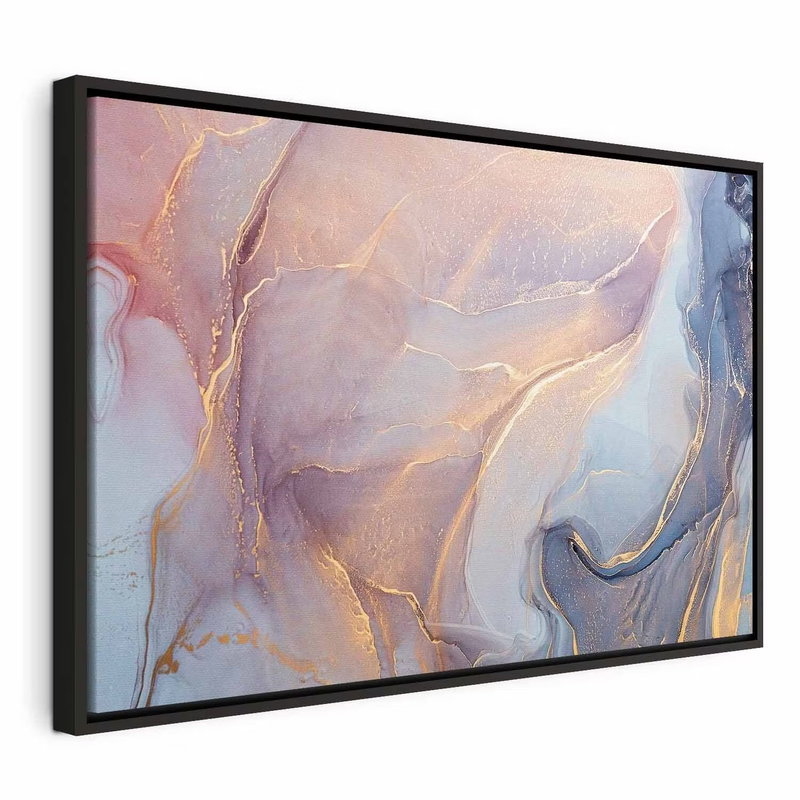

Veins and colour flows as the main subject
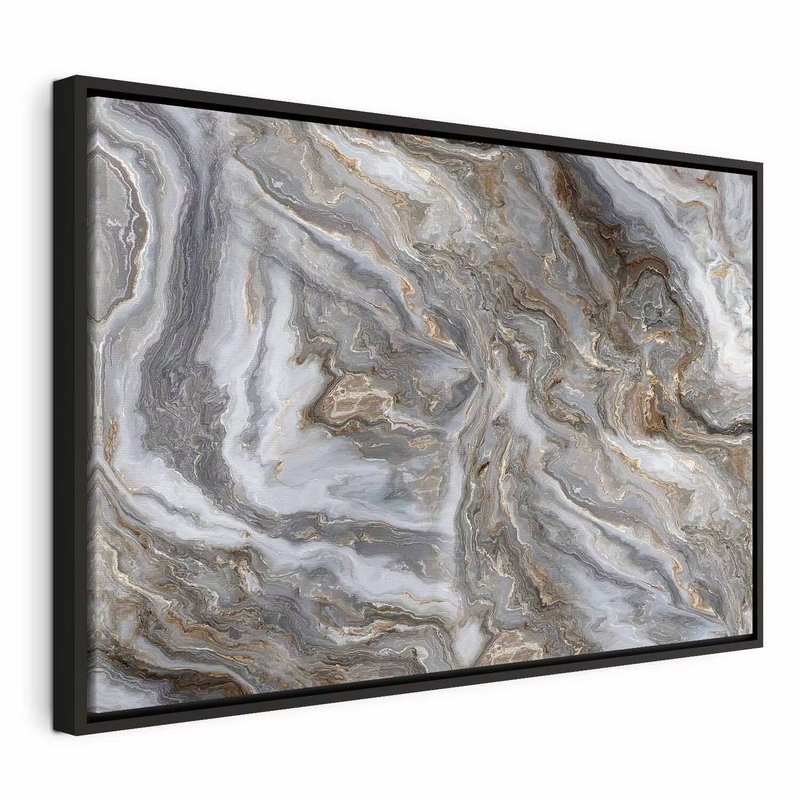
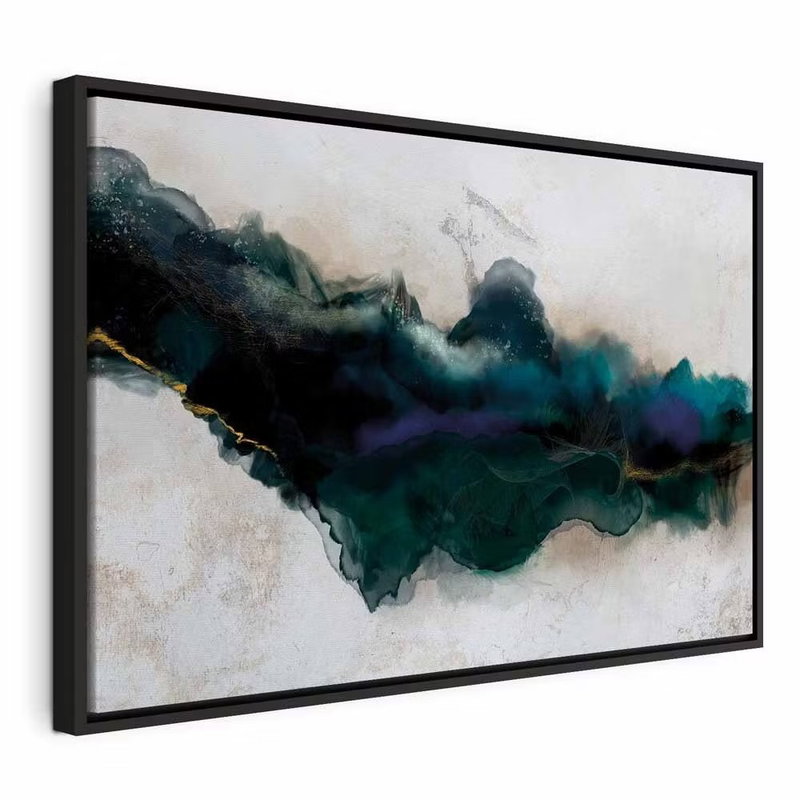
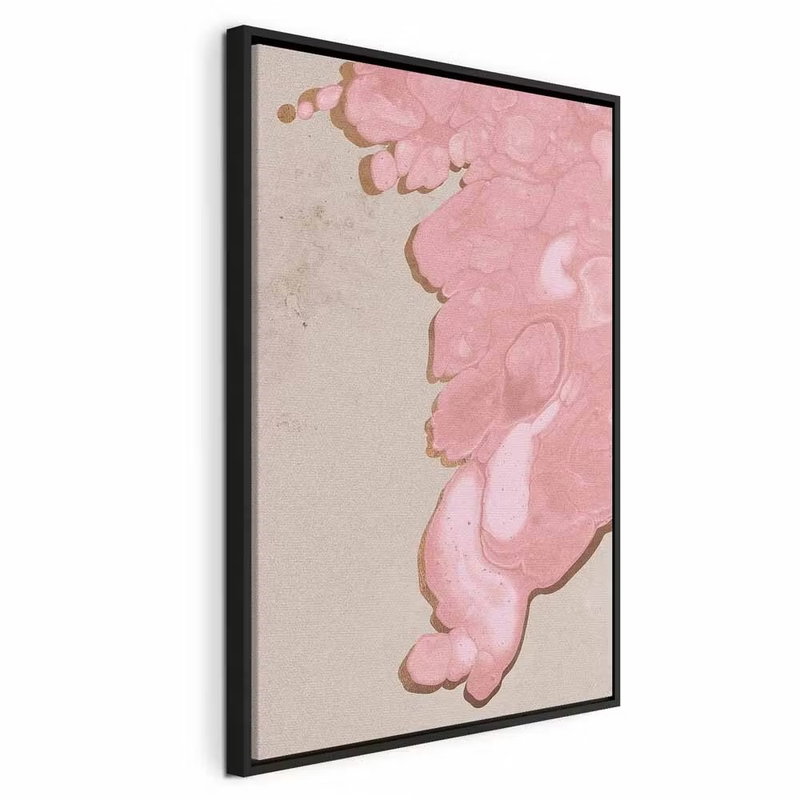
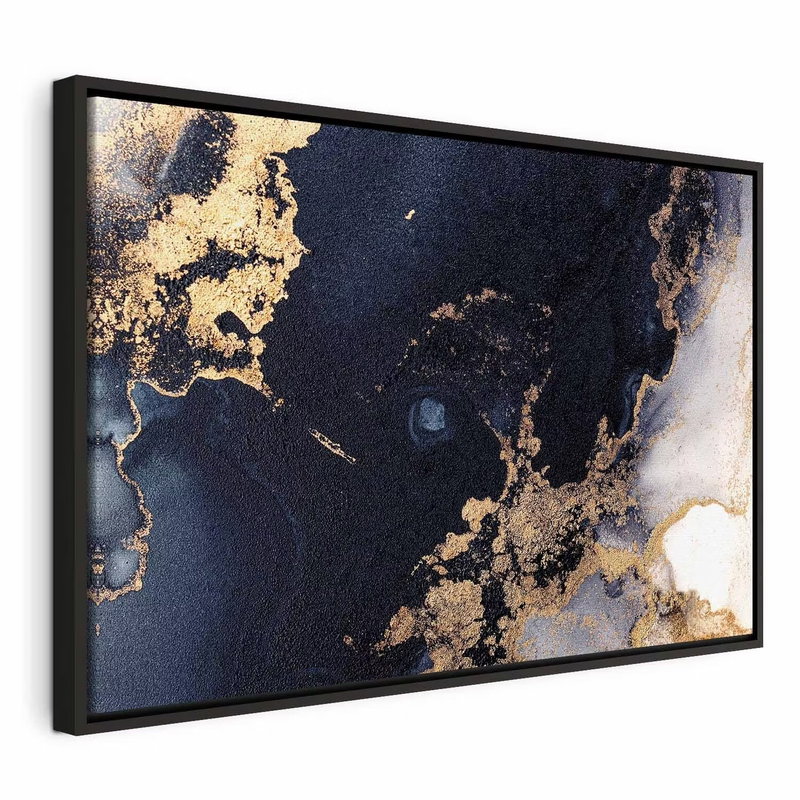
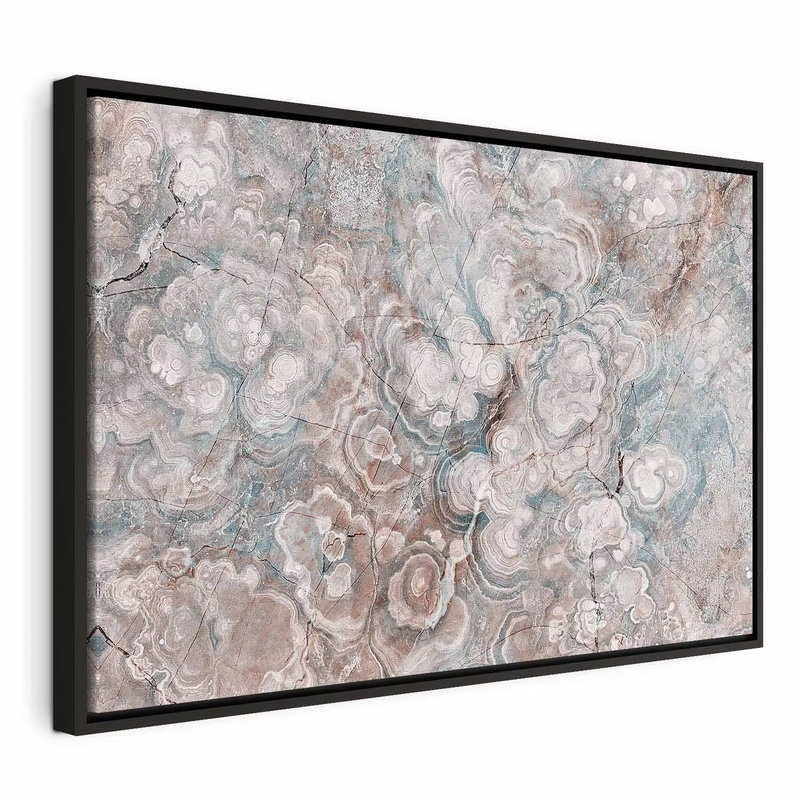
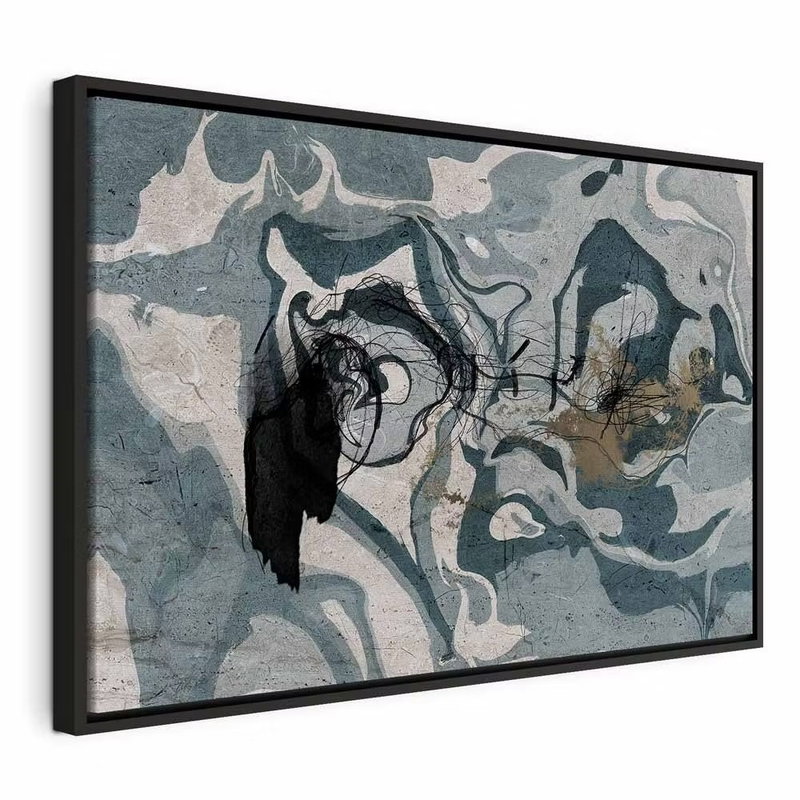
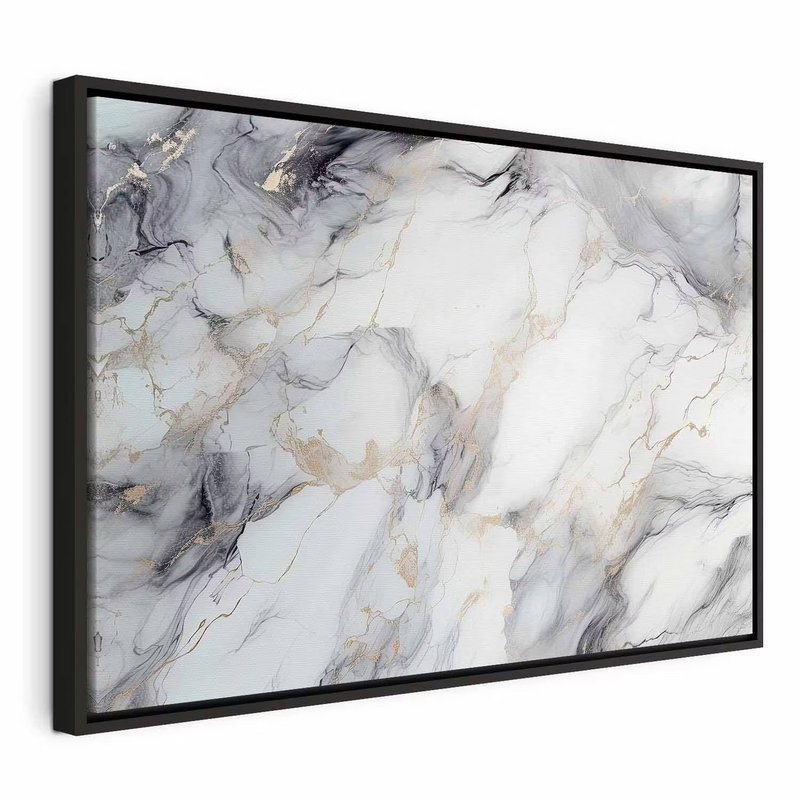
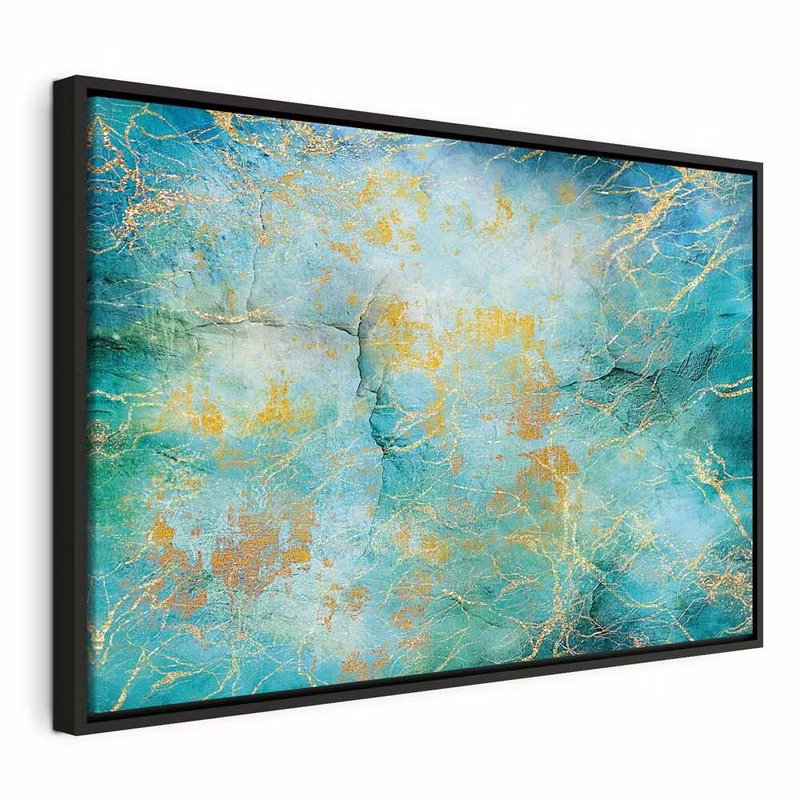
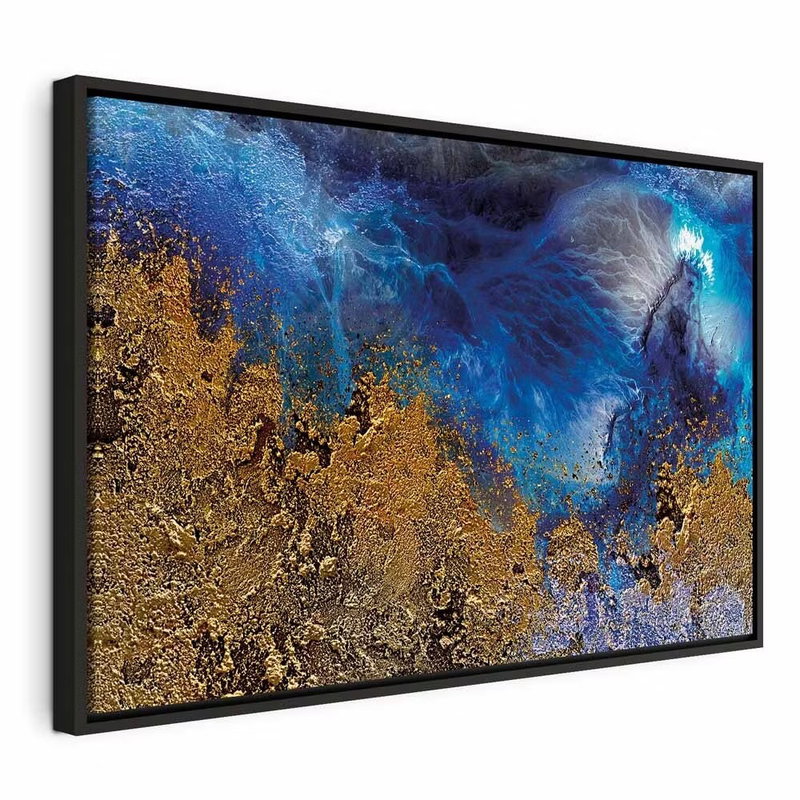
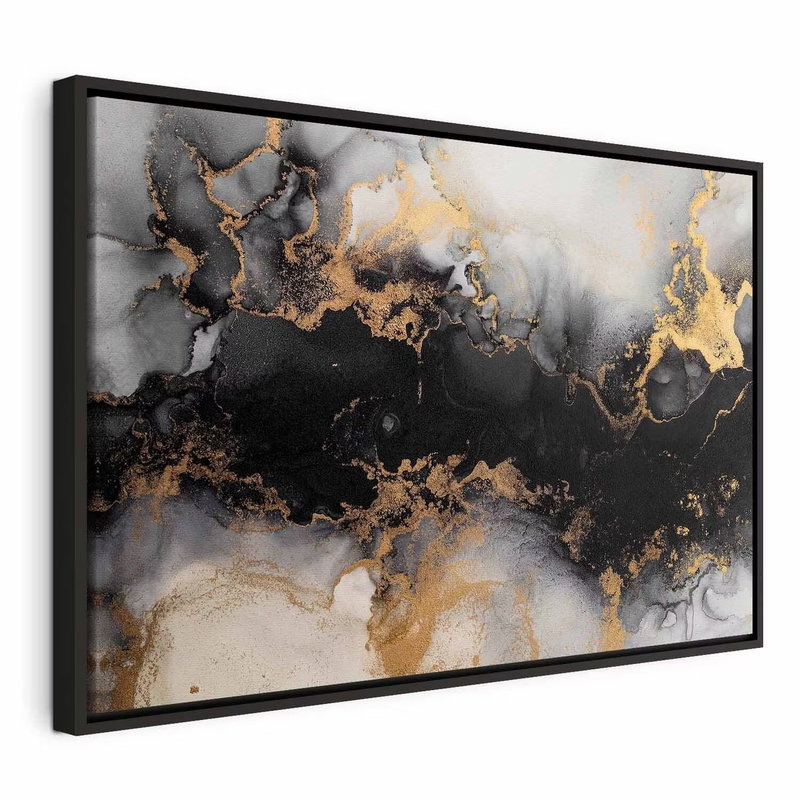
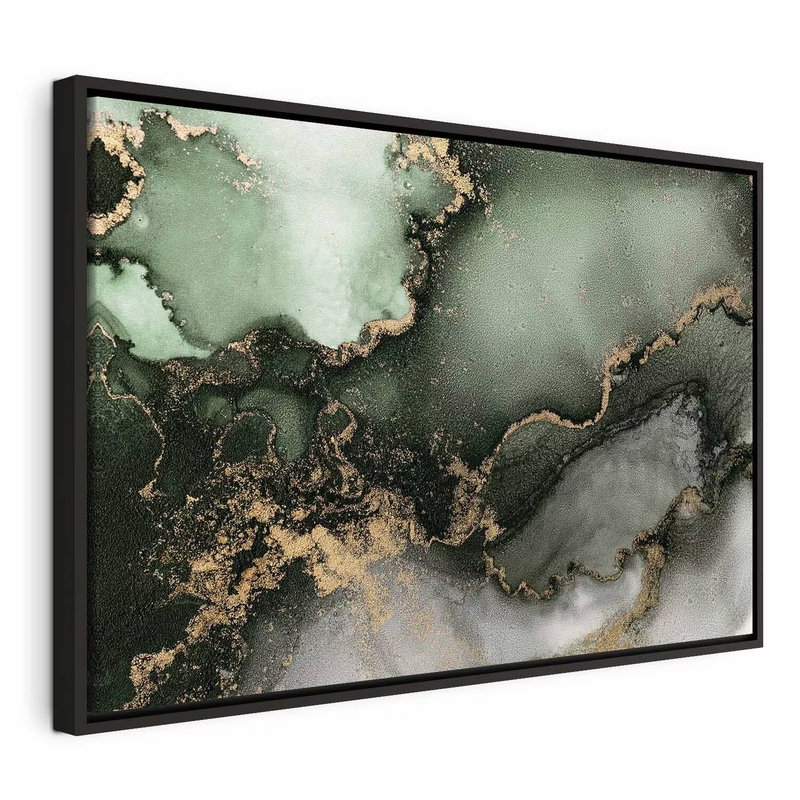
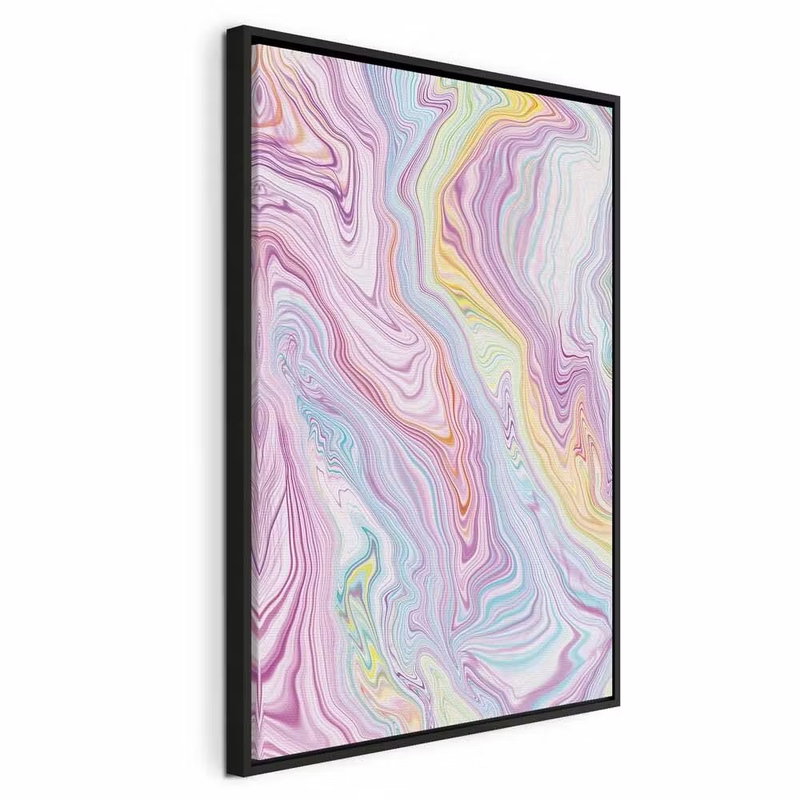
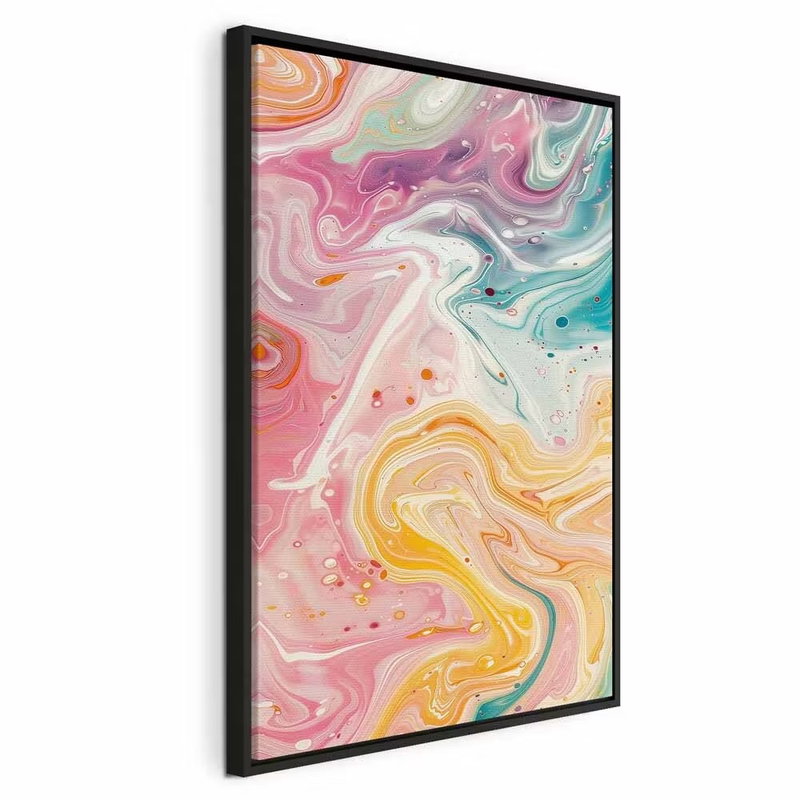
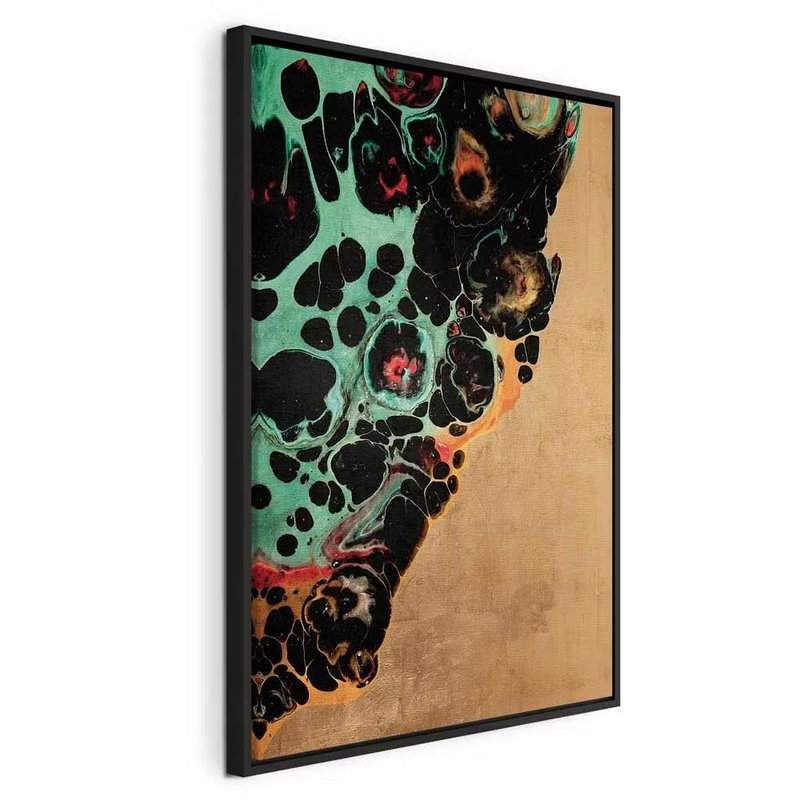
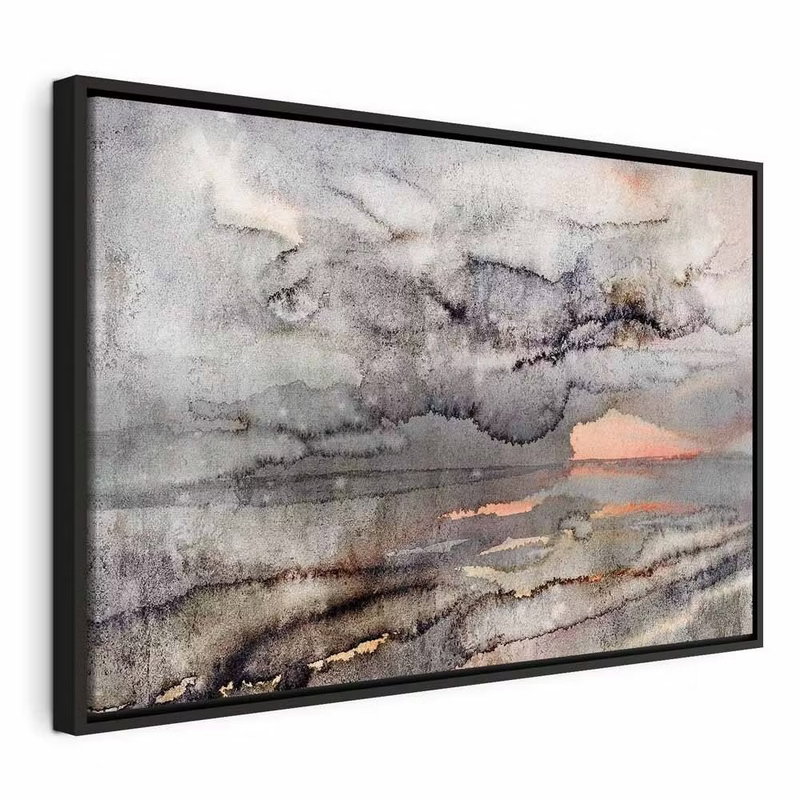
Marbling brings narrow veins and larger colour fields together without a regular grid. The selection includes finely divided grey-white patterns and broad dark areas with lighter edges. Flowing forms can suggest stone, water or ink without depicting a particular place.
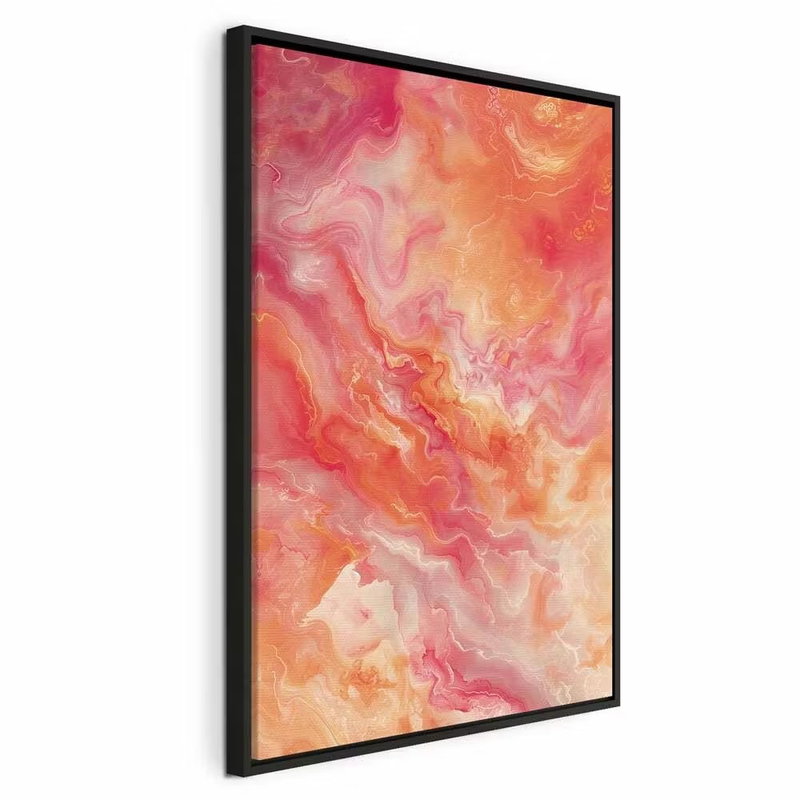
Follow the direction through the motif when comparing pictures. A long wave can lead the eye across a wide wall, while dense swirls can create a more concentrated image. Consider both the main shape and smaller transitions. The same palette can feel very different depending on how the fields are distributed.
From pale marbling to strong pastels
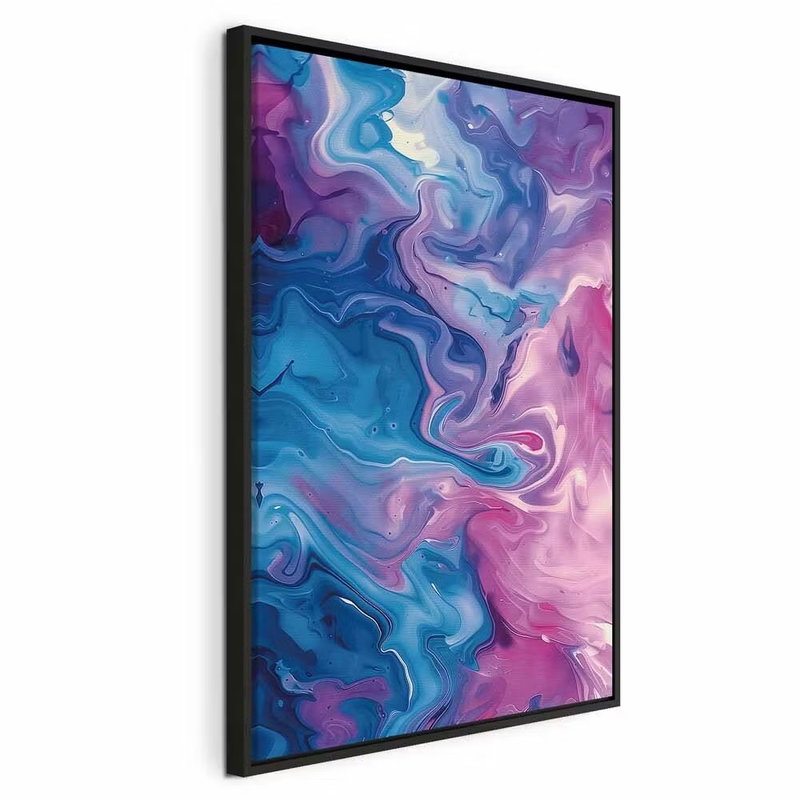
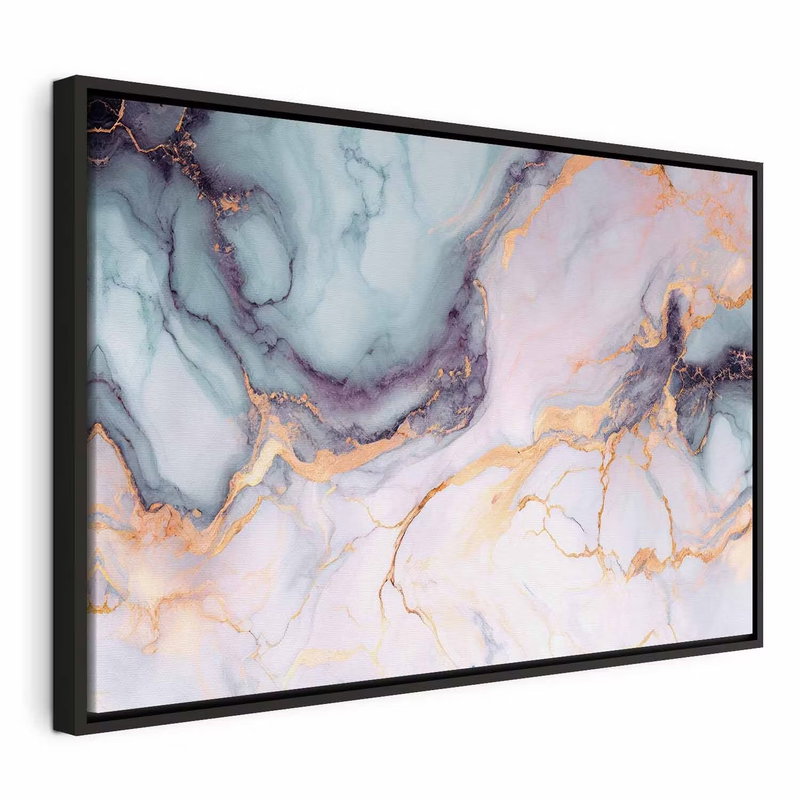
Light grey and white motifs can echo a room with pale walls, while black, green and blue flows create clearer contrast. Pink, purple, turquoise and orange swirls offer other ways to pick up a colour from furniture or fabrics.
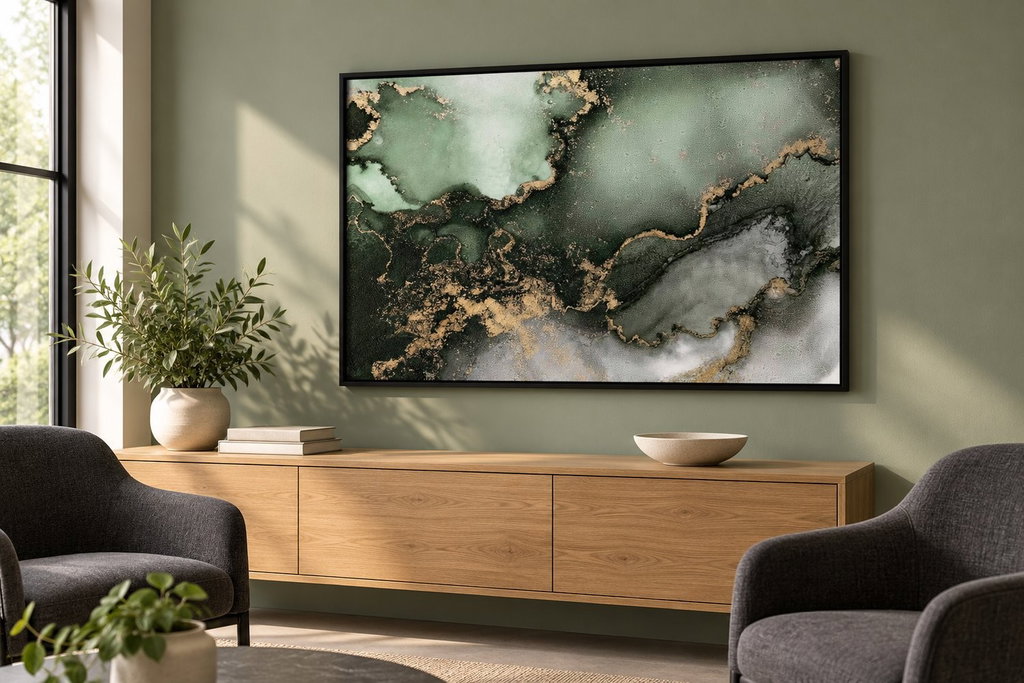
Golden veins and stone-like patterns describe the printed appearance. The picture should not be interpreted as a marble slab or a surface with applied metal. Check product images and the particular model’s material specifications when assessing both colour and construction.
Define the free image with a visible frame
The outer frame gives irregular forms an ending against the wall. A dark frame can connect with deeper fields in the artwork; other available frame choices may work with the room’s timber. Compare the options actually offered on the product page.
Choose dimensions with the usual viewing position in mind. A wide colour flow can suit a sofa or storage cabinet, while an upright motif can give direction on a narrow wall. Leave space between the picture and nearby objects so the veins do not compete with many small details.
A visual choice with an absorbent function
The sound-absorbing construction can contribute to reduced reverberation. Pattern density or a marbled colour effect does not indicate a particular acoustic performance. Assess the picture’s area and placement together with the room’s other materials.
Read the model’s dimensions, construction and installation instructions before choosing for a home, office or reception. Follow the specific product’s care advice. Several pictures may be needed for a larger combined absorbent area; wall art does not replace sound insulation between rooms.