
• Free shipping
  • 5-year warranty
  • Fast delivery

Vibrationsdämpning & stomljud – guider för mindre vibrationer och buller

Vibrationsdämpning hjälper dig att minska vibrationer som överförs från maskiner, vitvaror och annan utrustning till underlaget. När vibrationerna sprids vidare genom golv, väggar och andra byggnadsdelar kan de höras som stomljud i ett annat rum. Här hittar du guider som hjälper dig att förstå ljudproblemet och planera åtgärder för bostäder, arbetsplatser och tekniska installationer.

Börja med att undersöka var vibrationerna uppstår och vilka kontaktytor som för dem vidare. Hårda förbindelser via fötter, infästningar eller anslutningar kan bidra till att vibrationer sprids. Läs om hur du minskar stomljud och vilka material som vibrationsdämpar bäst. Val av dämpmaterial behöver anpassas till bland annat belastningen och utrustningen, och monteringen påverkar resultatet.

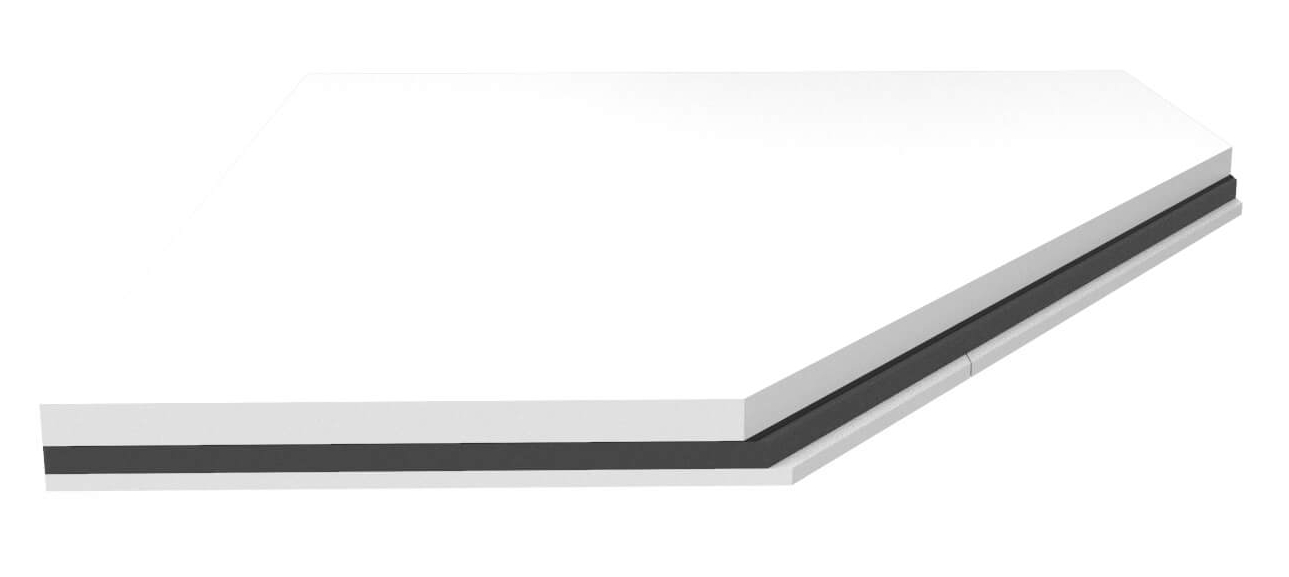
För vissa tillämpningar kan en genomtänkt uppbyggnad under utrustningen vara en del av lösningen. Vår guide om att bygga en vibrationsdämpande skiva beskriver hur olika material kan kombineras. Du hittar också praktiska råd för att dämpa ljud från tvättmaskin och torktumlare, minska ljud från kyl och frys eller ljuddämpa ett löpband och andra träningsmaskiner. Läs också om att bygga ett ljuddämpande podie för att begränsa överföringen av ljud och vibrationer via underlaget.

Behöver du åtgärda ljud från en bergvärmepump eller vibrationer från ett fläktaggregat? Välj en guide som passar din utrustning och undersök både vibrationsöverföring och ljud som sprids genom luften. Rätt åtgärd beror på hur ljudet uppstår och tar sig vidare. Sök efter ditt problem eller utforska artiklarna nedan för att hitta relevanta råd.

Rekommenderade guider

Förstå grunderna och få praktiska råd för att minska vibrationer och stomljud.

Hur ljuddämpar man och minskar stomljud?

Hur ljuddämpar man och minskar stomljud?

Stomljud, även kallat strukturburet ljud, uppstår när ljudvibrationer fortplantas genom fasta material som väggar, golv och tak. Det kan orsakas av fotsteg, maskiner, vibrationer från trafik eller andra mekaniska rörelser.

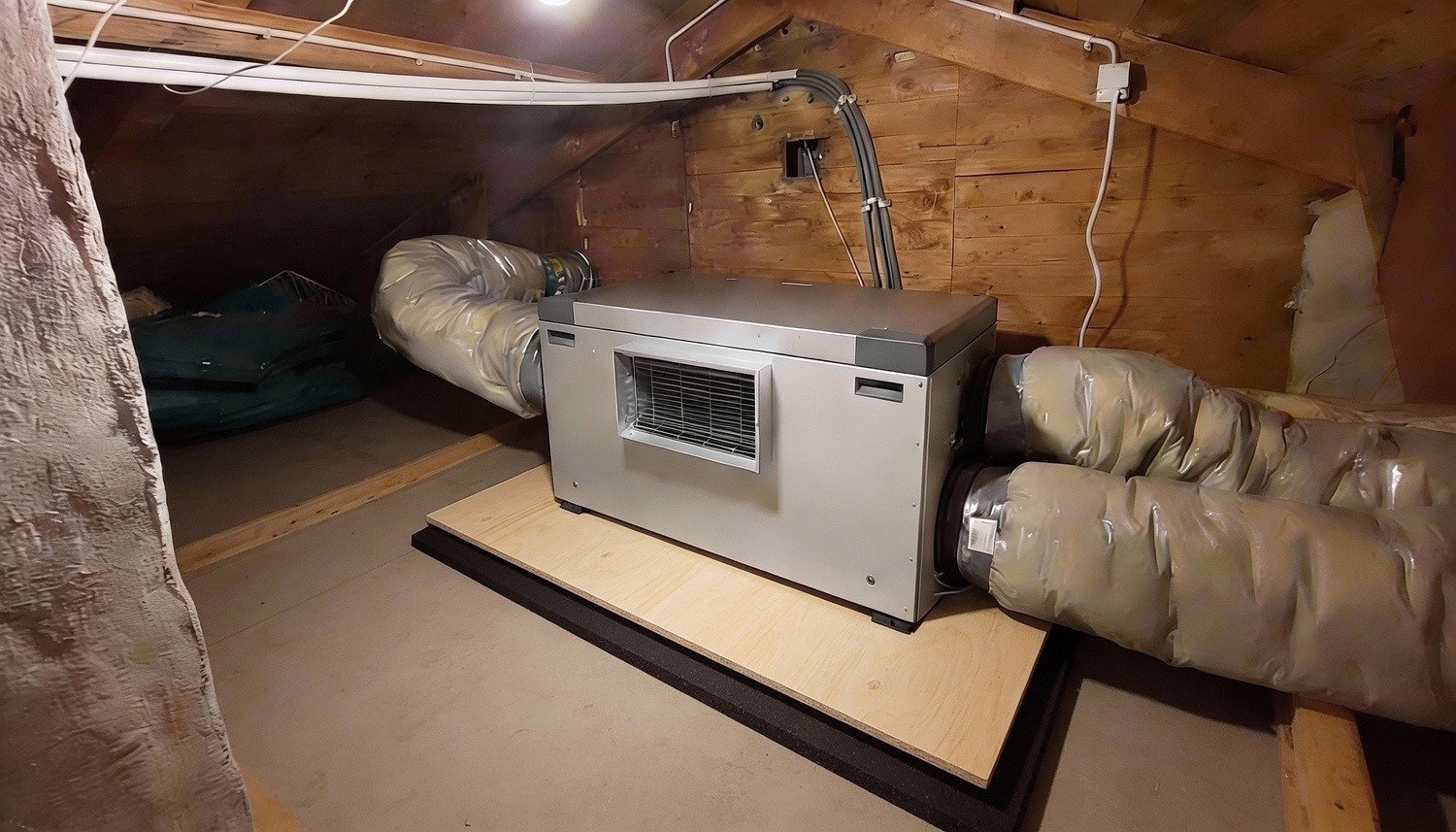
Vibrationsdämpning av fläktaggregat

Vibrationsdämpning av fläktaggregat

Fläktaggregat behövs för ventilation, luftkvalitet och stabil drift i bostäder, kontor, skolor, restauranger, butiker, lager, verkstäder, industrilokaler och större fastigheter.

Upptäck våra artiklar om vibrationsdämpning, stegljud och stomljud.

Vibrationsdämpning och stomljud

Dämpa vibrationer, stegljud och resonans som sprids genom golv, väggar och kontaktytor.

14 artiklar

Recommended Products

5 års garanti

5 års produktgaranti

Snabb leverans

Skickar oftast samma dag

How to Reduce Vibrations, Impact Noise, and Structure-Borne Noise in Buildings

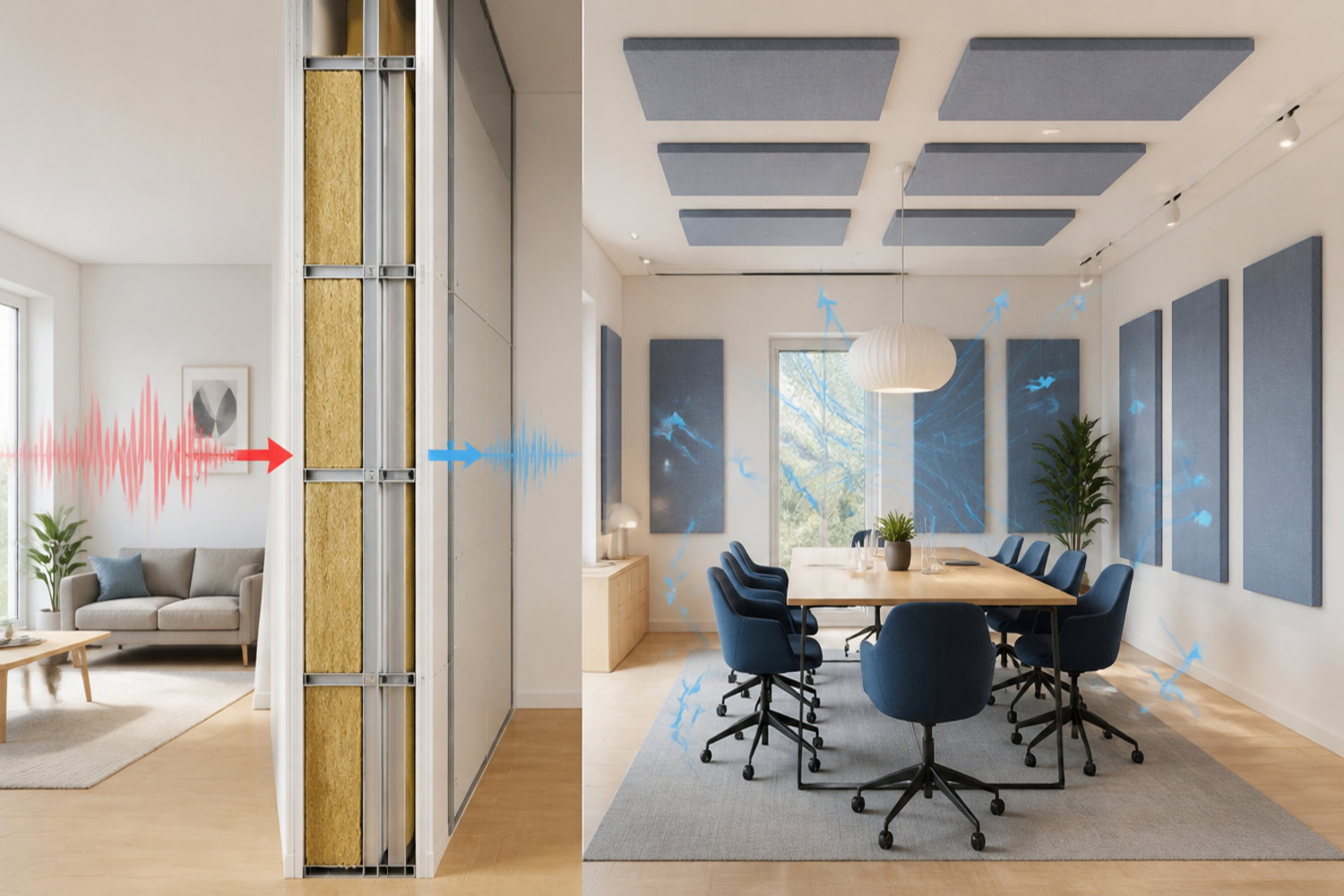
Vibration damping is about reducing sound and movement that travel through materials. Unlike airborne sound, which primarily travels through the air, impact sound and structure-borne sound can be transmitted through floors, walls, ceilings, joists, studs, machine feet, and other fixed structures. This is why the problem is often difficult to pinpoint. The sound may originate in one place but be clearly heard in another room, on another floor, or further away in the building.

What is impact sound?

Impact noise occurs when someone walks, runs, drops objects, or moves furniture on a floor. The energy from the impact travels down into the floor structure and can continue through joists, walls, and connections. To reduce impact sound, a thin, soft surface is rarely sufficient. The best results are typically achieved by combining mass, sealing, and a damping or decoupling layer in the floor’s construction.

What is structure-borne sound?

Structure-borne sound is sound that travels through the building’s structural framework itself. It can come from machinery, pumps, ventilation systems, exercise equipment, washing machines, compressors, speakers, or impacts and vibrations in floors and walls. Since structure-borne sound is transmitted through solid materials, the solution often needs to break or dampen the contact between the sound source and the structure. Therefore, decoupling, sealing, and vibration-damping materials are key components of an effective solution.

Commonly Used Products and Principles

For vibration damping, products such as Dampio PRO are used under machines and equipment; SilentDirect Polaric for damping and sound insulation on hard surfaces; SilentDirect MLV as a heavy barrier; and SilentDirect Neo roll for damping vibrations, resonance, and mechanical noise. In structures where joists, floors, ceilings, or walls would otherwise come into direct contact, SilentDirect Seal can be used as a vibration-damping and sealing layer at joints.

Important to Consider

An effective solution begins with distinguishing between airborne sound, impact sound, and structure-borne sound. If the problem is vibrations transmitted through the structure, you need to reduce mechanical transmission—not just improve the room’s acoustics. The right solution may involve damping the sound source, constructing a more damped floor, sealing joints, adding mass, or decoupling materials from one another. The goal is not to promise total silence, but to reduce sound transmission in a controlled and practical way.