



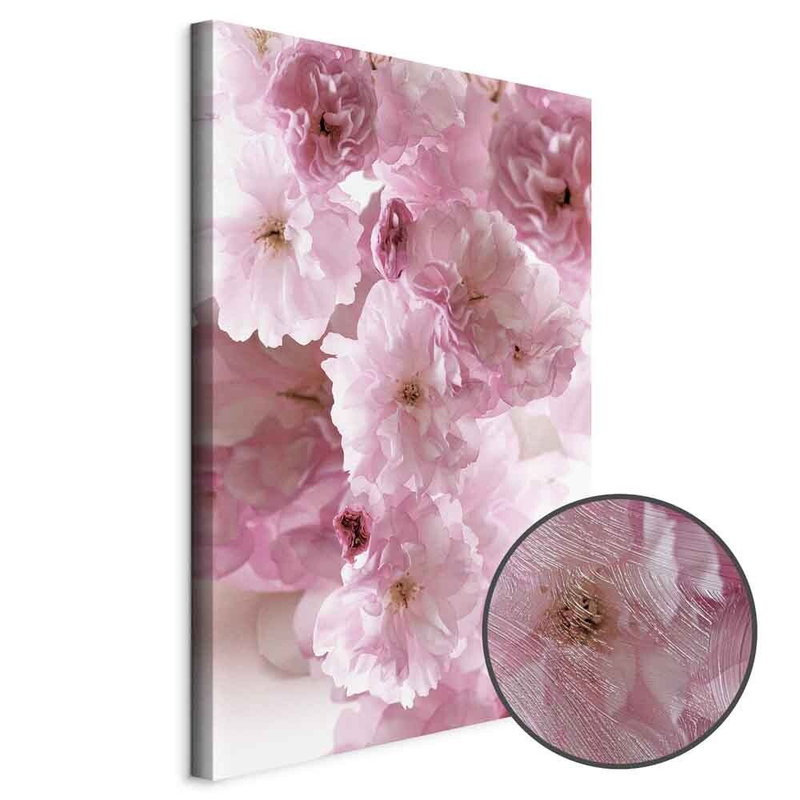
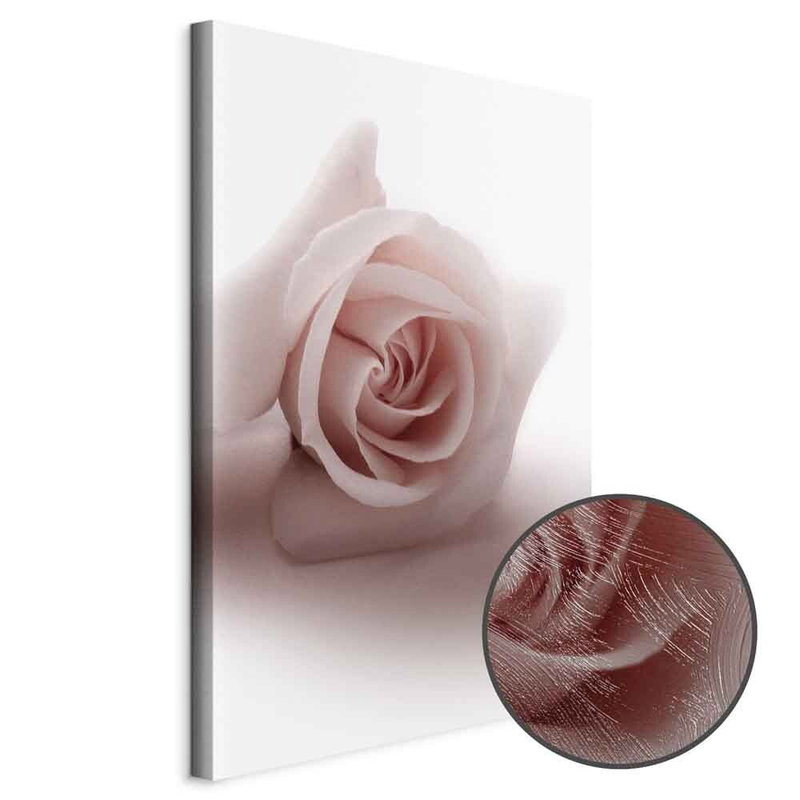
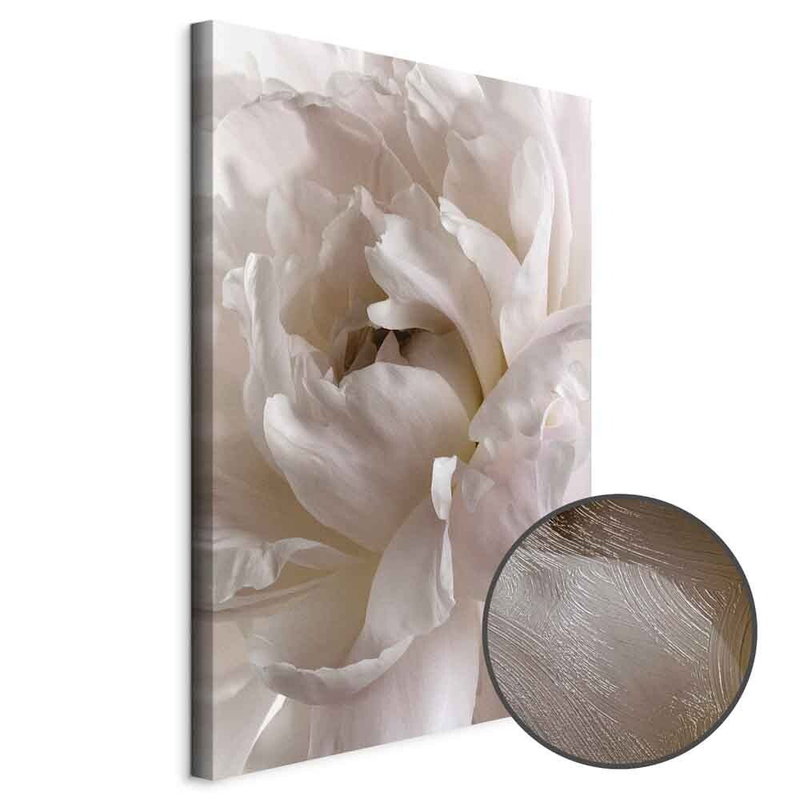
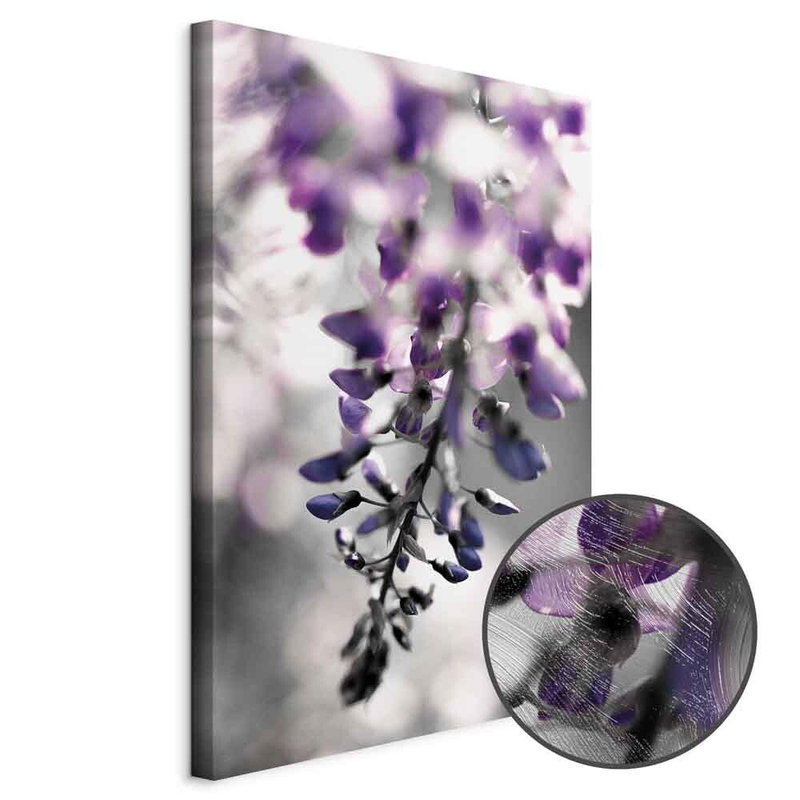

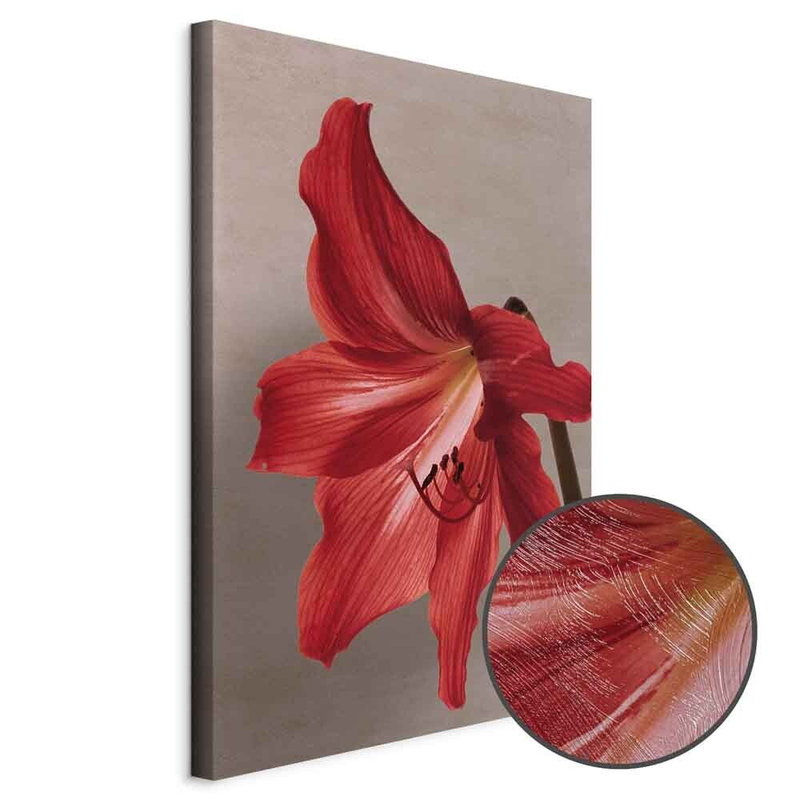
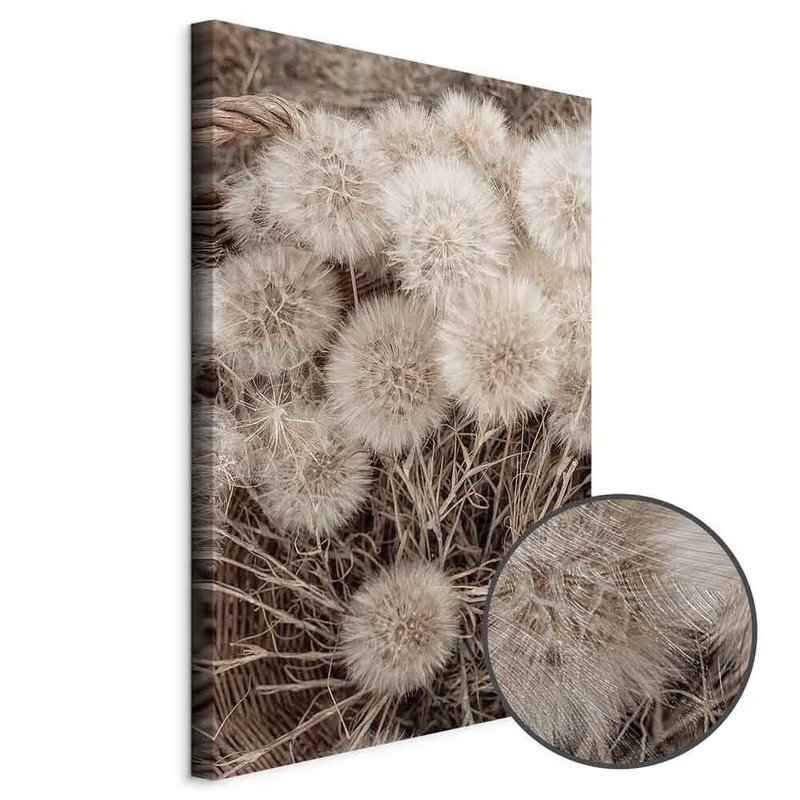
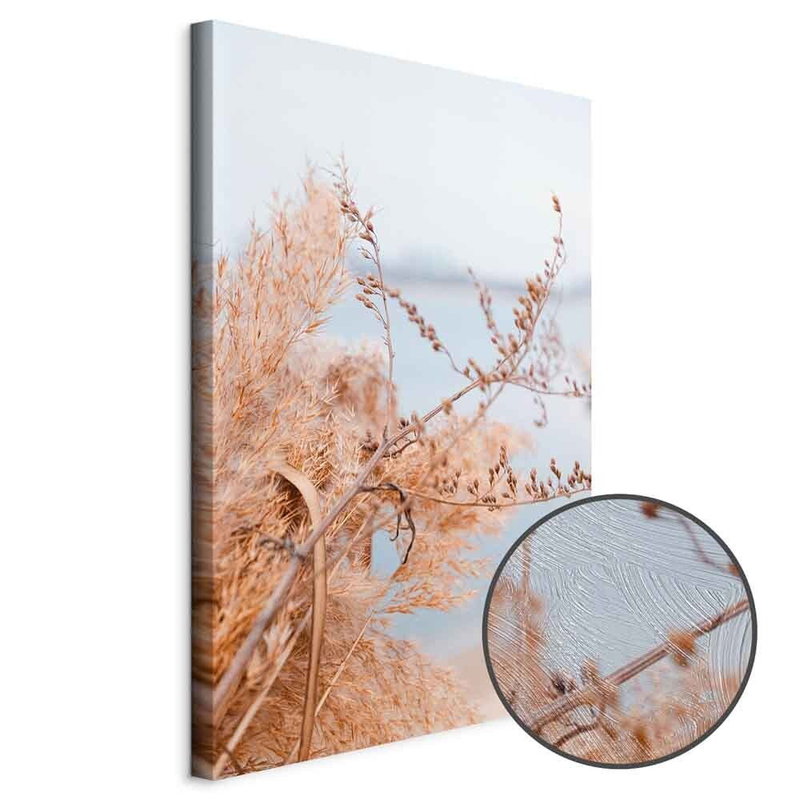
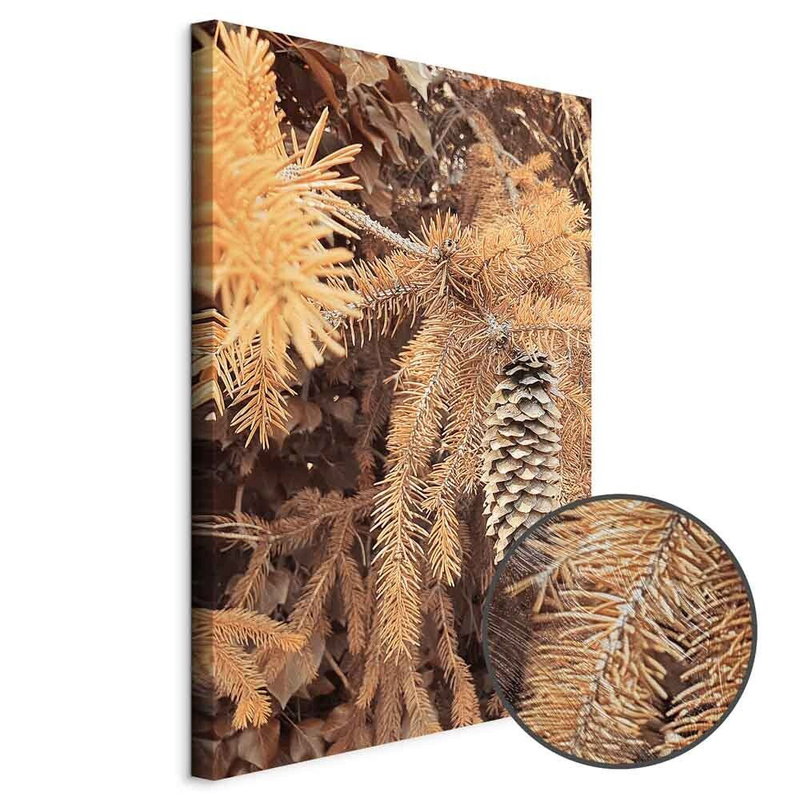

When a plant detail becomes the whole picture
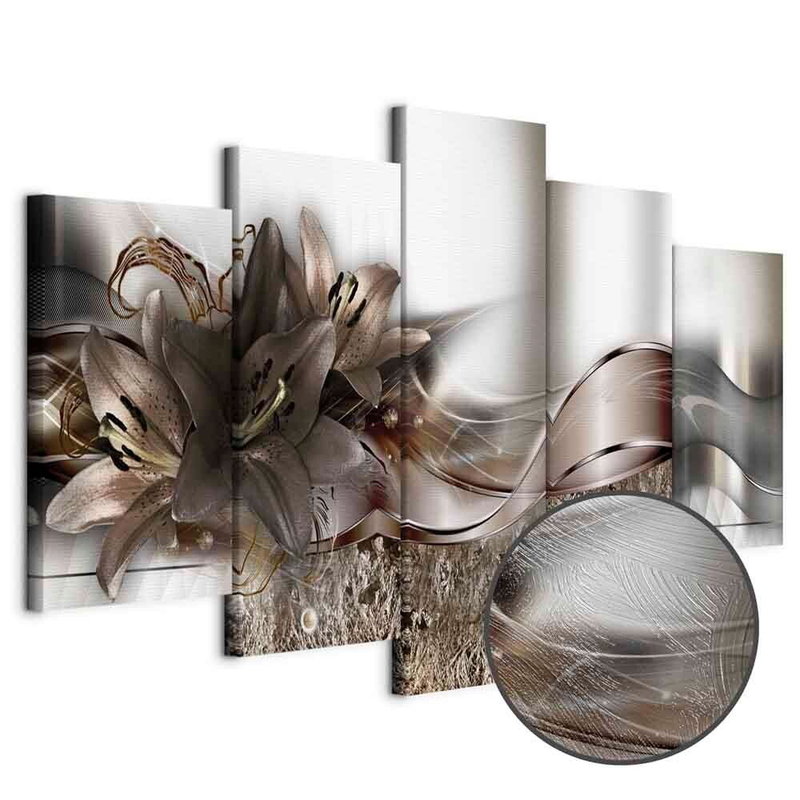
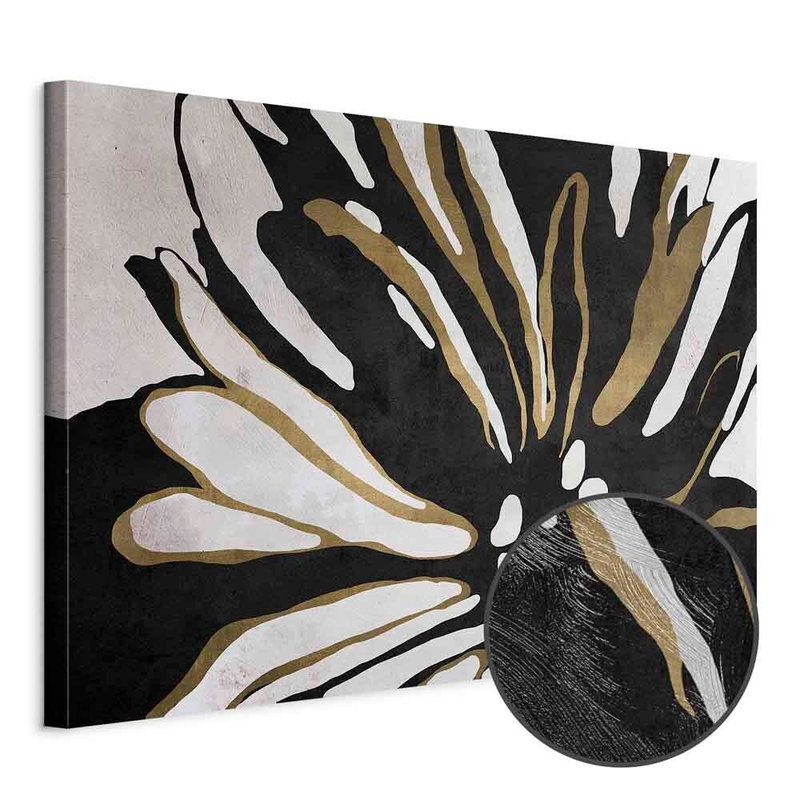
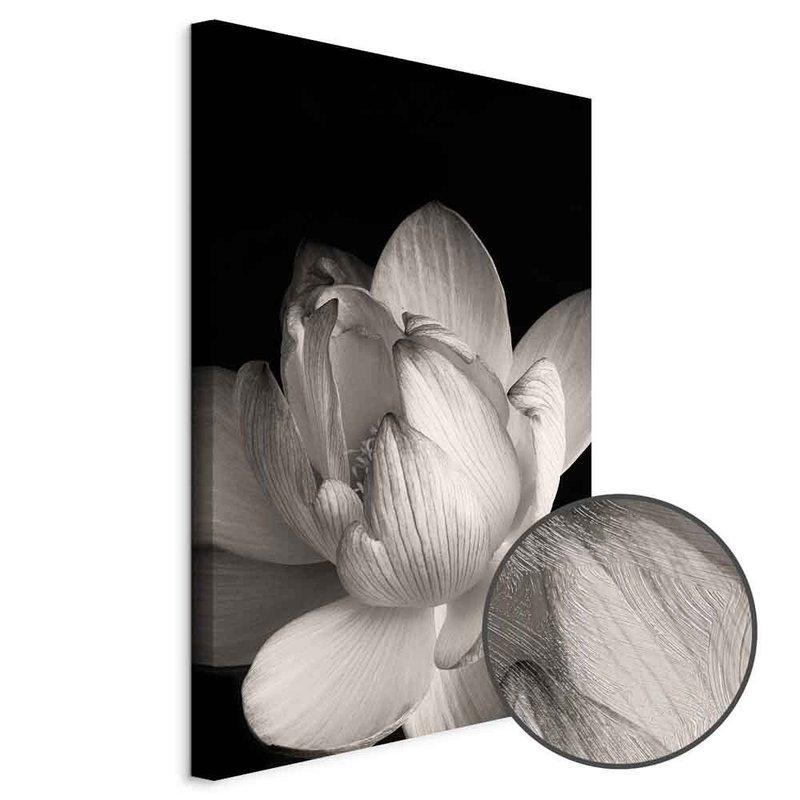
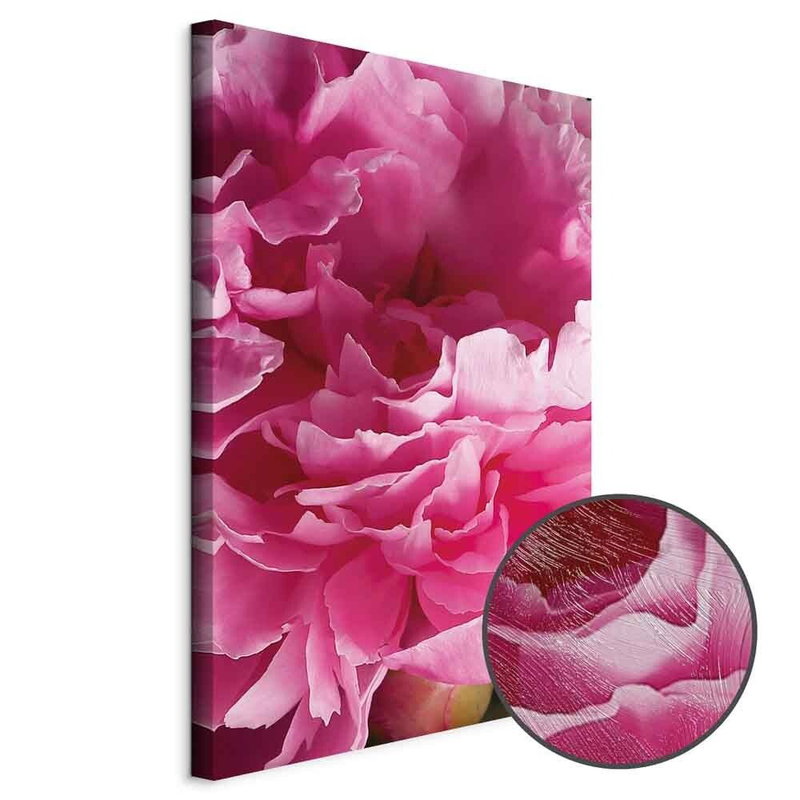
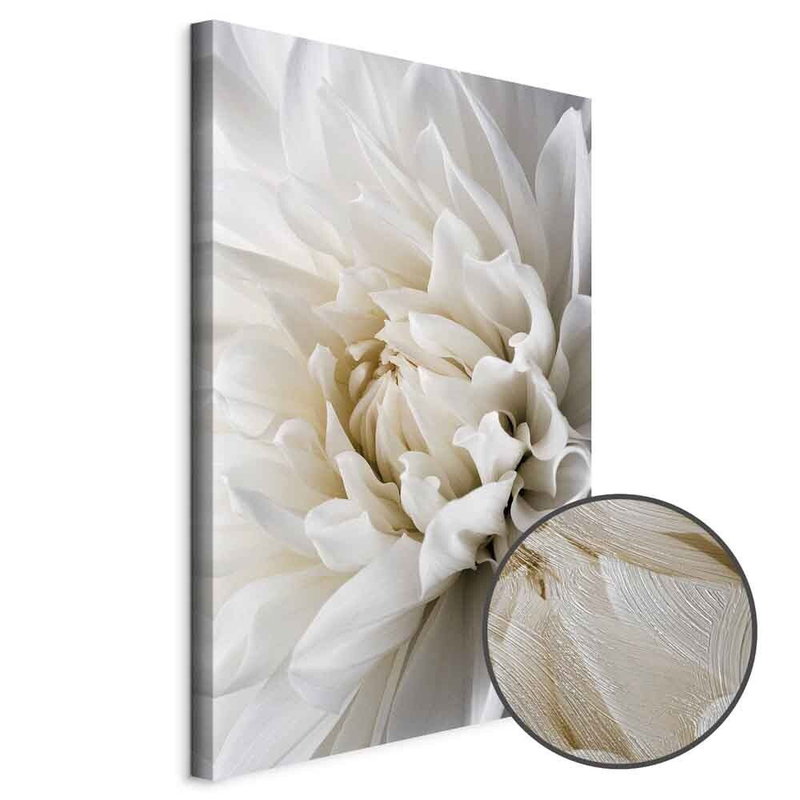
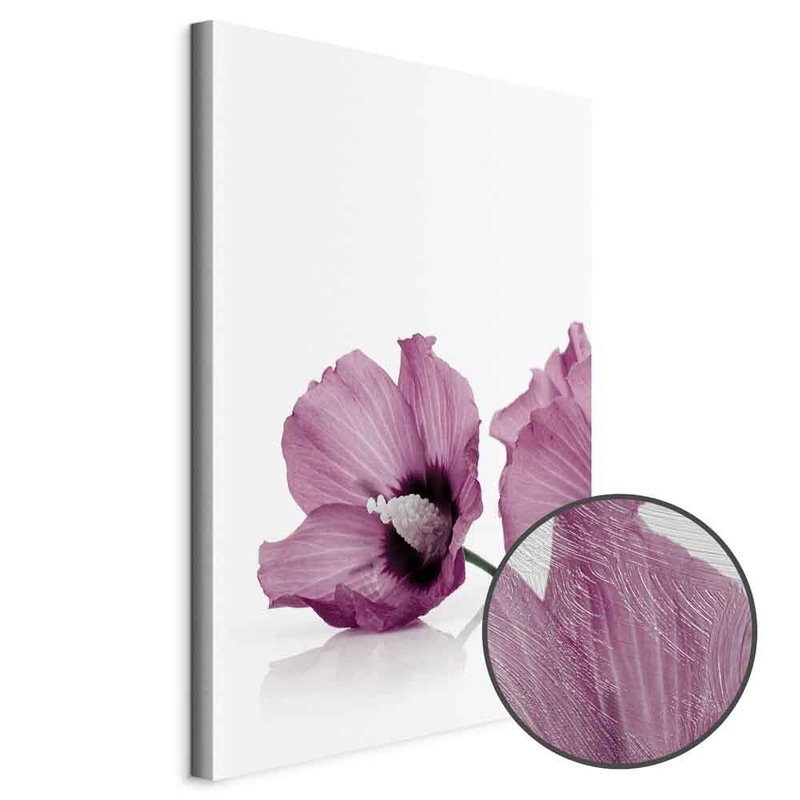
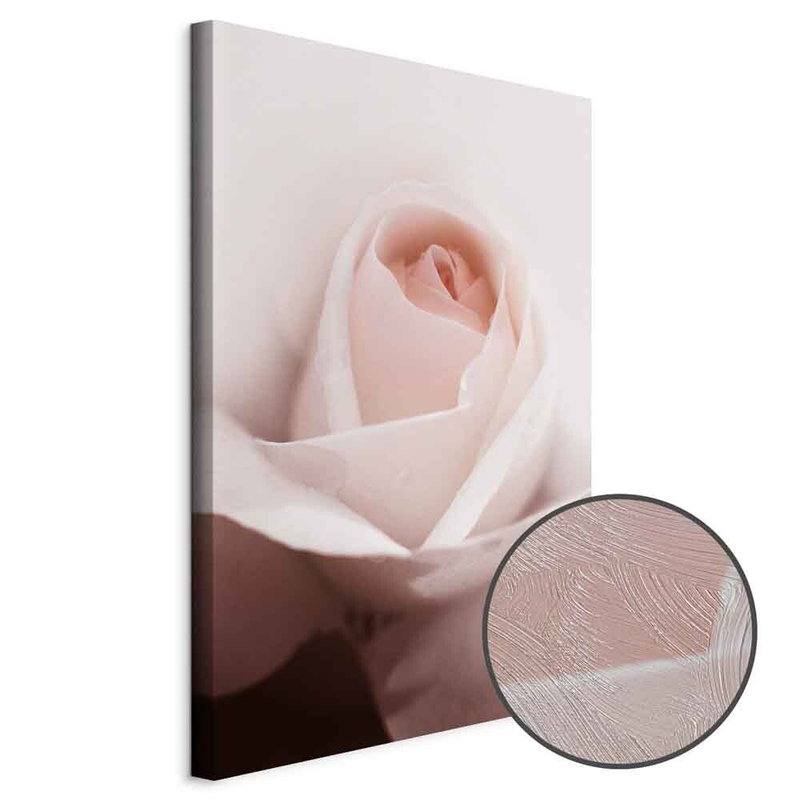
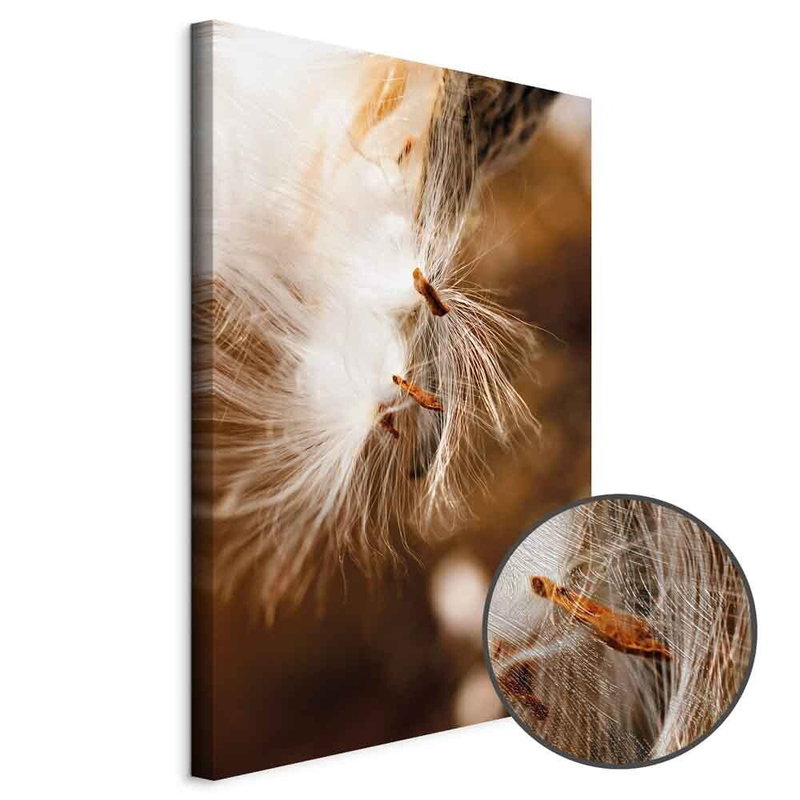
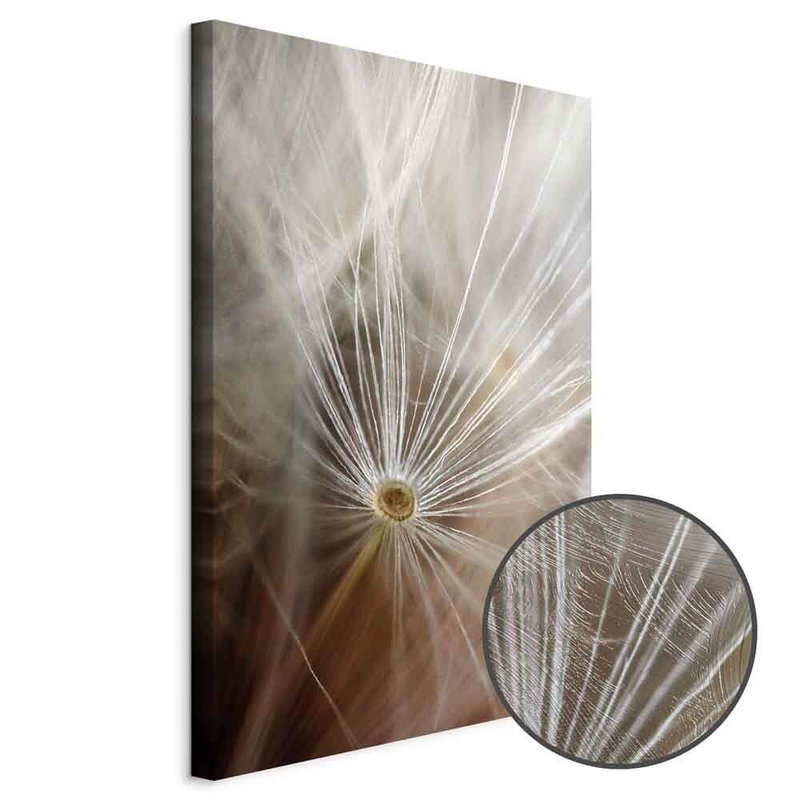
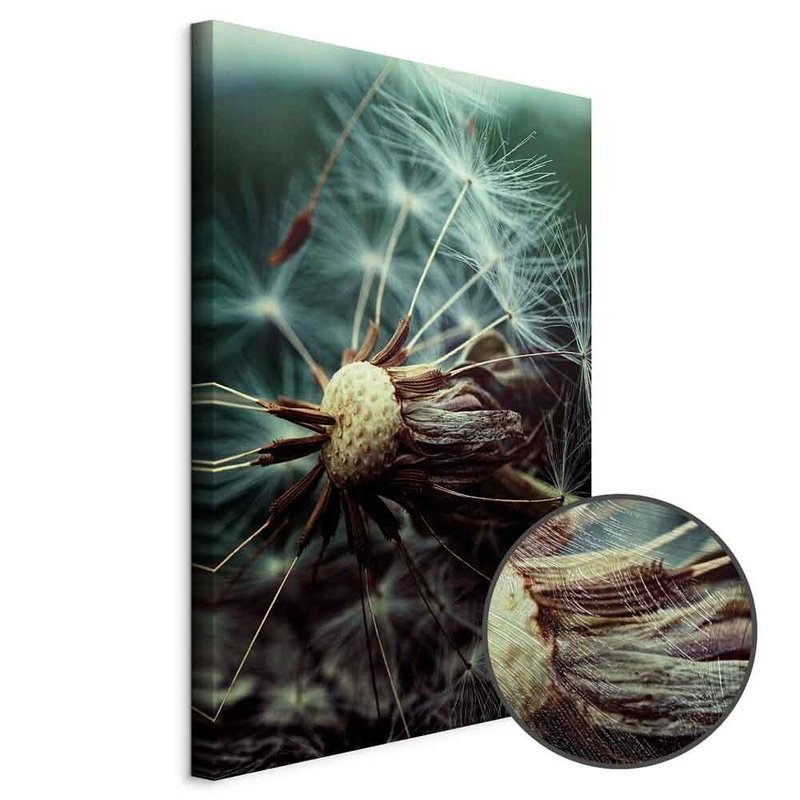
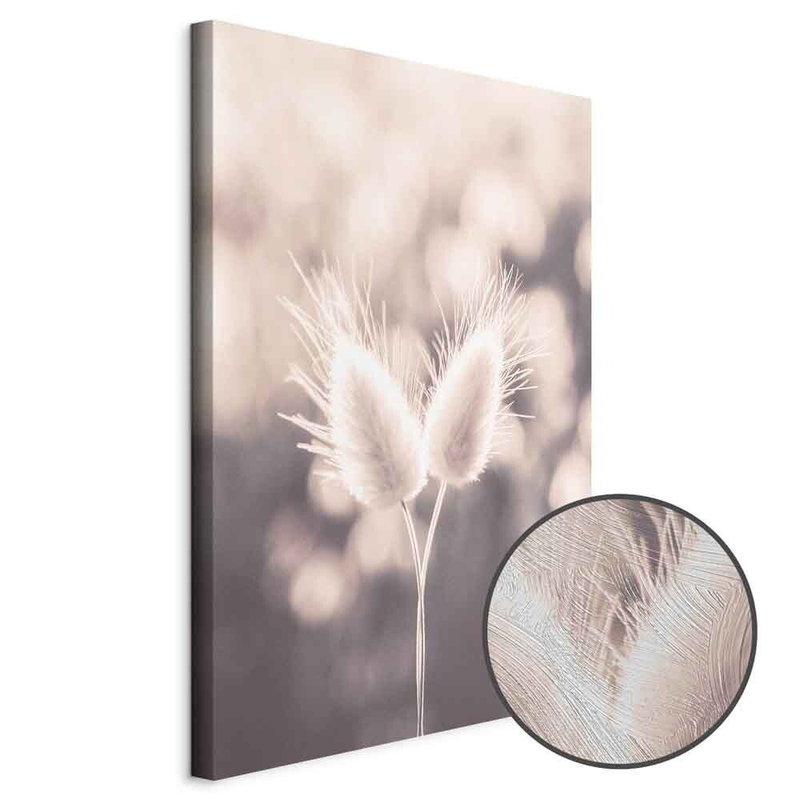
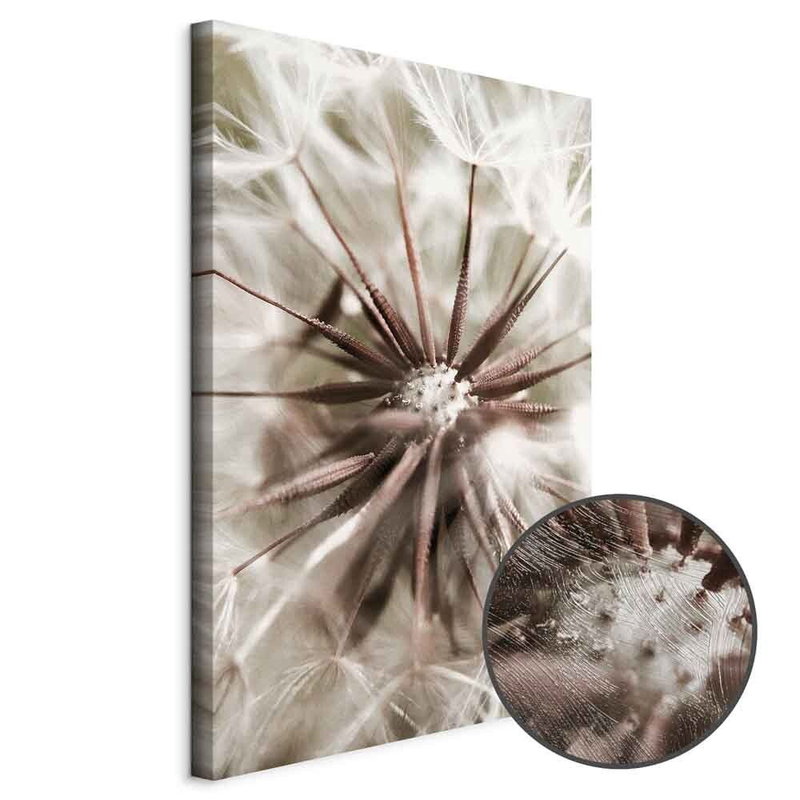
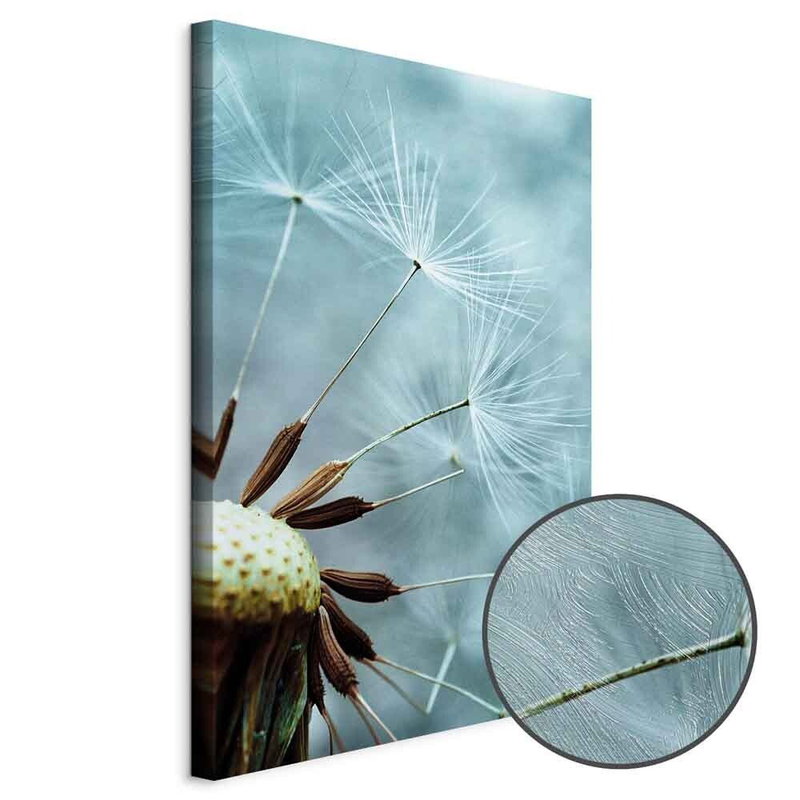
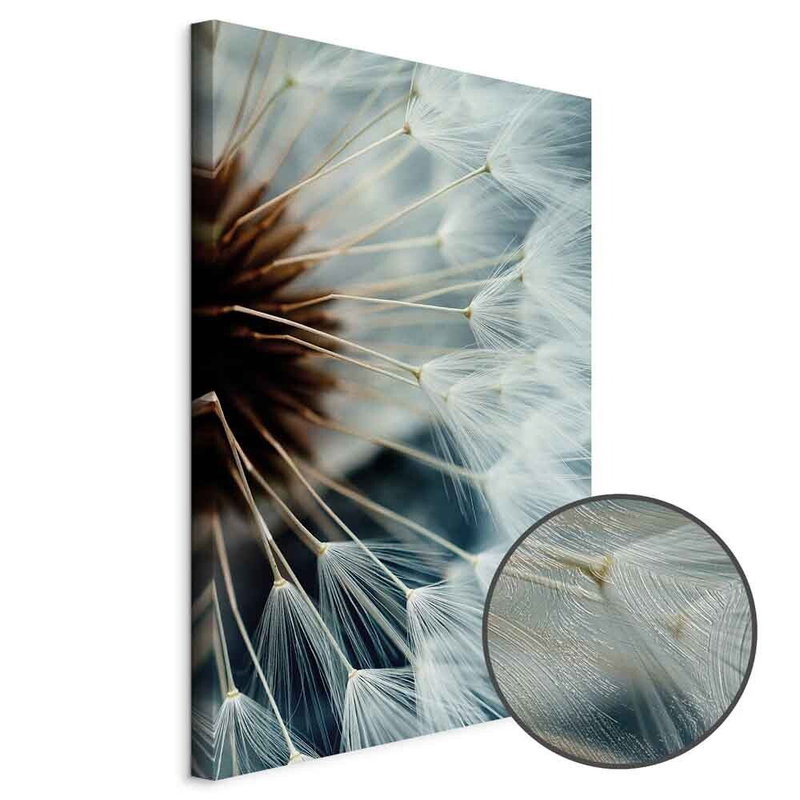
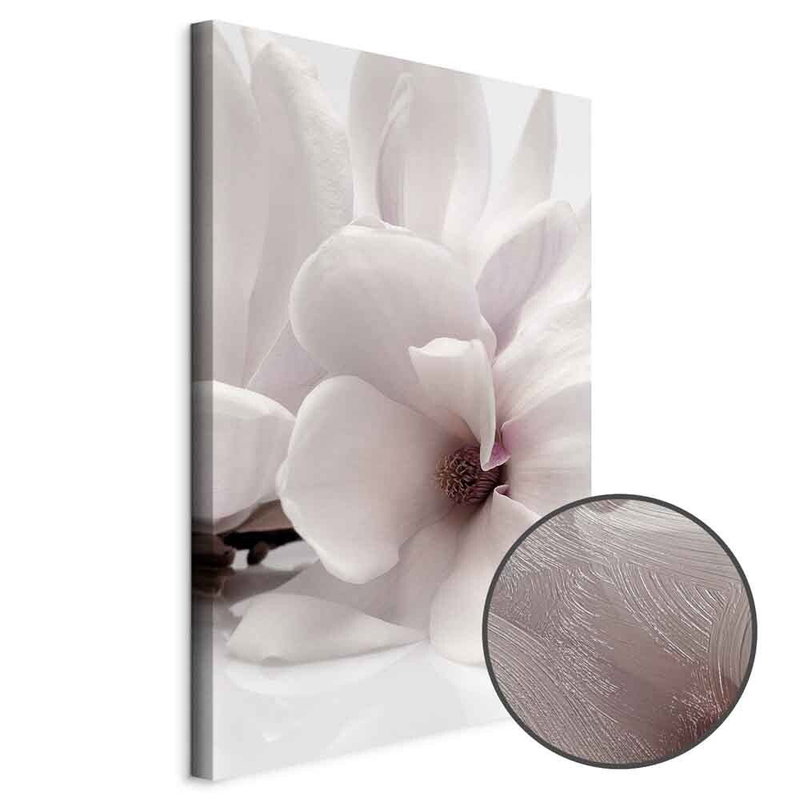
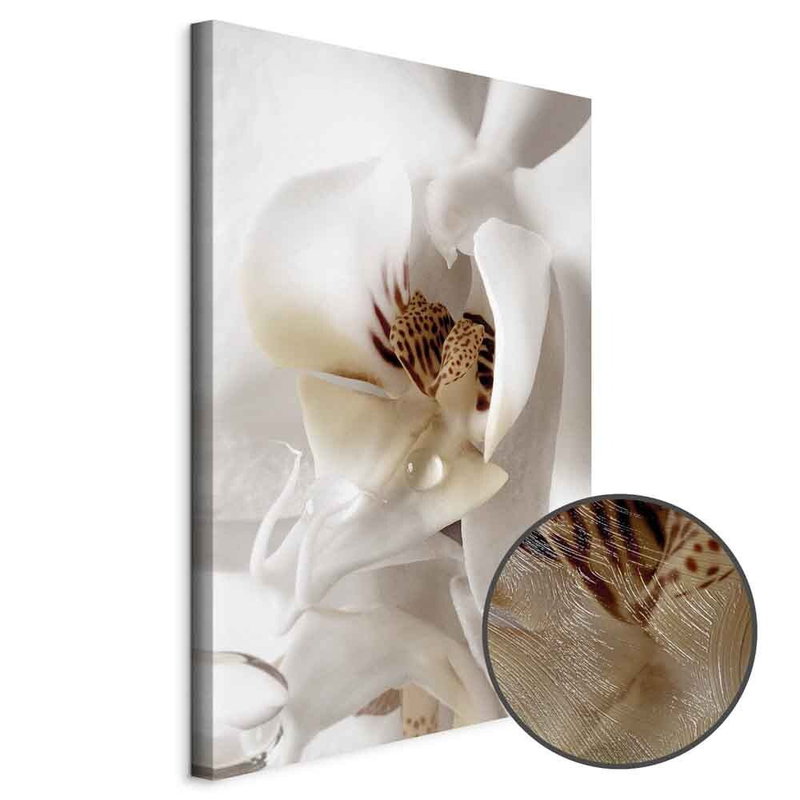
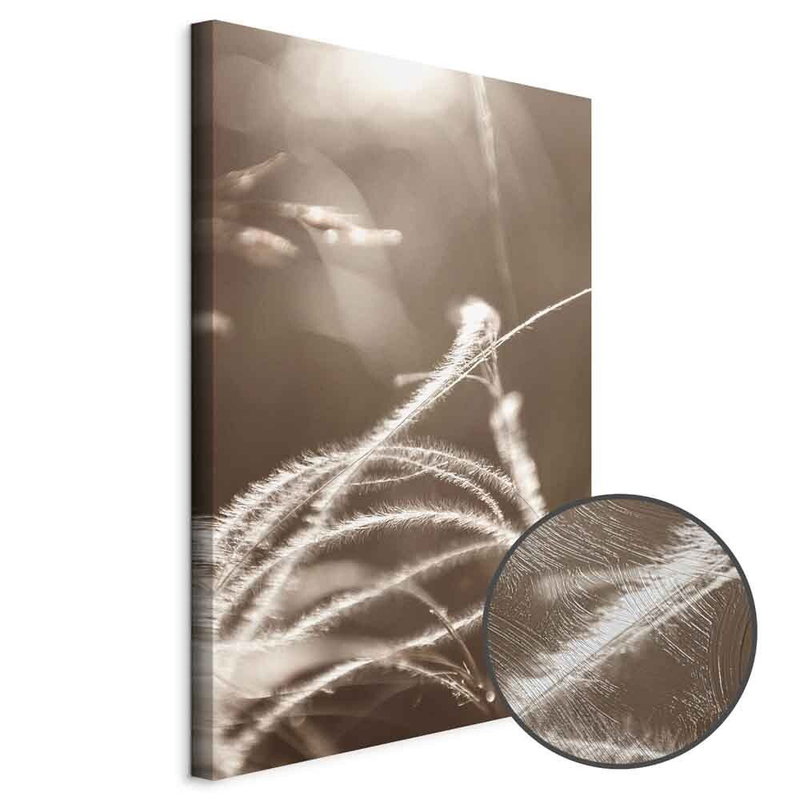
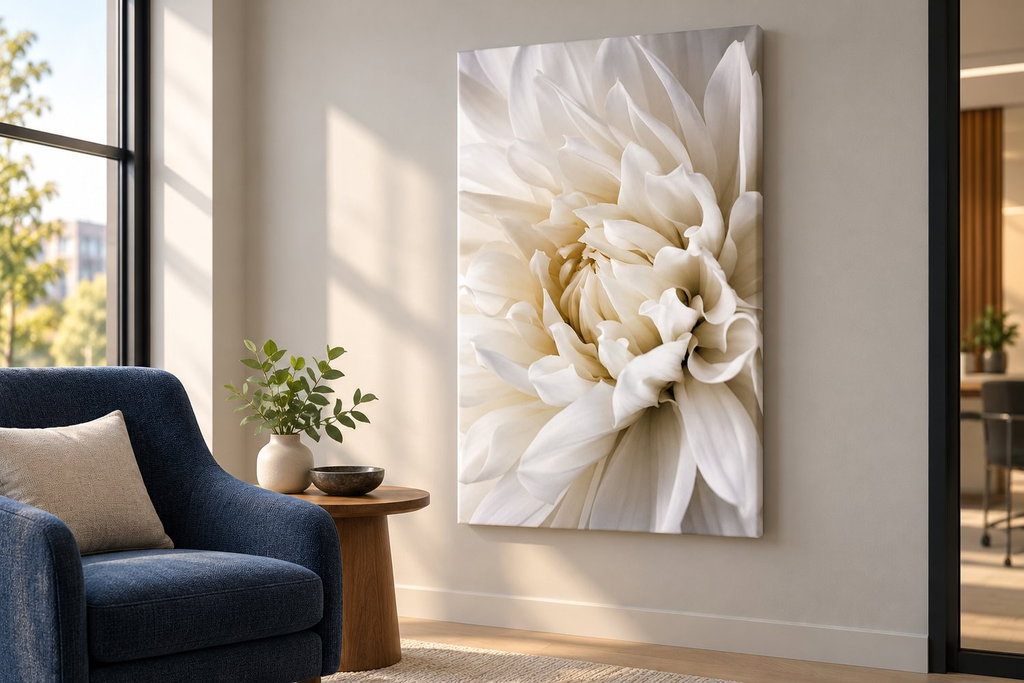
This group focuses closely on the plant. Petals may form soft layers across almost the entire image, while a seed head or blade of grass stands against a quieter background. There are photographic close-ups alongside processed botanical compositions. The group therefore extends beyond open flowers: seed pods, stems and other clearly visible plant details can also carry the composition.
Choose soft transitions or clear outlines
Start with how the picture should look from the room’s usual seating positions. Pale petals with subtle tonal differences may read as one surface from a distance and reveal more detail up close. A darker area around a light stem creates a different contrast. Colour and light within the print influence its appearance but do not change the chosen product’s construction.
Let the format follow the plant’s direction
An upright close-up can emphasise the movement of a stem or the height of a flower, while a landscape format gives room to broader petals and horizontal forms. Always compare the actual product image and the sizes offered for that particular subject. The range also includes botanical compositions spread across several canvas panels. Consider the width of the whole group and the gaps, so that furniture does not hide important parts of the plant.
Printed plant forms and the premium surface
The premium canvases have clear gel worked by hand over the canvas print. Real surface texture is part of the finish; pictured petals, droplets or a relief effect belong to the artwork. A photograph of a flower therefore does not mean that the flower shape is built as a physical sculpture on the canvas. Read the product’s material, size and hanging information when comparing options.
Place a detailed image where it can be seen
An open stretch of wall gives the botanical close-up space without competing with many small objects. Check both the sightline and lighting, especially for images built around very pale tones. The canvas’s absorbing construction can help reduce reverberation, but the result depends on other room surfaces, placement and total absorbing area. Choose the extent of treatment for the room and follow the mounting instructions for the particular model.