

• Free shipping
  • 5-year warranty
  • Fast delivery

Sound Insulation and Noise Reduction for Machinery – Creating a Quieter and More Efficient Work Environment

Machine noise often becomes more stressful when sound is reflected between concrete floors, sheet metal walls, ceilings, and other hard surfaces. Sound absorbers capture some of the airborne sound before it has a chance to bounce around the room. This can reduce reverberation, sharp sound reflections, and the general background noise that occurs when multiple machines are operating at the same time.

Absorbers should be placed where they encounter a high level of sound energy, but never in a way that compromises safety or the machine’s operation. The ceiling is usually our first recommendation, as it often provides a large, unobstructed absorption surface. Next, walls near the machine and safe surfaces within an existing enclosure can be treated. The placement must always leave air intakes, cooling systems, controls, emergency stops, hatches, and service access routes unobstructed.

At the same time, it is important to select measures based on the path of sound propagation. Sound absorbers improve the acoustic environment within the same room but do not automatically stop sound transmission through a wall, nor do they resolve vibrations transmitted through machine feet or foundations. Such problems may require vibration dampers, a sound-insulating barrier, or a properly designed enclosure as a complementary measure.

Recommended Products

The Benefits of Soundproofing Different Types of Machines

The noise level from machinery can have a significant impact on both the work environment and the surrounding area. Soundproofing machinery creates a healthier workplace, while also improving the machines’ service life and efficiency. Noise reduction also helps ensure compliance with legal requirements and minimizes disturbances in nearby areas. Here, we’ll go over the key benefits of soundproofing different types of machinery.

Better Work Environment and Health Protection
High noise levels in the workplace can lead to permanent hearing damage and create a stressful work environment. By reducing noise levels, the risk of hearing damage and other negative health effects is lowered. A quieter work environment also contributes to greater well-being and improved concentration, which can boost productivity. In addition to hearing damage, prolonged exposure to noise can cause stress and fatigue, which in turn can affect workplace safety. Reducing noise creates a safer work environment where employees can work efficiently without being disturbed by high noise levels.

Compliance with Laws and Regulations
Many countries have strict regulations regarding noise levels in the workplace. Soundproofing machinery ensures that the work environment complies with applicable regulations, thereby reducing the risk of legal issues and fines. Occupational safety and health agencies and other authorities often require companies to implement measures to reduce noise, particularly in industries where employees are exposed to high noise levels on a daily basis. Investing in soundproofing is therefore not only a matter of workplace safety but also a necessity for meeting legal requirements and avoiding penalties.

Longer service life and reduced wear on machinery
Noise from machinery often results from vibrations and mechanical wear. By soundproofing and dampening vibrations, the strain on machine components is reduced, which can extend the machine’s service life. Less wear and tear also means fewer repairs and lower maintenance costs, making noise reduction a financially sound investment. Noise reduction can also improve machine stability and performance. When vibrations are reduced, the machine operates more efficiently, leading to smoother operation and a reduced risk of unexpected downtime.

Energy Efficiency and Reduced Energy Consumption
Sound insulation can help improve a machine’s energy efficiency. Some machines lose energy through noise and vibrations, which can lead to higher energy consumption. By reducing these noise-related energy losses, the machine can operate more optimally and consume less energy. This is particularly relevant for industries where large machines are used continuously, as reduced energy consumption can lead to significant cost savings over time.

Increased Productivity and Work Focus
A noisy work environment can affect concentration and make it harder for employees to perform their tasks efficiently. Soundproofing machinery reduces background noise, creating a quieter and more focused workplace. Less noise means fewer distractions, which can lead to higher productivity and better work performance. This is particularly important in work environments where accuracy and precision are required, such as the manufacturing industry, laboratories, and office environments where machinery is used.

Reduced Noise Disturbance in the Surrounding Area
Machine noise can be a major source of disturbance for both workplaces and nearby residential areas. By soundproofing machines, the noise impact on the surrounding area can be significantly reduced. This is particularly important in areas where residential properties or other workplaces are located near industrial operations. Companies that reduce their noise impact also demonstrate social responsibility and enhance their reputation. By investing in noise reduction, companies can build better relationships with local residents and reduce complaints about disruptive noise.

Key Facts About Machine Noise Reduction.

Absorbers absorb airborne sound energy and reduce the amount of sound reflected back from the room's hard surfaces.

The ceiling is usually the top priority

A large, unobstructed ceiling area can be treated without encroaching on the machinery’s operational, safety, and service zones.

Proximity to the sound source is effective

Absorption on nearby reflective surfaces can capture the sound before it spreads throughout the entire industrial facility.

More material isn’t always better placed

A well-thought-out placement on the ceiling and near reflective surfaces often provides greater benefit than randomly scattering small absorbers throughout the facility.

Ventilation must remain unobstructed

Air intakes, exhaust vents, and cooling systems must never be covered, as impaired ventilation can affect both safety and the service life of the machinery.

Structure-borne noise requires a different approach

Vibrations transmitted through feet, foundations, pipes, or building components typically require vibration damping.

Sound insulation and absorption serve different purposes

Absorption improves the acoustic environment within a space, while a dense and heavy barrier is used when sound transmission to other areas needs to be limited.

The results should be verified

Compare sound levels and reverberation before and after installation from the same locations and with the same machinery in operation to determine whether the measure needs to be adjusted.

How to Soundproof a Machine with Sound Absorbers

Start by examining both the machine and the room. A good solution involves placing sound absorbers where sound is reflected early on, while ensuring that the machine’s safety, ventilation, and maintenance requirements remain unaffected. We recommend the following procedure.

Step 1 – Identify how the sound propagates

Listen from several locations while the machine is operating under normal load. A sharp, sustained sound heard throughout much of the space often indicates airborne sound and distinct room reflections. If the noise changes significantly as you move closer to a wall or stand under a hard ceiling, these surfaces may be important reflection points.

Do not touch an unguarded machine while it is running. When it is safe to do so, check for vibrations in the foundation, floor, or connections according to the facility’s procedures. A dull hum that spreads throughout the building often indicates structure-borne noise. In such cases, sound absorbers alone are not sufficient.

Step 2 – Document the Initial Situation

Note which machines are running, their load, measurement location, and distance. Take comparative noise measurements at the same locations and listen to how long the sound lingers after a machine is turned off. The purpose is not only to identify the highest noise level but also to understand where reflections build up and which workstations are affected.

Step 3 – Start with the ceiling

SilentDirect typically recommends that the ceiling be sound-absorbed first. In an industrial facility, the ceiling is often the largest unobstructed surface and can be treated without blocking walkways or machine service areas. For typical industrial reverberation, PES Ceiling Industry may be suitable. In larger facilities, with high ceilings, or for more extensive noise problems, PES Ceiling Deep Industry can provide greater absorption depth.

Plan the installation above the noisy work zone, but check load-bearing capacity, sprinklers, light fixtures, overhead cranes, ventilation, and required clearances. The mounting must be adapted to the ceiling’s construction and the product’s installation instructions.

Step 4 – Treat the walls’ early reflection points

Once the ceiling has been planned, move on to the walls closest to the machine or those receiving direct sound. PES Wall Industry is suitable when a robust, fabric-free wall absorber is needed. For more significant issues requiring a deeper absorbing layer, PES Wall Deep Industry may be an alternative.

Do not place the panels behind hot components, where they risk mechanical damage, or on surfaces that need to be opened regularly. Leave space for cleaning and inspection. If the environment contains moisture, oil mist, chemicals, or has specific hygiene requirements, the choice of material must be verified for that particular space.

Step 5 – Dampen solid surfaces near the sound source

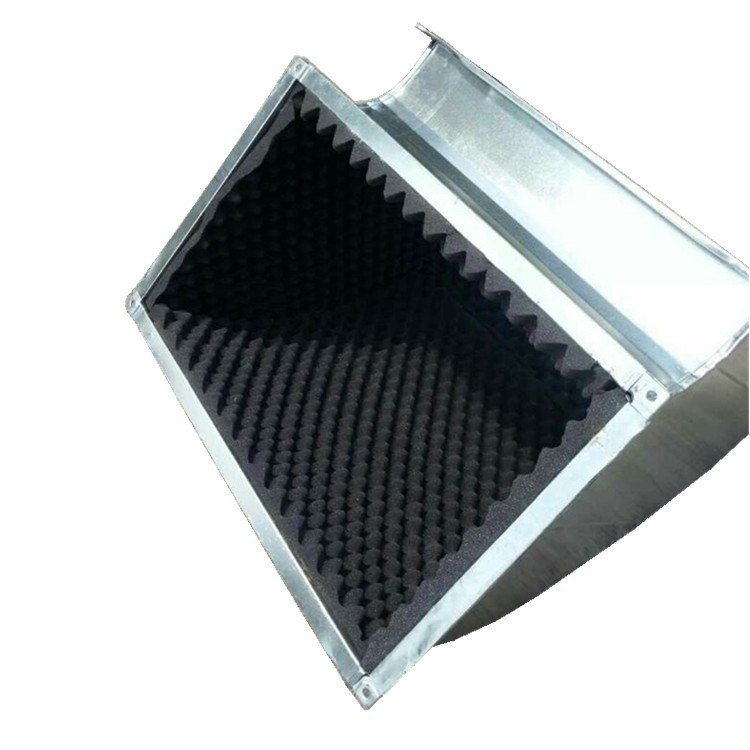
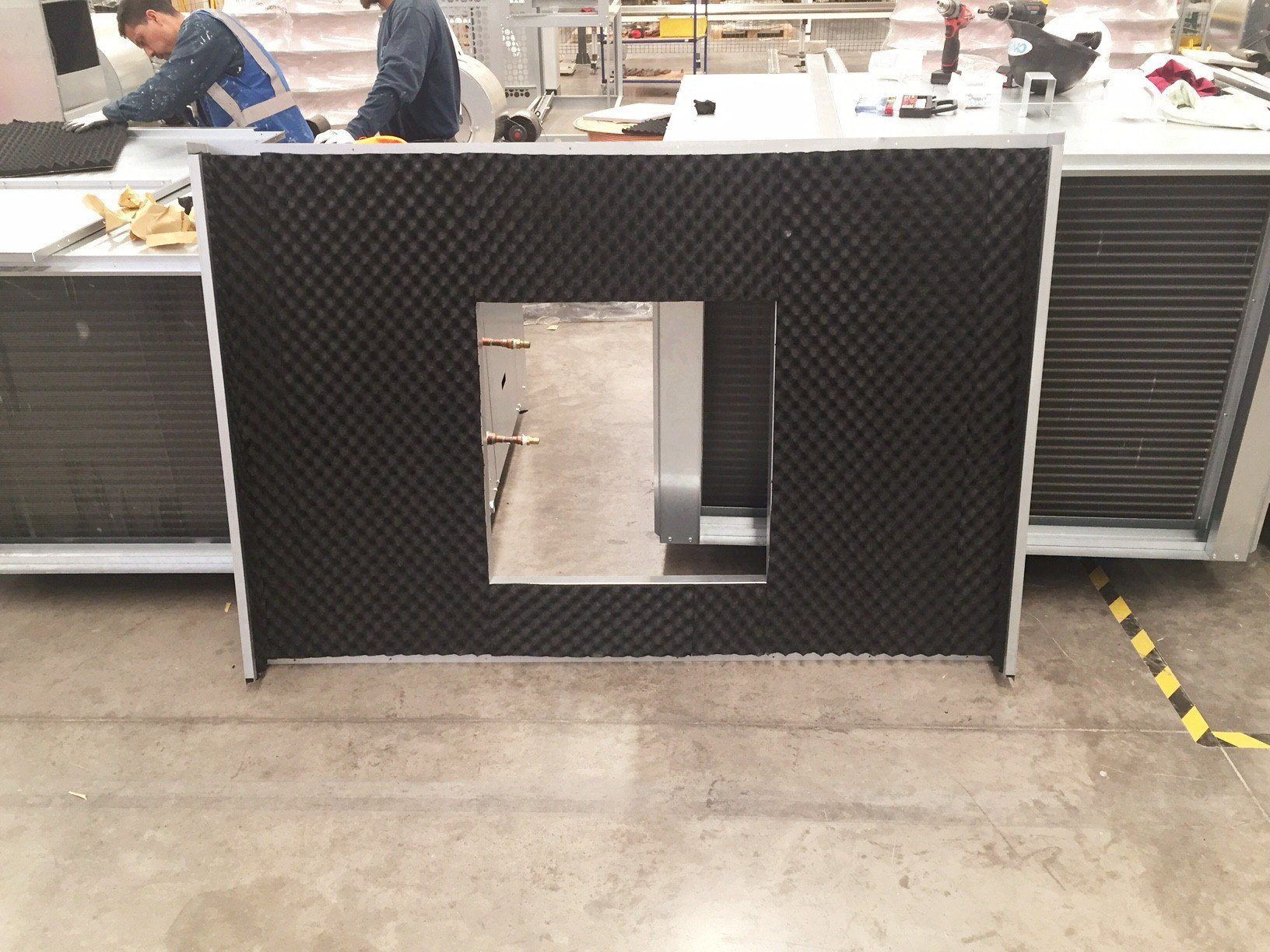
In an existing machine enclosure, sound absorption can reduce sound reflections inside the enclosure. SilentDirect Egg has a profiled structure and is designed for use in machines and enclosures, among other applications. SilentDirect Egg roll can be practical for larger or irregular surfaces, while SilentDirect Neo provides a smooth surface.

Install only on clean, dry, and smooth surfaces, and follow the product instructions. First, check temperature limits, fire safety requirements, and the machine manufacturer’s approval. The sound-absorbing material must not cover air intakes, fans, cooling ducts, sensors, controls, emergency stop buttons, or inspection hatches. It must also not be able to come loose and come into contact with moving parts.

Step 6 – Address Vibrations Separately

If the machine transmits vibrations to the floor, the machine feet and foundation must be inspected. Dampio PRO is designed for machine feet, pumps, and equipment that transmit vibrations down into hard surfaces. Load, stability, and placement must be checked before installation. Vibration dampers are a complement to room absorption and should not be chosen as a replacement when the problem is primarily echo or airborne sound.

Step 7 – Evaluate and Fine-Tune

Repeat the measurements using the same machines, load, and measurement points. Assess the sound level, reverberation, and how clearly the machine noise is heard at nearby workstations. If the reflections are still strong, additional ceiling or wall surfaces may need to be treated.

If the sound primarily travels to another room, you should instead investigate the structure’s sound insulation. If sound needs to be blocked in an accessible area, a suitable barrier may be appropriate, but it must never be constructed in a way that impedes the machine’s ventilation or emergency and service access routes. In cases of high noise levels or complex machine installations, we recommend that an acoustics engineer, occupational health and safety specialist, or machine supplier be involved in the planning process.

Hur ljuddämpar man maskiner med ljudabsorbenter?

Place sound-absorbing material near the sound source

Effectively reducing noise levels in a space is not just about blocking sound, but also about strategically placing sound-absorbing materials where they are most effective. By placing acoustic panels or sound-absorbing foam as close to the sound source as possible, sound waves can be dampened before they spread further into the room.

Sound Absorption at the Source Reduces Sound Propagation

When sound is generated, it propagates in the form of waves that reflect off hard surfaces. These reflections amplify the sound and create a higher noise level than necessary. By applying sound-absorbing materials directly to surfaces near the sound source—such as engine hoods, compressor housings, or other noisy components—sound waves can be absorbed before they have a chance to bounce off. This leads to a noticeable reduction in unwanted noise and a more pleasant acoustic environment.

Effective Sound-Absorbing Materials

Not all sound-absorbing materials are equally effective. High-quality products with good sound absorption capabilities are required to achieve the best possible results. SilentDirect Egg is one of the most effective solutions for this type of noise problem. With its unique structure and high density, it effectively absorbs sound waves and reduces noise levels where they are needed most.

Tailor the solution to your needs

Different environments require different solutions. In an industrial setting where machines and compressors generate high noise levels, it is crucial to use materials that can withstand harsh conditions while providing optimal sound absorption. In home environments, this may involve placing sound absorbers near speakers, televisions, or other sound sources to create a quieter atmosphere. By tailoring the placement of sound-absorbing materials to the specific conditions, you can achieve the best possible sound attenuation.

Use sound-absorbing enclosures for effective noise reduction

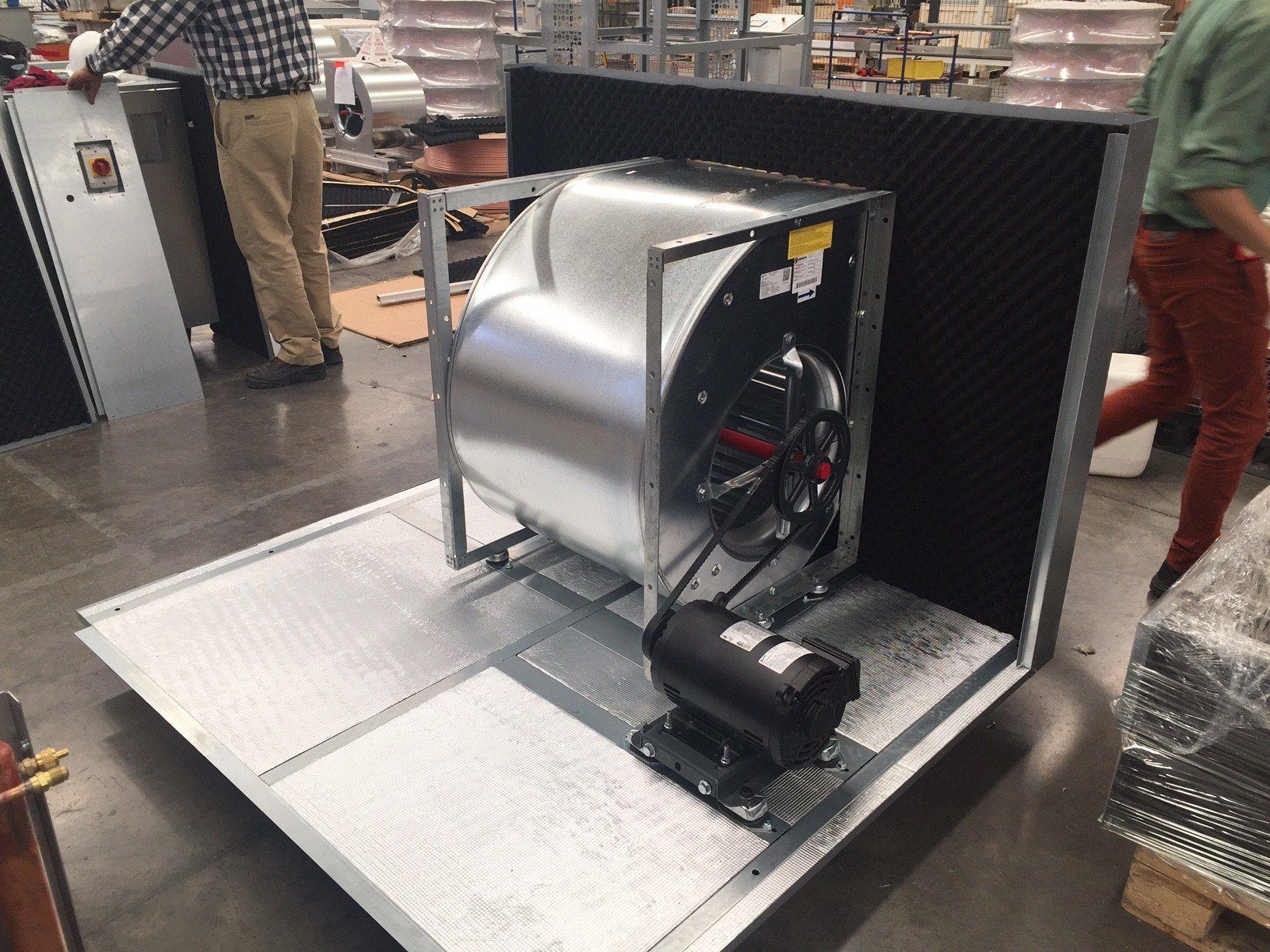
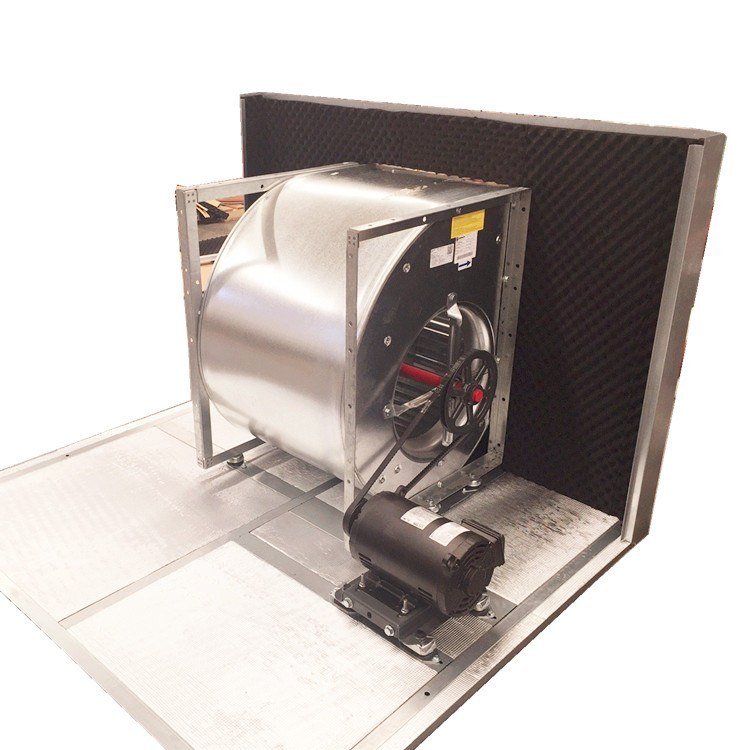
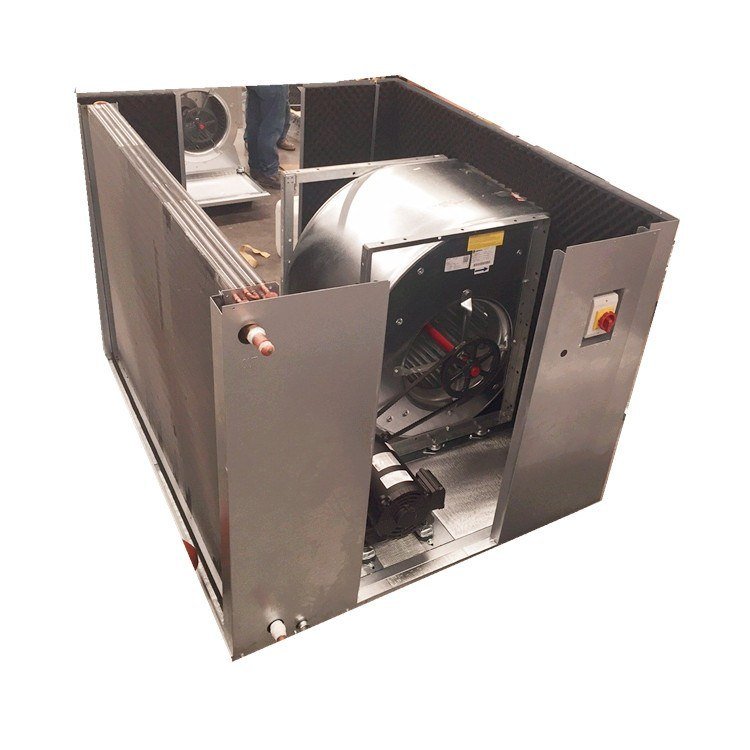
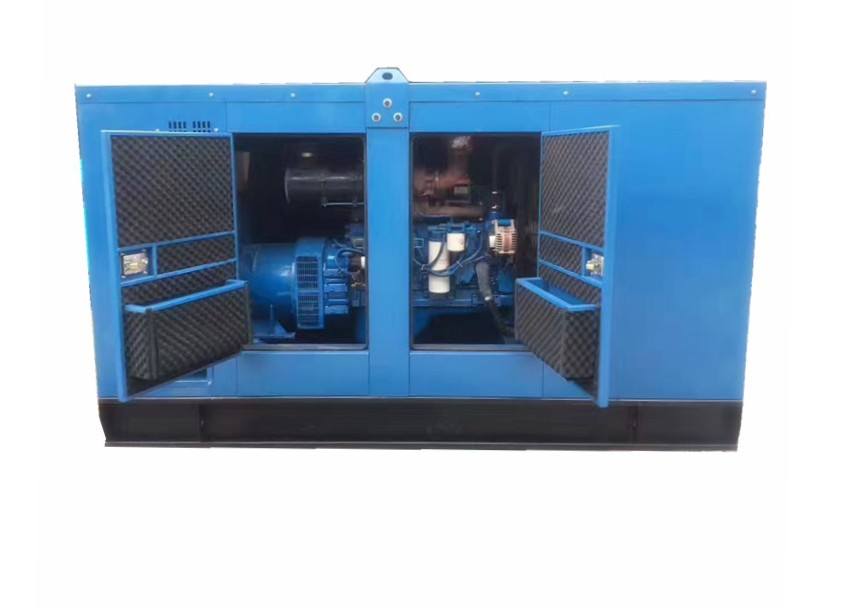
To reduce noise from machinery and other sound sources, an effective strategy is to use sound-absorbing enclosures or hoods. These structures surround the sound source and limit sound propagation by absorbing and dampening sound waves before they can spread further into the surrounding environment.

Sound-absorbing enclosures reduce both noise and vibrations

Sound-absorbing enclosures are particularly useful in environments where machinery and equipment generate high noise levels. By using materials with sound-absorbing properties, these enclosures can not only reduce noise levels but also prevent sound from being reflected and amplified by surrounding surfaces. A well-designed sound enclosure acts as a barrier that encapsulates the sound, creating a more comfortable and quiet work environment.

Optimize Sound Attenuation with the Right Materials

To achieve the best possible results, the enclosure or housing should be combined with effective sound-absorbing materials. Regardless of whether the structure is made of sheet metal, plastic, or another material, we recommend first applying SilentDirect Polaric. This damping mat reduces the natural frequency of the material, which means it effectively dampens vibrations and prevents the material itself from contributing to sound amplification.

Installing SilentDirect Polaric as a base creates a stable foundation that both seals the material and reduces unwanted resonances. For additional sound absorption, we recommend installing SilentDirect Egg on top of the damping mat. This combination provides powerful sound damping, with SilentDirect Polaric handling vibrations and sealing, while SilentDirect Egg absorbs remaining sound waves and minimizes sound propagation.

Customize the solution to your needs

Depending on the intensity of the sound source and the environment where the enclosure will be used, different solutions may be appropriate. In industrial settings, it may be crucial to use robust, high-density sound enclosures to dampen high noise levels, while smaller sound enclosures may be suitable in office or home environments where noise from, for example, heat pumps or generators needs to be dampened.

Choosing the right materials and installing them correctly is the key to an effective solution. A combination of SilentDirect Polaric and SilentDirect Egg creates a sound-absorbing structure that reduces both noise and vibrations, making the acoustic environment significantly more pleasant.

Soundproof the machine for a quieter environment

Machinery and industrial equipment often generate high noise levels that can affect both the work environment and the surrounding area. To effectively reduce noise, it is important to use the right noise-reduction measures that combine sound insulation, vibration damping, and sound absorption. By tailoring these methods to the machine’s characteristics, noise levels can be significantly reduced, leading to a more comfortable workplace and lower noise emissions.

Isolate Vibrations and Minimize Sound Transmission

One of the main reasons machines generate high noise levels is vibrations that are transmitted to surrounding surfaces. By placing sound-insulating materials around the machine, sound vibrations can be effectively dampened before they spread to walls, floors, and other structures. To further reduce vibrations, the machine can be mounted on rubber pads or other vibration-damping materials. This prevents vibrations from propagating and amplifying noise levels in the room. If possible, an effective solution is to build a sound-insulating and vibration-damping platform beneath the machine. Such a platform can be built either as a complete structure beneath the machine or by isolating only the areas where the machine’s feet contact the floor. A carefully designed sound-insulating platform can significantly reduce both low-frequency and high-frequency vibrations.

Sound-absorbing materials on surrounding surfaces

Sound that is not absorbed at the source is reflected and amplified by surrounding walls, ceilings, and other hard surfaces. This can make the noise seem louder than it actually is. By installing sound-absorbing materials on nearby walls and ceilings, these reflections can be minimized. This is particularly important if the machine is located in a cramped or enclosed space where sound waves can bounce multiple times before they fade. By using effective sound absorbers on walls and ceilings, the reverberation time in the room can be reduced, causing the sound to fade more quickly and making it less disruptive.

Build sound barriers and enclosures

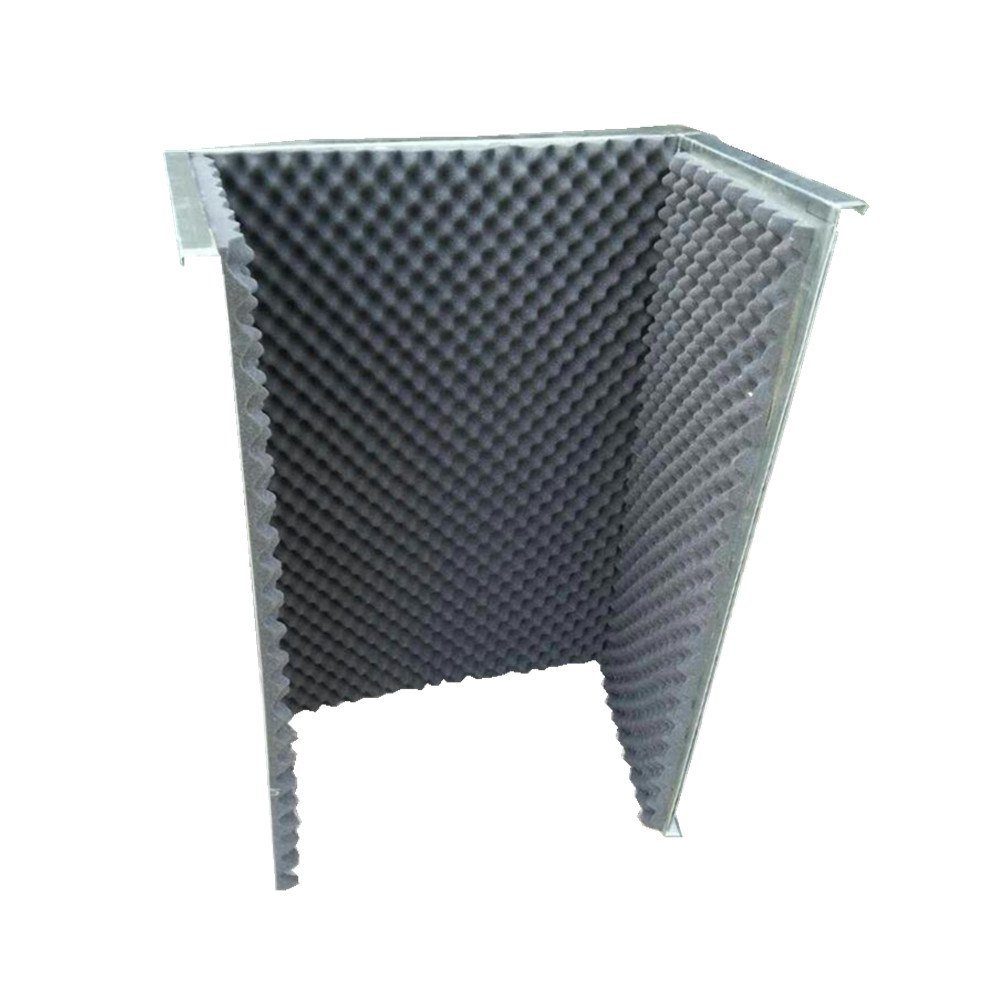
To further reduce the spread of sound from the machine, physical enclosures or sound barriers can be built around it. These barriers can be made of high-density materials such as sound-insulating fiber panels and other specially developed sound-insulating materials. For optimal sound attenuation, the interior of these enclosures should be lined with sound-absorbing material, such as SilentDirect Egg. This ensures that sound waves hitting the barrier are absorbed rather than reflected, resulting in more effective noise reduction.

Combine Multiple Sound-Dampening Methods

Achieving truly effective sound attenuation often requires a combination of different measures. By isolating vibrations, absorbing sound on nearby surfaces, and constructing sound barriers, a holistic solution is created that minimizes noise from multiple sources.

Before taking any action, it is important to analyze the noise source and understand its specific characteristics. Some machines primarily generate low-frequency noise, while others produce high-frequency sounds. By tailoring noise reduction to the machine’s unique noise profile, the most effective solution can be implemented.

Featured Articles

How many sound absorbers do I need to install on the walls and ceiling?

How can you reduce noise and minimize structure-borne noise?

Sound-Absorbing Industrial Curtains – Noise Reduction and Sound Insulation

Did you know that…

Did you know that a machine can sound louder if sound absorbers are placed incorrectly? Many people believe that it’s enough to sound-absorb the room around the machine, but if the machine’s enclosure still has hard, exposed surfaces, the sound can be reflected and amplified instead of being dampened.

To effectively reduce noise, sound absorbers should be placed directly on the machine’s enclosure and, ideally, on the inside of the enclosures as well. Flexible sound absorbers, such as nitrile rubber (NBR) with open or semi-open cells or polyester fiber, can be mounted on the inside to reduce sound reflections and capture the sound at the source. In addition, sound traps and perforated screens can dampen noise without disrupting ventilation—a common mistake in machine noise reduction. By combining the right materials with smart placement, you can drastically reduce noise levels and create a quieter work environment!

Products that are effective for soundproofing machinery

Here you’ll find products for four aspects of a well-planned machine noise abatement strategy: absorption near the sound source, treatment of large reflective surfaces, flexible enclosure around the machine area, and reduction of resonance and vibrations. Choose a solution based on how the noise propagates, and always check the machine’s ventilation, temperature, safety clearances, and maintenance requirements before installation.

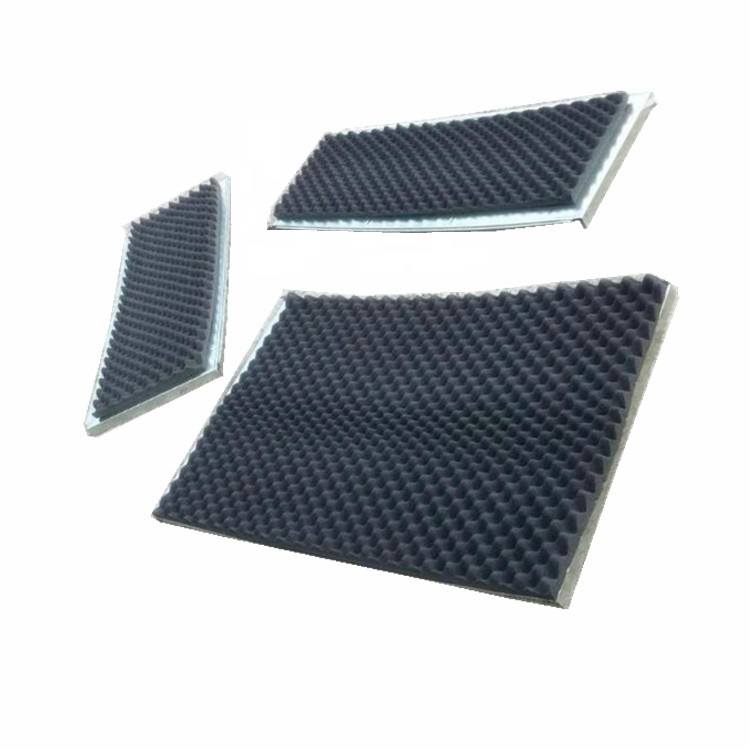
SilentDirect Egg is a profiled sound absorber for machines, technical spaces, and enclosures where airborne sound needs to be absorbed close to the source.

SilentDirect Egg Roll is supplied in roll form and is suitable for larger or irregular surfaces where the absorber needs to be cut to size.

SilentDirect Neo has a smooth surface and can be used on machinery and in enclosures where a uniform absorbent surface is more suitable than a profiled structure.

SilentDirect Polaric is a self-adhesive barrier mat for sheet metal, metal, and other hard surfaces where mass, sealing, and vibration damping are needed. It is particularly useful when machine sheet metal or a metal enclosure vibrates and creates resonance, but it does not replace sound absorbers designed to reduce echo and reverberation.

SilentDirect MLV is a heavy and flexible sound barrier that adds mass and helps dampen airborne sound. For machine noise, it can be used as part of a tight and properly constructed machine enclosure or other shielding. MLV does not reduce echo in the same way as a sound absorber.

PES Ceiling Industry is a robust 50 mm ceiling absorber for industrial environments where clatter, echoes, and the general noise level need to be reduced.

PES Ceiling Deep Industry is a 100 mm industrial absorber for larger spaces, high ceilings, and situations where greater absorption depth is required.

PES Wall Industry is a durable wall absorber designed for hard industrial walls and early-reflecting surfaces near noisy machinery.

PES Wall Deep Industry is a 100 mm wall absorber for industrial facilities where large, hard surfaces, machine noise, and long reverberation times require more powerful absorption.

SilentDirect Sound Barrier 2.48 m can be used for temporary or flexible sound screening in an accessible area where a barrier can be conveniently placed. When soundproofing machinery, this can be a suitable solution when the noise source needs to be screened off. Multiple units can also be connected together.

Dampio PRO is placed under machines, pumps, and equipment that transmit vibrations through the floor or other hard surfaces. The product complements sound absorption when the problem also involves structure-borne noise.

*Free shipping

Free shipping to a pickup location

5-Year Warranty

5-Year Product Warranty

Fast Delivery

Usually ships the same day

Sound Insulation and Noise Reduction for Machinery – Creating a Quieter and More Efficient Work Environment

Soundproofing and noise reduction for machinery are crucial for reducing noise levels, improving the work environment, and protecting both people and equipment. High noise levels from machinery such as engines, compressors, pumps, and power tools can negatively impact productivity, concentration, and health. By using the right sound-absorbing materials and vibration-damping solutions, noise can be significantly reduced, resulting in a safer and more comfortable work environment.

In addition to the workplace benefits, effective sound insulation can also reduce wear and tear on machinery, improve energy efficiency, and ensure that the business complies with applicable workplace safety regulations. By controlling noise levels, companies can create a better workplace while avoiding legal and financial problems associated with high noise levels.

Why is machine noise reduction important?

Noise from machinery is primarily generated by mechanical vibrations, airborne noise, and structure-borne noise. If the noise is not managed properly, it can spread throughout the premises and create a noisy work environment that negatively affects both employees and machinery.

Some of the most common problems associated with machine noise include:

Hearing damage and health problems
Prolonged exposure to high noise levels can cause hearing damage, stress, and fatigue.

Reduced productivity
Noise makes it difficult to concentrate, leading to reduced work performance and more mistakes.

Increased wear and tear on machinery
Strong vibrations can cause mechanical damage and lead to higher maintenance costs.

Legal requirements and occupational safety regulations
Many countries have strict regulations regarding noise levels in the workplace.

By implementing the right noise-reduction measures, these problems can be minimized, leading to a better work environment, lower maintenance costs, and higher efficiency.

Effective Methods for Soundproofing and Sound-Dampening Machines

To achieve the best possible noise reduction, a combination of sound-absorbing and vibration-damping materials is required.

1. Sound-absorbing panels and acoustic materials
By installing sound-absorbing panels near the machine, sound waves can be captured and dampened before they spread throughout the room. Examples of effective materials include:

- SilentDirect Egg – A high-performance sound absorber with a textured surface for maximum sound reduction.

- Mineral wool and polyester fiber – Ideal for reducing both low-frequency and high-frequency sounds.

- Acoustic foam – Effective at absorbing high-frequency sounds and reducing reverberation.

By applying these materials to walls, ceilings, and around machinery, noise levels can be significantly reduced.

2. Enclosures and Sound-Insulating Hoods
Building sound-insulating enclosures around noisy machinery is one of the most effective solutions for reducing noise propagation. These can be constructed using:

- SilentDirect Polaric or MLV (Mass-Loaded Vinyl) to maximize sound insulation.

- Multi-layer materials that combine sound insulation and sound absorption.

- Ventilated sound attenuators that ensure the machine receives adequate cooling without allowing sound to escape.

Enclosures not only reduce noise but also protect the machine from dust and external influences.

3. Vibration damping to reduce structure-borne noise
Vibrations from machines can be transmitted to floors, walls, and ceilings, creating a deep and disruptive noise. To eliminate this, you should use:

SilentDirect Vibration Dampers
A proven solution for minimizing sound transmission from machines.

Rubber mats and vibration-damping tiles
Effective at reducing the transmission of vibrations to the subfloor.

Suspension mounts and isolators
To separate the machine from the floor and reduce structure-borne noise.

These measures prevent sound from propagating through the building’s structure and contribute to a significantly quieter work environment.

The Benefits of Soundproofing Machinery

By investing in soundproofing measures, companies can achieve several key benefits:

Better work environment
Reduced noise levels create a more pleasant and productive workplace.

Longer machine lifespan
Less vibration and mechanical stress lead to fewer repairs and lower maintenance costs.

Increased energy efficiency
Machinery that generates less noise and vibration often consumes less energy.

Compliance with legal requirements
Reducing noise levels ensures that the company complies with the Swedish Work Environment Authority’s regulations.

Reduced disturbance to the surrounding area
Noise reduction contributes to better relations with neighbors and reduces the risk of complaints.

How do you choose the right sound-absorbing solution?

When selecting sound-dampening measures, it is important to consider:

1. Type of machine and noise level – Is it high-frequency or low-frequency noise? Do you need sound insulation or vibration damping?

2. Surroundings and work environment – Do you need sound-absorbing panels on the walls or a complete enclosure around the machine?

3. Laws and regulations—Ensure that your noise reduction measures comply with the Swedish Work Environment Authority’s requirements for noise levels.

By combining the right soundproofing materials with smart installation techniques, you can ensure effective and long-term noise reduction.