


• Free shipping
  • 5-year warranty
  • Fast delivery

How do you reduce noise using sound-absorbing bulletin boards?

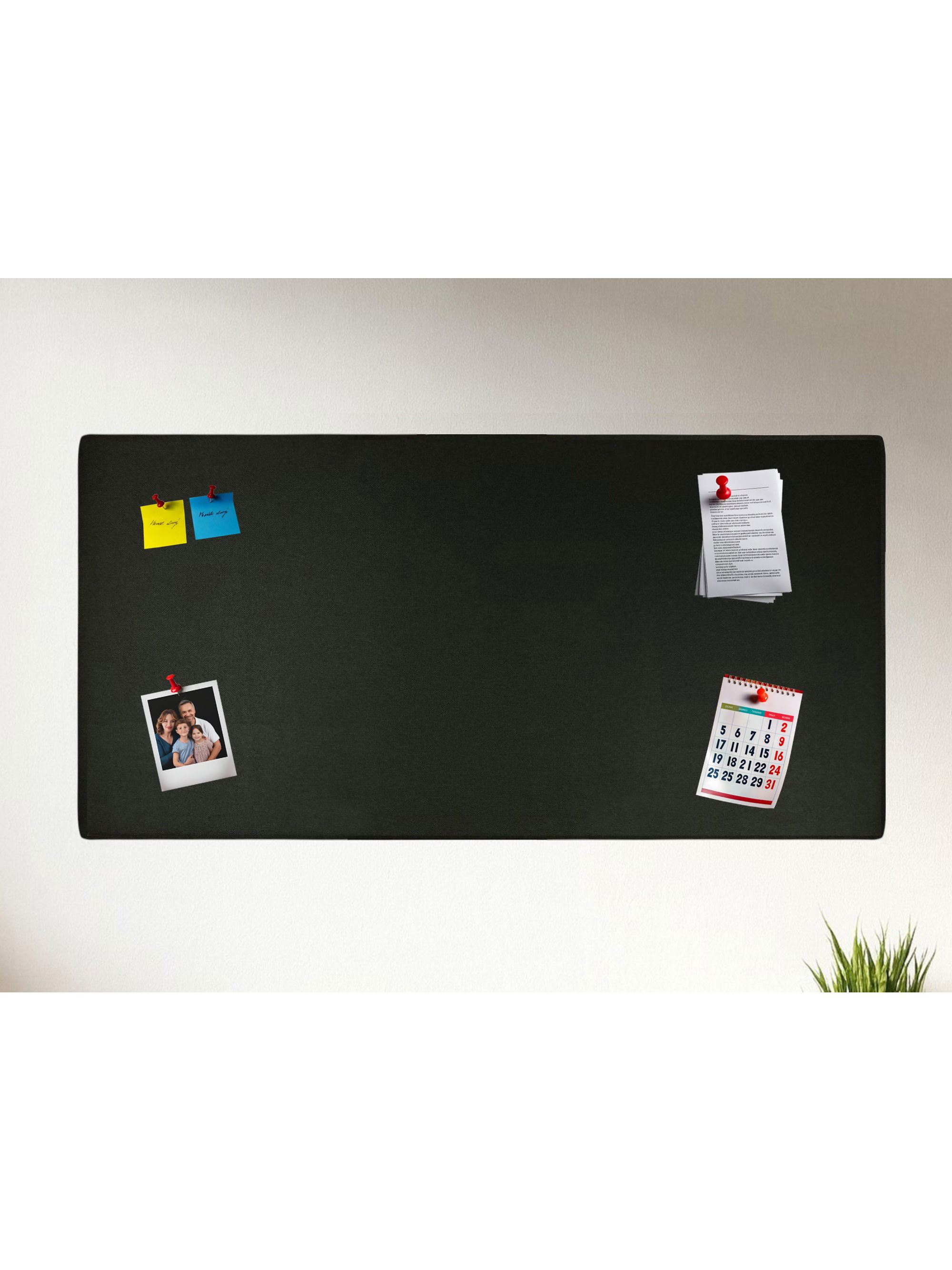
Sound-absorbing bulletin boards are an innovative solution that combines practical functionality with effective sound absorption. They are particularly useful in environments where both organization and acoustic comfort are important, such as offices, schools, conference rooms, and other workplaces where noise levels are often high. By installing these bulletin boards, you can not only organize important documents and information but also improve the room’s acoustic environment by reducing disruptive reverberation and background noise.

What makes sound-absorbing bulletin boards unique is their material. Unlike traditional bulletin boards, which are usually made of cork or thin fiberboard, these are made of highly absorbent materials such as acoustic foam, compressed mineral wool, or polyester fiber. These materials capture and dampen sound waves instead of reflecting them, which reduces the noise level in the room and improves speech intelligibility. By placing bulletin boards in strategic locations where sound is most likely to be reflected—such as on bare wall surfaces or near conversation areas—you can create a significantly more pleasant work or study environment.

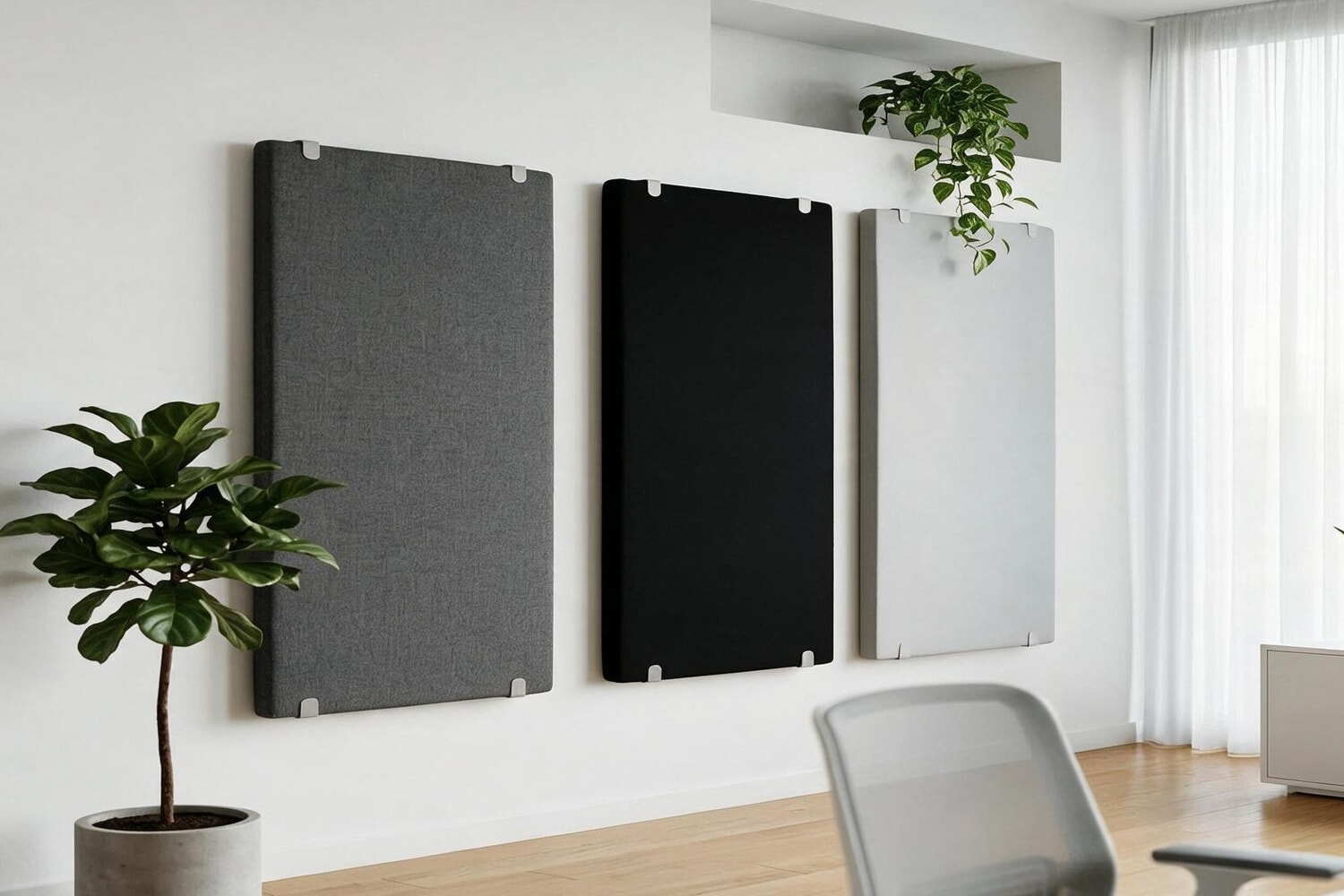
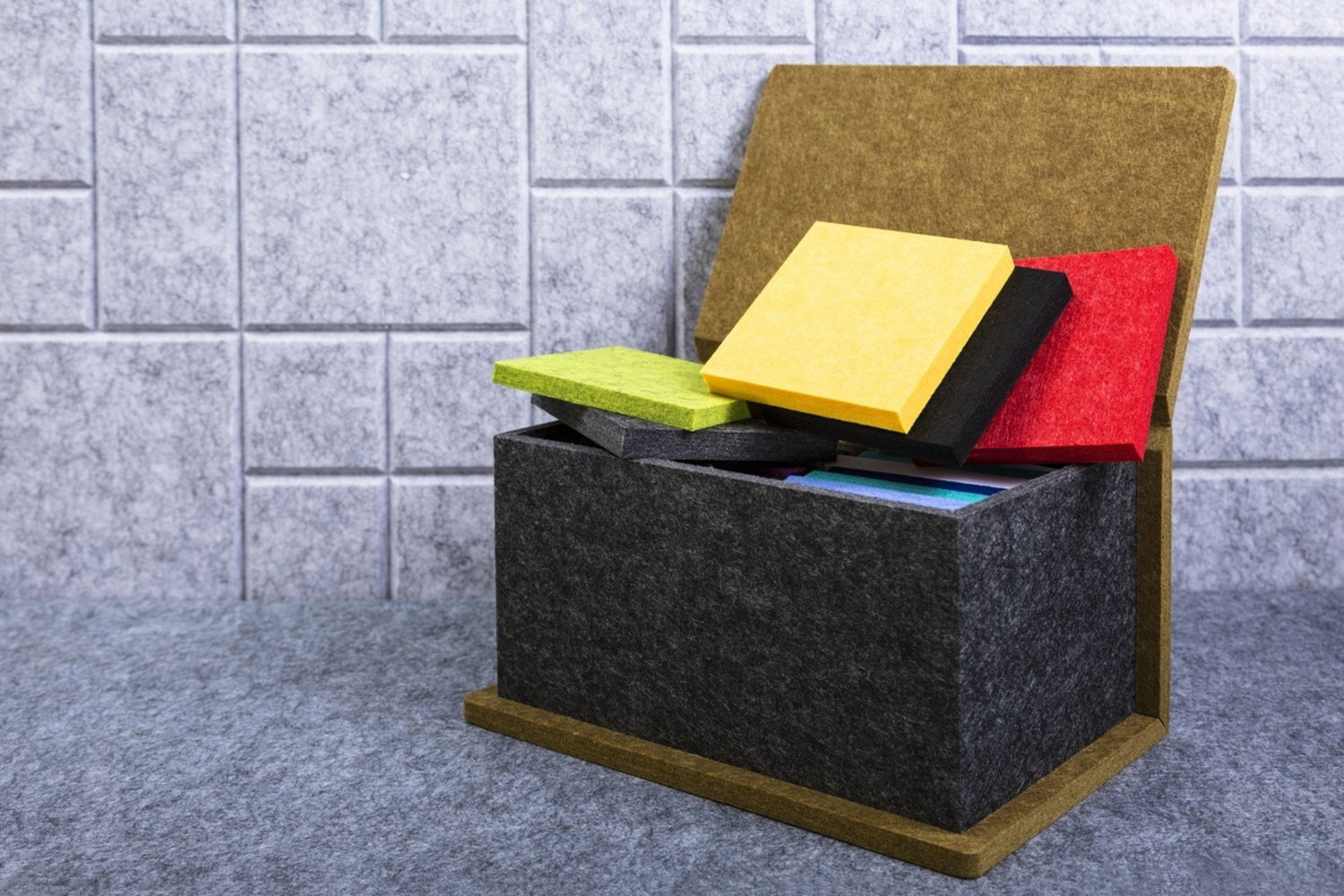
The benefits of sound-absorbing bulletin boards extend beyond their sound-dampening properties. They are an excellent option for those who want to improve a room’s acoustics without making permanent changes to the interior design. Since they are mounted on the wall in the same way as traditional bulletin boards, they are easy to install and can be replaced or moved as needed. In addition, they come in a wide variety of colors, shapes, and sizes, making it possible to customize them to match the room’s aesthetic style. In modern office environments, they can even serve as part of the interior design by adding both color and texture to the walls.

In open-plan offices, where noise levels are often high and concentration can be disrupted by conversations and background noise, sound-absorbing bulletin boards can contribute to a more focused and productive work environment. Placing them near workstations or in meeting rooms can effectively reduce echoes and create a more balanced soundscape. Similarly, in school settings, they can help improve the acoustics in classrooms and group rooms, where students and teachers might otherwise have difficulty communicating clearly due to unwanted noise.

For those who work from home, a sound-absorbing bulletin board can be a simple yet effective solution for improving the acoustics of a home office. By reducing sound reflections from walls, they can contribute to a quieter and more focused work environment. Additionally, they serve as a practical place to pin notes, schedules, or inspirational images, which can help keep the workday more organized.

In summary, sound-absorbing bulletin boards are a versatile and smart solution for combining functionality with improved acoustics. They help reduce reverberation, improve speech intelligibility, and create a more pleasant acoustic environment while offering a practical surface for organizing information. Whether in offices, schools, homes, or public spaces, these boards are an effective way to create a better and more productive acoustic environment without compromising on design or flexibility.

Recommended Products

Here are some benefits of installing a sound-absorbing bulletin board

Reduces noise levels
Sound-dampening and sound-absorbing bulletin boards help reduce echoes and sound reflections in the room. This is especially important in office environments where there are many hard surfaces that can amplify sound.

Improves concentration
By reducing noise levels and echoes, these bulletin boards create a calmer and more focused work environment. This can help people concentrate better on their tasks without distracting noise.

Creates a better work environment
A sound-absorbing environment can create a more comfortable and pleasant work environment. This can reduce stress levels and improve the overall well-being of those in the room.

Improves meeting quality
In meeting rooms or other areas where communication is important, sound-absorbing materials can improve sound clarity. This is particularly useful for minimizing distracting noise and improving comprehension during meetings.

Aesthetic Integration
Sound-absorbing bulletin boards often come in a variety of colors, shapes, and sizes. This allows users to integrate them into the interior design and create a cohesive and aesthetically pleasing look.

Flexibility and Easy Installation
Many sound-absorbing bulletin boards are easy to install and can be moved as needed. This provides flexibility to adapt the acoustic environment to changing needs or reconfigurations of the space.

Improves work performance
A quiet and orderly work environment can increase productivity and improve work performance. Reduced noise disruption can lead to better focus and efficiency.

Energy- and Cost-Efficient
Sound-absorbing materials can help improve a room’s acoustics without requiring extensive structural changes. This can be a cost-effective solution for improving the acoustic environment.

How does a sound-dampening and sound-absorbing bulletin board work?

A sound-dampening and sound-absorbing bulletin board is an innovative solution that combines practical functionality with acoustic improvement. These bulletin boards are used in environments where both information sharing and sound control are important, such as open-plan offices, schools, conference rooms, and other noisy spaces. By combining sound-absorbing materials with a surface that can be used to attach notes, pictures, or messages, these boards contribute to a more pleasant acoustic environment while also serving a practical purpose. They help reduce reverberation, minimize distracting background noise, and create a more focused atmosphere.

Materials and Construction
Sound-absorbing bulletin boards are constructed using specialized materials that effectively capture and dampen sound waves. The most common materials include acoustic foam, polyester fiber, wool, and fabric-covered panels. These materials have a porous structure that allows sound waves to penetrate the surface and be absorbed rather than reflected back into the room. The choice of material is crucial to how effective a bulletin board is in terms of sound absorption. Polyester-based bulletin boards are popular because they offer both high sound absorption and durability. Acoustic foam is another effective option that has a high absorption capacity, especially for high-frequency sounds. In addition to the material, sound absorption is influenced by the board’s thickness and structure. A thicker board generally provides better sound absorption, and some models feature patterns or perforations that further improve acoustics by breaking up sound waves and reducing reflections.

NRC Value—An Important Factor When Choosing a Bulletin Board
When selecting a sound-absorbing bulletin board, it’s important to consider its NRC value (Noise Reduction Coefficient). The NRC value indicates the percentage of incoming sound absorbed by the material on a scale from 0 to 1. An NRC value of 0.6 means the board absorbs 60% of the sound waves that strike it, while a board with an NRC value of 0.9 absorbs 90% of the sound. The higher the NRC value, the more effective the board is at reducing reverberation and improving the room’s acoustics. The choice of NRC value should be based on the room’s specific needs. In a noisy office environment or a school where many people are talking at the same time, a board with a high NRC value can make a significant difference.

Placement and Size for Maximum Effect
For a sound-absorbing bulletin board to be as effective as possible, its placement is crucial. Sound is reflected differently depending on the room’s shape, materials, and the location of sound sources. A general rule of thumb is to place bulletin boards on surfaces where sound is reflected the most, such as empty walls or surfaces directly opposite sound sources. If the goal is to reduce background noise in an open-plan office, it can be effective to mount bulletin boards on the walls around workstations. The size of the board also affects how much sound it can absorb. Generally, the larger the surface area covered, the more sound is absorbed. A smaller bulletin board can help dampen sound, but for optimal results, at least 20–30% of the room’s surfaces should be covered with sound-absorbing material. In larger rooms, several smaller bulletin boards can be placed strategically to distribute sound absorption evenly across the entire surface. This can be particularly effective in rooms with hard surfaces such as concrete, glass, or drywall, where sound reflections are often a problem.

Combine with Other Acoustic Solutions
To achieve the best possible sound reduction, sound-absorbing bulletin boards can be combined with other acoustic solutions. By using sound-absorbing panels on the ceiling, carpets on the floor, and soft furnishings, the overall acoustic environment can be significantly improved. A comprehensive solution where various sound-absorbing elements work together provides more effective and balanced acoustics. This is particularly important in open-plan offices and schools, where multiple sound sources interact and a well-thought-out strategy is required to create a quieter work environment.

Limitations and Realistic Expectations
It is important to have realistic expectations regarding what a sound-absorbing bulletin board can achieve. These products are excellent for reducing sound reflections and reverberation, but they do not eliminate sound entirely. If the room has poor sound insulation or if there are high noise levels from external sources, such as traffic noise or sound penetrating through thin walls, additional soundproofing measures may be needed. This can include better window insulation, thicker doors, or the installation of custom-designed sound barriers. A sound-absorbing bulletin board is therefore part of a comprehensive solution and should be used in conjunction with other acoustic measures to create an optimal sound environment.

Summary
Sound-absorbing bulletin boards are a smart and functional solution for reducing reverberation and improving acoustics in noisy environments. By combining sound-absorbing materials with a practical surface for posting notes and messages, they serve a dual purpose in offices, schools, and conference rooms. Material selection, NRC value, placement, and size are key factors in determining how effectively a bulletin board absorbs sound. By strategically placing them where sound is most reflected and combining them with other acoustic solutions, you can create a more comfortable and productive work environment. Although sound-absorbing bulletin boards do not completely eliminate sound, they play an important role in reducing distracting background noise and creating better conditions for concentration and communication.

Did you know that…

Did you know that a sound-absorbing bulletin board doesn’t just dampen sound—it can also affect the room’s acoustics depending on what you put on it? Many people think the board itself does all the work, but if you cover the surface with dense materials like laminated paper or plastic sleeves, its sound-absorbing effect can be significantly reduced.

For the best sound absorption, the bulletin board should have a porous, open surface—such as felt or fabric—that allows sound to penetrate the material rather than being reflected back into the room. Additionally, a thicker bulletin board with an acoustic core can absorb a wider range of frequencies and help reduce reverberation in offices, schools, and other sound-sensitive environments. Used correctly, you can combine functionality and acoustic improvement in one!

*Free shipping

Free shipping to a pickup location

5-year warranty

5-Year Product Warranty

Fast delivery

Usually ships the same day

Sound-Absorbing Bulletin Boards – Combined Sound Absorption and Practical Functionality

Creating a pleasant acoustic environment is crucial for productivity, concentration, and well-being in both work and home environments. Sound-absorbing bulletin boards are a smart and effective solution that combines acoustic improvement with practical use. By dampening sound reflections and reverberation while serving as a traditional bulletin board, they offer a two-in-one solution suitable for many different environments.

How do sound-absorbing bulletin boards work?

Sound-absorbing bulletin boards work by capturing and reducing sound waves that would otherwise be reflected between walls, ceilings, and other hard surfaces. Unlike traditional bulletin boards, which are often made of cork or plastic, sound-absorbing bulletin boards are made of acoustic materials such as:

Polyester fiber
A lightweight and durable material with high sound absorption capacity.

Acoustic foam
Effective at reducing reverberation and echoes.

Mineral wool
A high-performance material that absorbs sound and improves acoustics.

By installing sound-absorbing bulletin boards on walls in offices, classrooms, conference rooms, and other sound-sensitive spaces, you can effectively reduce distracting background noise and create a better sound balance in the room.

The benefits of sound-absorbing bulletin boards

Reduces noise levels and improves acoustics
Sound reflections can quickly create a disruptive sound environment where noise and echoes affect both concentration and communication. Sound-absorbing bulletin boards help reduce these reflections and create a more subdued and pleasant atmosphere.

Improved Concentration and Productivity
In environments where focus and concentration are crucial—such as offices and schools—better acoustics help reduce stress and increase efficiency. By minimizing noise disturbances, employees and students can work with greater focus and fewer interruptions.

Optimized sound quality in meeting and conference rooms
Inmeeting rooms and conference spaces, clear communication is essential. Poor acoustics can make conversations harder to understand, especially in larger spaces. Sound-absorbing bulletin boards help improve speech intelligibility and reduce distracting background noise, creating a more professional meeting environment.

Aesthetic Integration and Flexible Design
Sound-absorbing bulletin boards aren’t just functional—they also enhance the room’s aesthetics. They come in a variety of colors, sizes, and shapes, making it easy to integrate them into existing interiors. They can serve as part of a creative and inspiring environment while improving acoustics.

Easy installation and high flexibility
Sound-absorbing bulletin boards are easy to install and can be moved as needed, making them a cost-effective and flexible solution. They can be installed in various rooms and adapted to changing needs without requiring major renovations or remodeling.

Where can sound-absorbing bulletin boards be used?

These bulletin boards are a versatile solution that works excellently in many different environments, such as:

Offices and workplaces
Creates a more pleasant acoustic environment and reduces distracting background noise.

Schools and educational facilities
Helps students and teachers focus by reducing noise levels in classrooms and group rooms.

Conference and meeting rooms
Improves sound quality during presentations and meetings.

Libraries and quiet zones
Helps maintain a calm and undisturbed environment.

Restaurants and Cafés
Reduces noise and makes conversations more pleasant for guests.