





Sound Attenuation for Generators and Emergency Power Generators
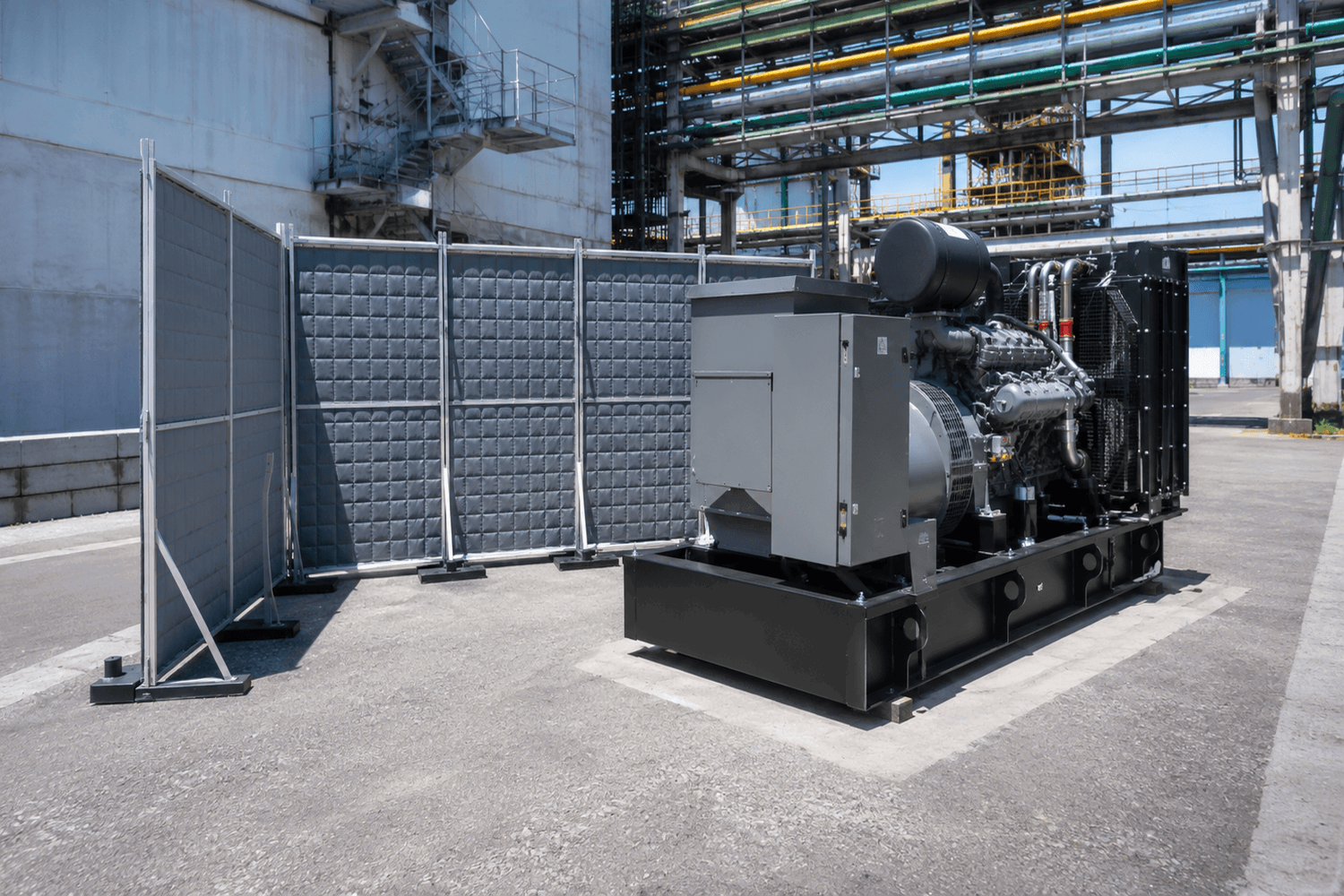
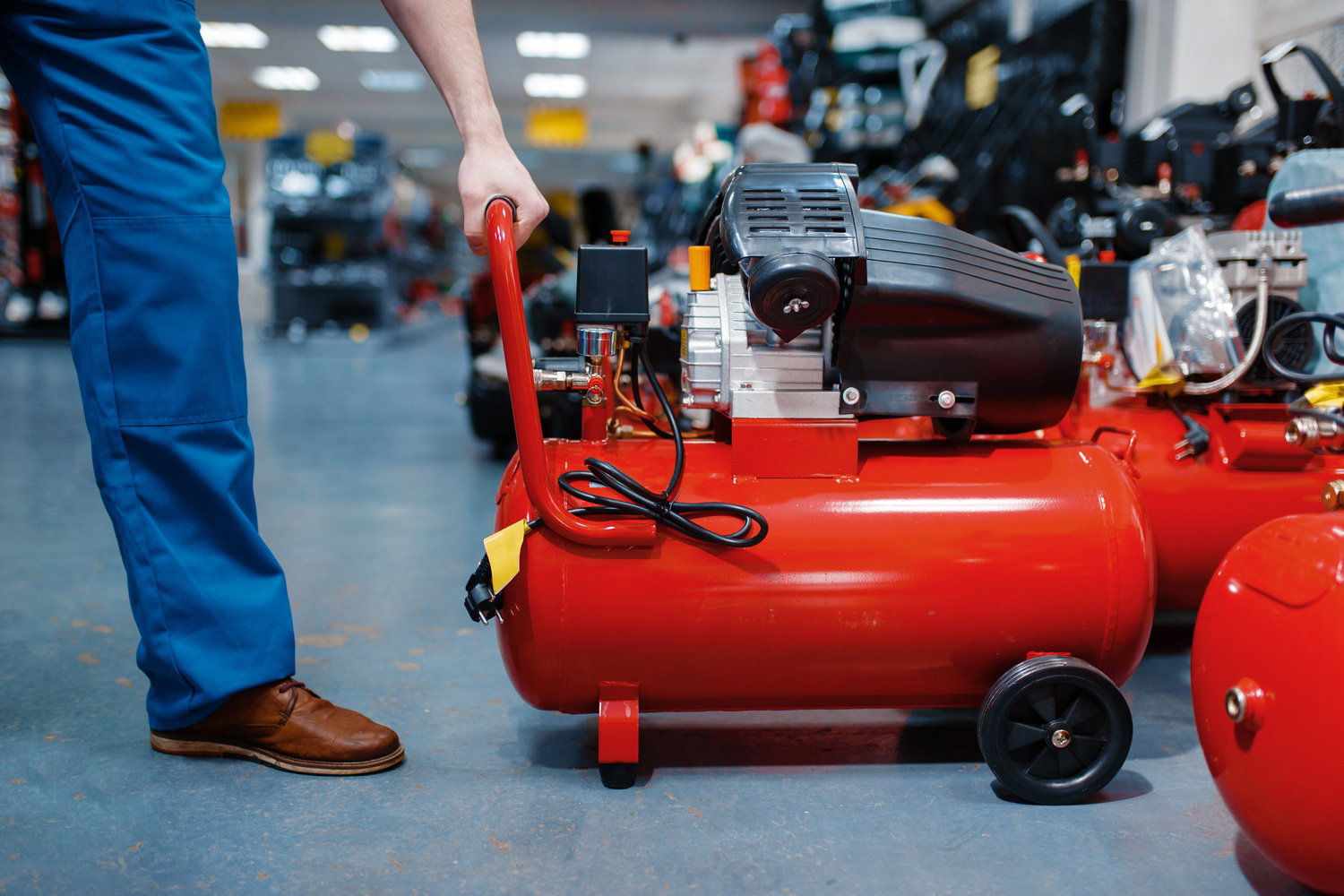
Generators and backup power units can produce several types of noise simultaneously. These may include engine noise, vibrations from the machine, resonance in sheet metal or the enclosure, airborne noise from cooling and ventilation openings, and structure-borne noise that travels down through the floor or further into the building. Therefore, it is important to first understand where the noise originates before selecting a solution. A solution that works for a small generator in a garage is not necessarily the right one for a larger backup generator in a utility room or an industrial environment.
Start with vibrations and structure-borne noise
A generator is often mounted on a hard surface and can transmit vibrations through the floor, foundation, or building components. If the vibrations are not dampened, the sound can be heard far from the generator itself. Vibration isolators beneath the machine are therefore often an important first step, especially when the generator is mounted on concrete, wooden joists, or other structures that can transmit structure-borne noise.
Dampen engine noise near the source
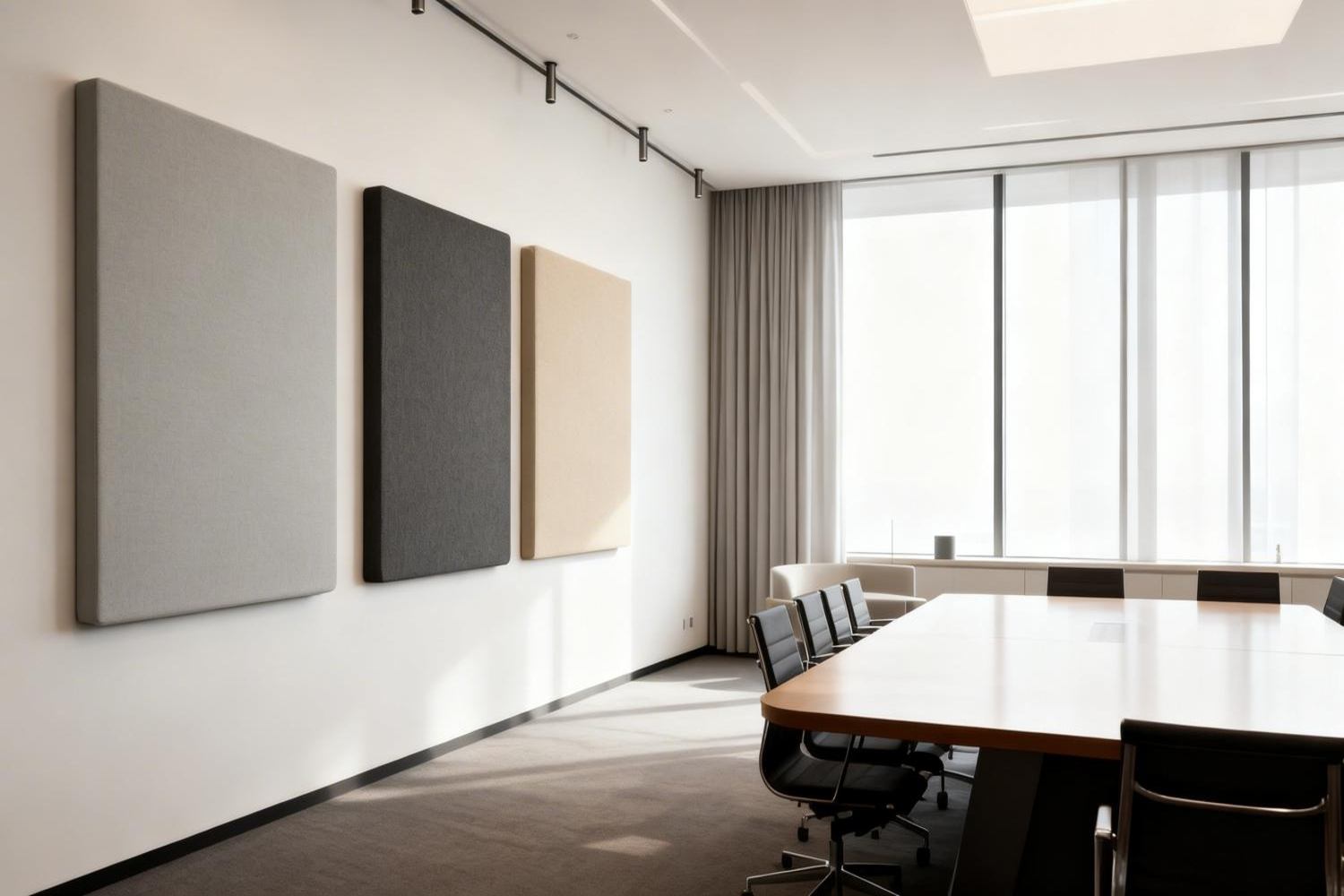
Engine noise and mechanical noise should be dampened as close to the source as possible. In enclosures, machine housings, or technical spaces, sound-absorbing materials can reduce harsh reflections and make the sound less sharp. Products such as SilentDirect Egg, SilentDirect Egg roll, SilentDirect Neo, and SilentDirect Neo roll may be suitable when foam absorption needs to be placed close to machine noise, provided that installation, temperature, service access, and safety requirements are met in the specific environment.
Maintain Airflow and Cooling
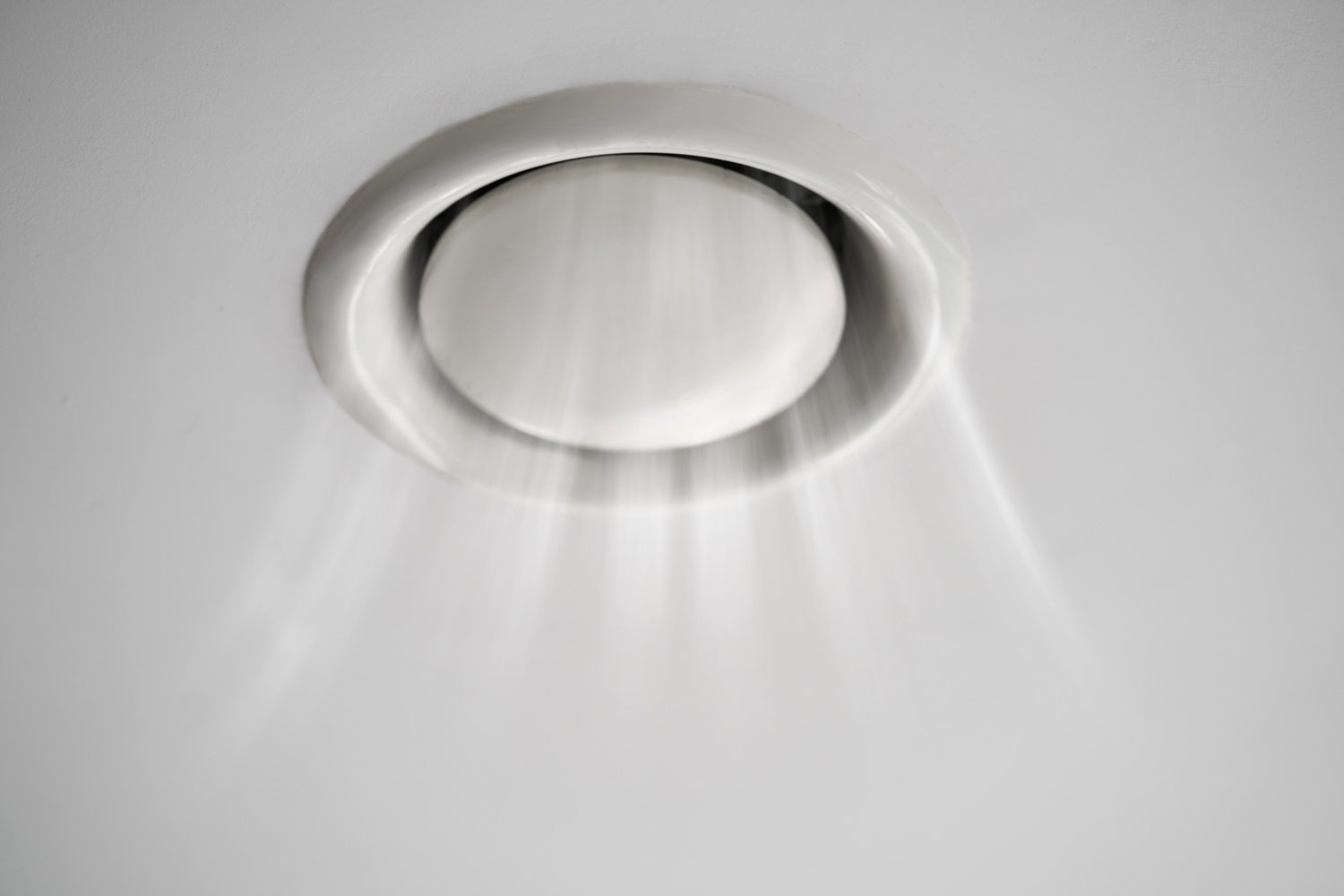
Generators and backup power units must not be enclosed in a way that impairs airflow, cooling, exhaust, or service access. Sound attenuation around air intakes, air outlets, and ventilation ducts must therefore be carefully planned. SilentDirect Air is a moldable absorber for ventilation ducts and installations where sound needs to be attenuated but airflow must still be maintained.
When is sound insulation or sound shielding needed?
If sound needs to be prevented from spreading to residences, offices, neighbors, or adjacent rooms, sound insulation or sound barriers may be needed as a complement to absorption. SilentDirect MLV may be appropriate in applications where high mass is needed to dampen airborne sound. SilentDirect Sound Barrier 2.48 m can be used for temporary or flexible sound barriers in an accessible area where a barrier can be conveniently placed. When soundproofing pipes, this can be a suitable solution if you cannot access the sound source.
Tightness, safety, and serviceability must always be taken into account
Soundproofing generators should never be done at the expense of operation, ventilation, fire safety, or maintenance. If an enclosure or shield is built around the generator, it must be airtight where sound would otherwise leak out, while still allowing for proper airflow. In soundproofing installations, SilentDirect Seal can be used at contact points and connections to reduce sound leakage and vibration transmission.