





Effective sound insulation with flexible roll materials
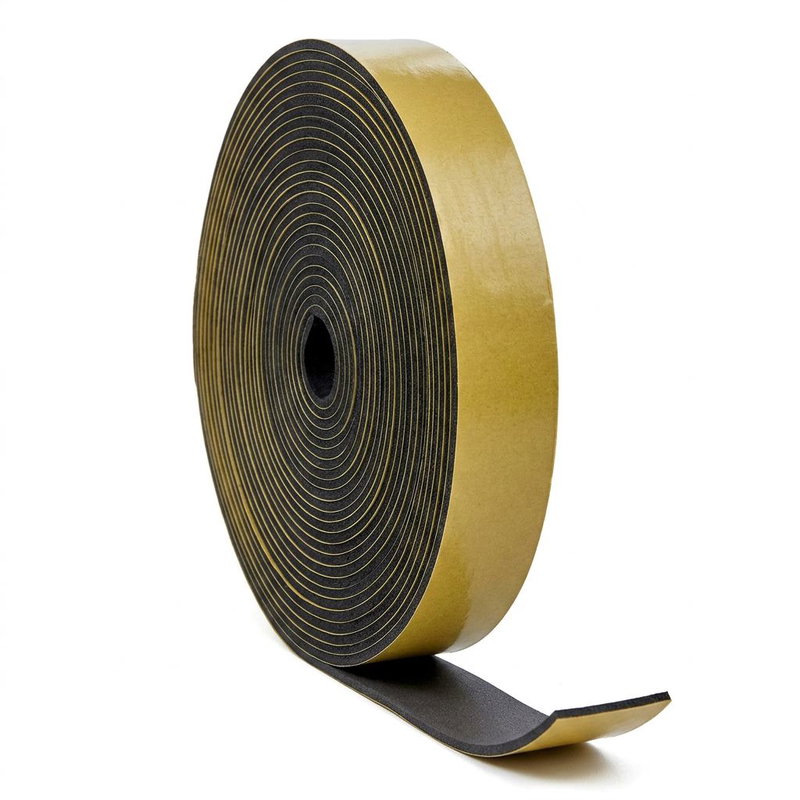
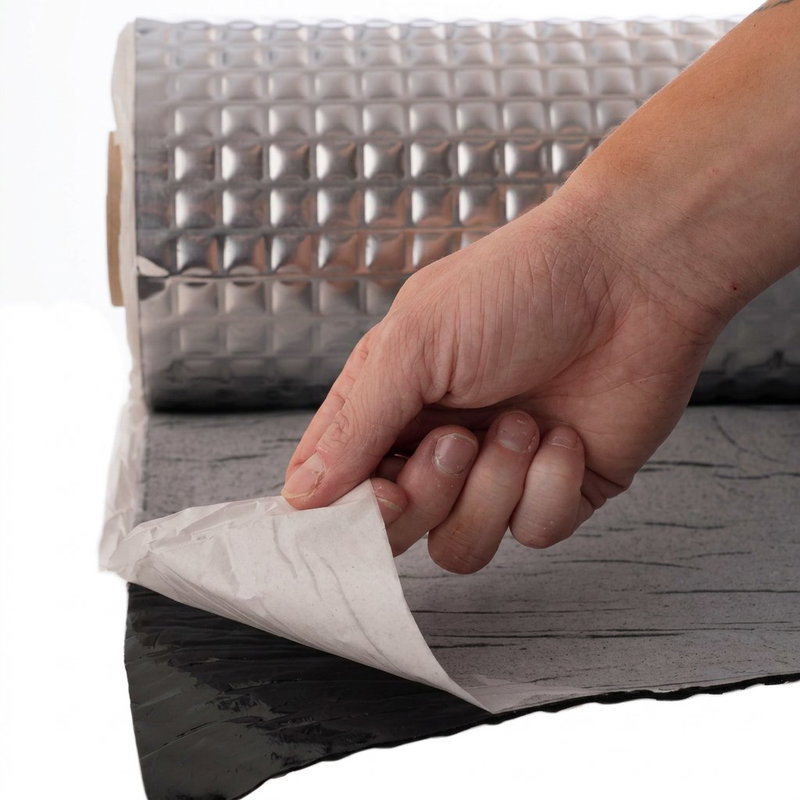
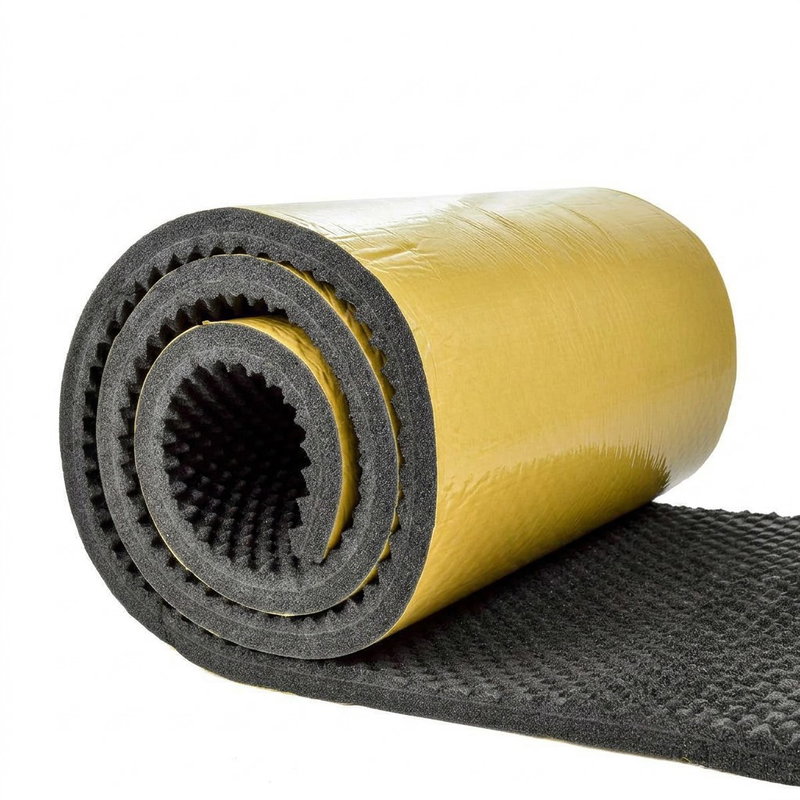
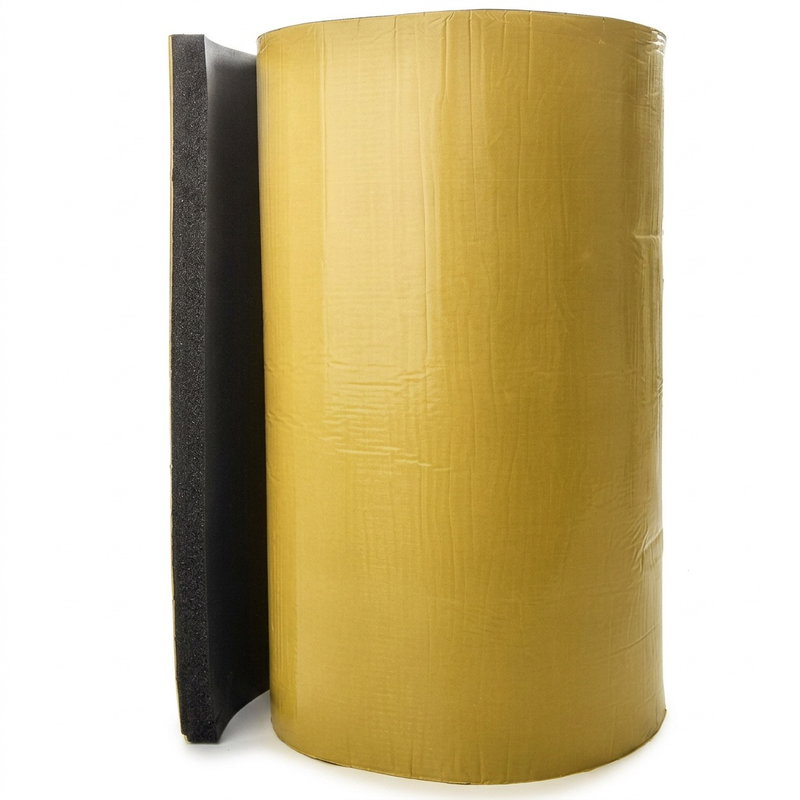
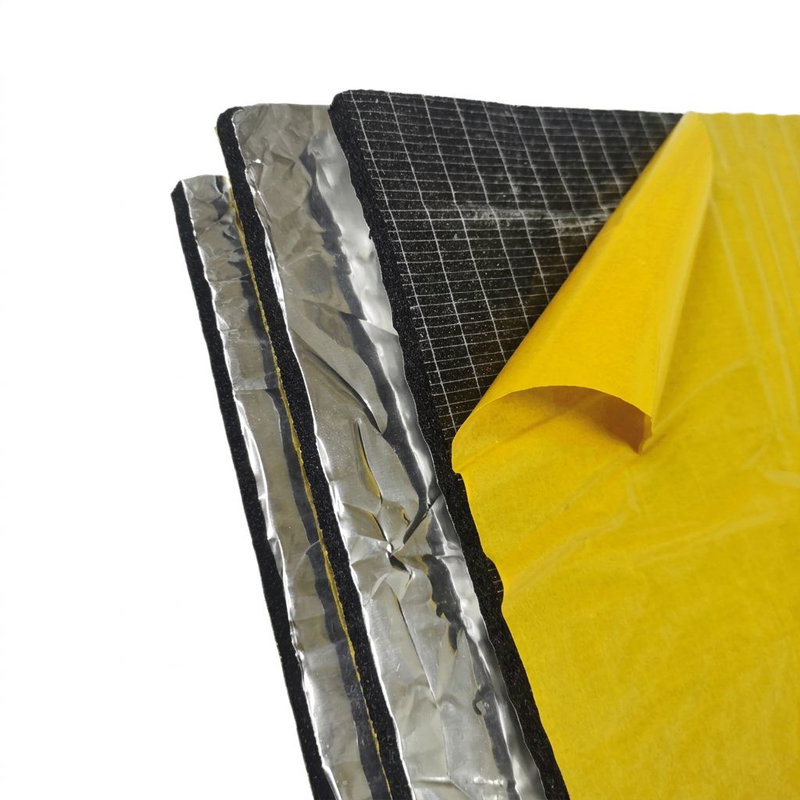
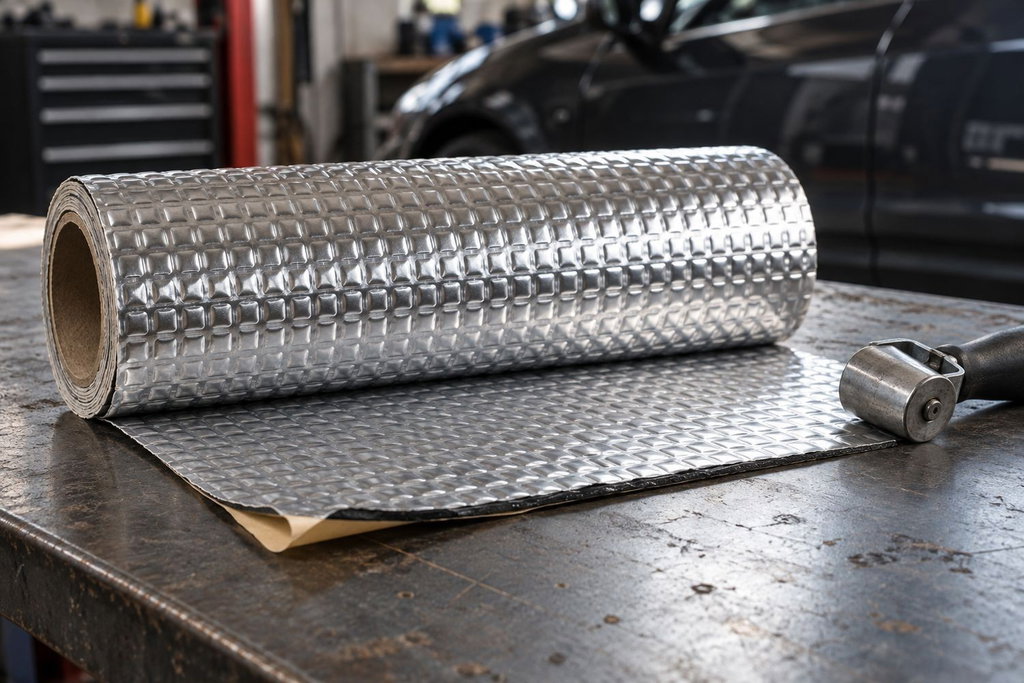
In buildings where sound travels between rooms, it can quickly affect both comfort and functionality. Sound insulation on a roll is a practical solution for reducing airborne sound in structures such as walls, floors, and ceilings. The major advantage lies in the material’s flexibility, which makes it possible to adapt the installation to different building types and technical conditions. The result is a more controlled acoustic environment where unwanted sound no longer travels as freely between spaces.
Adaptation to Construction and Sound Requirements
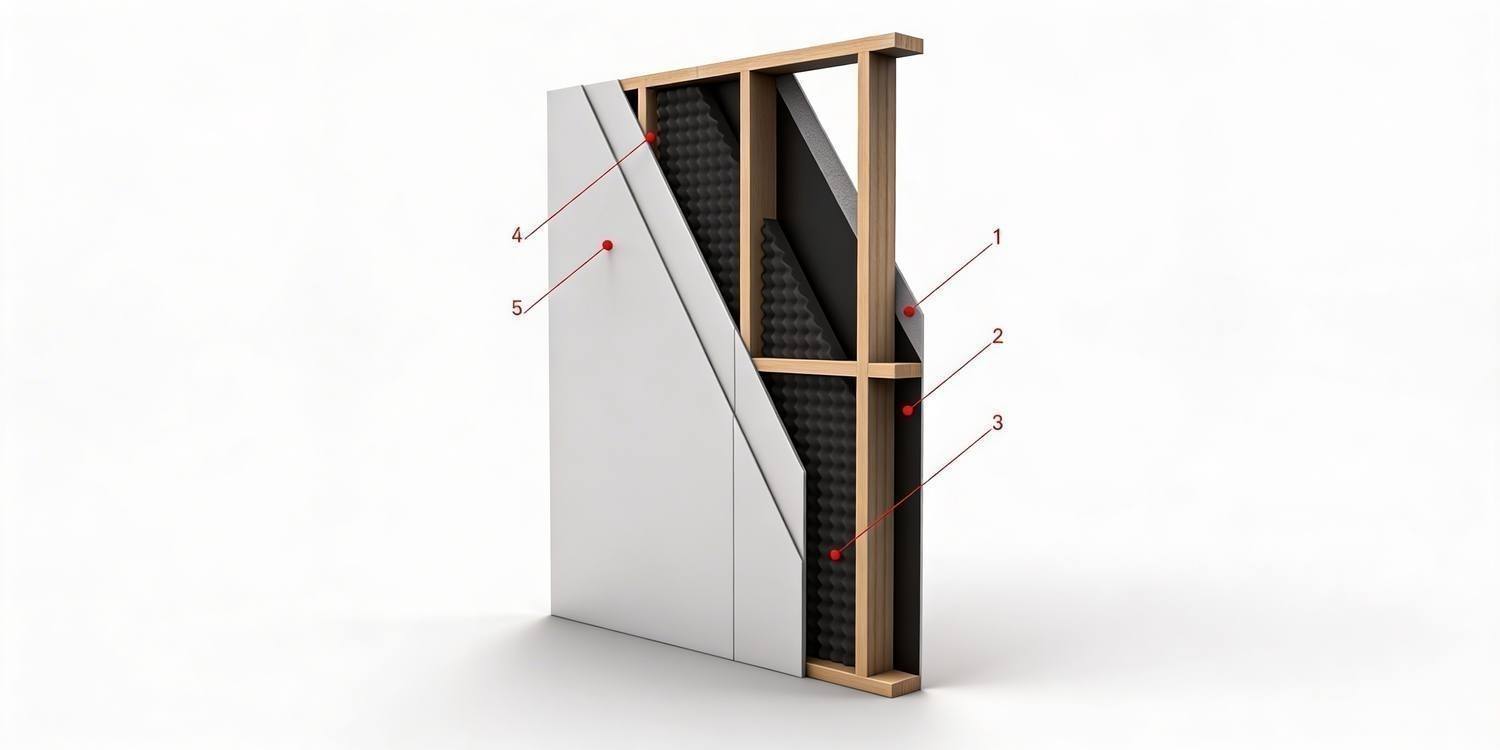
Different buildings have different sound insulation requirements. In residential buildings, the focus is often on reducing sound between rooms, while in offices and commercial environments, it can be crucial to create privacy and minimize disturbances. Sound insulation on a roll makes it possible to work efficiently in both new and existing structures, where the material can be easily integrated into walls, floor joists, and suspended ceilings without extensive modifications.
Controlling airborne sound in multiple directions
Airborne sound travels through structures and via openings between rooms. By using roll-based insulation materials, you can create continuous layers that slow down the passage of sound. This is particularly important in larger areas where seams can otherwise become weak points. A properly installed solution helps improve sound reduction and create a more shielded environment.
Efficient installation in both small and large projects
The roll format simplifies installation and allows for quick work across larger areas. The material can be cut and customized directly on-site, ensuring a smooth process whether for minor renovations or major construction projects. Fewer seams also mean more consistent sound insulation, which is crucial for achieving a stable result over time.
Combined with vibration damping for a better overall solution
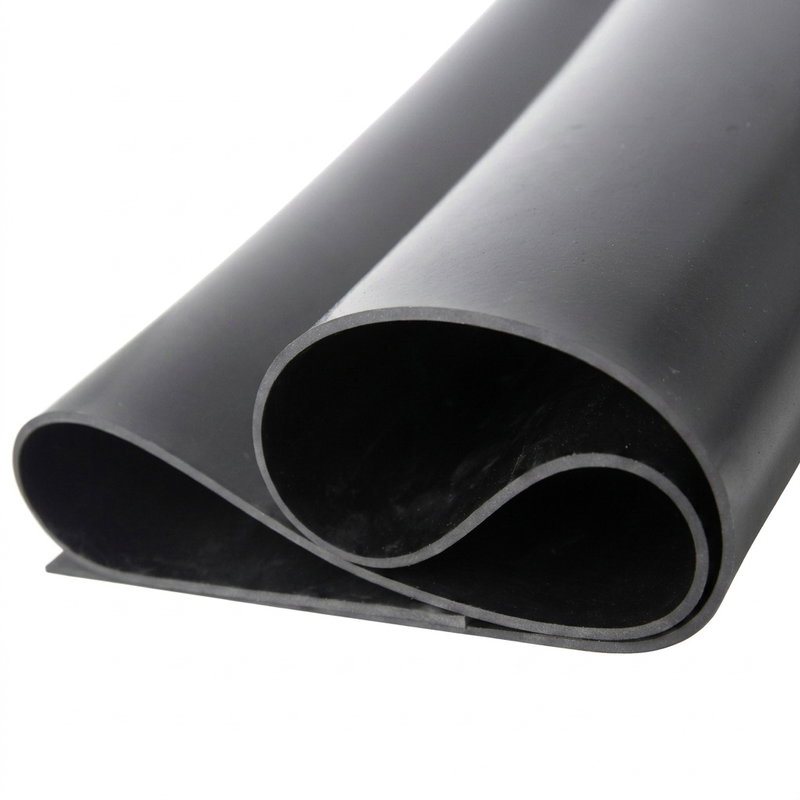
Achieving effective sound insulation often requires a holistic approach to the construction. In addition to reducing airborne sound, it is often necessary to address structure-borne noise, which occurs when vibrations travel through the building’s structure. By combining sound-insulating materials on rolls with vibration-damping solutions, both direct and indirect sound transmission can be reduced, thereby creating a more comprehensive and sustainable solution.
A Long-Term Solution for Modern Sound Requirements
Sound insulation on a roll is a cost-effective and sustainable choice for those who want to improve the acoustic environment in various types of buildings. Its flexible design makes it possible to adapt the solution to changing needs, while the installation contributes to a significant improvement in sound insulation. Whether in residential, office, or public spaces, the right combination of materials and construction creates a quieter and more functional environment.