



• Free shipping
  • 5-year warranty
  • Fast delivery

Here's How to Improve Acoustics in Theaters and Movie Theaters

Så här förbättrar du akustiken i teatrar
Så här förbättrar du akustiken i biografer

Acoustics are part of the overall experience in a theater or movie theater. When they work well, the audience can hear dialogue, music, details, and sound effects without straining. When they are less effective, speech can become muddled, loud sounds can become tiring, and delayed reflections can make the sound reproduction less accurate. The problem must therefore be assessed based on both the shape of the room and the activities that take place there.

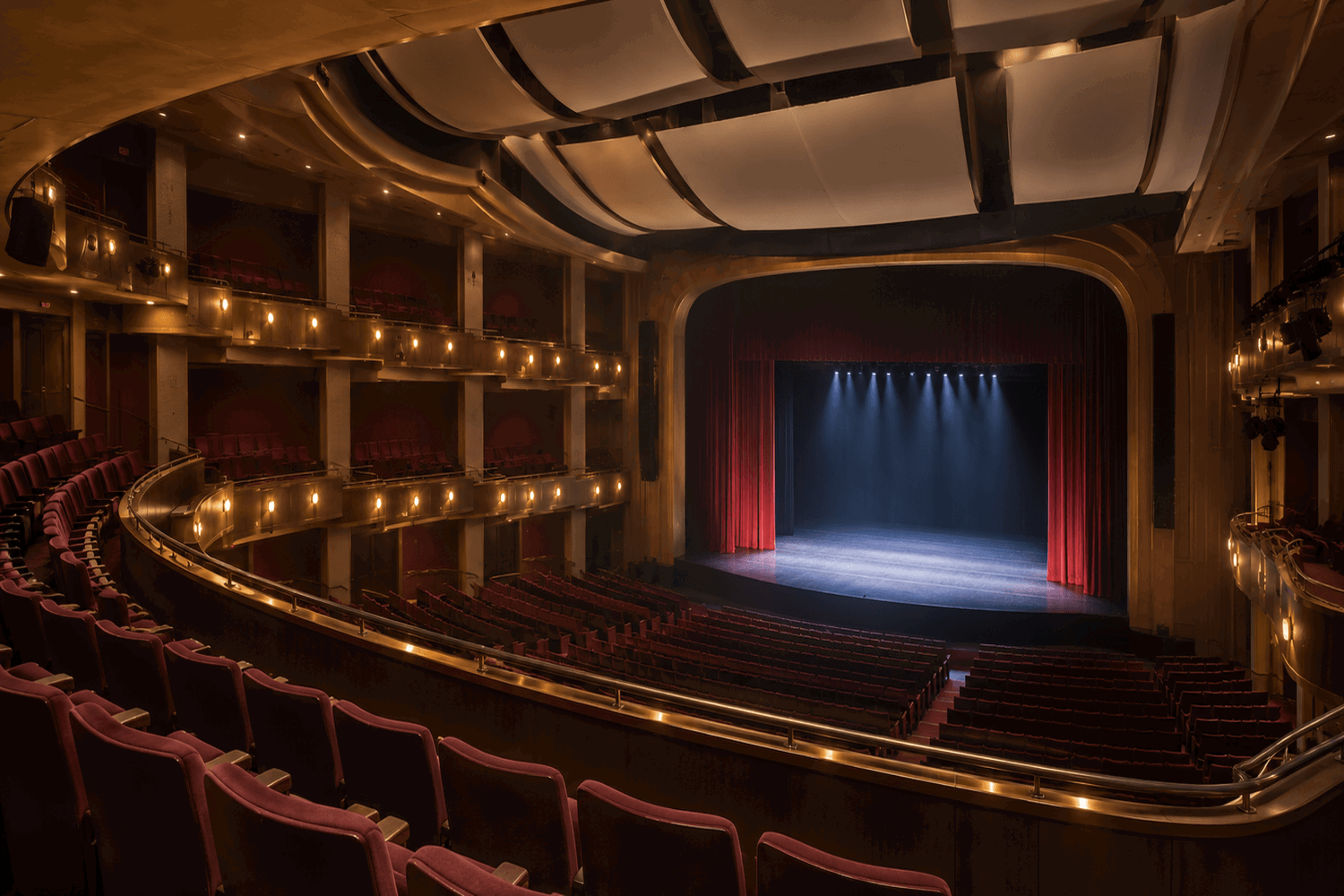
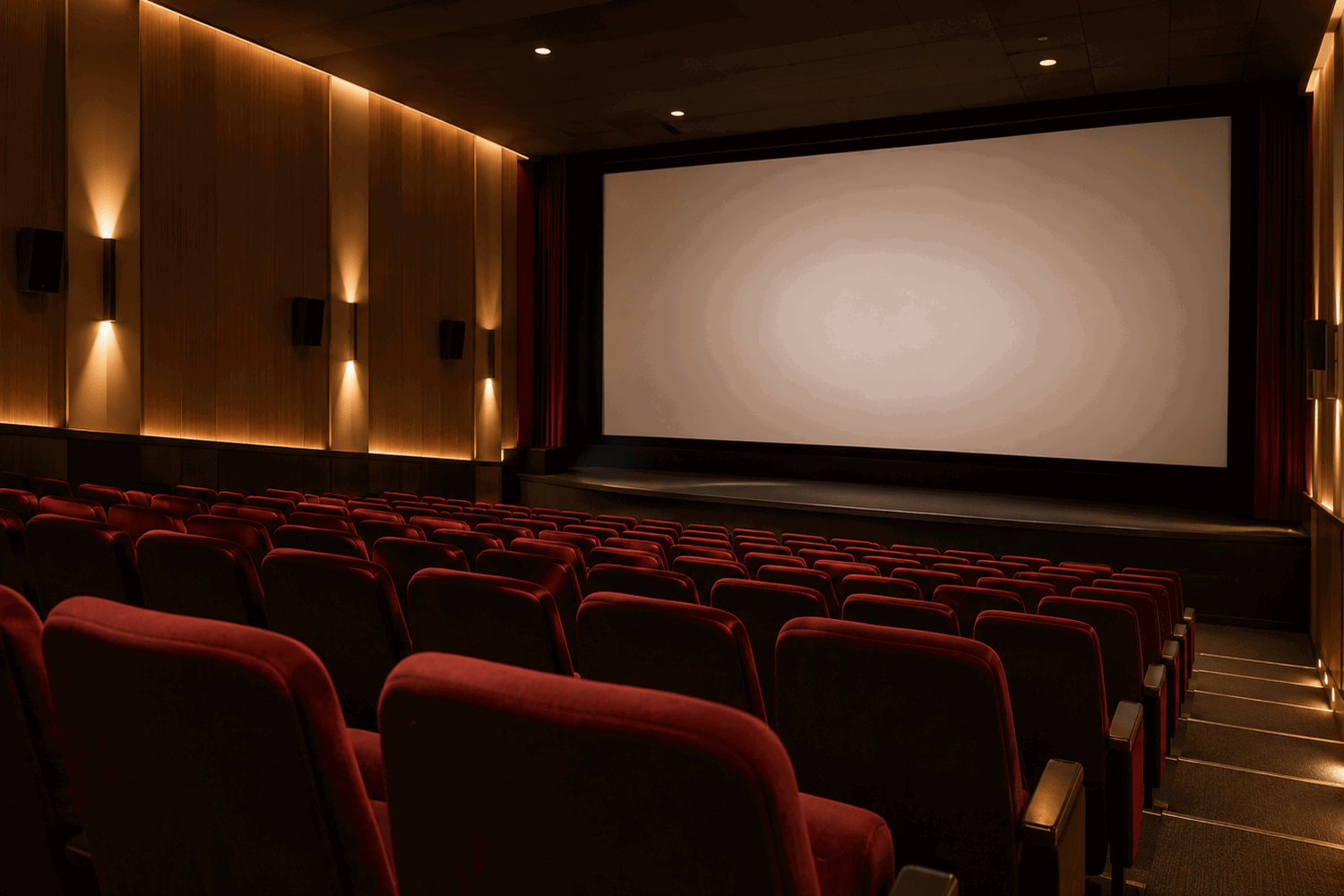
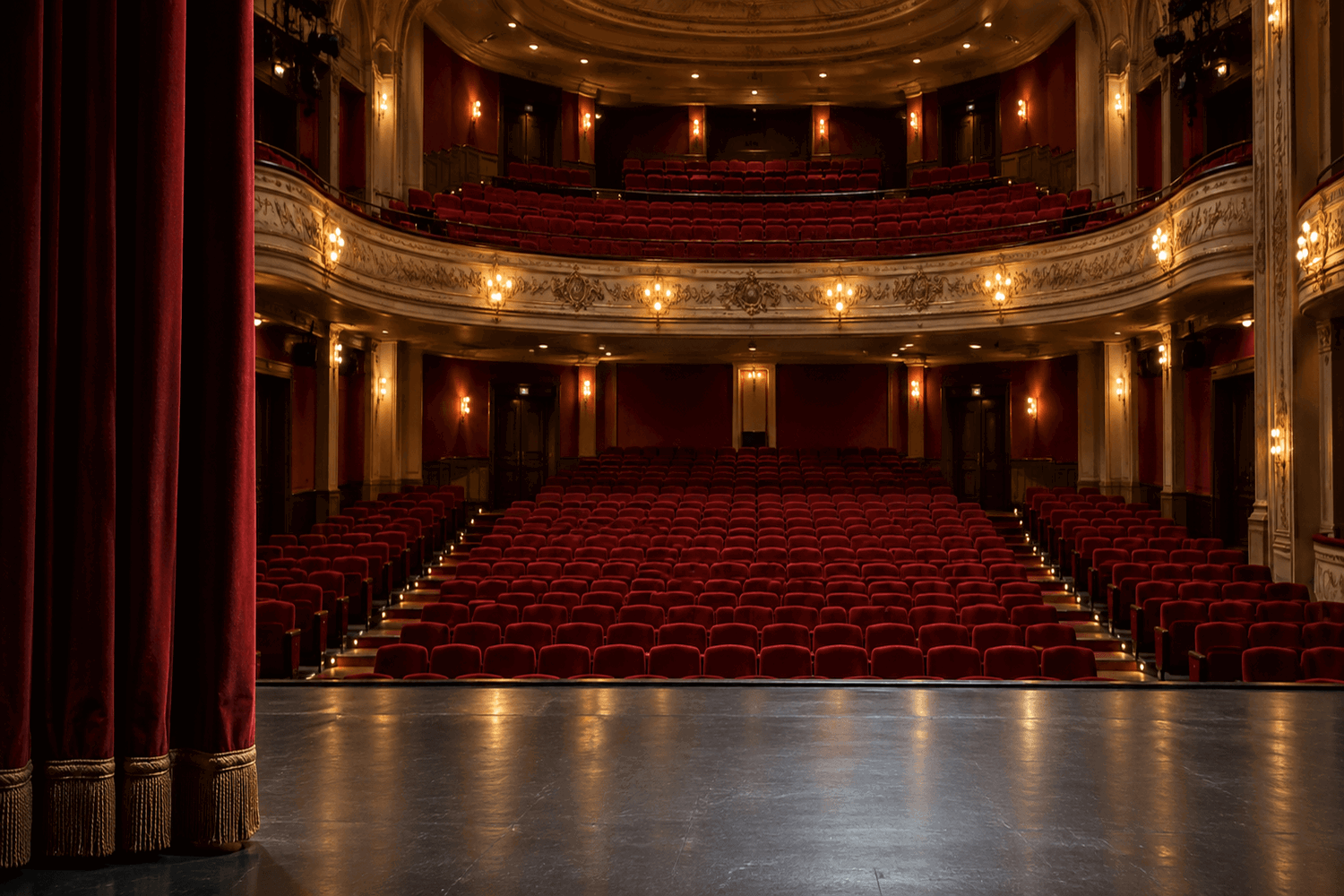
A theater auditorium may need the room itself to provide some support for natural speech and live music. A movie theater is more dependent on the sound reproduced by the loudspeaker system reaching the audience without being colored by disruptive reflections. The stage, side walls, back wall, balconies, ceiling height, audience seating arrangement, and the number of soft seats all collectively influence the result.

It is also important to distinguish between an empty and a full auditorium. The audience, clothing, and upholstered seats absorb sound, whereas an empty auditorium is often perceived as having more reverberation. The assessment should therefore take place under realistic conditions. Listen from the stage and from various parts of the audience, since a solution that works in the center does not automatically produce the same result under a balcony or at the very back of the auditorium.

To reduce echo and reverberation, sound absorbers are typically one of the most effective measures. We recommend examining the ceiling first, as it is often the auditorium’s largest unobstructed surface and can be treated without taking up space from the audience or stage activities. Subsequently, selected wall surfaces can be treated where measurements or listening tests reveal clear reflection problems.

The goal is not to make the venue as dampened as possible. An overly dampened auditorium can lose its presence, sense of space, and natural resonance. Instead, work with the right amount of absorption in the right places and monitor each stage of the process. For larger theaters, multiplex cinemas, and venues with advanced sound systems, the final design should be coordinated with an acoustician and the sound engineer in charge.

Recommended Products

Important Acoustic Factors in Theaters and Movie Theaters.

Lines, dialogue, and presentations need to reach the audience clearly without being masked by delayed sound reflections or excessive reverberation.

Controlled reverberation

The reverberation should be appropriate for the activity. Film, spoken theater, and musical performances may have different requirements regarding how much of the room’s natural acoustics should be retained.

Even sound distribution

The audience should have a balanced experience even in side seats, under balconies, and at the very back of the auditorium.

Early and late reflections

Some early reflections can contribute to a sense of presence, while strong or late reflections can create echoes, muddiness, and audible repetitions.

Impact of the Audience

A full auditorium absorbs more sound than an empty one. Measurements and listening tests should therefore take into account the venue’s normal use.

Low frequencies

Low-frequency tones and sound effects may be unevenly distributed in large auditoriums. Thicker absorbers may be appropriate, but their placement should be based on an assessment of the actual problem.

Stage and Auditorium as a Whole

Measures in the audience area must interact with the stage, the loudspeaker system, curtains, decor, balconies, and technical installations.

Balance over maximum absorption

A good solution reduces disruptive reflections without taking away the sense of space and character that the performance or film experience requires.

Plan and Improve Acoustics Step by Step

Start by defining the problem you actually need to solve. Is the dialogue unclear, is there a distinct echo from the back wall, do intense movie scenes become tiring, or do music and speech sound different in different parts of the theater? The step-by-step guide below will help you move from the current situation to a controlled and measurable solution.

1. Determine the auditorium’s primary uses

Document whether the venue is primarily used for film screenings, spoken theater, music, conferences, or multiple types of events. A movie theater typically requires controlled sound reproduction from the audio system, while a theater may need to preserve a more natural support for voices and instruments. When multiple activities share a venue, the solution should be based on the most demanding combination and, if necessary, include flexible components.

2. Identify where the problems are perceived

Walk through the auditorium from the stage or screen to the back wall. Listen from the front, middle, and rear rows of seats, at side seats, and under any balconies. Note where speech becomes unclear, where echoes are heard, and whether certain seats have sound that is too loud or too soft. Also check the stage, lobby, and entrance areas separately, as these spaces may require different measures.

At the same time, distinguish between room acoustics and sound transmission. Echoes and long reverberation inside the auditorium are addressed with sound absorption. Sound traveling between auditoriums or out to adjacent spaces, on the other hand, requires a separate inspection of sound insulation, gaps, doors, penetrations, and building structure.

3. Measure or estimate the reverberation time under realistic conditions

Compare how the space sounds when it is empty and when it is in use. Upholstered chairs, the audience, clothing, stage curtains, and decor all affect sound absorption. A simple listening tour can reveal obvious problems, but larger or technically advanced auditoriums should be measured by an acoustician. Document the baseline conditions so that the results can be compared after corrective measures have been implemented.

4. Prioritize the ceiling

We generally recommend starting with the ceiling when the goal is to reduce echo and reverberation. The ceiling is often a large, unobstructed surface that can be treated without disrupting audience flow or taking up usable floor space. For all-around sound absorption, PES ceiling fabric is a viable option. In large auditoriums, rooms with high ceilings, or spaces with prolonged reverberation, PES ceiling Deep Absorb may be appropriate.

The placement must be coordinated with lighting, sprinklers, ventilation, speakers, projection paths, stage technology, and service access. In an existing exposed-beam ceiling, PES fabric for exposed-beam ceilings can be used when the existing ceiling structure and desired finish are suitable for the solution.

5. Address Problematic Wall Reflections

Once the ceiling treatment is planned, examine the side walls, back wall, balcony fronts, and hard surfaces near the stage. Start where the reflections are most pronounced rather than covering all walls equally. PES Wall can be used for broad attenuation of wall reflections. In larger and noisier auditoriums, PES Wall Deep Absorb may be a more effective option.

Avoid treating the room completely symmetrically out of habit if measurements show that the problems are concentrated on specific surfaces. The placement should follow the actual sound propagation, the room’s architecture, and the audience’s listening positions.

6. Use textiles as targeted additions

Stage curtains, drapes, and acoustic textiles can reduce reflections from glass sections, hard wall panels, or areas near the stage. Acoustic wall textile is a thinner acoustic textile for walls where a softer visual and acoustic complement is desired. Since thin textiles do not replace deeper absorbers, they should be used where their properties address the problem.

7. Control Low Frequencies and the Sound System’s Interaction

Low frequencies from film, music, and stage sound behave differently than the speech range and may require greater absorption depth or specially placed measures. Do not treat speaker settings and room treatment as two separate projects. Have sound engineers and acousticians coordinate placement, levels, time delays, and absorptive surfaces so that the room and the system work together.

8. Implement the solution in controlled stages

Start with the surface expected to have the greatest impact—usually the ceiling—and then add selected wall sections. In a larger space, it’s wise to first test a representative section or carry out the work in planned stages. This allows you to monitor how speech intelligibility, reverberation, and sound balance change before treating additional surfaces.

9. Measure and listen again

Repeat the same test from the same audience locations and under comparable conditions. Test soft speech, normal dialogue, music, and louder movie scenes. Document what has improved and whether certain areas still deviate. Adjust the placement or coverage based on the results, not solely on how many square meters of absorbent material have been installed.

10. Maintain the right amount of liveliness in the room

The ultimate goal is clarity and balance, not maximum attenuation. A theater often needs to retain a natural sense of space and presence, while a movie theater needs to provide the sound system with controlled conditions. A successful treatment reduces disruptive reflections while allowing the useful sound to retain its energy, direction, and character.

Sound calculation software.

Sound calculation software.

Use SilentDirect's tool to calculate the reverberation time as an initial guide when surveying the venue. For larger theaters and movie theaters, the calculation should be supplemented with measurements and a professional acoustic assessment.

Did you know that…

An empty auditorium can have significantly more reverberation than the same auditorium with an audience. Upholstered chairs, people, and clothing absorb sound, which makes it important to evaluate the acoustics under conditions that resemble a real performance or movie screening.

Featured Articles

How can you soundproof and sound-absorb an environment with high ceilings?

How do people perceive a decrease in decibels (dB) and sound?

What is the difference between sound insulation and sound absorption?

Products for improved acoustics in theaters and movie theaters.

The following products can be used to reduce reverberation and unwanted sound reflections in auditoriums, stages, lobbies, and other public spaces. The choice should be based on the size of the space, ceiling height, architecture, intended use, and measurement results. Typically, start with the ceiling, then address problematic wall surfaces, and use curtains or room dividers where a flexible textile solution is more appropriate.

PES ceiling is a 50 mm ceiling absorber designed for all-around sound absorption.
It is suitable when a larger ceiling area needs to be used to reduce reverberation without taking up space from the stage or seating areas.

PES Ceiling Deep Absorb is a 100 mm ceiling absorber for larger rooms, high ceilings, and spaces where greater absorption depth is needed.

PES Fabric for exposed ceiling structures is mounted on the structural framework and is suitable for spaces where existing suspended ceiling panels need to be supplemented or replaced with fabric-covered absorbers.

PES wall is a flexible 50 mm wall absorber for side walls, back walls, and other surfaces where echoes and harsh reflections need to be dampened.

PES Wall Deep Absorb has an absorption depth of 100 mm and is suitable for larger or noisier rooms where a standard wall panel does not provide sufficient treatment.

Acoustic Wall Textile is a thin acoustic fabric for walls where a softer visual and acoustic finish is desired.

Silent Curtain Feltra – Extra Wide is suitable for larger glass sections and other surfaces where a wider, flexible textile treatment can reduce sound reflections.

Silent Divider Feltra – Extra Wide is suitable when larger open spaces need to be temporarily partitioned, such as in lobbies, rehearsal rooms, or wide stage openings.
It also contributes to a softer acoustic environment.

*Free shipping

Free shipping to a pickup location

5-Year Warranty

5-Year Product Warranty

Fast Delivery

Usually ships the same day

Better Room Acoustics for Theater, Film, and Live Performing Arts

Good acoustics in a theater or movie theater are about providing the audience with a clear, balanced, and pleasant sound experience. Speech should be easy to understand, music and sound effects should retain their character, and distracting echoes or delayed sound reflections should not draw attention away from the performance. Since auditoriums are often large and feature hard ceilings, walls, floors, stage surfaces, and balcony facades, sound can continue to bounce long after it has left the speaker, actor, or instrument.

Start with the auditorium ceiling

Sound absorbers are typically one of the most effective measures for improving the acoustics inside a room. SilentDirect recommends first exploring the possibility of sound-absorbing the ceiling. The ceiling often provides a large, contiguous, and relatively unobstructed surface that can be treated without interfering with seating, aisles, or stage activities. A solution such as PES Ceiling can reduce reflections from the ceiling surface, while PES Ceiling Deep Absorb is an option for larger or taller venues with more demanding acoustic conditions.

Tailor the measures to how the space is used

A spoken-word theater, a music venue, and a movie theater do not require the same acoustic balance. In a theater, both direct sound and the room’s natural reverberation must work in harmony for both actors and the audience. In a movie theater, the sound reproduction from the sound system must be clear and controlled throughout the entire seating area. Therefore, absorbers should not be placed mechanically over all available surfaces. Start by identifying where unwanted reflections occur, how the audience is seated, and which parts of the auditorium need to retain a certain liveliness.

Add absorbers to the walls where reflections are strongest

Once the ceiling has been prioritized, wall absorbers can be used to treat distinct side reflections, hard back walls, balcony fronts, or other surfaces that reflect sound back toward the stage and the audience. PES wall is a flexible wall absorber designed to reduce echoes and harsh sound reflections. In larger or noisier rooms, PES Wall Deep Absorb can provide greater absorption depth. Curtains and acoustic textiles can also be useful around the stage, glass partitions, or other surfaces where a soft and flexible solution is more appropriate.

Avoid confusing sound absorption with sound insulation

Sound absorption improves the acoustic environment inside the auditorium by reducing echoes, reverberation, and unwanted reflections. However, it does not normally prevent film, music, or stage sounds from spreading through walls, ceilings, floors, doors, or installations. If the problem involves interference between auditoriums, lobbies, rehearsal rooms, or adjacent buildings, a separate assessment of sound insulation, airtightness, and any vibrations in the building is required.

Measure, listen, and adjust step by step

Document how the space sounds both when empty and during normal use. Listen from multiple audience seats, check speech intelligibility, and note whether certain surfaces produce audible echoes or an uneven sound field. In larger and technically advanced auditoriums, the placement and scope of treatments should be verified through acoustic measurements or consultation. By starting with the most important surfaces and reviewing the results after each stage, you reduce the risk of both insufficient treatment and an overly dampened auditorium.