





Reduce traffic noise in your home by addressing the correct sound path
Traffic noise from cars, buses, and trucks can seep in through windows, doors, ventilation openings, facades, and gaps in the building envelope. To achieve a noticeable improvement, you first need to determine where the sound is actually coming in. A room may have well-constructed walls but still feel noisy if the window frame doesn’t seal tightly or if there’s an open gap around the frame, door, or penetration.
Soundproofing against traffic noise is about reducing sound transmission from the outside in. This is different from sound absorption, which primarily reduces echoes and sound reflections inside the room. Curtains and sound absorbers can soften the acoustic environment, but they are no substitute for weatherstripping, soundproof windows, or improved wall construction when traffic noise penetrates the building envelope.
Start with windows, doors, and joints
We recommend that you inspect windows and doors before renovating larger areas. Listen closely to window frames, opening sashes, mail slots, and door gaps while traffic is moving. Also check the joints between the frame and the wall. If the sound becomes noticeably louder at a specific point, there is likely an air leak or a weak structural element where you should begin your remediation efforts.
SilentDirect Seal can be used in suitable gaps and contact surfaces where a sealing strip can reduce air leaks and vibrations. For sound-insulating installations, SilentDirect Aluminum Sealing Tape be used to seal relevant joints and seams. The seal must be continuous: even a small open passage can limit the effectiveness of the rest of the construction.
Check whether the structure is truly airtight
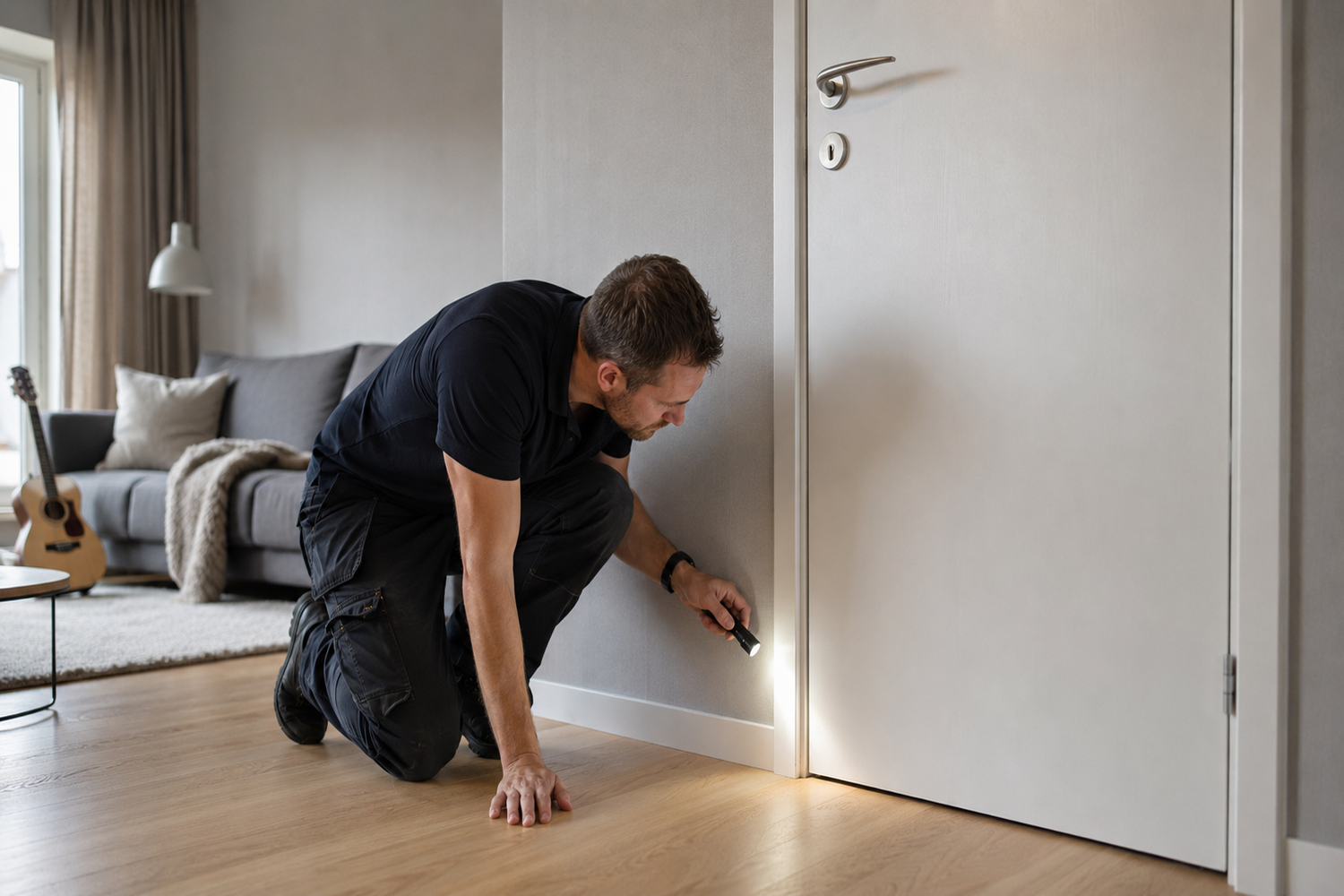
A practical test is the light test. Block out one side of the window, door, or joint in question and shine a light from the other side. Visible streaks of light can reveal open gaps. You can also use the pressure test by tucking a thin sheet of paper into the window or door and gently pulling on it. If the sheet slides out without noticeable resistance, the weatherstripping may need to be adjusted or replaced. The test should be performed along the entire perimeter.
When the window or wall is the weak point
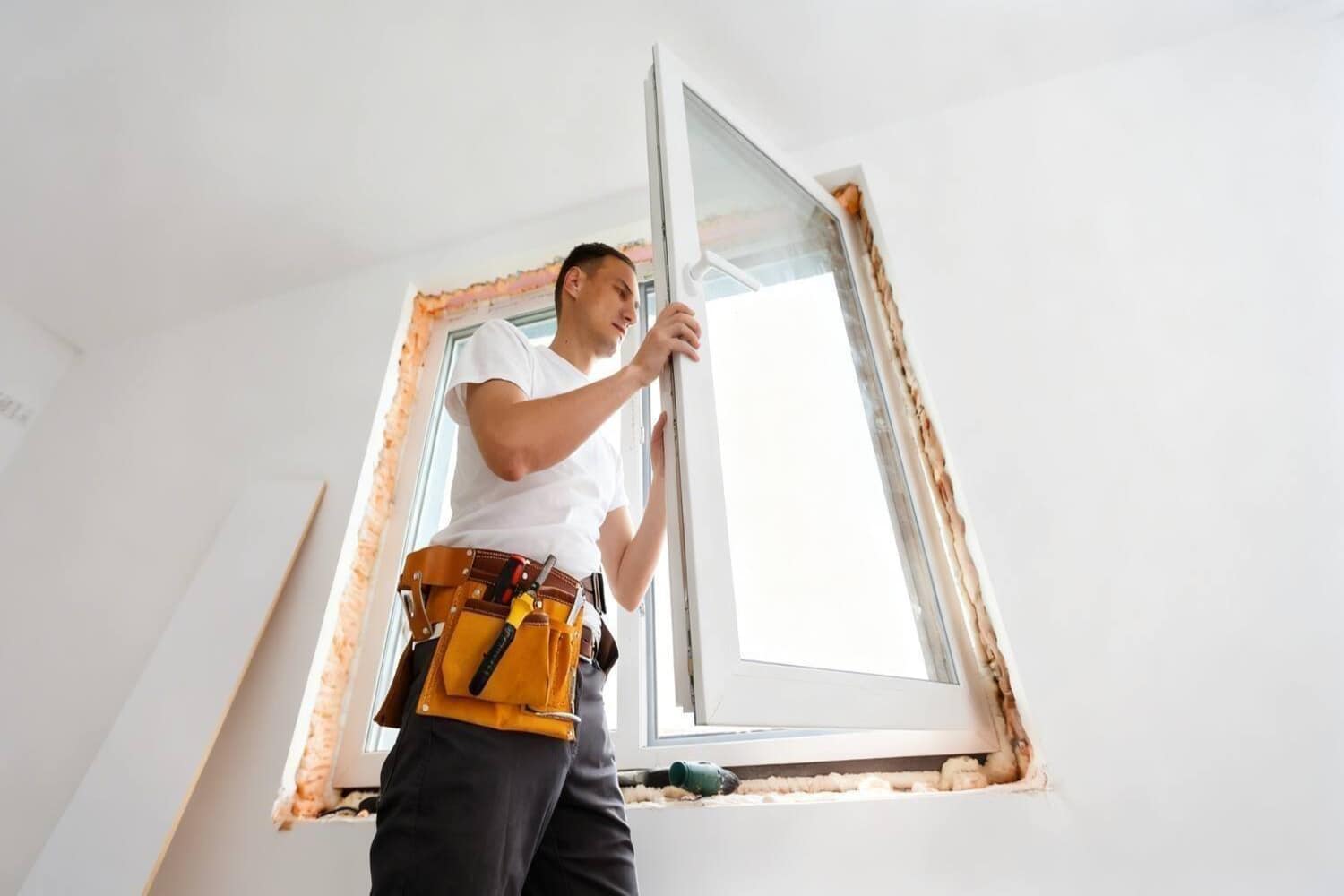
If the noise is still loud after sealing, the glass itself, the window frame, the door panel, or the facade may be the limiting factor. A window facing a heavily trafficked road may need to be upgraded or replaced with a solution designed to handle traffic noise. Also pay attention to wall vents and other necessary air passages. These must not be sealed arbitrarily, as ventilation, moisture control, and fire protection must function properly.
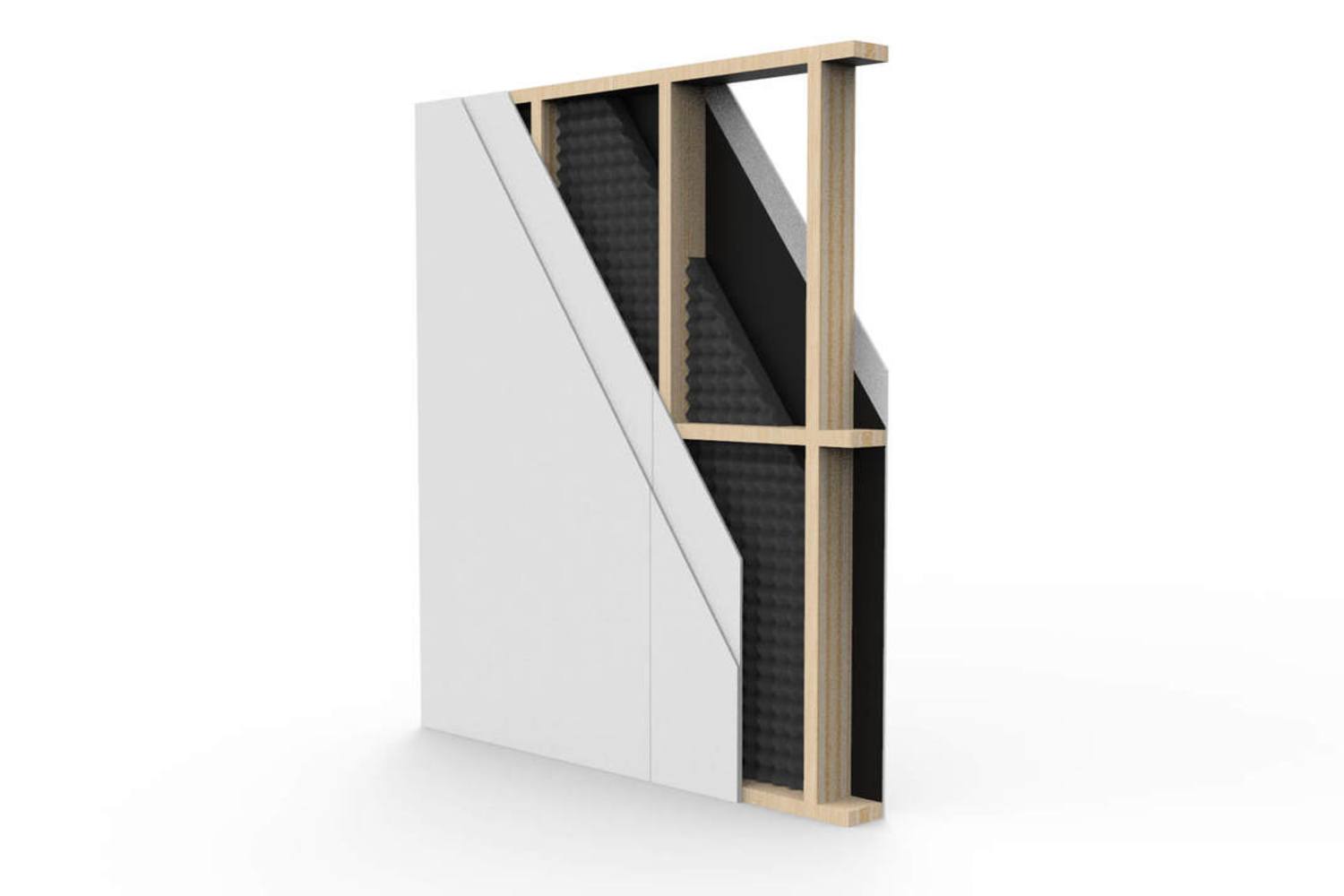
If traffic noise clearly passes through a lightweight exterior wall, adding more mass, improving airtightness, and using a decoupled interior structure may be necessary. SilentDirect MLV can be used as a heavy barrier in suitable constructions, such as between panel layers. A new framing system should be decoupled from adjacent surfaces with a vibration-damping layer, so that vibrations and sound energy are not transmitted through direct material contact.
Prioritize the weakest sound path
The best results are rarely achieved by installing the same material everywhere. Start with the most obvious sound path, implement the measure thoroughly, and then listen again. In many homes, sealing windows and doors provides the most cost-effective initial improvement. In the case of loud or low-frequency traffic noise, however, a combination of better windows, a well-sealed facade, controlled ventilation, and reinforced wall structures may be required.
If you live in a rental or condominium, you should always check what changes you’re allowed to make before carrying out any permanent modifications. Changes to the facade, windows, and ventilation may require approval and, in the case of more extensive problems, should be assessed by a professional with expertise in construction or acoustics.