





A quieter technical environment around solar inverters and battery storage systems
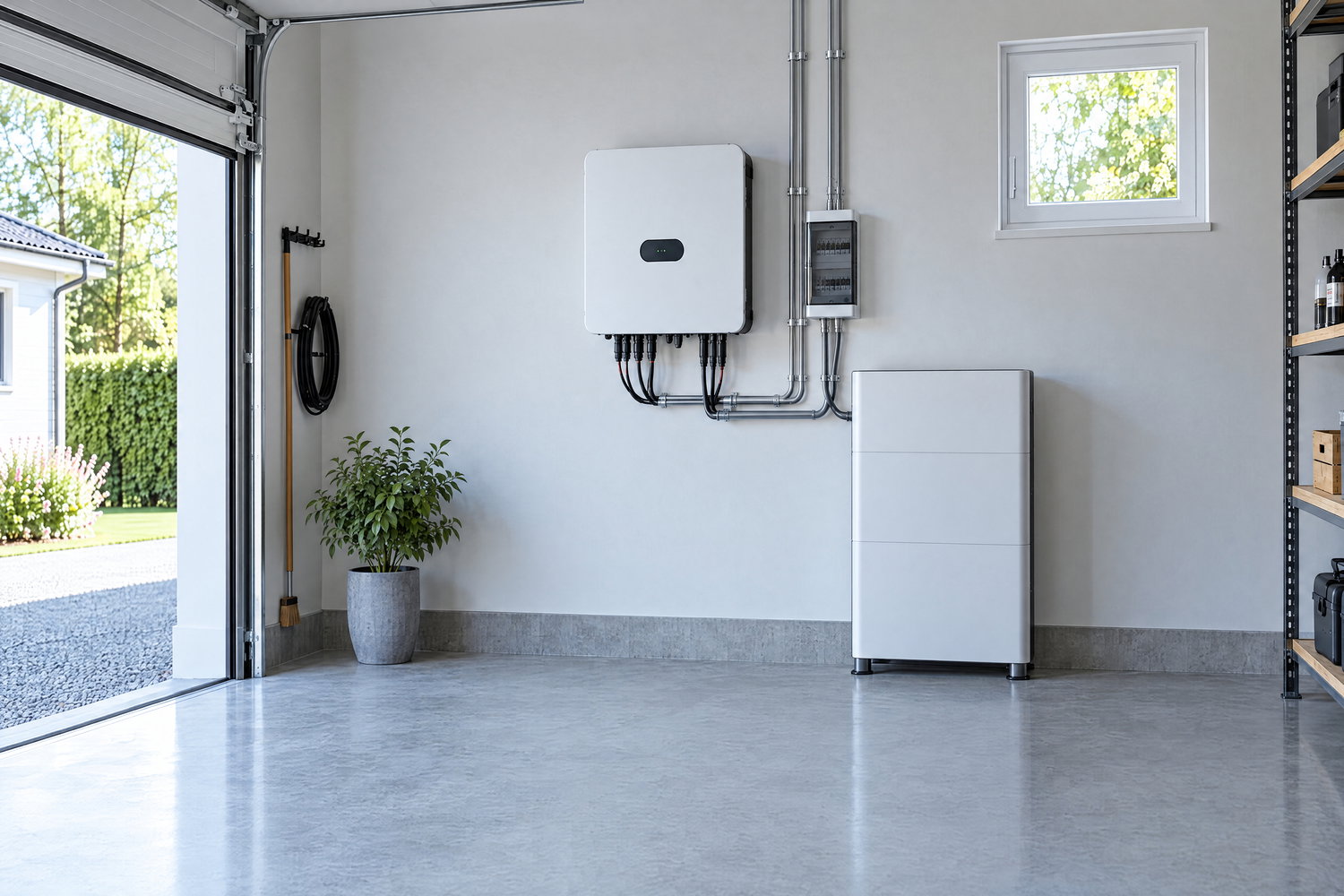
A solar inverter may emit a faint electronic hum, a high-frequency tone, or fan noise as solar power generation and output increase. A battery storage system may also make noise during charging, discharging, or temperature regulation. The noise is often moderate when near the equipment but can still be clearly heard in bedrooms, home offices, or patios if the installation is mounted on a thin wall, in a hard-walled utility room, or near a sensitive living area. An effective solution therefore does not begin by enclosing the equipment, but by determining where the noise originates and which transmission path is dominant.
Distinguish Between Airborne Sound, Vibrations, and Room Reflections
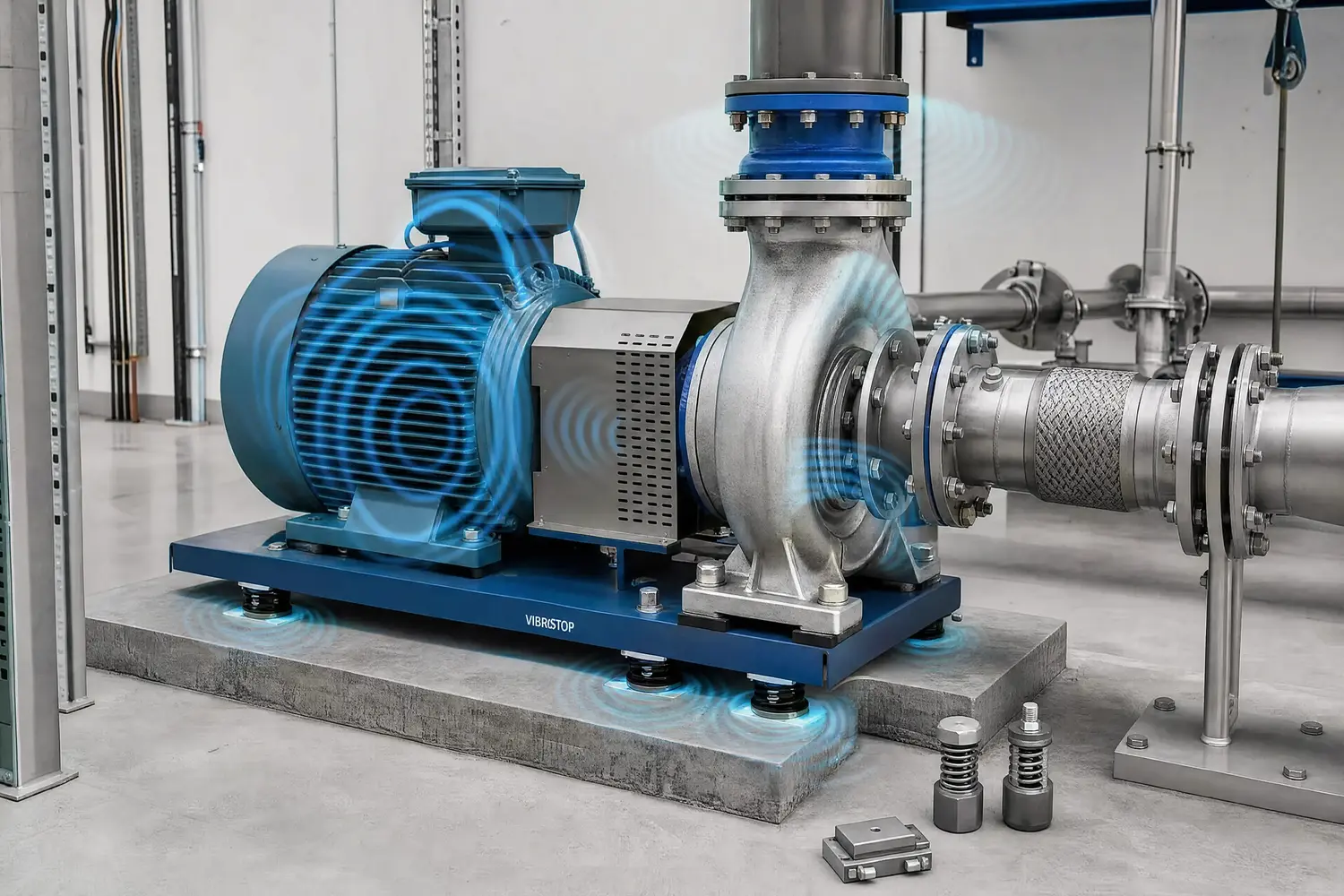
Fans and power electronics primarily generate airborne sound. At the same time, resonance in sheet metal components, brackets, walls, or floors can transmit vibrations as structure-borne noise. In a garage or utility room with concrete, drywall, and other hard surfaces, sound can also be reflected and perceived as louder. Listen during different operating modes, gently check whether nearby structural elements are vibrating without opening the equipment, and compare the sound level on both sides of the wall. This will make it easier to choose between maintenance, vibration damping, shielding, improved sound insulation, or additional sound absorption in the room.
Start with placement, mounting, and maintenance
If the sound changes suddenly, contains scraping or knocking noises, or is followed by an alarm, the installer or supplier should inspect the system. Fans, filters, loose metal parts, and faulty mountings can produce more noise than normal operation. For new installations, the distance to bedrooms and workspaces is important. A heavy, stable structural element typically provides better conditions than a lightweight partition wall, while floor-standing equipment may require an approved vibration-dampened mounting. Any changes to mountings or electrical installations must be assessed by a qualified professional.
Soundproof without blocking cooling or access
An inverter or battery storage unit must not be enclosed, covered with sound-absorbing material, or built into a sealed enclosure without authorization. The equipment requires the clearances, ventilation, temperature conditions, and service access specified by the manufacturer. For battery storage units, fire and electrical safety considerations must also be taken into account. A freestanding enclosure or a soundproofed room section may be possible, but must be designed so that airflow, separation, labeling, monitoring, and access are not affected. Absorbent material may instead be placed on suitable room surfaces or on the inside of a separate, approved enclosure—never directly over ventilation openings or on the equipment itself.
The correct measure depends on where the noise is heard
For structure-borne noise, decoupling and vibration damping are prioritized at the contact points approved by the installer. For airborne noise transmitted to an adjacent room, improved mass, density, and decoupling in the wall, door, or a separate barrier are often required. In a reverberant utility room, sound absorption helps reduce reflections, but it does not automatically stop sound from traveling through the building. By measuring before and after each measure, you avoid treating the wrong sound path and can create a quieter installation without compromising function or safety.