



• Free shipping
  • 5-year warranty
  • Fast delivery

Soundproofing a Fence – How to Create a Quieter Outdoor Environment

A fence can reduce outdoor noise, but only if it is designed as a true sound barrier. A sparse fence does not stop sound waves because the sound passes straight through the gaps. A noise barrier must therefore be solid from the ground up, have sufficient mass, and block the direct line of sight between the sound source and the area to be protected.

The effectiveness depends on several interacting factors: the frequency of the sound, the height of the source, the distance, the terrain, and the length and height of the barrier. Sound bends over the top of the barrier and around its sides, which means that a fence that is too short or too low may provide only limited improvement. A tightly sealed gate and carefully constructed joints are at least as important as the fence surface itself.

For a permanent solution, the structure must withstand wind loads, moisture, and ground movements. Therefore, check local regulations, sightline requirements, and any necessary permits before starting work. If the noise comes from a machine or installation, you should also investigate whether vibrations are transmitted through the ground or foundation. In that case, the source must be addressed, since a fence primarily affects airborne sound.

For temporary or flexible sound screening , the SilentDirect Sound Barrier 2.48 m can be used in an accessible area where the barrier can be conveniently hung. For permanent outdoor installations, all materials, fasteners, and protective coatings must be selected for the specific environment. The goal is not to create total silence, but to reduce direct sound transmission to a clearly defined living space.

Recommended Products

The Benefits of Soundproofing a Fence

Soundproofing a fence is an effective solution for reducing noise and creating a more harmonious outdoor environment. Whether you live in an area with heavy traffic, near an industrial site, or simply want to enjoy your garden without disruptive noise, a sound-absorbing fence can make a big difference. Below, we’ll go over the main benefits of investing in a sound-absorbing solution for your fence.

Reduced Noise Levels – A Quieter Environment
The most noticeable benefit of a sound-absorbing fence is the reduction in unwanted noise. By absorbing and reflecting sound waves, the fence can dampen noise from traffic, neighbors, or other external sources. The result is a quieter and more peaceful environment where you can relax without constant disturbances.

Greater privacy and seclusion
Soundproofing not only contributes to a quieter outdoor environment but also enhances privacy. By reducing ambient noise levels, you can create a more private atmosphere in your garden or on your property. This makes it easier to enjoy outdoor activities without feeling disturbed or watched.

A Better Living Environment
Constant exposure to noise can be stressful and negatively impact your quality of life. A sound-absorbing fence can therefore be a crucial factor in creating a pleasant living environment, especially in areas with heavy traffic or other disruptive noise sources. Less noise means better sleep, improved concentration, and a more harmonious daily life.

Improved Opportunities for Relaxation
A peaceful outdoor environment makes it easier to unwind and enjoy your garden or patio. With an effective sound-absorbing fence, you can create a relaxing space where you can read a book, spend time with family, or simply enjoy nature—without being disturbed by traffic noise or loud neighbors.

Increased property value
Properties in quiet and peaceful areas are often more attractive on the housing market. By installing a sound-absorbing fence, you can increase the value of your property, as potential buyers often value an undisturbed and pleasant living environment. This makes the fence a long-term investment that can yield a return in the event of a sale.

Protection Against Various Noise Sources
Sound-absorbing fences act as an effective barrier against a variety of noise sources, including:

- Traffic noise from nearby roads

- Noisy neighbors and parties

- Nearby industrial operations

- Noise from construction sites

By creating a protective sound barrier, the impact of noise on your property and home is reduced.

Customizability and Aesthetic Harmony
Sound-absorbing fences come in a variety of materials and designs, allowing you to customize them to match the style of your property and your personal preferences. You can choose from wood, composite, concrete, or other materials that are both effective at reducing noise and aesthetically pleasing.

Improved Relationships with Neighbors
By reducing noise, you can also foster a more harmonious relationship with your neighbors. Less noise means fewer complaints and more positive neighborly interaction. A quieter neighborhood benefits everyone in the area and can contribute to a more pleasant living environment for the entire neighborhood.

That's why a solid noise barrier works.

The screen blocks the direct path of sound

When the fence blocks the direct line of sight between the sound source and the receiver, a larger portion of the sound must travel over or around the structure.

Tightness prevents sound leakage

Gaps between boards, under the fence, or at a gate allow sound to pass through. A continuous surface is therefore essential.

Sufficient mass dampens airborne sound

A stable and airtight structure is more effective than thin, lightweight, or open screens when the goal is to reduce sound transmission.

The right height reduces sound over the top edge

The screen needs to be high enough to block the line of sight, but the height must also comply with safety standards and local regulations.

Sufficient length reduces sound around the sides

A short screen can let sound get around it. The length must therefore be planned in relation to both the source and the protected area.

Placement near the source or receiver provides better geometry

A barrier placed close to the sound source is often effective, but placement near the outdoor area may be better when the property or regulations limit the options.

Source control can complement the fence

Machinery noise and vibrations should primarily be addressed at the source. A barrier does not automatically handle structure-borne noise or ground-transmitted vibrations.

Realistic expectations lead to the right solution

A noise barrier can improve a fenced-in patio, but it does not typically create total silence and is less effective against high- or low-frequency sources.

What's the best way to soundproof your fence?

Soundproofing a fence is an effective way to reduce disruptive noise from traffic, neighbors, or other sources. The method used for soundproofing depends on the fence’s design, materials, and surrounding conditions. Below, we’ll go over the best ways to soundproof a fence, from comprehensive solutions to budget-friendly options.

Option 1 - Double Layers – The Best Method for Sound Insulation

A double-layered fence is the most effective solution for reducing noise. By combining sound-absorbing and sound-insulating materials, you can create a barrier that minimizes noise.

Step 1: Install sound-absorbing base material

If it’s possible to cover the entire interior of the fence without it being visible or affecting the appearance, we recommend the following:

1. Use SilentDirect Polaric sound-absorbing mat or SilentDirect MLV—these materials have excellent sound-insulating properties and help block sound waves.

2. Seal all joints thoroughly—use a sealant or SilentDirect Seal sealing strip (25–50 mm wide, 2 mm thick) to ensure no sound leaks occur.

Step 2: Install Sound-Absorbing Material

To further improve sound absorption, a sound-absorbing material should be installed on top of the base material:

SilentDirect Egg – recommended if the space allows for an egg-shaped sound absorber, as it provides the best sound reduction.

SilentDirect Neo – an alternative for situations where a flat sound-absorbing panel is more practical.

The thicker the sound absorber you can install, the better the effect will be.

Option 2 - Soundproofing of slats – when a full-coverage solution is not possible

If the entire interior of the fence cannot be covered, soundproofing can be installed directly on the slats. This is particularly useful for slatted fences or other fences with openings.

Step 1: Insulating the slats

1. Cut and shape the sound-insulating material to fit the slats.

2. Install SilentDirect Polaric sound-absorbing mat or SilentDirect MLV on the inside of all slats.

3. Carefully seal the joints with SilentDirect Seal sealing tape to prevent sound leakage.

Step 2: Install Sound Absorbers

After the slats have been insulated, apply sound-absorbing material:

SilentDirect Egg if you can use an egg-shaped absorber.

SilentDirect Neo if a flat sound absorber is a better fit.

Installing sound absorption on both sides of the battens provides the best results, but if it’s only possible on one side, you should install the material on the side where the noise is coming from.

Option 3 - Budget Option – Simpler Sound Damping for Slats

If you're looking for a simpler and more cost-effective solution, you can choose to install only sound-absorbing material directly on the battens:

Step 1: Install sound absorbers

SilentDirect Egg or SilentDirect Neo is attached to the inside of the slats closest to the noise source.

Although this method does not block sound as effectively as a full-coverage solution, it can still contribute to a noticeable reduction in disruptive noise.

Featured Articles

What is the difference between sound insulation and sound absorption?

Can plants help dampen and absorb sound?

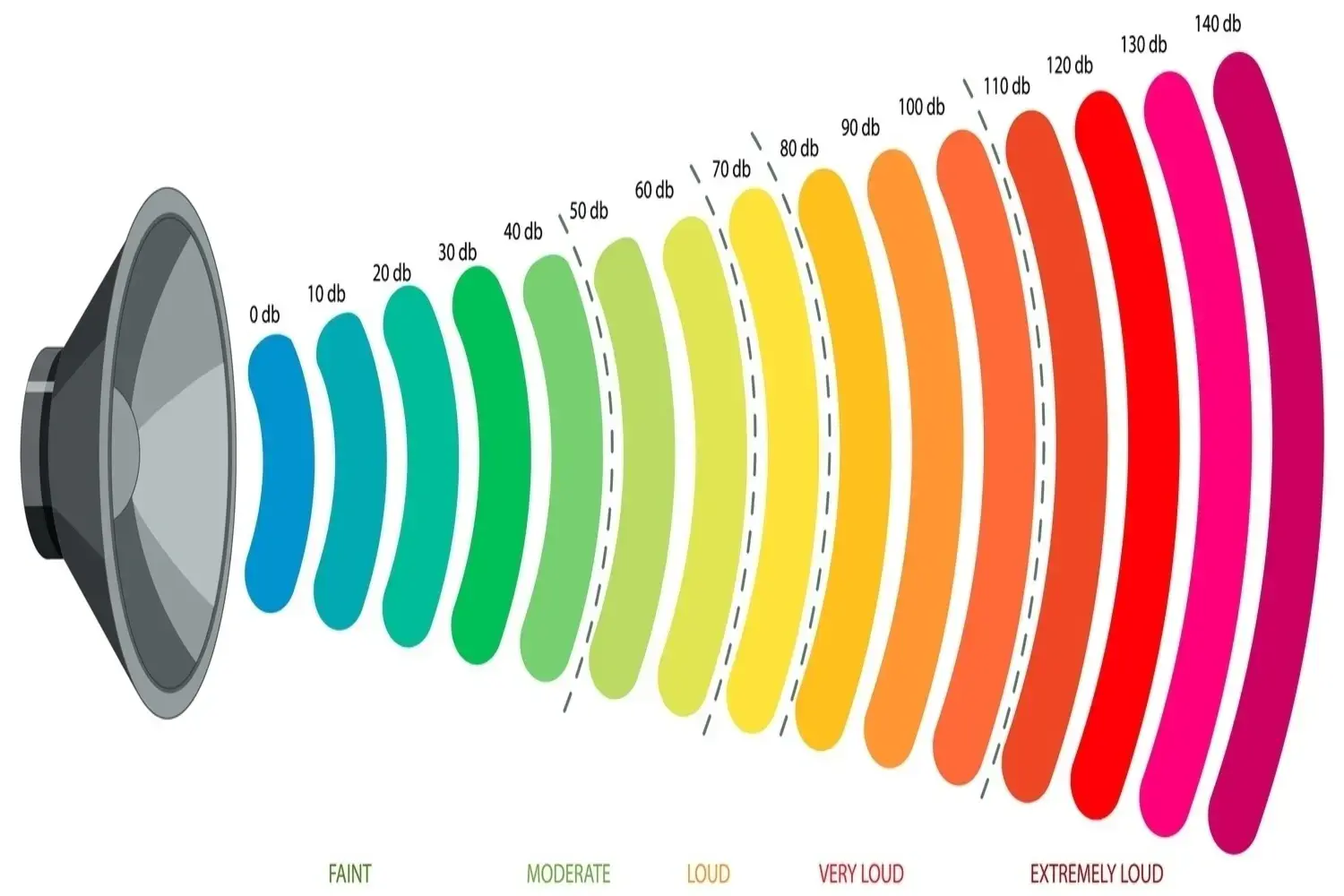
The Perception of Decibel (dB) Reduction and Sound

Other effective methods for soundproofing and sound-absorbing a fence

Soundproofing a fence can be a challenge, but with the right techniques and materials, you can significantly reduce noise from traffic, neighbors, or other sources. Here are some of the most effective methods for soundproofing and sound-absorbing a fence.

Choose the Right Materials for Sound Absorption

When building or upgrading a fence, the choice of materials is crucial for sound dampening. High-density materials absorb and reduce sound waves more effectively.

Thick wooden planks or composite materials
These materials have high density and help block sound.

Concrete and brick
Solid materials like concrete and brick are excellent at stopping sound waves and reducing sound transmission.

Adding plywood or a solid layer
If you already have a wooden fence, you can improve sound insulation by adding a layer of plywood or another heavy material on the inside.

Seal materials and minimize gaps

Sound can easily pass through openings and gaps in a fence, reducing the effectiveness of sound insulation.

Seal all joints and openings
Use sealant or SilentDirect Seal weatherstripping (25–50 mm wide, 2 mm thick) to eliminate sound leaks.

Build a solid fence
Avoid picket fences or other open structures if you want to maximize sound insulation.

Use a sound-insulating layer

Applying a sound-insulating layer to the fence is an effective method for reducing sound transmission.

Sound-insulating panels or solid boards can be mounted directly onto the fence surface to create a sound barrier.

SilentDirect Polaric damping mat or SilentDirect MLV can be installed as a damping base to reduce sound reflections and vibrations.

Double Layers

Create an effective sound trap A double-layered fence acts as an acoustic barrier that helps absorb and block sound waves.

Leave a gap between the layers

The gap acts as a sound trap where sound waves are absorbed or reflected away.

Combination of materials

Use a combination of sound-insulating and sound-absorbing materials for optimal results.

Install sound-absorbing panels

Sound-absorbing panels are an effective way to reduce noise levels and create a quieter outdoor environment.

SilentDirect Egg or SilentDirect Neo
These panels can be mounted directly on the fence and work by dampening sound waves before they propagate further.

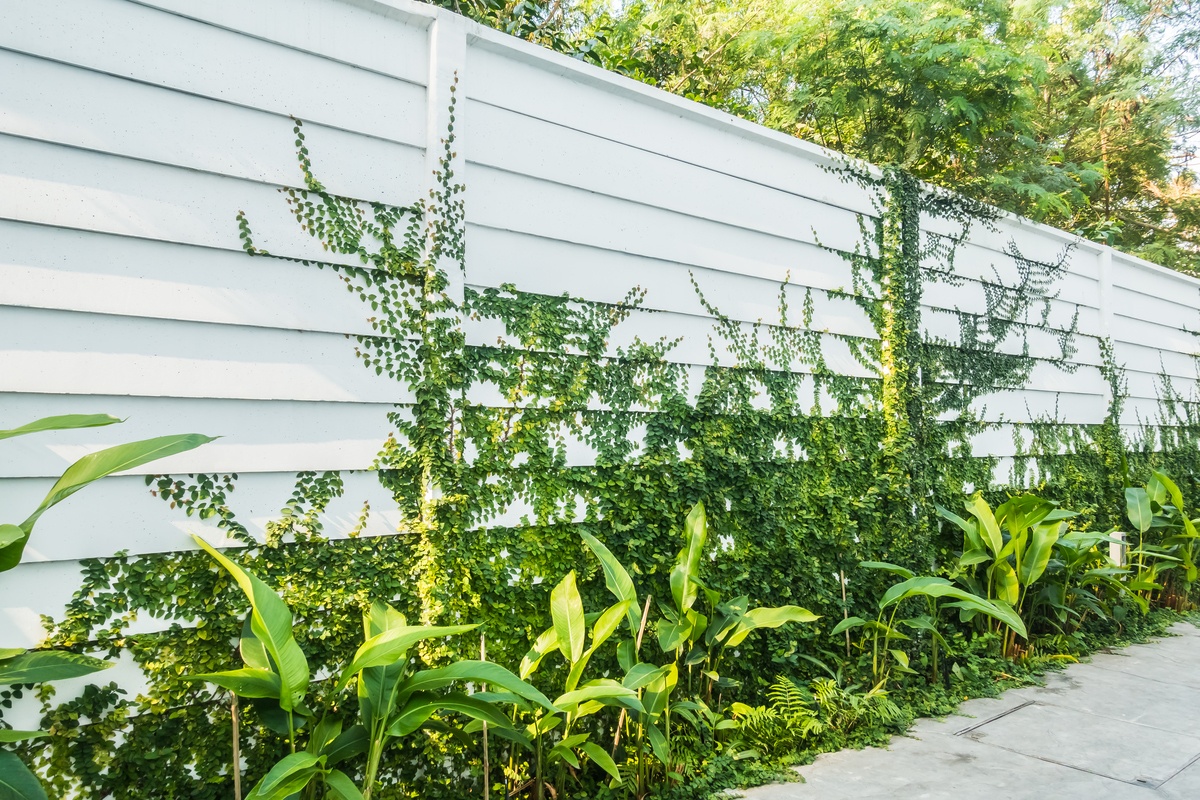
Greenery and vegetation as natural sound absorbers

Plants act as natural sound barriers and can complement a sound-absorbing fence.

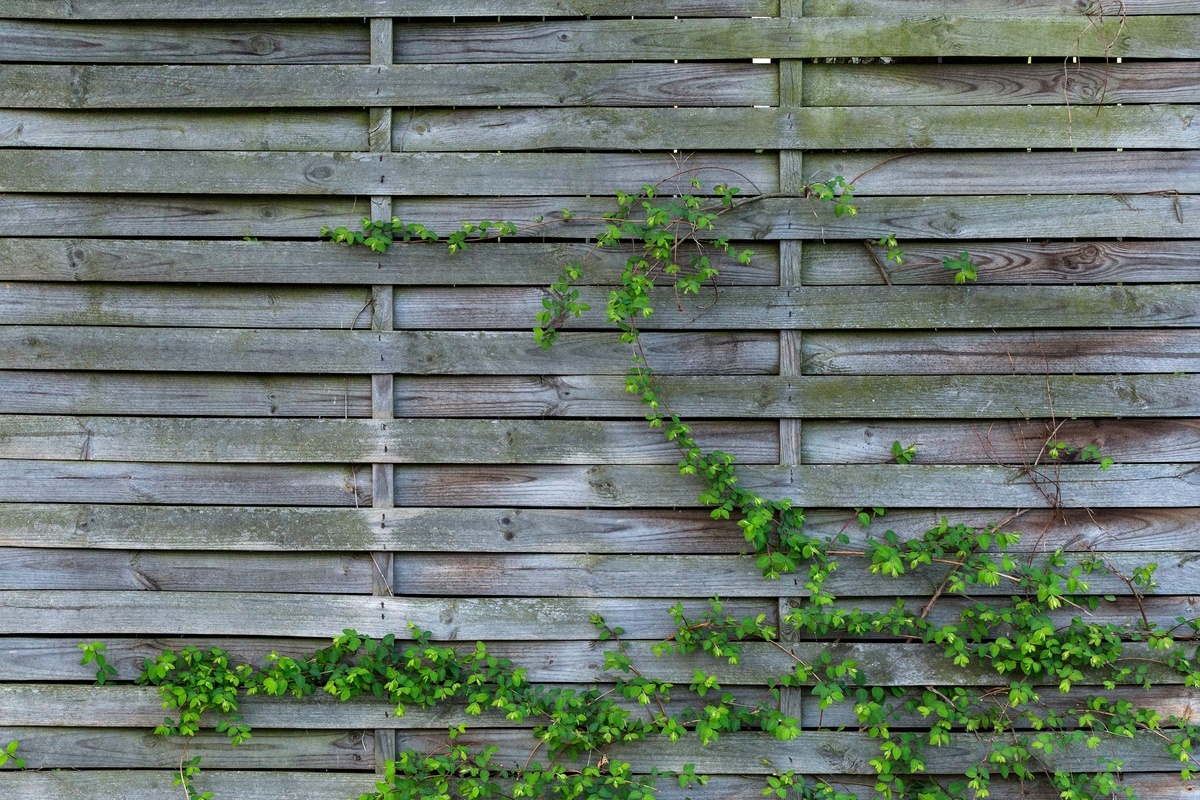
Plant shrubs, trees, or climbing plants along the fence to create natural sound absorption.

Hedges with dense foliage serve as additional sound-dampening barriers and can also provide more privacy.

Reflect sound away from your property

If the noise is coming from a specific direction, you can use reflective materials to deflect the sound waves.

Install sound-reflective panels on the side where the sound hits the fence to deflect the noise.

Use materials such as metal or dense, hard surfaces to deflect sound waves away from your home.

Install professional sound barriers

There are ready-made sound barriers specifically designed to block and absorb noise.

Acoustic screens and noise-reduction panels can be placed around the fence to provide additional soundproofing.

SilentDirect’s professional solutions can be combined with existing fences to maximize effectiveness.

Combine multiple methods for best results

Since no single fence can completely eliminate noise, the most effective solution is often a combination of several techniques:

- Combine sound-insulating materials with sound-absorbing layers.

- Use both double layers and sealing to reduce sound leakage.

- Supplement with vegetation for natural sound absorption.

By using these methods, you can create a significantly quieter and more secluded outdoor environment.

Did you know that…

Did you know that a standard fence doesn’t block sound—but rather can reflect and spread it further? Many people believe that a fence acts as a sound barrier, but if it isn’t tall, dense, and solid enough, sound can easily pass over, through, or around it.

To effectively soundproof a fence, three key factors are required: height, density, and a sound-absorbing surface. A fence should be at least 2 meters high, constructed of a dense material such as wood or composite, and ideally supplemented with sound-absorbing panels or cladding on the inside to prevent reflections. In addition, a green sound barrier—such as dense hedges or climbing plants—can help break up sound waves and further reduce noise from sources like traffic or neighbors!

Products That Are Good for Soundproofing Fences

The products listed below serve different purposes: the barrier provides sound insulation, the sealing products reduce leakage in compatible components, and the other products can be used to treat a machine or structure near the source. They are not interchangeable. For permanent outdoor installations, weather resistance, fastening, drainage, and proper sizing must always be verified.

SilentDirect Sound Barrier 2.48 m is a sound-insulating noise barrier for temporary or flexible screening in an accessible area. Eyelets, hooks, and Velcro allow multiple units to be hung and connected.

SilentDirect MLV is a heavy-duty barrier designed for structures where mass and density are needed to dampen airborne sound. For fence projects, a properly sized and weather-protected installation is required.

SilentDirect Aluminum Sealing Tape is an accessory for sealing joints and aluminum-clad transitions. It is suitable for compatible installations but does not replace a stable, structurally sound joint.

SilentDirect Seal is a self-adhesive sealing strip for small gaps, joints, and contact surfaces. Use it only where the substrate, load, and environment are suitable for the product’s intended use.

SilentDirect Neo has a smooth foam surface and is used for machinery, vehicles, and enclosures where mechanical noise and resonance need to be dampened close to the source. It is not intended for use as an exposed outdoor cladding.

SilentDirect Egg is a profiled absorber for engine compartments, machine enclosures, and technical surfaces. It may be suitable for use within an appropriate enclosure but not as a general exterior covering on a fence.

Dampio PRO is placed under machinery, pumps, or other equipment that transmits vibrations to a hard surface. It addresses the source of the vibrations and thus complements the barrier.

SilentDirect Polaric is a barrier mat for sheet metal, metal, and other hard surfaces where mass, sealing, and vibration damping are required. Weather protection and mechanical fastening must be evaluated for each outdoor project.

*Free shipping

Free shipping to a pickup location

5-Year Warranty

5-Year Product Warranty

Fast Delivery

Usually ships the same day

Soundproofing a Fence – Effective Noise Insulation for a Quieter Outdoor Environment

Soundproofing a fence is an effective solution for reducing disruptive noise from traffic, neighbors, or other sources. Whether you want to create a more secluded and peaceful garden, reduce traffic noise, or improve the quality of life in your outdoor space, the right soundproofing method can make a big difference.

A traditional fence made of wood, metal, or composite materials often acts as a sound-reflecting surface rather than a sound barrier. To truly block and absorb sound, you need the right choice of materials, construction, and placement.

How does soundproofing a fence work?

Sound travels through the air as waves, and when these waves hit hard surfaces, they are reflected. To effectively soundproof a fence, you need materials and techniques that both absorb and block sound waves.

The most effective sound-absorbing fences combine the following characteristics:

Dense construction
A fence without gaps or cracks prevents sound from seeping through.

Sound-absorbing materials
Acoustic panels, rubber, or composite materials help reduce sound reflections.

Sufficient height
A taller fence blocks more sound, especially from roads and neighboring properties.

Strategic placement
Placing sound barriers close to the source of the noise maximizes their effectiveness.

By choosing the right materials and design, you can create a more harmonious and quieter outdoor environment.

Materials and Methods for Soundproofing a Fence

Sound-absorbing panels – effective sound insulation
Sound-absorbing panels are one of the most effective methods for preventing sound propagation. These can be mounted directly on an existing fence and are often made of:

Nitrile rubber (NBR)
Durable, weather-resistant, and excellent for outdoor use.

Acoustic foam
Absorbs high frequencies and reduces reflections.

Mineral wool or polyester fiber
Effective sound absorbers that trap sound waves.

By combining these sound-insulating materials with a dense construction, you can significantly reduce noise levels.

Mass-loaded vinyl (MLV) – maximum sound blocking

MLV is a dense and heavy sound-insulating material that can be installed on the inside of the fence to block sound waves. It works by:

- Stopping sound transmission by creating a physical barrier.

- Reducing sound transmission by increasing the fence’s density.

- Preventing reflections by dampening sound energy.

Products such as SilentDirect MLV are specifically designed to improve sound insulation on outdoor fences.

Seal the Fence – Reduce Sound Leakage

If your fence has gaps or openings, sound can easily pass through. To create an effective sound barrier, the fence should be:

- Constructed of solid wood, composite, or concrete to block sound waves.

- Free of gaps or cracks to prevent sound from seeping through.

- Equipped with extra sound-insulating filling, such as acoustic foam or mineral wool panels.

A tight construction is especially important if the fence is located near busy roads or noisy neighbors.

Tall Fence – Block Sound Waves from Passing Through

A fence’s height affects its sound-insulating ability. The rule of thumb is that the taller the fence, the better the noise reduction.

- The sound-dampening effect increases significantly at a height of at least two meters.

- The fence should block the sound path between the noise source and the area you want to protect.

- If a taller fence isn’t possible, dense shrubs and trees can serve as an additional sound absorber.

The Benefits of Soundproofing a Fence

Soundproofing a fence creates a more private, peaceful, and harmonious outdoor environment. Some of the main benefits include:

Reduced noise levels
The fence absorbs and blocks traffic noise, loud neighbors, and other disruptive sounds.

Increased privacy and seclusion
Creates a sheltered and private outdoor environment.

Improved quality of life and better sleep
Less noise reduces stress and improves everyday comfort.

Increased property value
A quieter lot is more attractive when selling.

Versatility and aesthetic design – Soundproof fences are available in many materials and styles to suit different properties.

Here’s how to soundproof your fence effectively

1. Choose dense, sound-insulating materials—Wood, concrete, or sound-absorbing panels work best.

2. Install sound-absorbing panels—Use products like SilentDirect Polaric or MLV for maximum sound reduction.

3. Make sure the fence is airtight – Seal any gaps or openings to prevent sound leakage.

4. Build a taller fence—At least two meters high to block the sound path.

5. Add vegetation – Dense shrubs and hedges can further dampen noise.

By combining the right materials, height, and density, you can create an effective sound barrier that turns your garden into a quiet and relaxing place.