

• Free shipping
  • 5-year warranty
  • Fast delivery

Soundproof and Sound-Dampen Pools and Hot Tubs

Soundproofing and sound-dampening a pool or hot tub can be crucial to creating a more relaxing and harmonious environment. Noise from pool pumps, water movement, and other technical systems can cause disruptive background noise, both for those using the pool area and for the surrounding neighborhood. By taking the right measures, you can reduce noise and improve acoustic comfort, making the swimming experience more pleasant while also contributing to a quieter environment.

Noise from a pool or hot tub can come from several different sources. The most common source is pumps and filtration systems, which generate a constant humming or whirring sound. Water flow—especially if there are waterfalls or jets—can also create a louder noise level, particularly in enclosed spaces where sound bounces off hard surfaces. In addition, vibrations from pumps and other equipment can travel through the ground and create low-frequency sounds that can be difficult to manage without proper soundproofing.

To effectively soundproof and dampen noise from a pool or hot tub, it is important to combine multiple methods. One of the most effective measures is to place sound-insulating materials around pumps and technical installations. By using sound-absorbing enclosures or sound-insulating boxes, you can drastically reduce the noise transmitted from the pump to the surrounding area.

Furthermore, ground isolation and vibration isolation can play a crucial role in reducing low-frequency sounds and vibrations. Installing sound-absorbing mats or rubber feet under the pump and other equipment can reduce resonance and prevent sound from propagating through the ground and into buildings or neighboring properties.

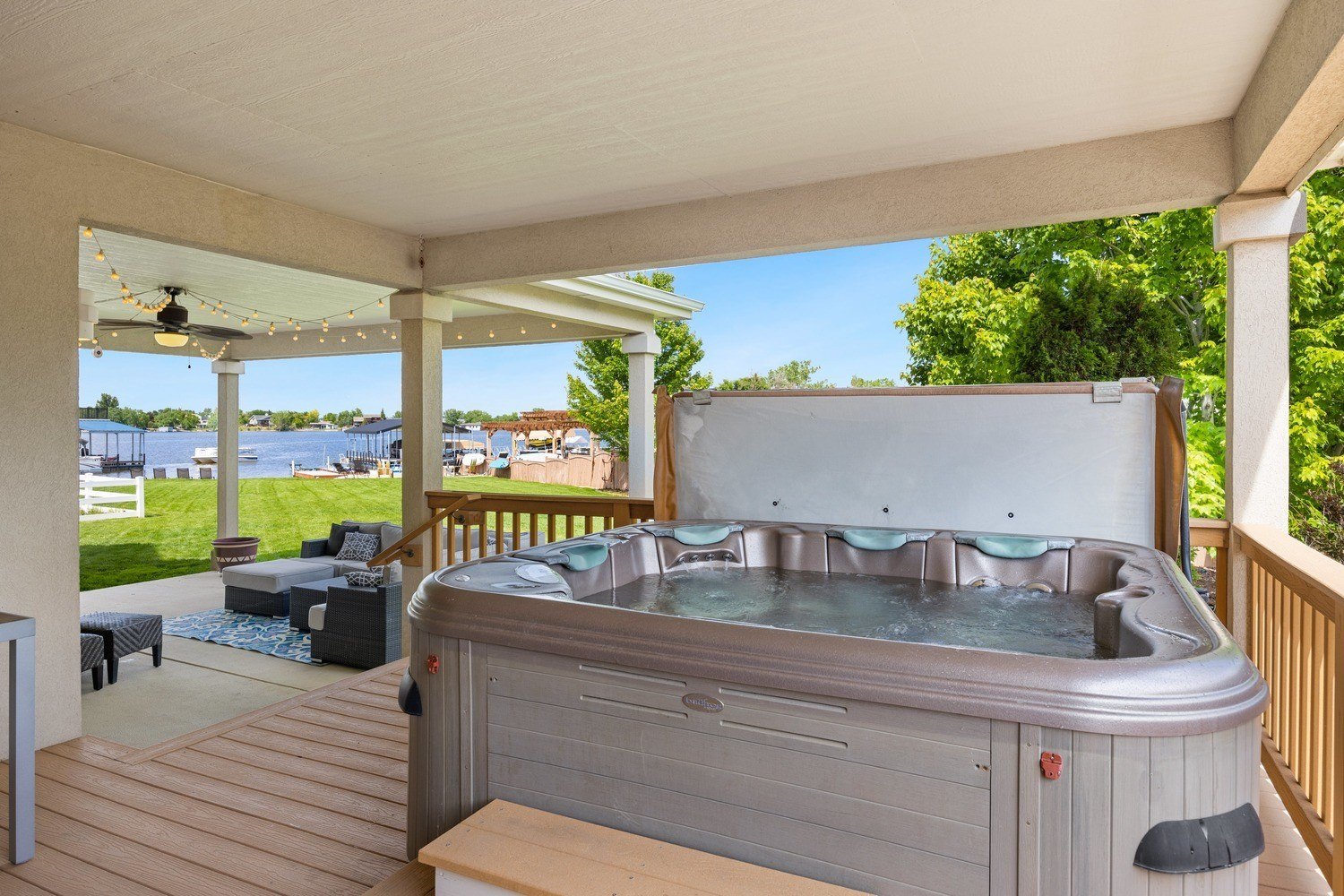
For hot tubs installed on patios or near buildings, it can be effective to use sound-absorbing panels or screens around the tub to minimize sound reflections and limit sound propagation. Vegetation and wood materials can also help break up sound waves and reduce the perceived noise level.

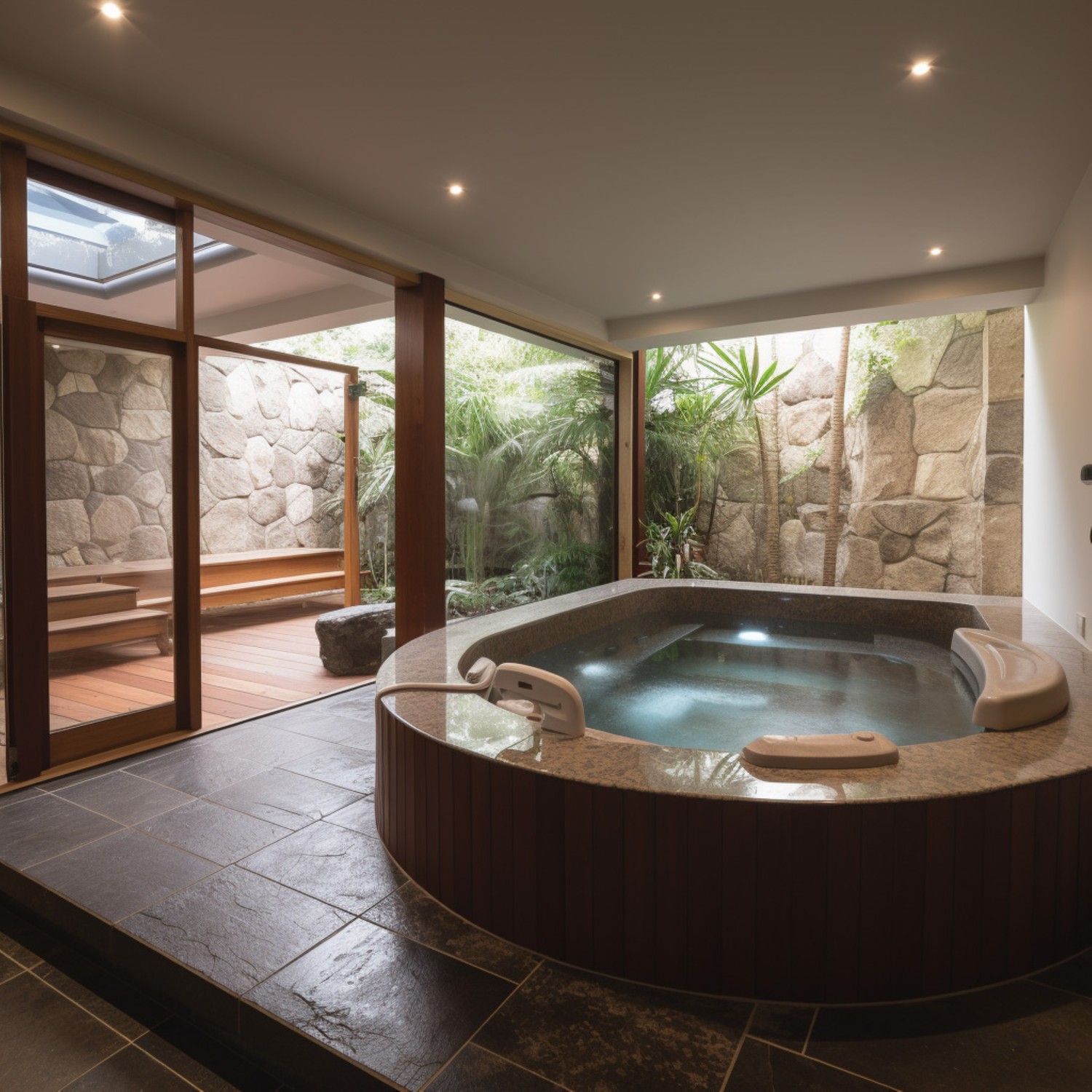
In indoor environments, such as pool houses or spa areas, soundproofing is even more important because sound can easily bounce off hard surfaces like tile, glass, and concrete. Installing sound-absorbing materials on ceilings and walls can dampen sound reflections and reduce reverberation, creating a more pleasant acoustic environment.

Implementing soundproofing measures around a pool or hot tub not only contributes to a more relaxing swimming experience but can also improve relations with neighbors by minimizing disruptive noise. By combining several different methods—such as vibration damping, sound absorption, and smart material selection—you can create a harmonious and pleasant environment where noise levels are kept at a comfortable level for everyone in the vicinity.

Recommended Products

Benefits of Soundproofing a Pool and Hot Tub

Reduced noise disturbance to the surrounding area
Noise from pool equipment, bubbles, and water flow can travel to nearby residential areas and disturb neighbors. By soundproofing equipment rooms and using sound-absorbing materials around the pool, noise can be significantly reduced. This creates a more peaceful and pleasant environment, especially in densely populated areas where sound travels easily.

Enhanced relaxation and a peaceful atmosphere
A pool or hot tub is often a place for relaxation and recreation. However, noise from pumps and other equipment can disrupt that sense of calm. By soundproofing the pool area, you can create a more harmonious environment where the sounds of water are pleasant rather than disruptive. This is particularly important in private gardens, spa facilities, and hotel settings where a quiet and relaxing atmosphere is essential.

Better Sleep Quality in Nearby Homes
If the pool or hot tub is used late at night, the noise can disturb people trying to sleep nearby. Installing sound-absorbing barriers around the pool area can help reduce noise propagation and create a more pleasant environment for neighbors and residents. Soundproofing pump rooms and utility areas can also reduce nighttime disturbances and improve sleep quality for those living nearby.

Greater Privacy and a More Private Experience
A well-soundproofed pool environment creates a more private and secluded experience. By minimizing sounds that can be heard outside the pool area, the sense of privacy increases, making it easier to enjoy time by the pool or in the hot tub without worrying about prying eyes or disturbances.

Increased property value through a better acoustic environment
A property with a quiet and well-insulated pool area is often perceived as more attractive. People are willing to pay more for homes and hotels where the pool area is designed for relaxation and where noise levels are kept under control. Investing in soundproofing measures can therefore increase property value and make the home more competitive in the market.

A Better Work Environment for Staff at Commercial Pools
In commercial pool and spa facilities, noise can pose a workplace hazard for staff. By soundproofing equipment rooms and installing sound-absorbing materials, the work environment can be improved, contributing to a more pleasant and healthy workplace.

Health and Well-Being Through a Quiet Environment
Sound has a direct impact on our well-being. A pool environment where noise levels are controlled helps reduce stress and create a more harmonious experience. For those who use the pool as a place for recovery—for example, during hydrotherapy or relaxation—a quieter environment can have a positive effect on both physical and mental health.

Here are some measures and places where you can use sound-absorbing materials

Noise from pool pumps, the movement of water, and people’s voices can create a noisy environment that affects both relaxation and the surroundings. By using the right sound-absorbing materials in strategic locations, you can significantly reduce disruptive noise and create a more peaceful and harmonious environment.

Sound Absorption on Walls and Ceilings for a Better Acoustic Environment
Installing sound-absorbing materials on walls and ceilings is one of the most effective methods for reducing noise levels in and around a pool area. Sound reflects strongly off hard surfaces, which can amplify echoes and create an unbalanced acoustic environment. By installing acoustic panels or sound-absorbing materials on the walls, sound reflections can be controlled, resulting in a more subdued acoustic environment. For indoor pools and hot tubs, it is particularly important to reduce reverberation, as the sound can otherwise be amplified by the room’s design. Soundproofing the ceiling can also help prevent sound from spreading to other parts of the building. An effective solution for this is SilentDirect PES Ceiling, a 50mm-thick sound-absorbing material available in multiple sizes and also offered with custom fabric for aesthetic integration.

Soundproofing the Pool Pump and Filter Room
Pool pumps and filtration systems can generate high noise levels, especially if they are located near living spaces or other sensitive areas. To reduce noise from these units, sound-absorbing materials can be installed around the filter room and the pool pump. SilentDirect Egg and SilentDirect Neo are two high-performance sound absorbers that are easy to install and provide excellent sound dampening. To reduce airborne noise, SilentDirect MLV (Mass-Loaded Vinyl) can also be used, which acts as an effective barrier against sound leakage from pumps and motors.

Sound Damping of Floor Surfaces Around the Pool
Footfall noise and other sounds from movement in the pool area can be reduced by using sound-absorbing and sound-dampening materials on the floor. Hard surfaces, such as tile and stone, reflect sound and can amplify echoes. Using sound-dampening mats, rubber materials, or vibration-dampening panels can reduce footfall noise while improving comfort. Building a sound-dampening platform or a vibration-damping panel on which to place the hot tub or pool is an effective solution for reducing noise from water movement and pumps. For this purpose, we recommend SilentDirect Neo, which has a powerful sound-absorbing effect, as well as SilentDirect MLV, a dense, sound-insulating rubber mat that further reduces noise and vibrations.

Insulating pipes and piping to reduce sound transmission
Noise from pipes and water flow can travel through building structures and create disruptive noise in surrounding areas. By using sound-insulating materials or sound-absorbing sleeves around pipes, sound transmission can be significantly reduced. For this purpose, SilentDirect Egg and SilentDirect Neo are excellent choices, as they have high sound absorption capacity and can be attached directly to pipes and lines.

Soundproofing Ventilation Systems for a Quieter Environment
Ventilation systems are an essential part of a pool area, but they can also contribute to sound transmission and noise. By using sound-insulated ventilation ducts and installing silencers, you can reduce disruptive noise from airflow and fans.

Soundproof doors and windows reduce sound leakage
If the pool area has doors and windows facing living spaces or sensitive areas, soundproofing them can be an important measure. Soundproof doors and windows can help reduce sound leakage and create a more controlled acoustic environment. An effective option is to use SilentDirect Seal, a specially developed nitrile rubber sealing strip that can prevent sound leakage between doors and windows. For even better sound insulation around doors, SilentDirect Seal Door can be used; it is designed to fit doors up to 55 mm thick and works excellently even on steel doors.

Furniture and Decor as Part of Sound Absorption
Using soft materials in the interior design can help reduce sound reflections and create a more balanced acoustic environment. Furniture such as upholstered lounge sets, large parasols, and acoustic wall decorations can help absorb sound and improve the acoustics in the pool area. By strategically placing soft materials, you can reduce reverberation and make the sound environment more pleasant, without compromising aesthetics.

Outdoor barriers to reduce noise from the pool
Creating sound-insulating barriers around the pool area can reduce sound propagation and limit disruptive noise for the surrounding neighborhood. Sound-absorbing screens or walls made of wood, glass, or other acoustic materials can help create a more secluded and private environment.

By combining sound-absorbing and sound-insulating materials, you can achieve maximum effectiveness, especially if the pool is located near neighbors or other sensitive areas.

Other Tips for Reducing Noise from Pools and Hot Tubs

Enjoying a pool or hot tub should be a relaxing experience, but disruptive noise from water movement, pumps, and equipment can affect both your comfort and that of those around you. By using strategically placed sound-absorbing materials and smart solutions, you can minimize noise levels and create a calmer, more harmonious environment.

Location – Minimize Sound Propagation Through Strategic Planning
The placement of the pool and hot tub plays a major role in how sound spreads throughout the surrounding area. If the pool is located near walls or hard surfaces such as concrete and glass, sound reflections can amplify the noise and create an unpleasant acoustic environment. By choosing a location where sound does not bounce freely off the surroundings, the noise level can be significantly reduced. If you have the option to build sound-absorbing barriers or strategically place the pool in a part of the garden where natural sound barriers exist—such as hedges or trees—this can also contribute to a better acoustic environment.

Sound-Absorbing Materials – Dampen Echoes and Sound Reflections
Hard surfaces around the pool area can amplify sound and cause it to travel farther than necessary. By using sound-absorbing materials, you can effectively reduce echoes and sound reflections. Including textiles such as thick outdoor rugs, acoustic wall panels, or sound-absorbing curtains in the pool area can help create a more balanced acoustic environment. These materials help break up sound waves and reduce reverberation, making the noise level more pleasant both inside and outside the pool area.

Insulation of Technical Equipment – Dampen Noise from Pumps and Filters
Pool pumps and filter systems are among the largest sources of noise in a pool environment. If these units are not properly insulated, they can create disruptive noise that spreads to both indoor and outdoor areas. To reduce noise levels, you can use sound-absorbing materials around the equipment. An effective method is to enclose pumps and filters in a soundproof box or to line surrounding surfaces with sound-absorbing panels. Using sound-dampening mats under the equipment can also reduce vibrations that would otherwise travel through the ground.

Sound Barriers – Block the Spread of Noise
Creating physical sound barriers around the pool area can be an effective solution for reducing the spread of noise. By installing fences, walls, or sound-absorbing screens, you can block sound waves from traveling freely. Materials such as wood or stone act as natural sound absorbers and can help reduce noise levels in the surrounding area. Combining these with sound-absorbing panels or green plant walls creates an aesthetically pleasing solution that also improves the acoustic environment.

Water Features – Mask Noise and Create a Relaxing Soundscape
A smart way to manage unwanted noise from the pool area is to use the sound of water as a natural noise mask. By installing a fountain, a waterfall, or another water feature, you can create a pleasant background sound that masks the noise from pumps and conversations by the pool. The flowing water acts as an acoustic barrier and helps reduce the perception of other disruptive sounds. This is a popular method in spa and wellness facilities for creating a more relaxing environment.

Quieter Equipment – Upgrade to Quiet Options
If you have older or noisy pool pumps and filters, it may be a good idea to upgrade to newer, quieter models. Modern pumps are often designed with sound insulation in mind and can significantly reduce noise levels. By regularly maintaining and lubricating the moving parts of your equipment, you can also minimize unnecessary vibrations and noise. Ensuring that the equipment is properly installed and does not vibrate against other surfaces can also make a big difference in noise levels.

Sound-insulating flooring – Reduce noise from foot traffic and vibrations
The floor around the pool can be a source of unwanted noise, especially if it’s made of hard materials like tile or concrete. By using sound-absorbing flooring, you can reduce both footfall noise and vibrations. Rubber-based flooring or cork materials can provide a softer surface that both reduces noise and increases safety by minimizing the risk of slipping. Using a damping panel or a vibration-damping mat under the hot tub can also reduce sound transmission to the subfloor.

Sound-Absorbing Ceilings – Reduce Sound Reflections in Indoor Environments
If you have an indoor pool or hot tub in an enclosed space, noise levels can become high because sound waves bounce off the ceiling and walls. Installing sound-absorbing ceiling tiles can help reduce reverberation and create a more pleasant acoustic environment. Sound-absorbing ceilings can be combined with other acoustic measures to maximize the effect and make the indoor environment more comfortable.

Combine Multiple Measures for Optimal Sound Insulation
By using a combination of these measures, you can significantly improve the acoustic environment around your pool or hot tub. The pool’s location, the choice of sound-absorbing materials, the insulation of mechanical equipment, and the use of sound barriers are all important factors in creating a quiet and harmonious environment.

Investing in quieter equipment and sound-absorbing flooring can further reduce disruptive noise. If the pool is indoors, sound-absorbing ceilings can be a crucial factor in reducing echoes and improving acoustics. By planning carefully and using the right materials in the right places, you can create a more relaxing and enjoyable environment, both for yourself and for those around you.

Did you know that…

Does the sound from a pool or hot tub travel not only through the air—but also through water and the ground? Many people believe that the noise from a pool pump or hot tub is mostly heard at the source, but the vibrations can travel through the ground and spread far away—sometimes being more audible in an adjacent room than at the hot tub itself!

Water conducts sound up to four times faster than air, which means that a pool or hot tub can amplify the sound and make it harder to control. Reducing disruptive noise requires a combination of sound absorption, sound insulation, and vibration damping.

A large portion of the noise can be stopped by dampening the pool pump itself and the hot tub’s structure-borne noise. By using nitrile rubber (NBR), spring-mounted vibration dampers, or sound-absorbing enclosures, you can break the sound path and drastically reduce sound transmission.

So if you have a noisy pool or hot tub that’s disturbing your neighbors or your own peace and quiet—keep in mind that it’s not just about dampening airborne sound, but also about stopping the vibrations right where they originate!

Products that are effective for soundproofing and sound absorption in pools and hot tubs

Enjoying a pool or hot tub should be a relaxing and soothing experience. However, pumps, filters, and other technical equipment can generate disruptive noise and vibrations that affect your comfort. By using the right sound-insulating and sound-absorbing materials, you can effectively reduce noise and vibrations from your pool or hot tub area, creating a quieter and more pleasant atmosphere.

SilentDirect Polaric Damping Mat
SilentDirect Polaric is a heavy-duty damping mat made from a butyl compound with a durable aluminum surface. It is specially designed to reduce structure-borne noise and vibrations from pumps, filters, and other equipment used in connection with pools and hot tubs. By installing SilentDirect Polaric on surfaces where vibrations are transmitted—such as under pumps and around pipes—you can significantly reduce sound transmission and create a quieter environment. The denser a material is, the better its sound-damping properties, making SilentDirect Polaric an optimal solution for sound insulation in pool and hot tub systems.

SilentDirect MLV
SilentDirect MLV (Mass Loaded Vinyl) is a heavy, flexible soundproofing mat that effectively blocks sound transmission and reduces vibrations. It is ideally suited for use in utility rooms where pumps and filter systems are installed, where it acts as a barrier against sound and vibrations. By installing SilentDirect MLV on walls, floors, and around pipes, you can effectively prevent sound from spreading to the surrounding area. It’s also ideal for soundproofing spaces near the pool area where noise from water flow and equipment operation can otherwise be disruptive.

SilentDirect Dampio
SilentDirect Dampio are vibration-damping pads designed to minimize high-frequency vibrations from pumps, fans, compressors, and other technical installations. By placing Dampio pads under machinery and equipment, you can effectively dampen vibrations and reduce noise levels in your pool or spa environment. These pads help protect building structures and surrounding materials from prolonged vibrations that can cause wear and damage. With SilentDirect Dampio, you get a more stable and quiet installation.

SilentDirect Egg
SilentDirect Egg is a sound absorber made of NBR rubber (nitrile rubber), designed to provide maximum sound damping and sound absorption. Its unique egg shape breaks up sound waves and reduces sound reflections, making it ideal for installation in utility rooms where pumps and filter systems generate noise. By installing SilentDirect Egg on walls and ceilings in mechanical rooms, you can reduce reverberation and improve the acoustic environment. For best results, a thickness of at least 35 mm is recommended, but 50 mm provides even better sound absorption.

SilentDirect Seal
SilentDirect Seal is a flexible sealing strip made of nitrile rubber (NBR), perfect for sealing joints and gaps in utility rooms and around pipes. By eliminating airborne sound leakage, you can further enhance the sound insulation of your pool or spa environment. The sealing strip can be used around pump hatches, ventilation openings, and penetrations to minimize sound transmission and vibrations that might otherwise affect comfort.

SilentDirect Neo
SilentDirect Neo is a flat sound absorber made from the same highly absorbent NBR rubber as SilentDirect Egg, but with a smooth surface. It is particularly suitable for installations where low-profile sound damping is needed, such as in equipment rooms where noise levels from machinery need to be reduced without taking up too much space. By installing SilentDirect Neo on walls and ceilings in equipment rooms, you can effectively reduce sound reflections and create a more pleasant acoustic environment.

*Free shipping

Free shipping to a pickup location

5-Year Warranty

5-Year Product Warranty

Fast Delivery

Usually ships the same day

Soundproofing and Sound Absorption for Pools and Hot Tubs – How to Create a Quieter and More Relaxing Environment

Soundproofing and noise reduction for a pool or hot tub are essential for creating a peaceful and harmonious environment, both for those enjoying the water and for the surrounding area. Noisy pool pumps, water flow, and mechanical systems can produce disruptive sounds that are amplified in both open and enclosed spaces. By combining sound insulation, vibration damping, and sound absorption, you can reduce noise and improve acoustic comfort, leading to a more pleasant swimming experience.

What noise problems arise with pools and hot tubs?

Noise from pools and hot tubs has multiple sources, and it’s important to understand where the noise originates in order to address it effectively.

Pool Pumps and Filtration Systems
One of the most common sources of noise is the humming and whirring sounds from pumps and filtration systems. This noise can be disruptive, both for swimmers and for nearby neighbors.

Water Flow and Jets
The sound from waterfalls, bubble jets, and circulating water can be amplified, especially in indoor environments or on stone and concrete surfaces.

Vibrations and resonance
Pumps and other technical equipment can generate low-frequency vibrations that travel through the ground, causing the sound to spread and making it harder to dampen.

Echoes and sound reflections
Indoor pools and spa areas often have hard surfaces such as tile, glass, and concrete, which create long reverberation times and amplify noise.

To minimize noise levels and create a more pleasant atmosphere, you need to use the right combination of sound insulation, sound absorption, and vibration damping.

How to soundproof and dampen noise in a pool or hot tub

To effectively reduce noise, you need to combine several methods, tailored to the noise source and the environment.

Soundproof and enclose pool pumps and technical equipment
By reducing both airborne and structure-borne noise, the noise level is significantly lowered and the surroundings become more pleasant.

Dampen vibrations to reduce resonance noise
By interrupting sound transmission at the source, you prevent vibrations from spreading to nearby surfaces.

Sound-absorbing screens and panels to reduce noise propagation
These measures reduce sound propagation and make the environment quieter and more comfortable.

Soundproof indoor pools and spa areas
The noise problem is more pronounced in indoor pools, where hard materials such as tile and glass create long reverberation times. To create more pleasant acoustics, you should:

- Install sound-absorbing ceiling panels to reduce sound reflections.

- Use sound-absorbing materials on the walls, such as acoustic panels or textiles.

- Place sound-absorbing rugs or wooden surfaces around the pool to reduce noise levels.

A combination of these measures creates a calmer and more relaxing environment, especially in spa and relaxation areas.

How to Soundproof a Pool or Hot Tub

To create a quiet and pleasant swimming environment, you should use a combination of sound insulation, vibration damping, and sound absorption. The most important measures include:

Soundproofing pool pumps and technical equipment
Enclose or build sound-absorbing cabinets.

Vibration damping
Use rubber mats, spring-mounted brackets, and damping pads to stop vibrations.

Sound-absorbing panels and screens
Reduce sound reflections from hard surfaces by installing sound-absorbing materials.

Indoor pools and spas
Use acoustic panels and textiles to reduce reverberation and improve the sound environment.