








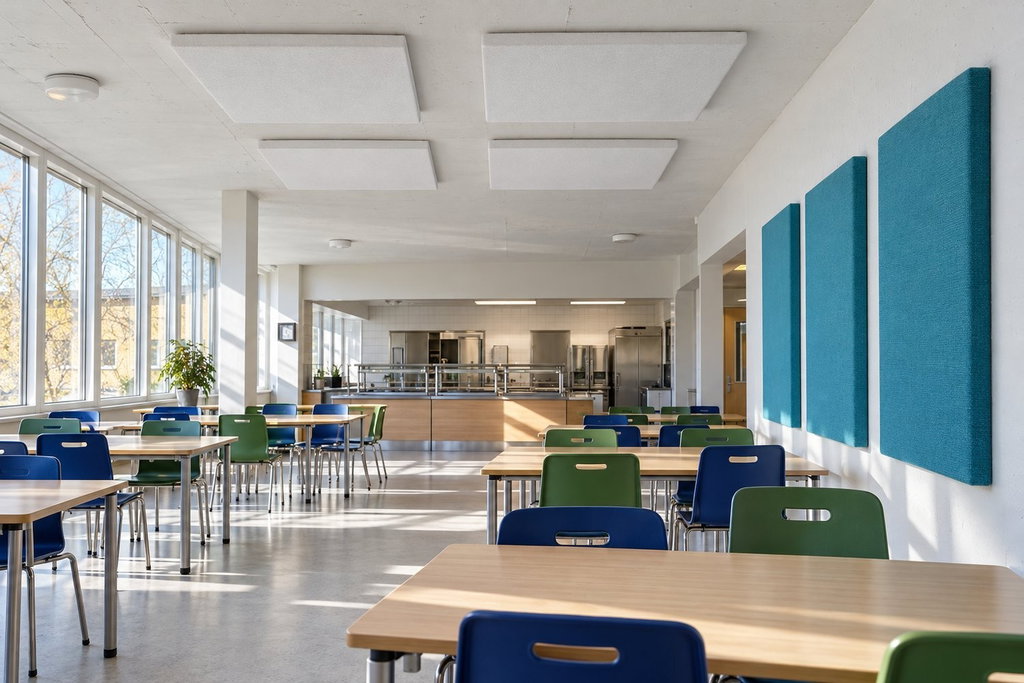
Sound absorption – reduces echoes and reverberation in school rooms
A balanced and pleasant acoustic environment for both work and everyday life
In rooms with hard surfaces and limited soft materials, echoes and prolonged reverberation often occur. Sound bounces between walls, ceilings, and floors, causing conversations to blend together and the noise level to feel higher than it actually is. This affects comfort, concentration, and communication. Sound absorption is the most effective measure for reducing echoes in a room and creating a more controlled and comfortable acoustic environment, whether in work environments or private spaces.
What is sound absorption?
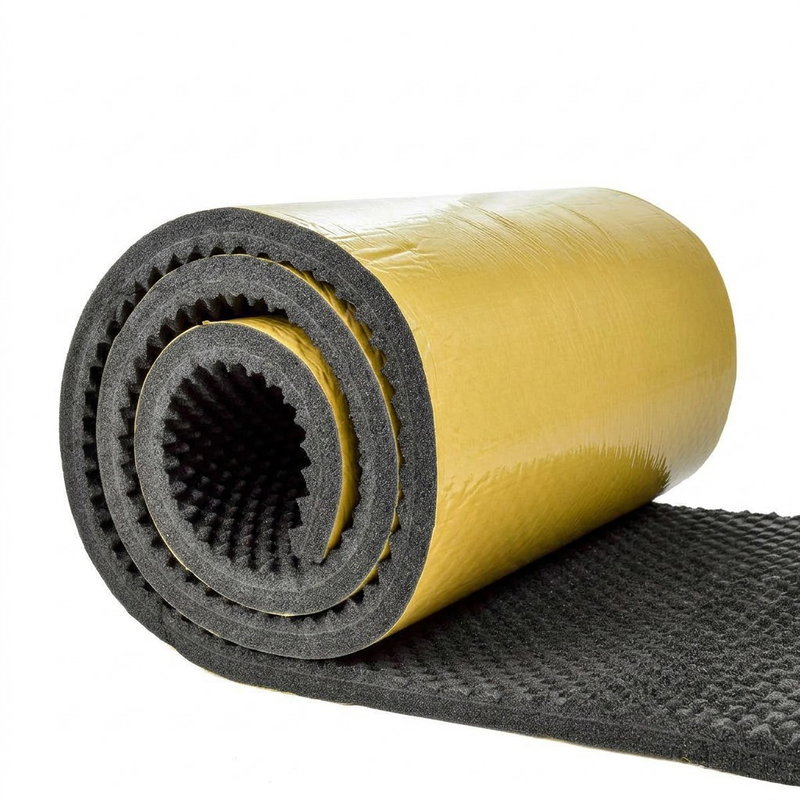
Sound absorption involves sound waves being captured by porous materials and converted into thermal energy, which reduces reflections in the room. It differs significantly from sound insulation, which blocks sound between different rooms, as well as vibration damping, which reduces vibrations and structure-borne noise transmitted through the building’s structure. Sound absorption is therefore used to improve the acoustics in the space where the sound already exists.
Common problems with echo and reverberation
Echoes and long reverberation often occur in open-plan layouts, meeting rooms, dining halls, sports arenas, and other large spaces. Conversations become difficult to follow, background noise is amplified, and the sound environment feels chaotic. In environments where many people are present at the same time, this can quickly lead to stress and impaired functionality in the room.
How sound-absorbing solutions work
Sound-absorbing products are placed on surfaces where sound reflections are strongest. When sound waves hit the absorbent material, they are slowed down, which shortens the reverberation time and creates a clearer and more pleasant soundscape.
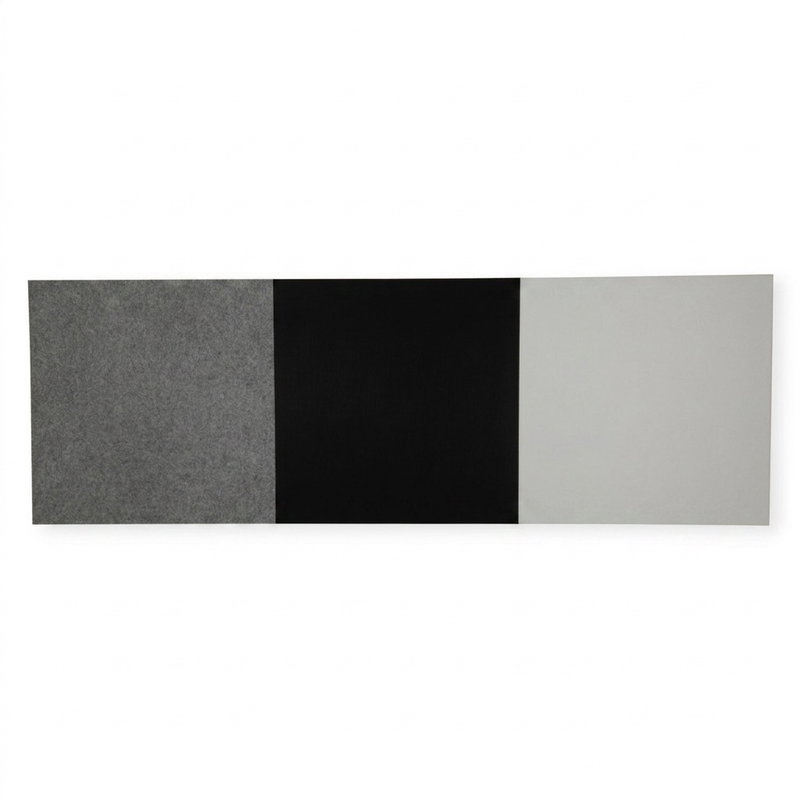
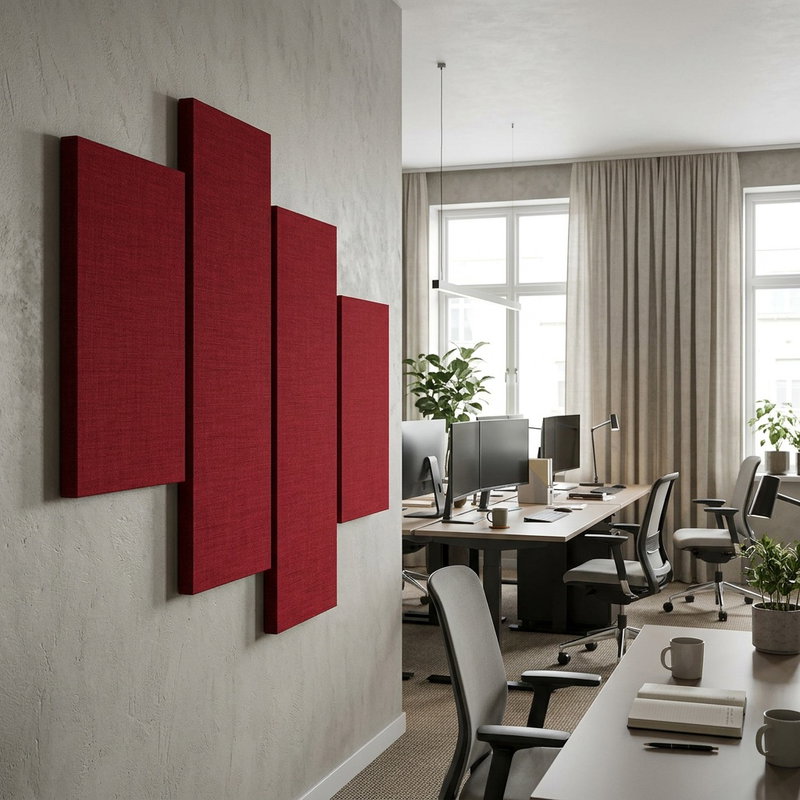
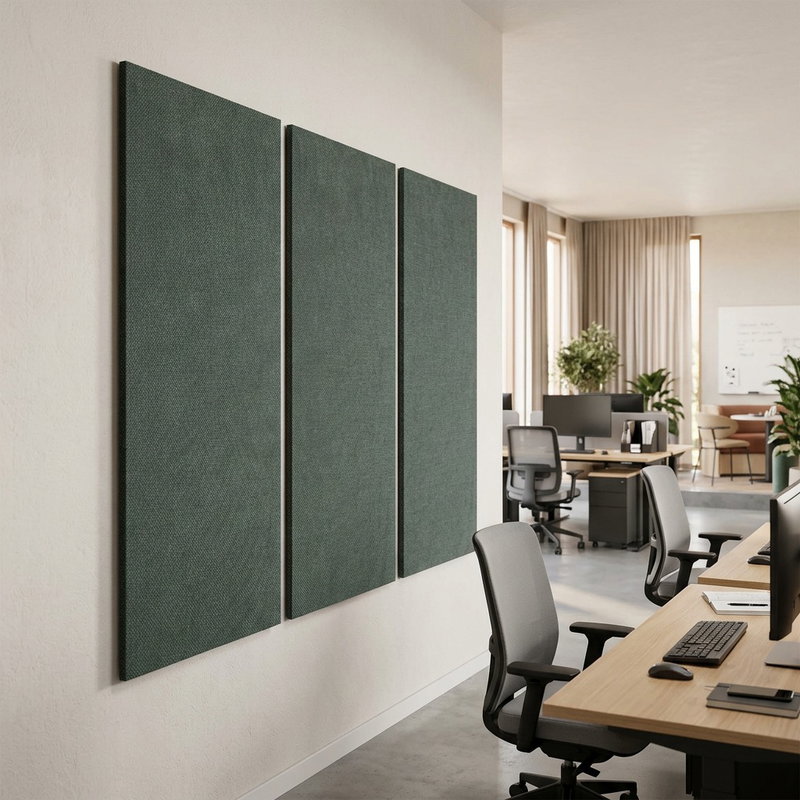
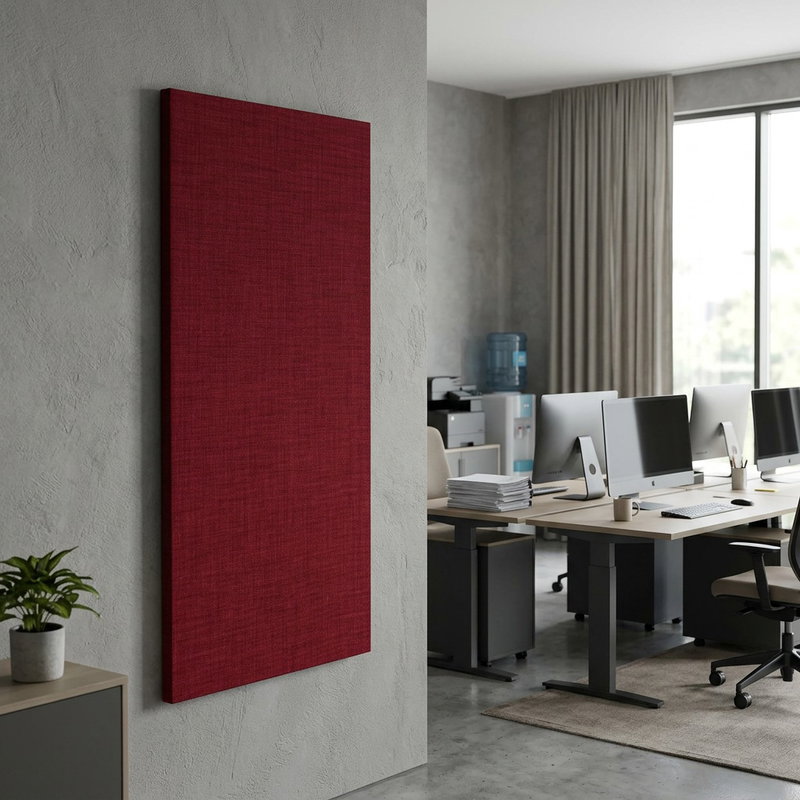
Sound absorption on walls
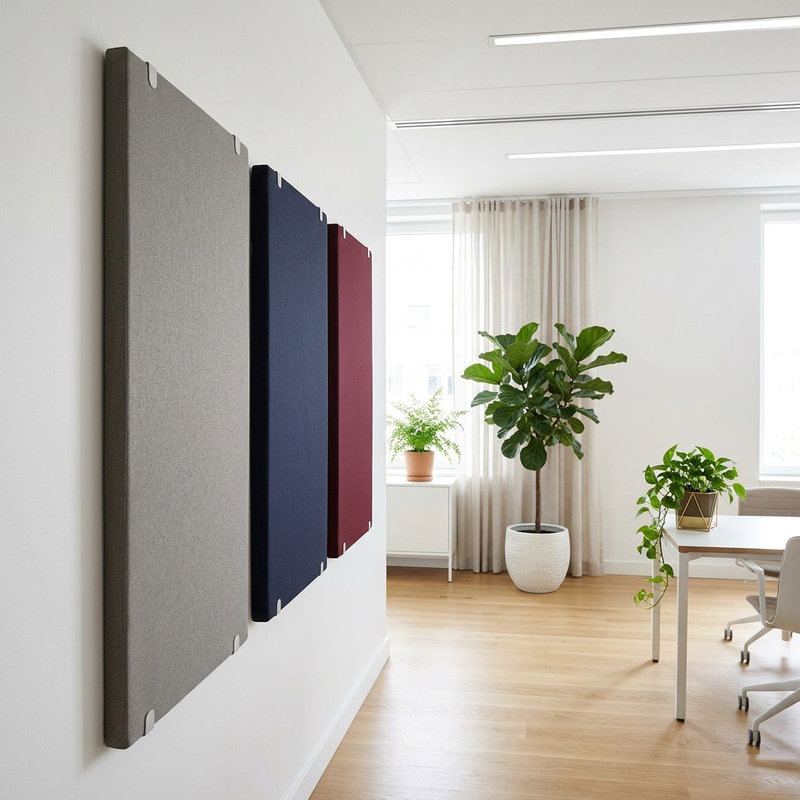
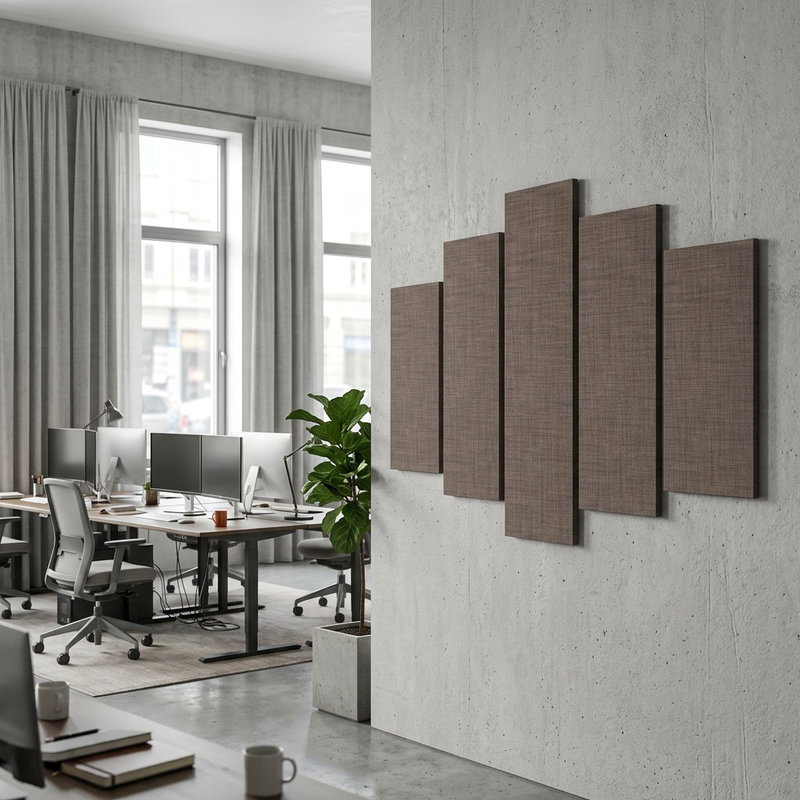
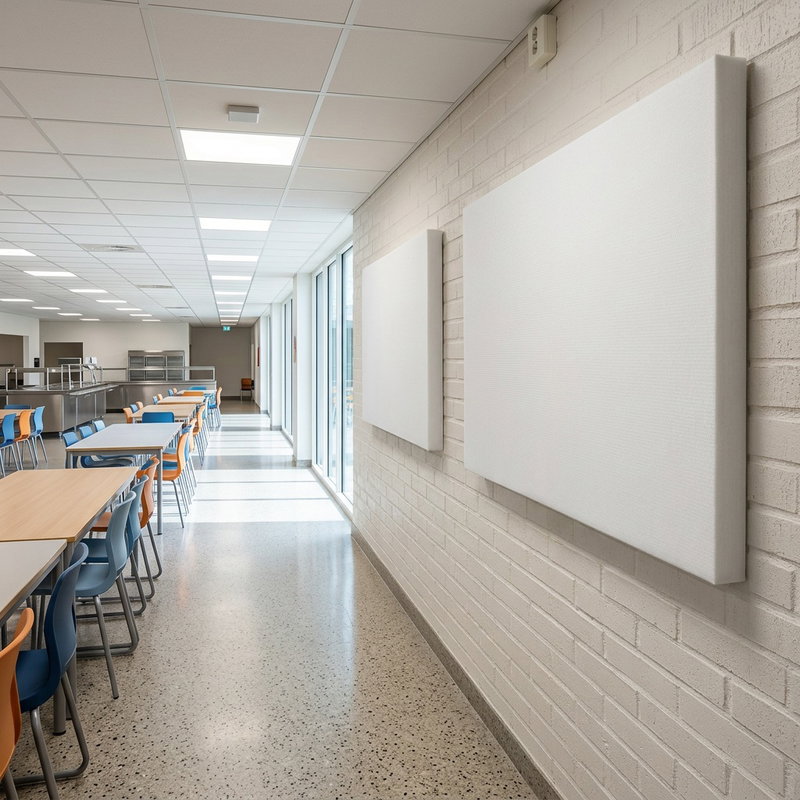
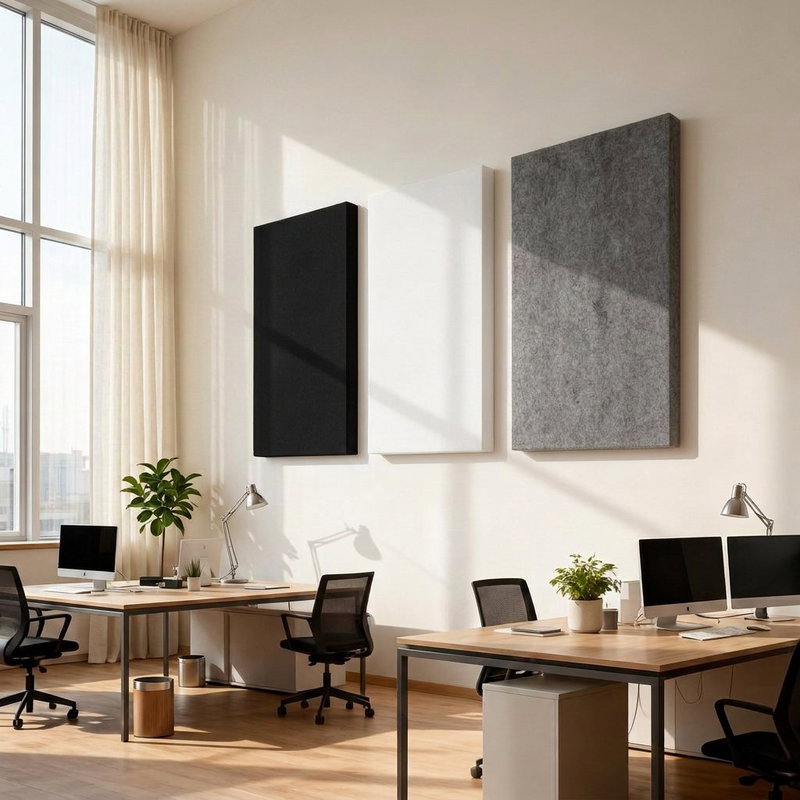
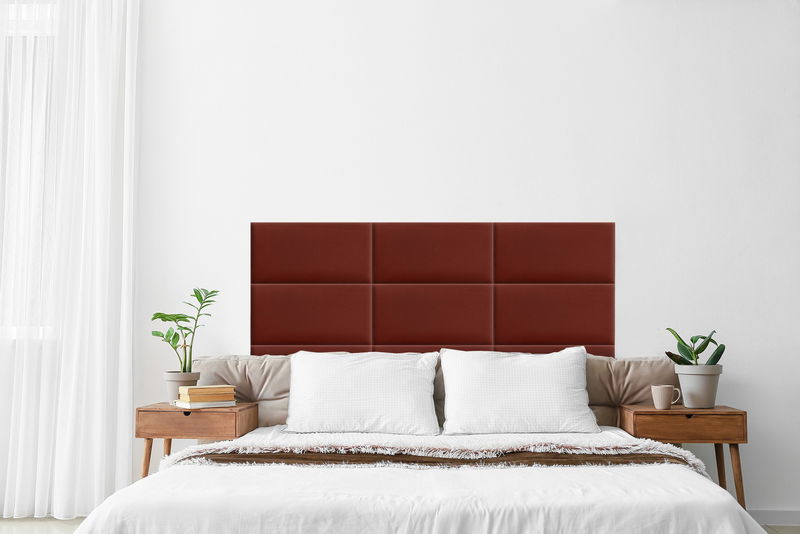
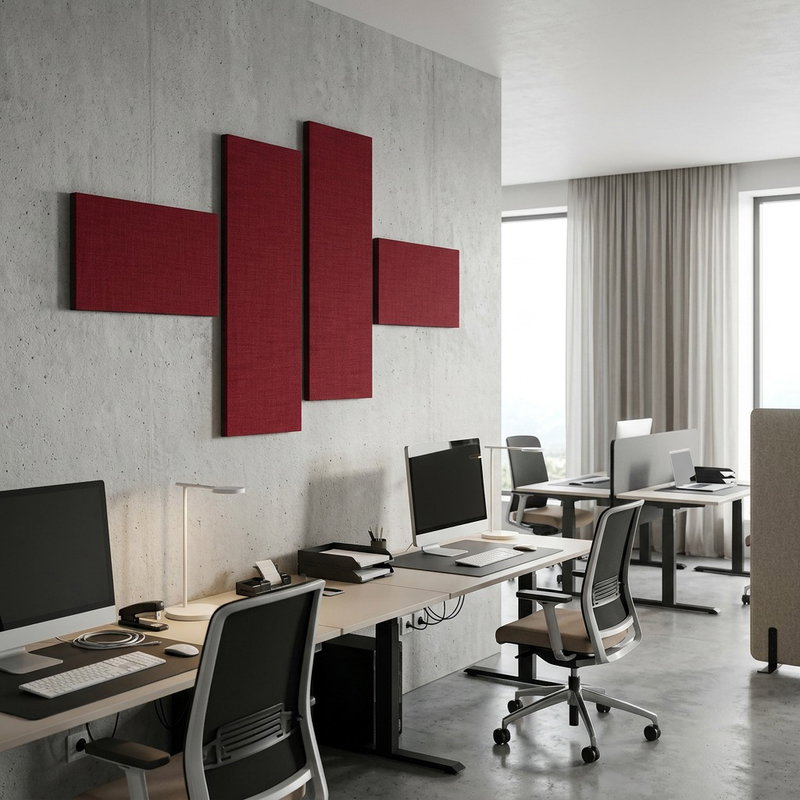
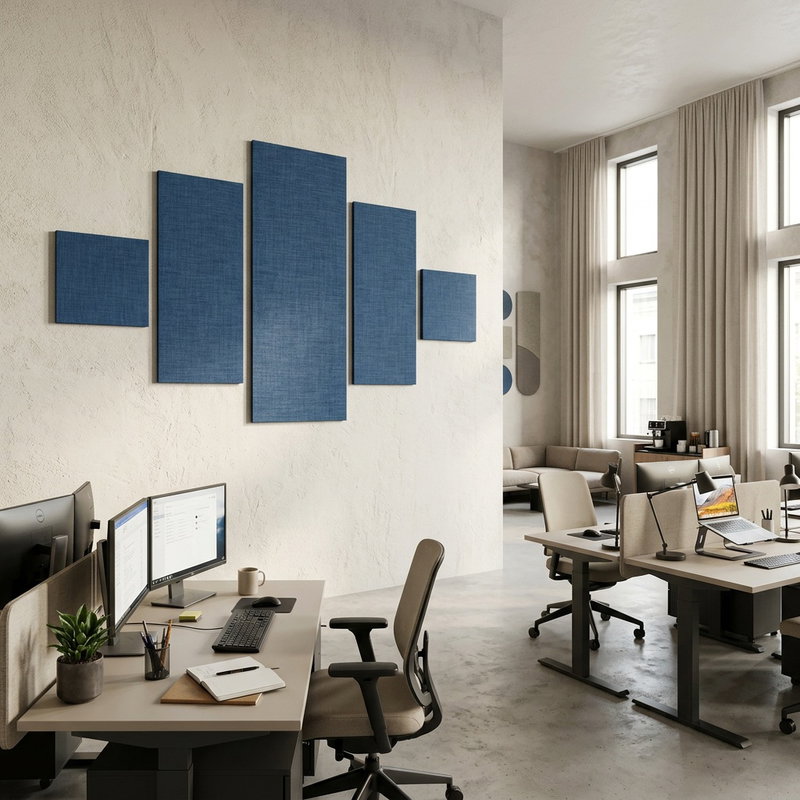
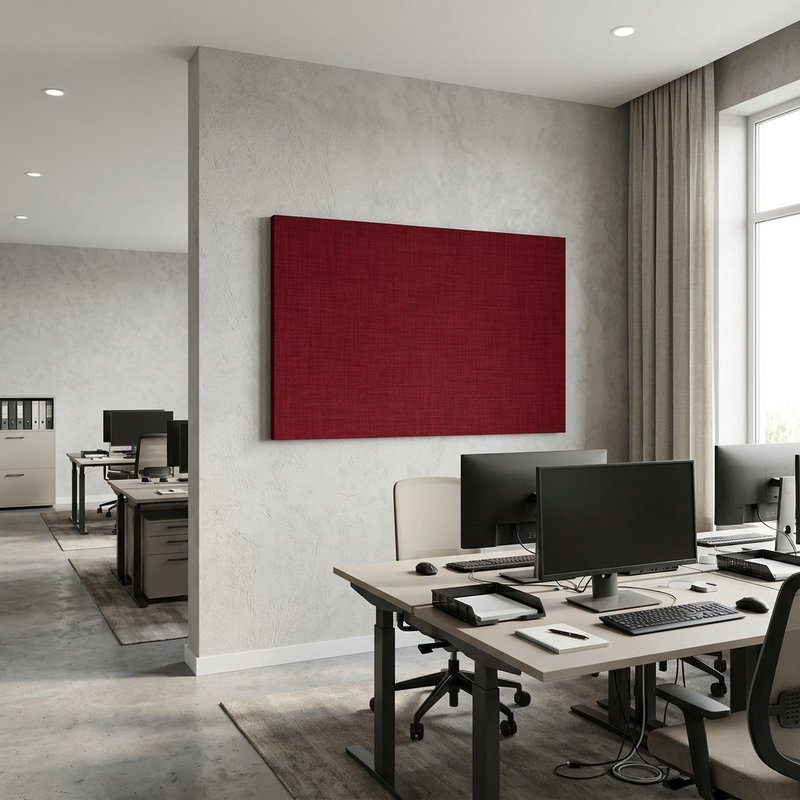
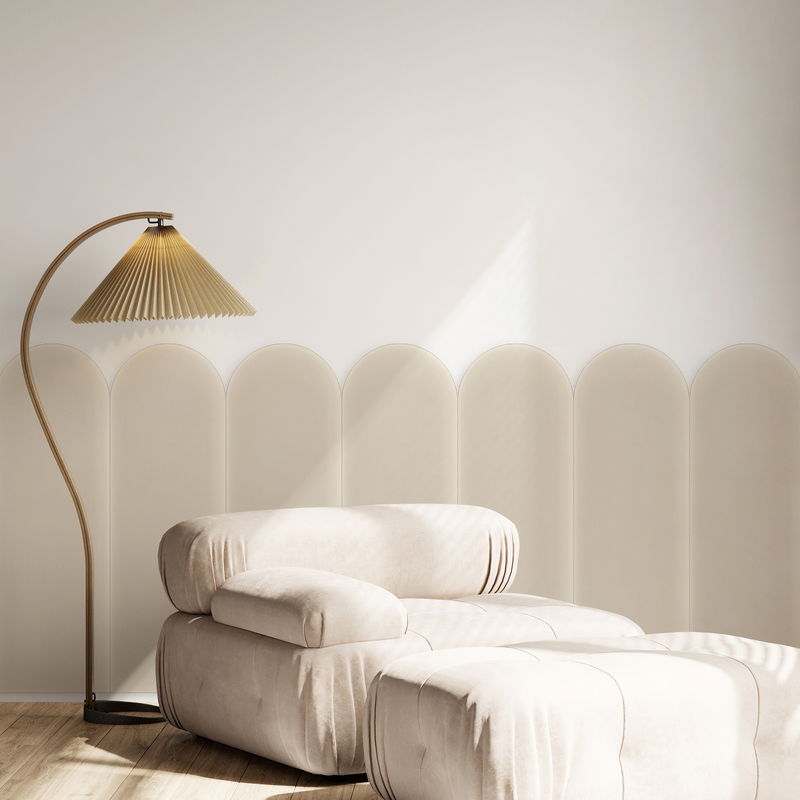
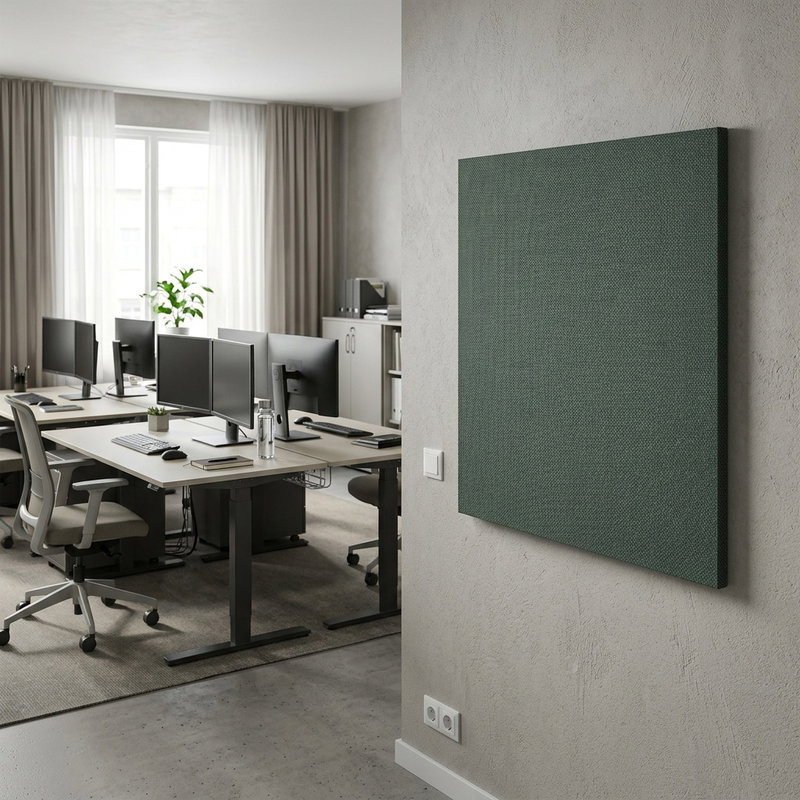
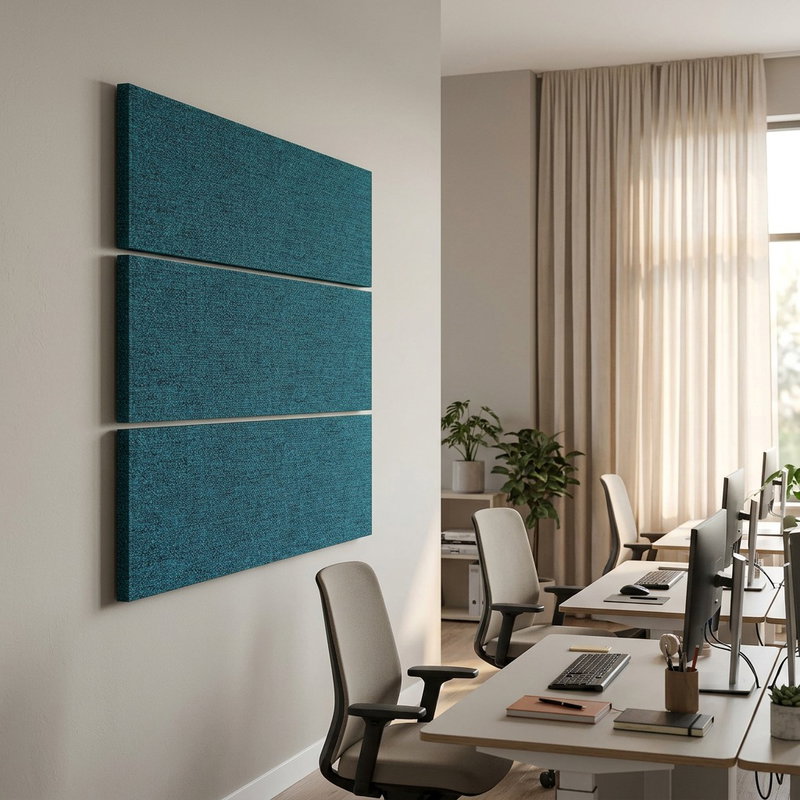
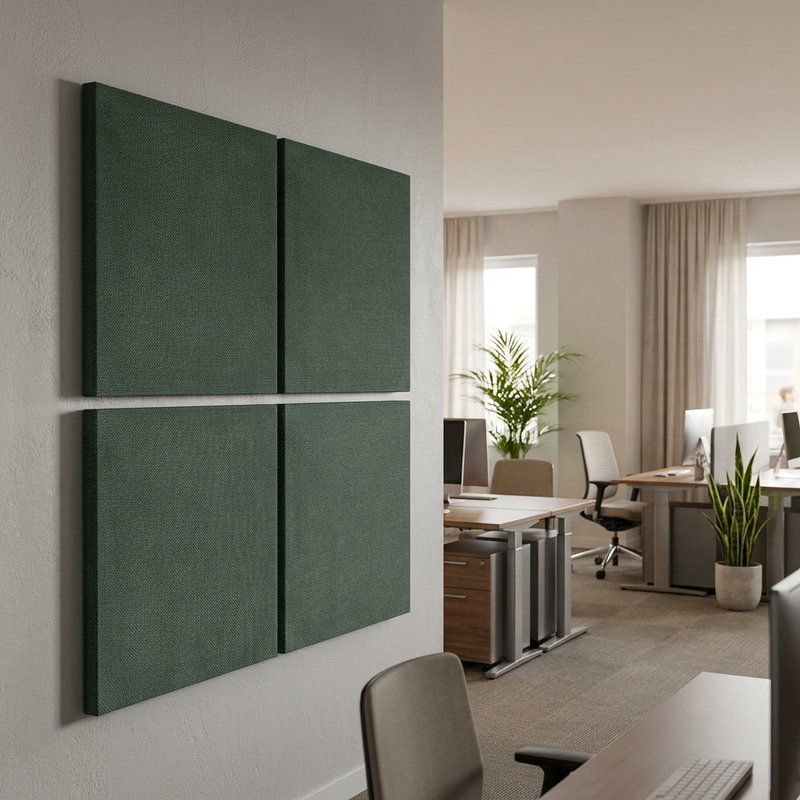
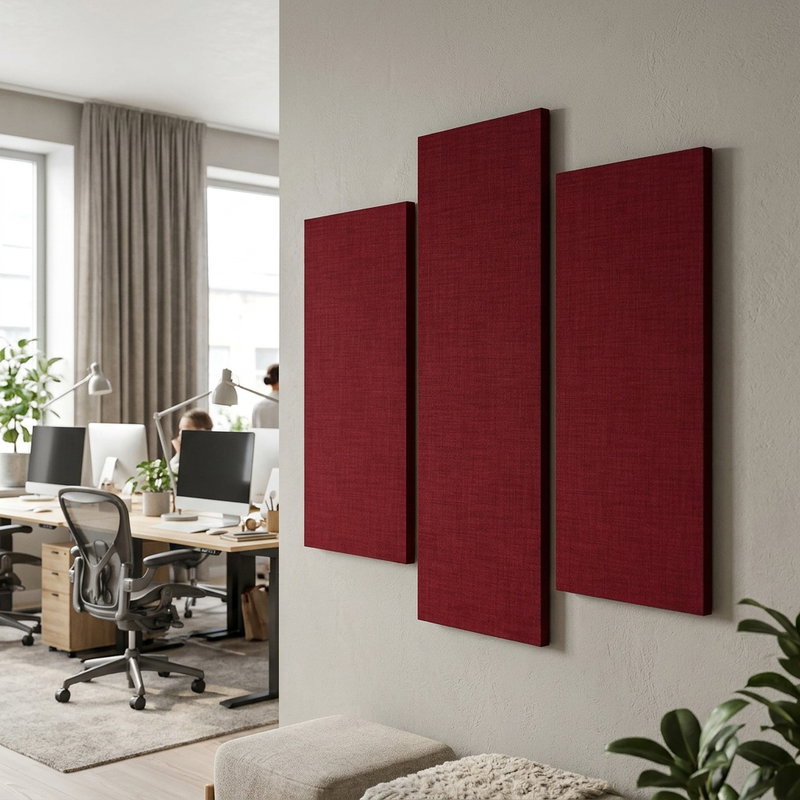
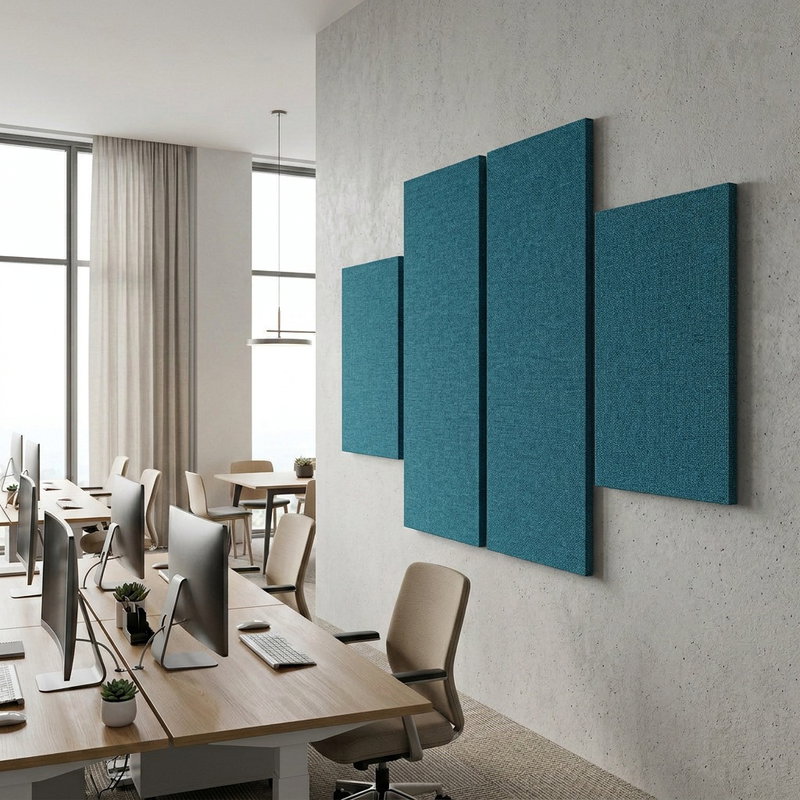
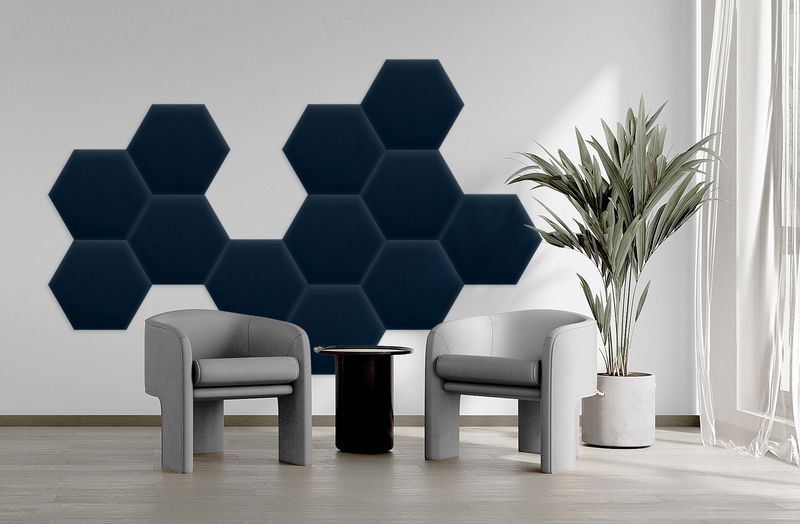
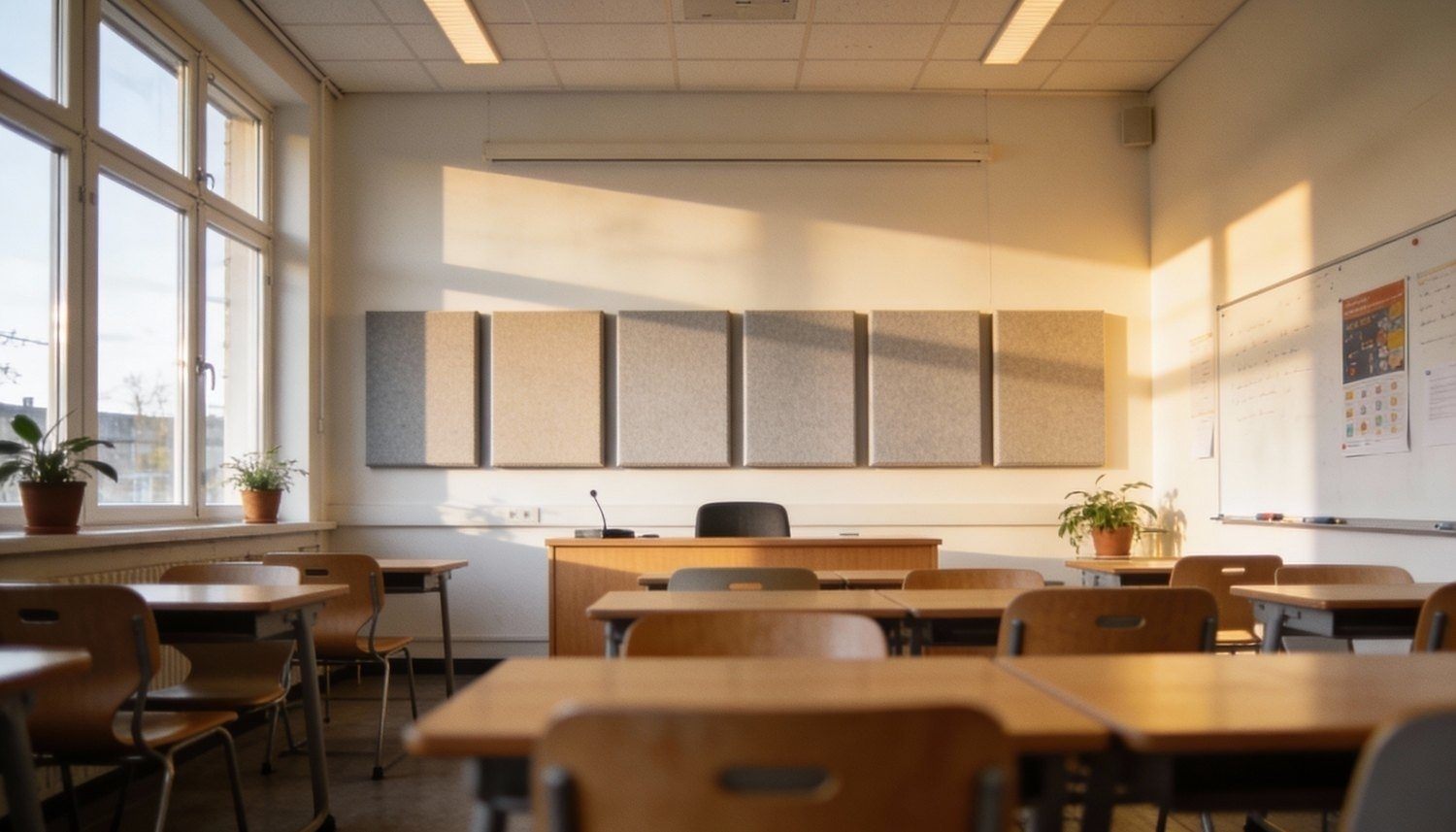
Wall absorbers reduce reflections at ear level and improve speech intelligibility in rooms where conversation is key.
Sound absorption on ceilings
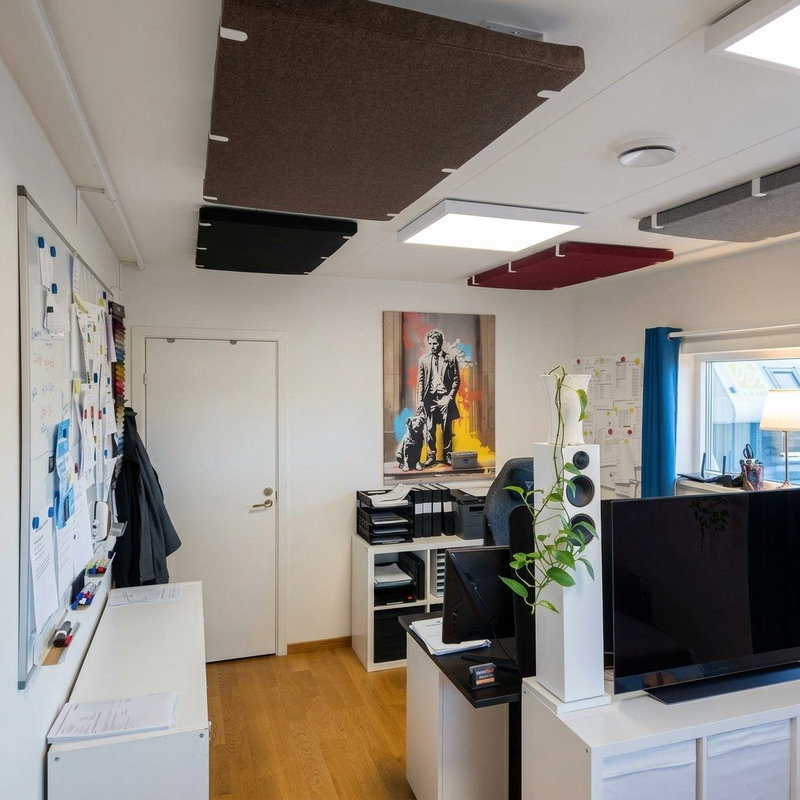
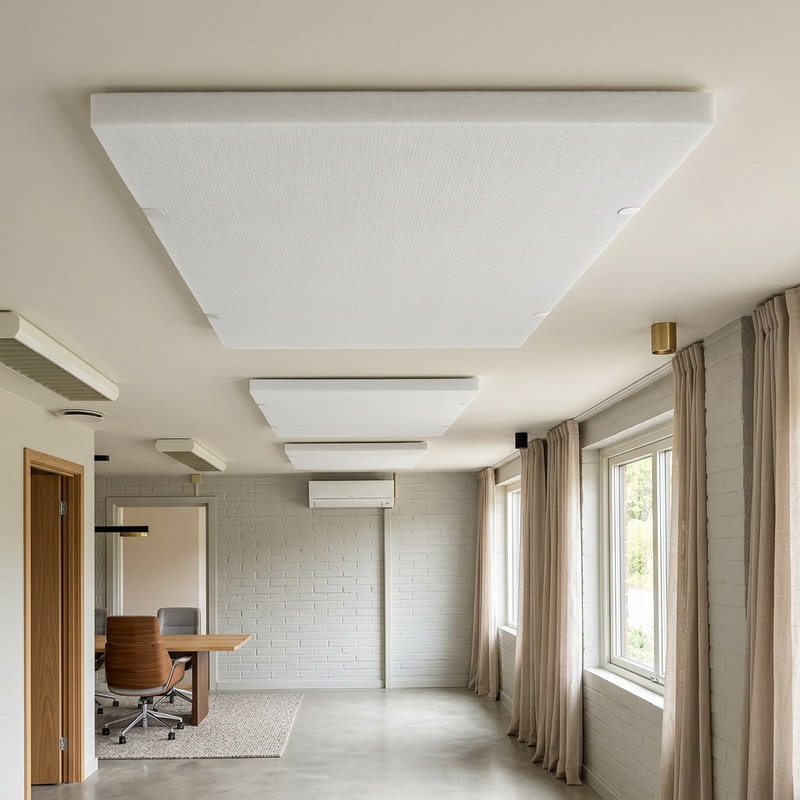
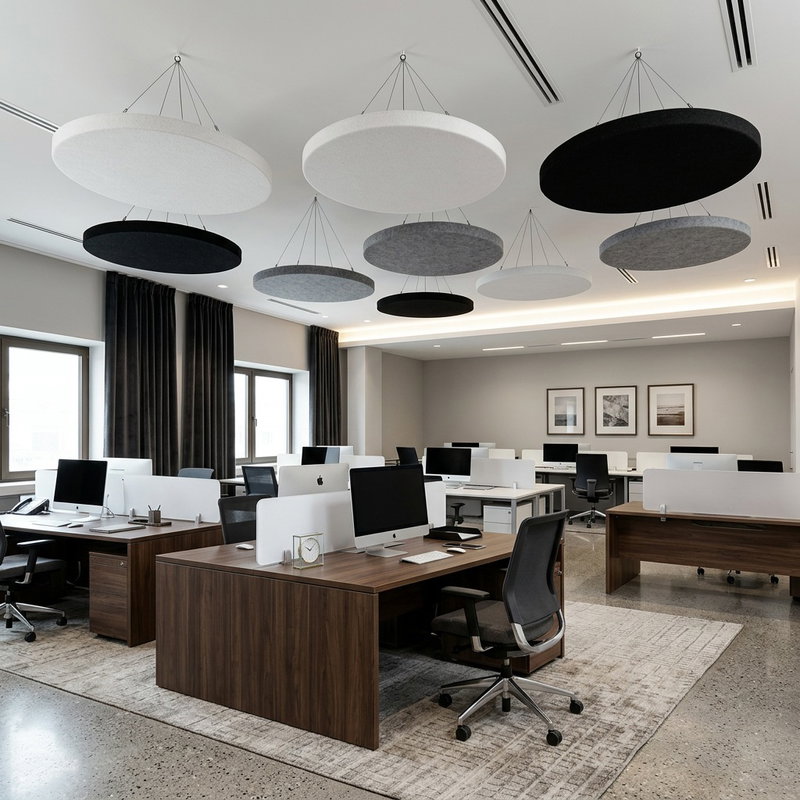
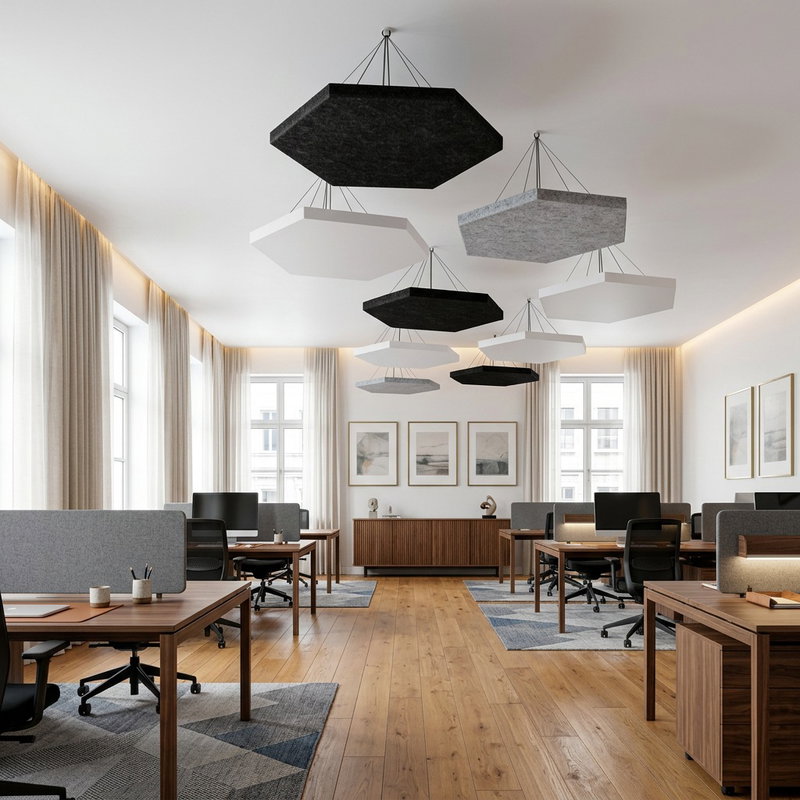
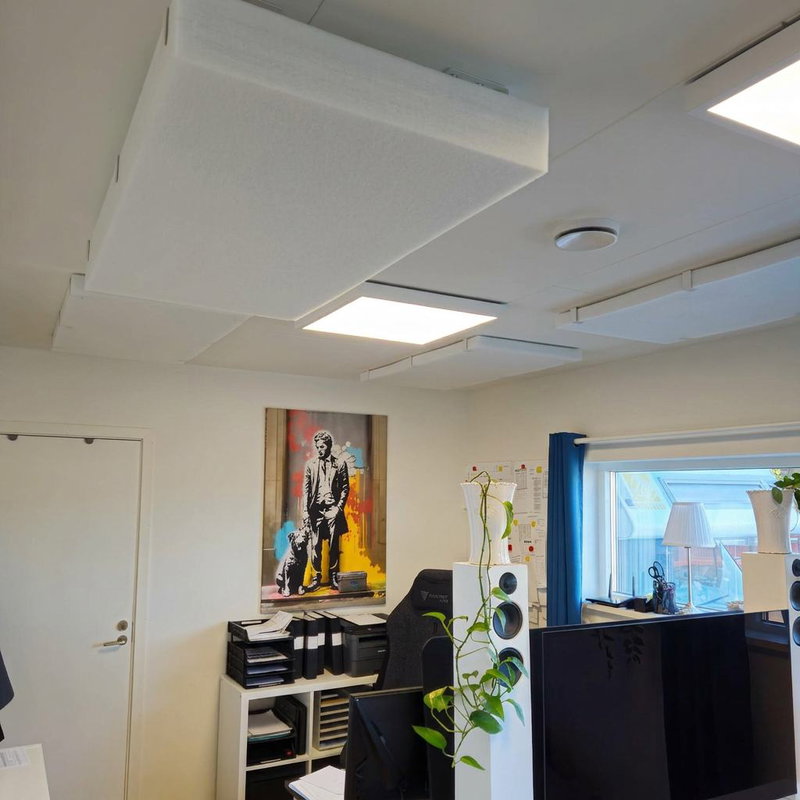
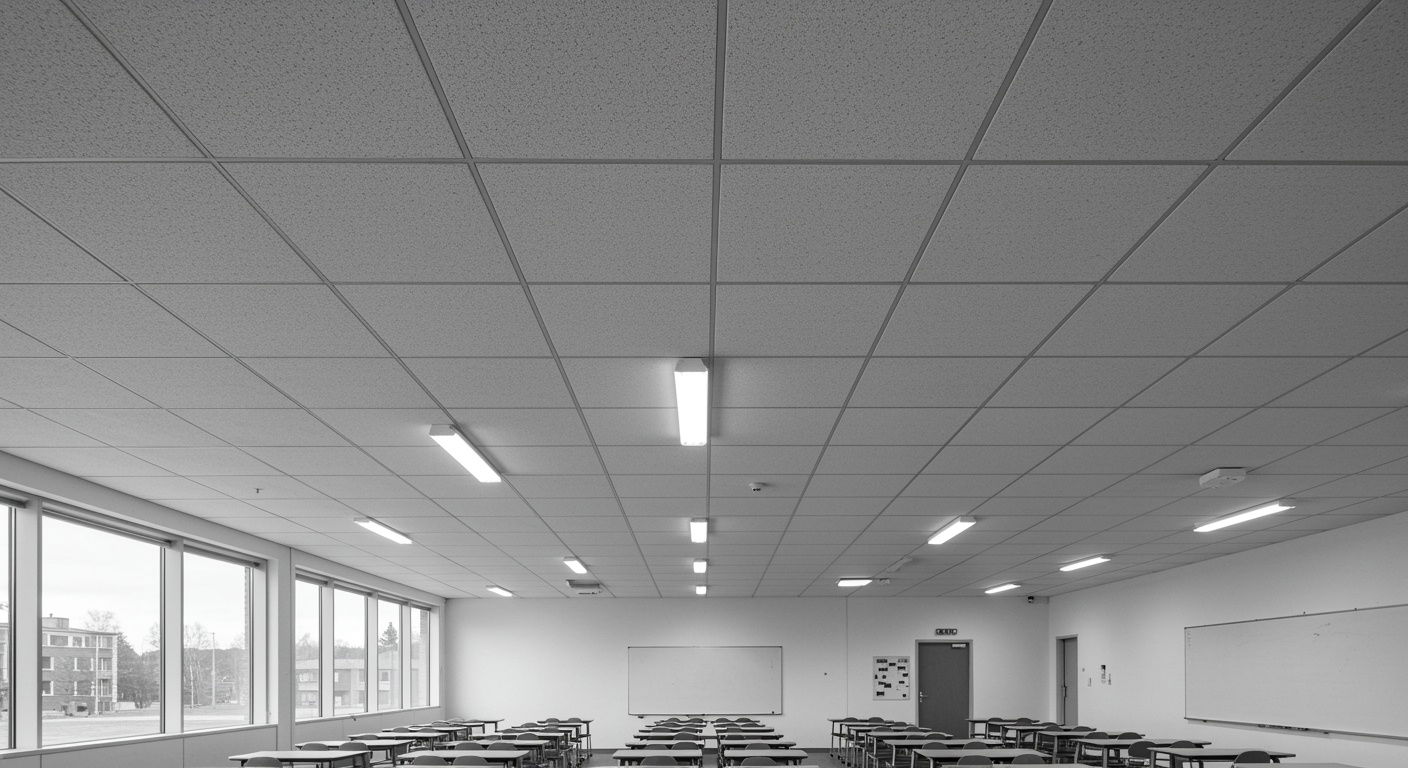
Ceiling absorbers are often the most effective basic measure in larger rooms and spaces with high ceilings.
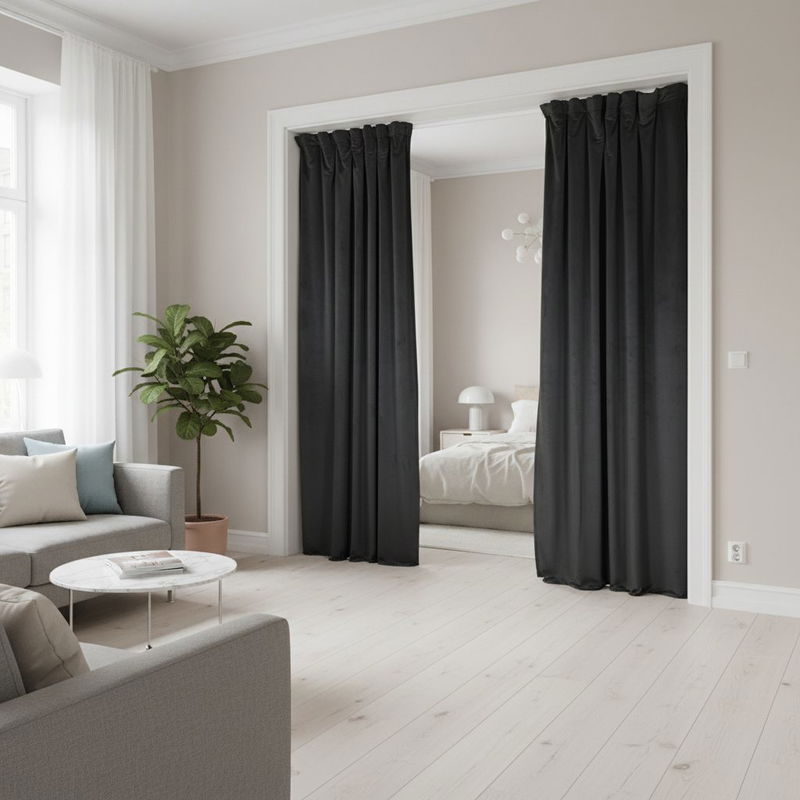
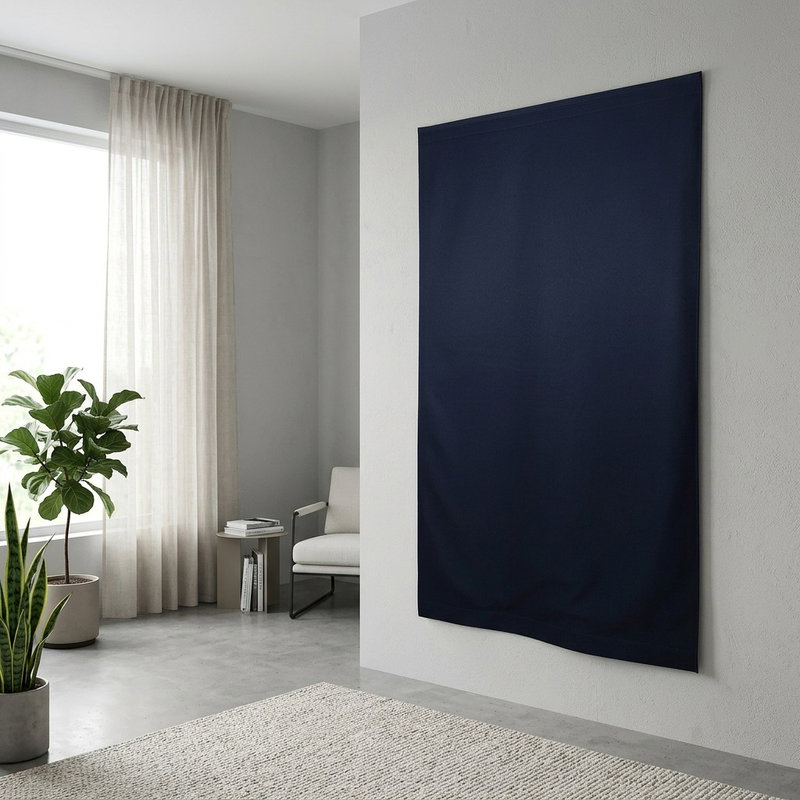
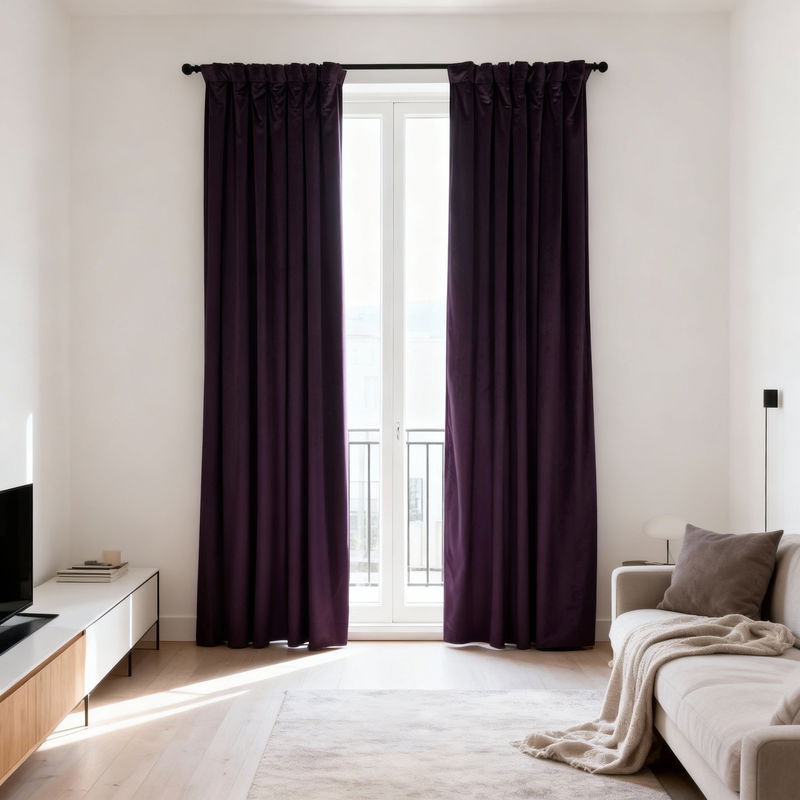
Sound-absorbing curtains
Curtains dampen reflections from glass surfaces and serve as a flexible and aesthetic complement.
Sound-absorbing room dividers and table screens
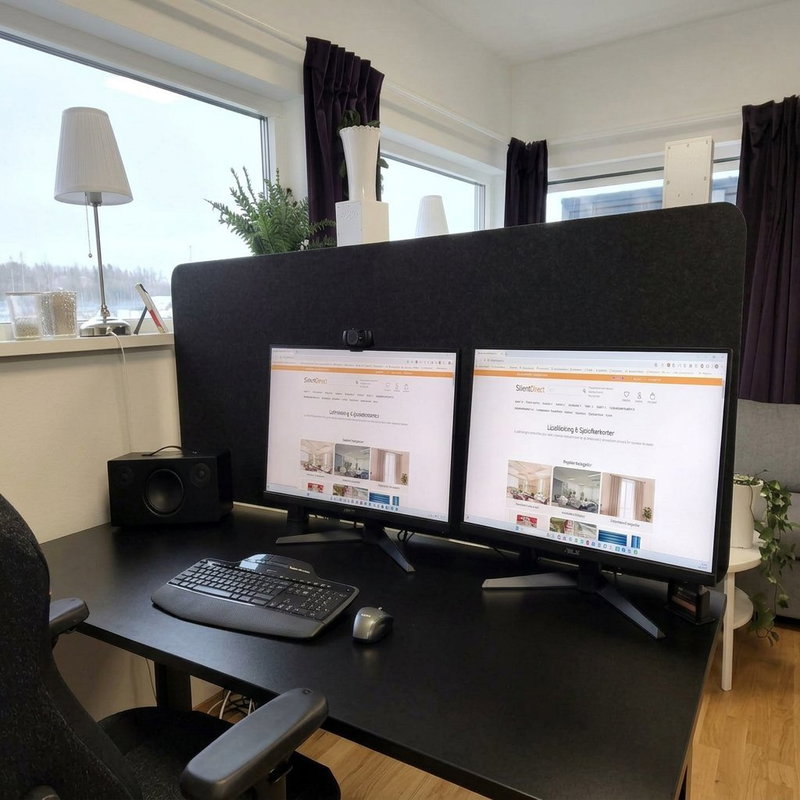
Room dividers and table screens provide both privacy and effective sound absorption in open environments.
Why choose sound absorption?
Sound absorption provides an immediate improvement in the acoustic environment without requiring structural modifications to the building. The solution is flexible, scalable, and easy to adapt to the room’s size and use. The results are noticeable in the form of improved speech intelligibility, a lower perceived noise level, and increased comfort. For more complex acoustic problems, sound absorption can be effectively combined with sound insulation or vibration damping.
Well-thought-out advice for best results
For the best effect, sound absorption should be distributed across multiple surfaces in the room. A common mistake is using too few absorbers or placing them incorrectly. Smaller rooms can be improved with strategic measures, while larger spaces often require a combination of ceiling, wall, and freestanding solutions. Evenly distributed sound absorption provides a long-term, functional, and pleasant sound environment.
Sound absorption is therefore a fundamental measure for reducing echoes in a room and creating better acoustics in both professional and private settings.