





Comprehensive acoustic solutions for professional environments
In modern environments where people work, meet, or spend extended periods of time, high demands are placed on the acoustic environment. Custom acoustic solutions are used when standard options aren’t enough and when multiple acoustic challenges need to be addressed simultaneously. It’s about analyzing the room’s conditions and creating a solution where sound absorption, function, and aesthetics work together to provide a clear and pleasant sound experience.
Design based on the room’s conditions
Every room has unique characteristics that affect how sound is perceived. Ceiling height, choice of materials, furnishings, and floor plan determine how sound is reflected and dispersed. Custom acoustic solutions take these factors into account and are designed to meet specific needs, whether the goal is to improve speech intelligibility, reduce distracting background noise, or create distinct zones within an open space.
Improved functionality and work environment
A well-planned acoustic solution not only contributes to lower noise levels but also to better concentration, increased comfort, and a more efficient use of the space. In offices, this may involve reducing disturbances between workstations, while in restaurants and hotel environments, it involves creating a balanced sound level that makes conversations pleasant without the room feeling quiet or muffled.
Combination of materials and solutions
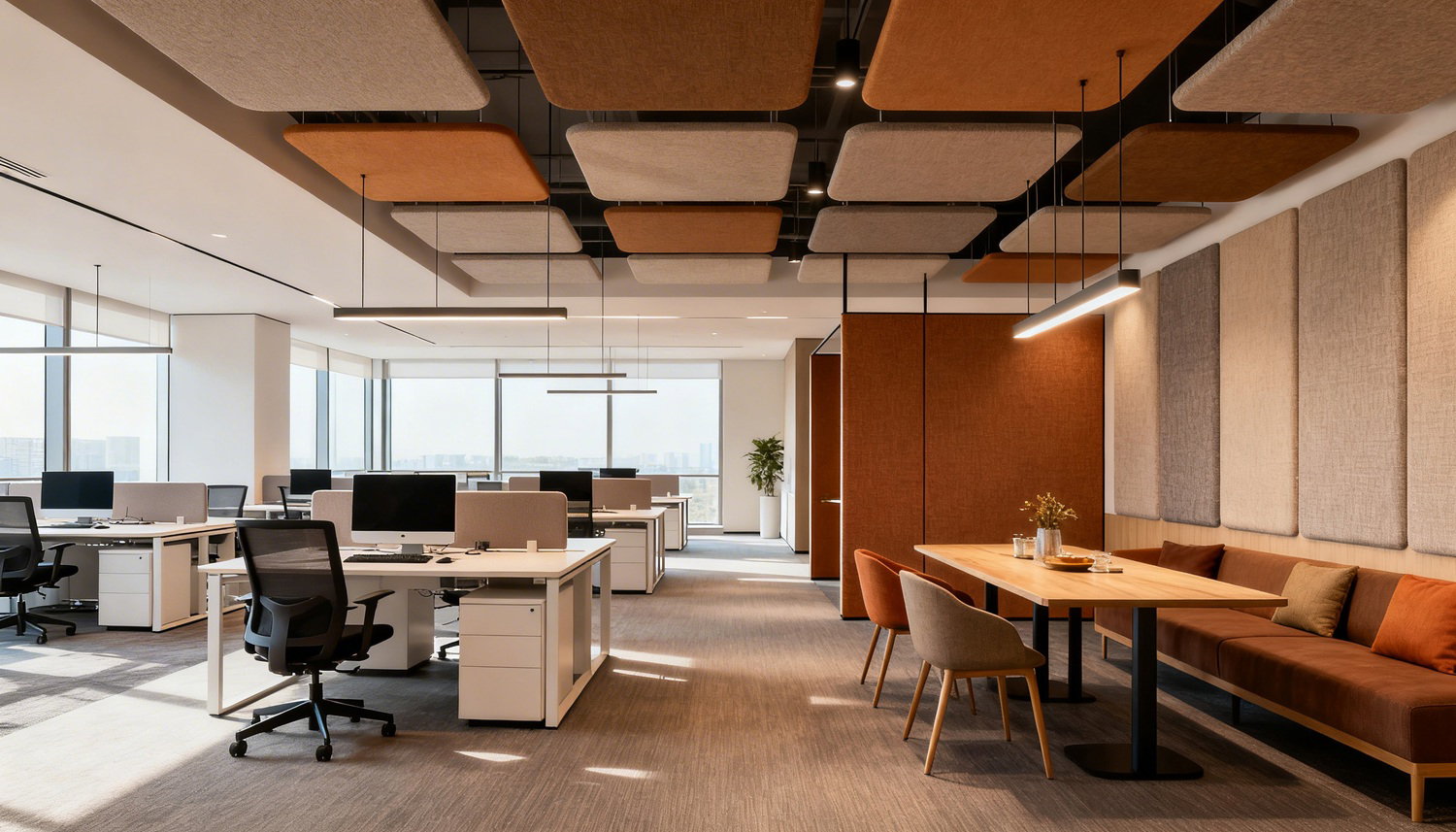
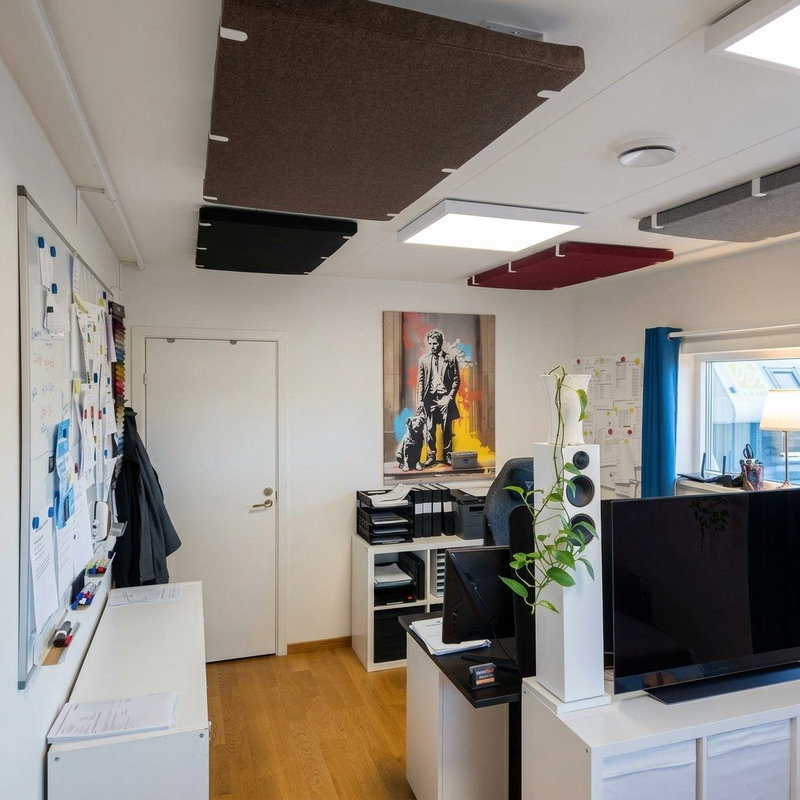
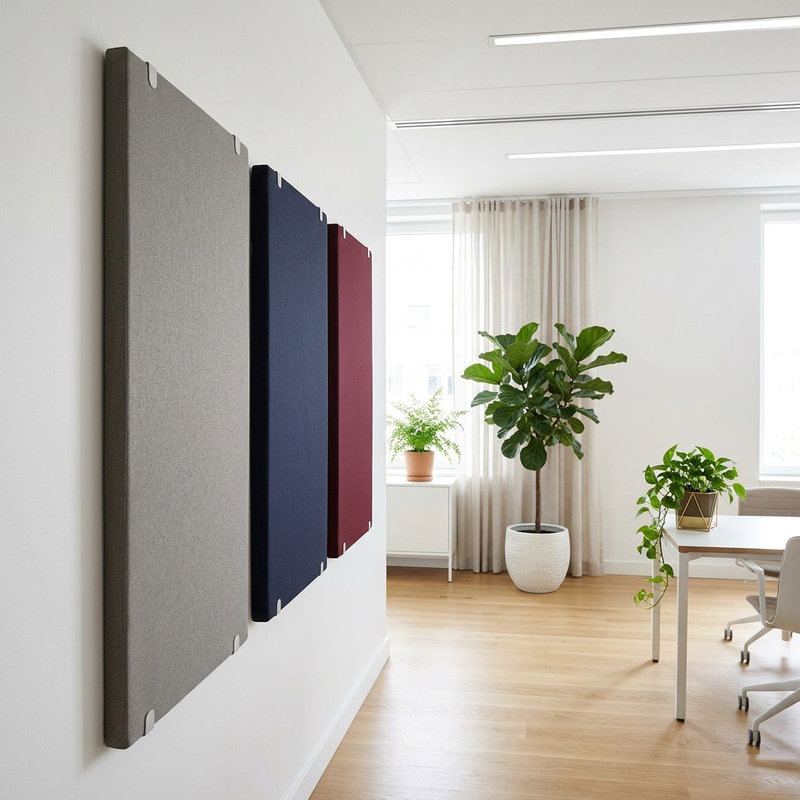
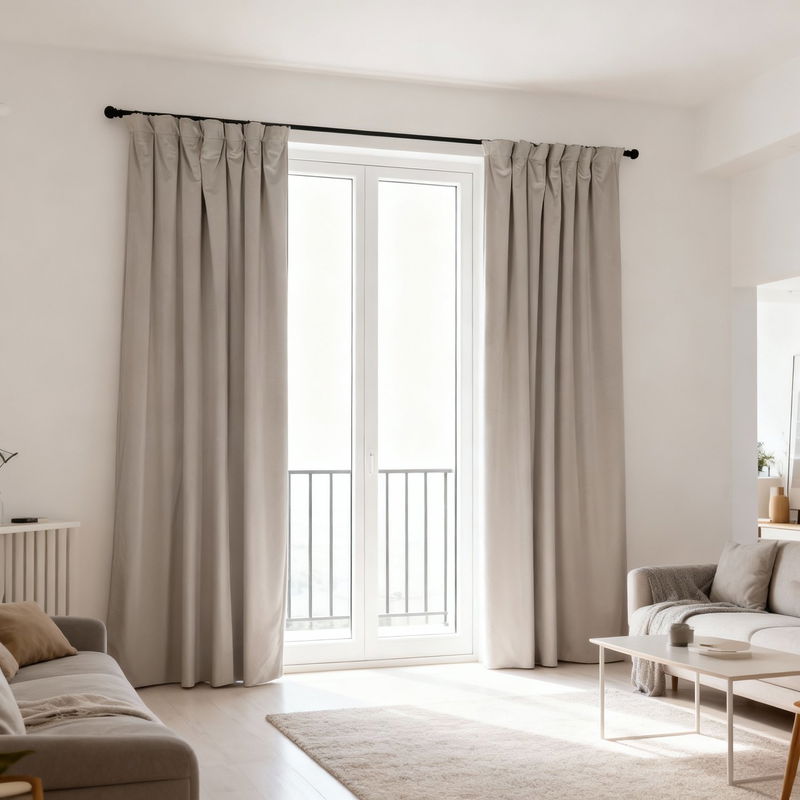
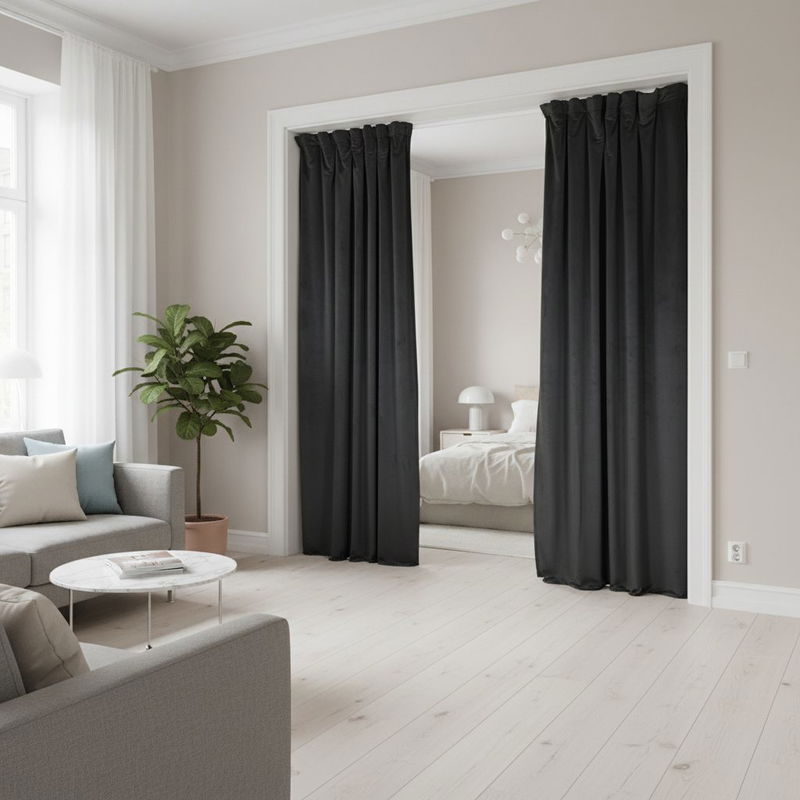
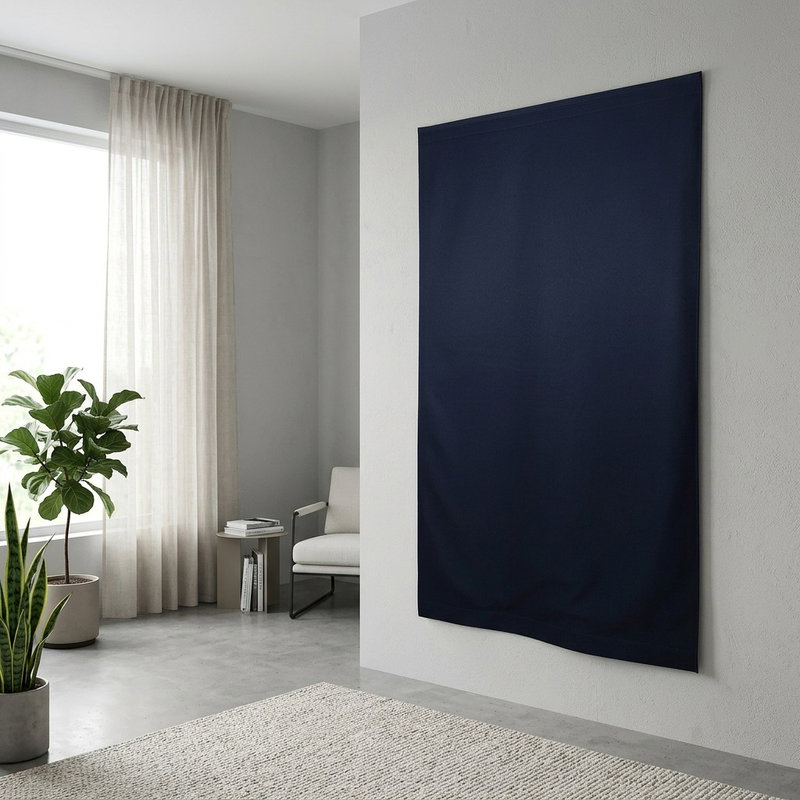
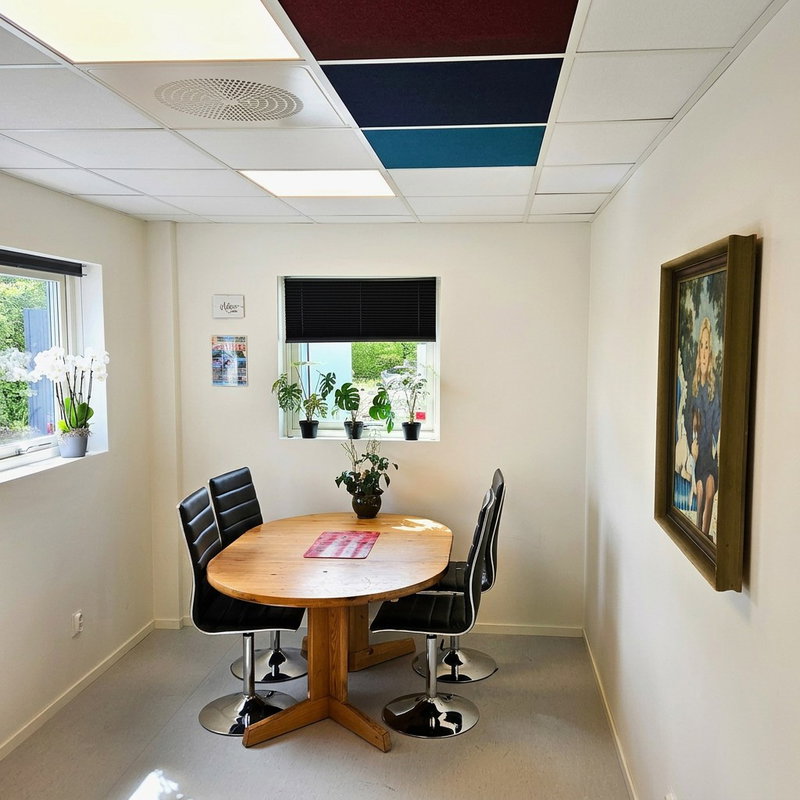
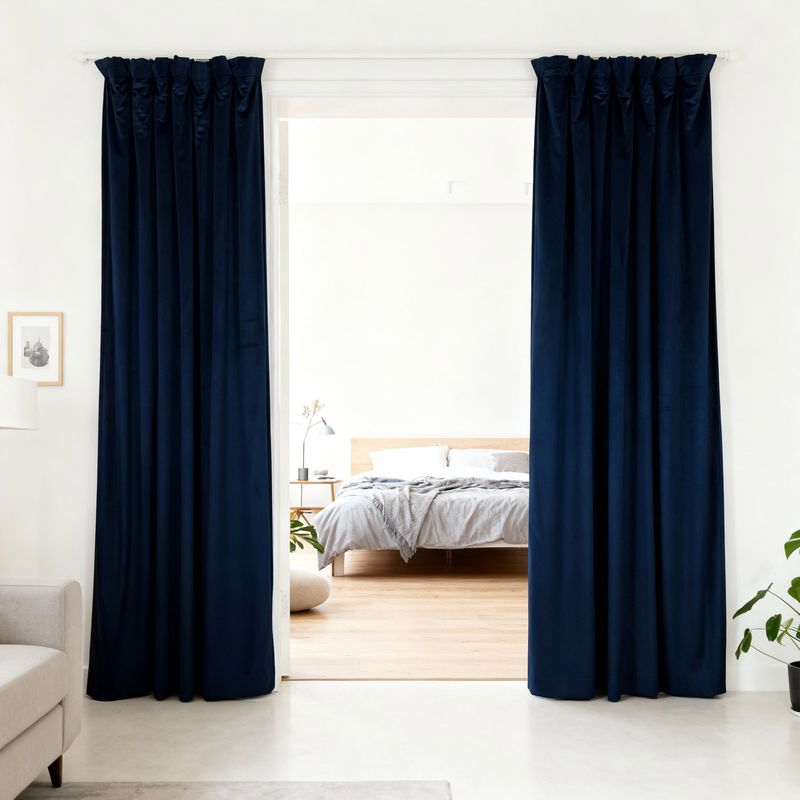
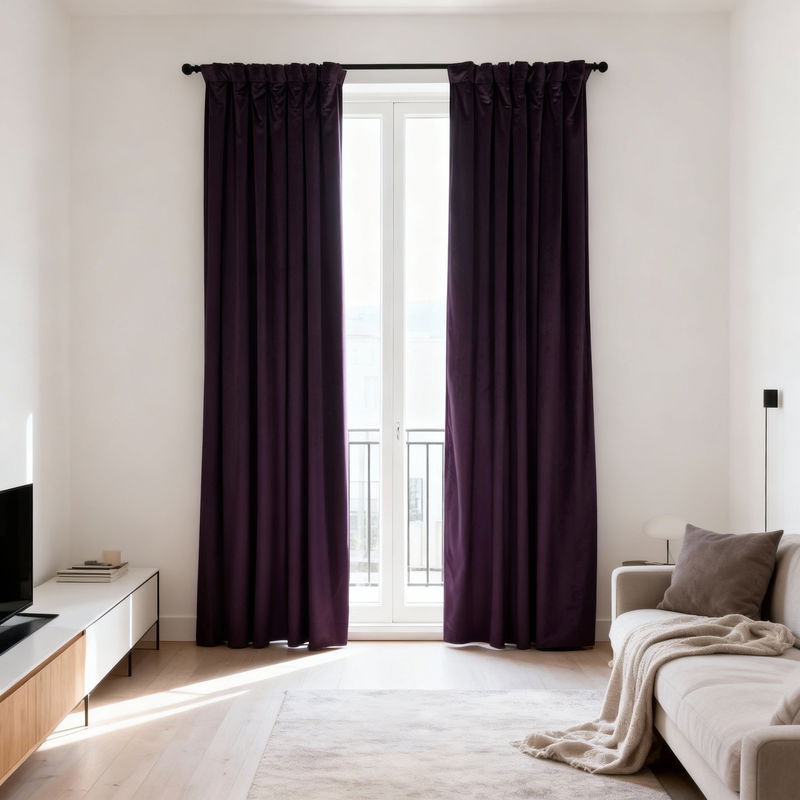
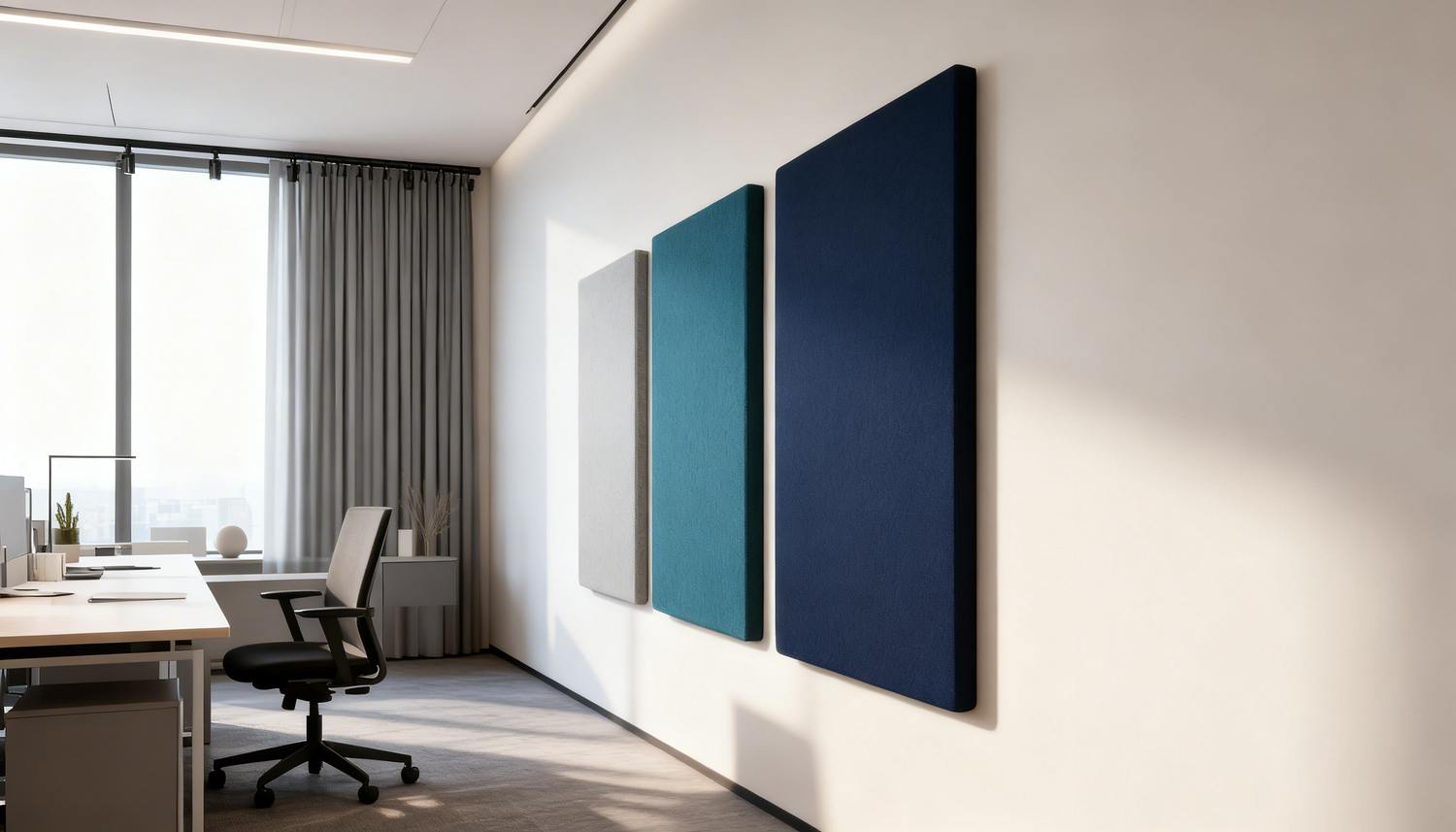
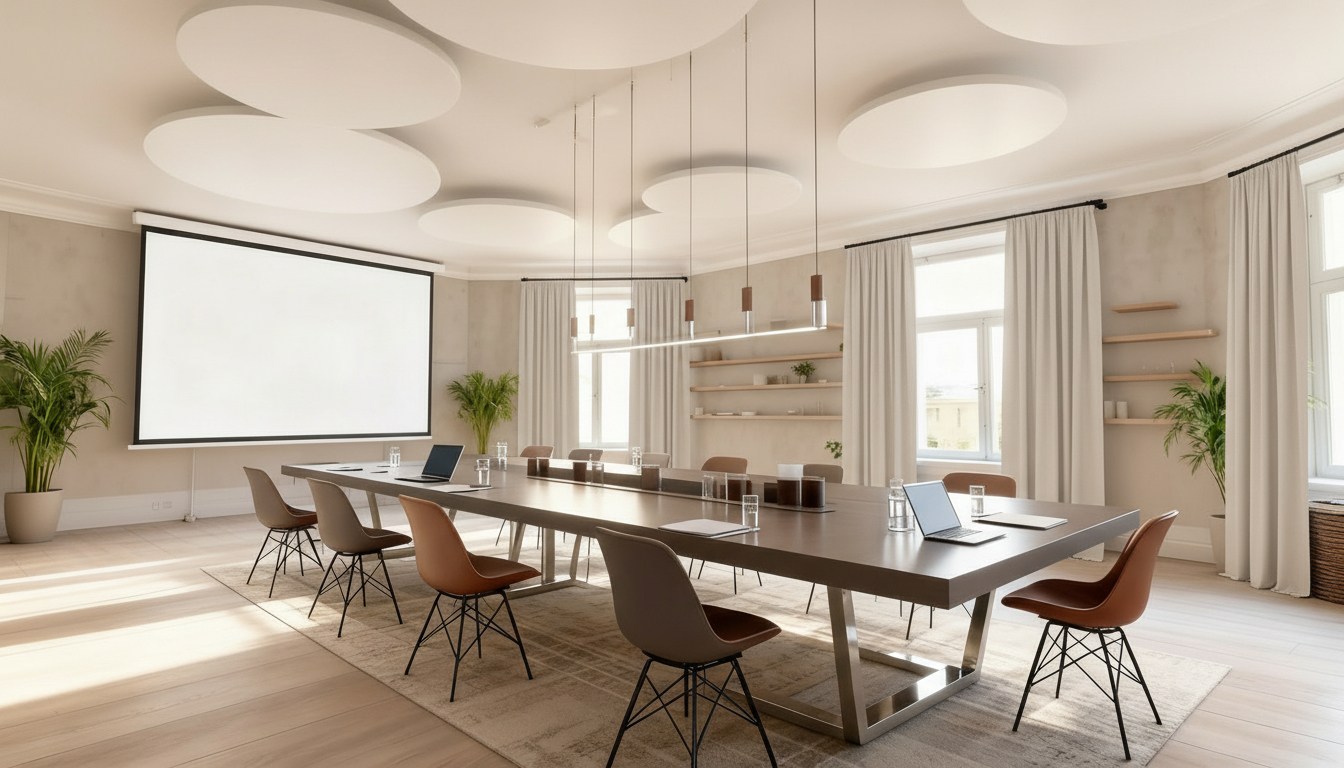
To achieve the best results, multiple types of sound-absorbing materials are often used in combination. Wall and ceiling solutions reduce reverberation, while textile elements such as curtains and room dividers help break up sound propagation and create defined zones. By working with multiple surfaces and directions, sound levels can be controlled more effectively than with isolated measures.
Balancing aesthetics and function
Acoustic solutions are an integral part of the interior design and should harmonize with the room’s aesthetic. Customized options allow for the adaptation of color, shape, and material so that sound absorption becomes a natural part of the architecture. This is particularly important in environments where design and brand identity play a central role, such as hotels, restaurants, and corporate offices.
Long-term and flexible investment
By choosing a project-specific solution, you create an acoustic environment that stands the test of time and can be adapted to changing needs. This flexibility allows you to adjust or expand the solution as your business evolves. The result is stable, well-thought-out acoustics that enhance both the experience and functionality of the space without compromising on design or intended use.