




• Free shipping
  • 5-year warranty
  • Fast delivery

Vibration Damping, Impact Noise & Structure-Borne Noise

Vibrations, footfall noise, and structure-borne noise are common noise problems in homes, offices, schools, restaurants, studios, and industrial environments. They occur when energy from movement, impact, or machinery enters a structure and spreads through solid materials. This can include footsteps from the floor above, a washing machine causing the floor to resonate, a treadmill sending vibrations down into the floor joists, pumps humming in the walls, or machinery causing sound to travel through the building’s structure. This type of sound is often perceived as more disruptive than typical room acoustics, since it cannot always be dampened simply by installing sound absorbers on walls or ceilings.

To choose the right solution, you first need to understand the difference between airborne sound, impact sound, and structure-borne sound. Airborne sound includes, for example, speech, music, or traffic noise that travels through the air. Impact sound occurs when impacts or movements strike a floor and are converted into vibrations in the structure. Structure-borne sound is the continued propagation of vibrations through the building’s structure—for example, through floor joists, studs, walls, pipes, machine foundations, or fasteners. A noise problem may involve several components simultaneously, but the measures are most effective when you address the dominant path that the sound takes.

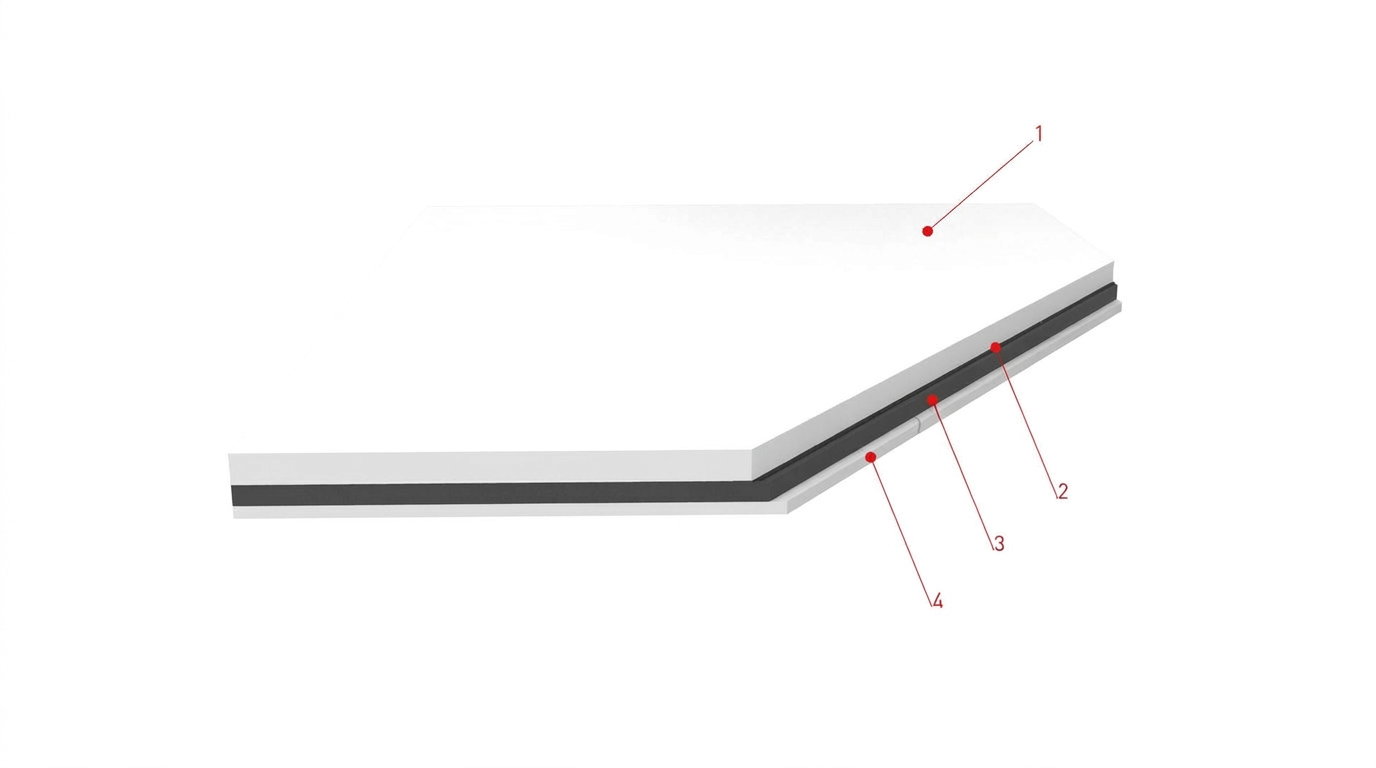
Vibration damping is therefore based on a few fundamental principles. The goal is to reduce direct contact between hard materials, insert damping layers where vibrations would otherwise be transmitted, increase mass where sound needs to be blocked, and seal joints where sound leakage can occur. In floors, this may involve building up a damping layer using, for example, SilentDirect Polaric, SilentDirect MLV, and SilentDirect Neo roll. Under machinery and equipment, localized damping with Dampio PRO may be more appropriate. In wall, ceiling, and floor constructions, SilentDirect Seal can be used to create a damping layer between studs and adjacent surfaces.

The key is not to treat all sound problems as the same. If the sound is caused by echoes and hard surfaces within the same room, sound absorption is needed. If the problem is that footfall, vibrations, or machine noise are transmitted through the structure, vibration damping, decoupling, sealing, and often additional mass are needed instead. This page explains practical approaches to footfall and structure-borne noise, common mistakes to avoid, and which product categories are suitable when the goal is a quieter and more controlled structure.

Vibration Damping, Structure-Borne Noise, and Impact Noise – Guides and Articles

What is the difference between sound insulation and sound absorption?

Here, we explain as simply as possible the difference between sound insulation and sound absorption so you can more easily identify your problem and then find a solution. Learn the difference.

Which materials provide the best vibration damping?

Here, we explain which materials work best for reducing vibrations, structure-borne noise, and resonance. You’ll learn how rubber, sound-absorbing mats, elastic layers, and heavy materials are used to dampen sound that travels through floors, walls, ceilings, and machinery.

Reduce structure-borne noise

Here, we explain how structure-borne sound is generated and why vibrations can travel through walls, floors, and ceilings. You’ll learn about the measures and materials that can reduce sound transmitted through a building’s structure, making it easier for you to find the right solution to your problem.

Building a Sound-Absorbing Podium

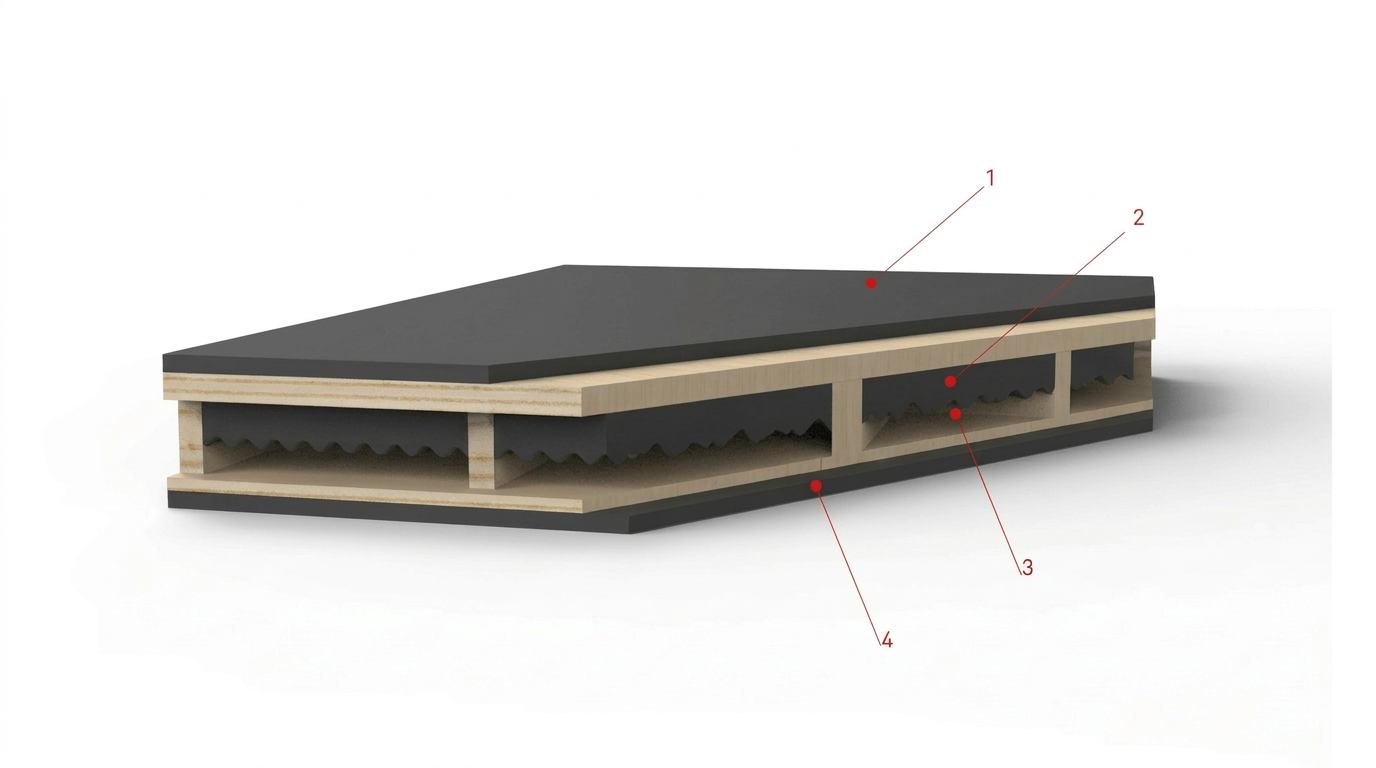
Here, we explain how a sound-absorbing platform can reduce vibrations, footfall noise, and structure-borne noise that travel through the floor. You’ll learn how to build a raised floor using the right materials and construction methods to dampen noise from machinery, instruments, exercise, or other disruptive noise sources.

Building a Sound-Absorbing Panel

Here, we explain how a sound- and vibration-damping panel can be used to reduce noise from machines, speakers, exercise equipment, or other noise sources. A properly constructed panel can dampen vibrations, reduce structure-borne noise, and provide better control over sound transmitted through the floor.

Recommended Products

*Free shipping

Free shipping to a pickup location

5-year warranty

5-Year Product Warranty

Fast delivery

Usually ships the same day

How to Reduce Vibrations, Impact Noise, and Structure-Borne Noise in Buildings

Vibration damping is about reducing sound and movement that travel through materials. Unlike airborne sound, which primarily travels through the air, impact sound and structure-borne sound can be transmitted through floors, walls, ceilings, joists, studs, machine feet, and other fixed structures. This is why the problem is often difficult to pinpoint. The sound may originate in one place but be clearly heard in another room, on another floor, or further away in the building.

What is impact sound?

Impact noise occurs when someone walks, runs, drops objects, or moves furniture on a floor. The energy from the impact travels down into the floor structure and can continue through joists, walls, and connections. To reduce impact sound, a thin, soft surface is rarely sufficient. The best results are typically achieved by combining mass, sealing, and a damping or decoupling layer in the floor’s construction.

What is structure-borne sound?

Structure-borne sound is sound that travels through the building’s structural framework itself. It can come from machinery, pumps, ventilation systems, exercise equipment, washing machines, compressors, speakers, or impacts and vibrations in floors and walls. Since structure-borne sound is transmitted through solid materials, the solution often needs to break or dampen the contact between the sound source and the structure. Therefore, decoupling, sealing, and vibration-damping materials are key components of an effective solution.

Commonly Used Products and Principles

For vibration damping, products such as Dampio PRO are used under machines and equipment; SilentDirect Polaric for damping and sound insulation on hard surfaces; SilentDirect MLV as a heavy barrier; and SilentDirect Neo roll for damping vibrations, resonance, and mechanical noise. In structures where joists, floors, ceilings, or walls would otherwise come into direct contact, SilentDirect Seal can be used as a vibration-damping and sealing layer at joints.

Important to Consider

An effective solution begins with distinguishing between airborne sound, impact sound, and structure-borne sound. If the problem is vibrations transmitted through the structure, you need to reduce mechanical transmission—not just improve the room’s acoustics. The right solution may involve damping the sound source, constructing a more damped floor, sealing joints, adding mass, or decoupling materials from one another. The goal is not to promise total silence, but to reduce sound transmission in a controlled and practical way.