





Practical Tips for a Better Acoustic Environment
Additional tips on sound insulation and sound absorption provide supplementary information for those who want to better understand sound problems before choosing materials, methods, or the next course of action. A better acoustic environment is rarely about just a single product. It’s also about knowing whether the problem involves sound traveling between rooms, vibrations transmitted through structures, or echo and reverberation within the same room.
Sound insulation and sound absorption solve different problems
Sound insulation is used when the goal is to reduce sound transmission. This can involve noise from neighbors, traffic, machinery, ventilation, doors, windows, floors, walls, or ceilings. In such cases, airtightness, mass, decoupling, and proper construction are key principles. Sound absorption, on the other hand, is used when the sound is already present inside the room and needs to be controlled. Sound absorbers reduce sound reflections, echoes, and reverberation, but they do not normally prevent sound from passing through a wall or door.
Small details can make a big difference
Many sound problems lie in the details. A gap around a door can let a lot of sound through, even if the door panel itself is heavy. Direct, hard contact between building components can transmit vibrations. A large, empty ceiling area can create a long reverberation even if the walls are furnished. That’s why practical tips on sealing, installation, material selection, measurement, and finishing are important complements to more comprehensive guides on sound insulation and sound absorption.
When these tips help you make the right choice
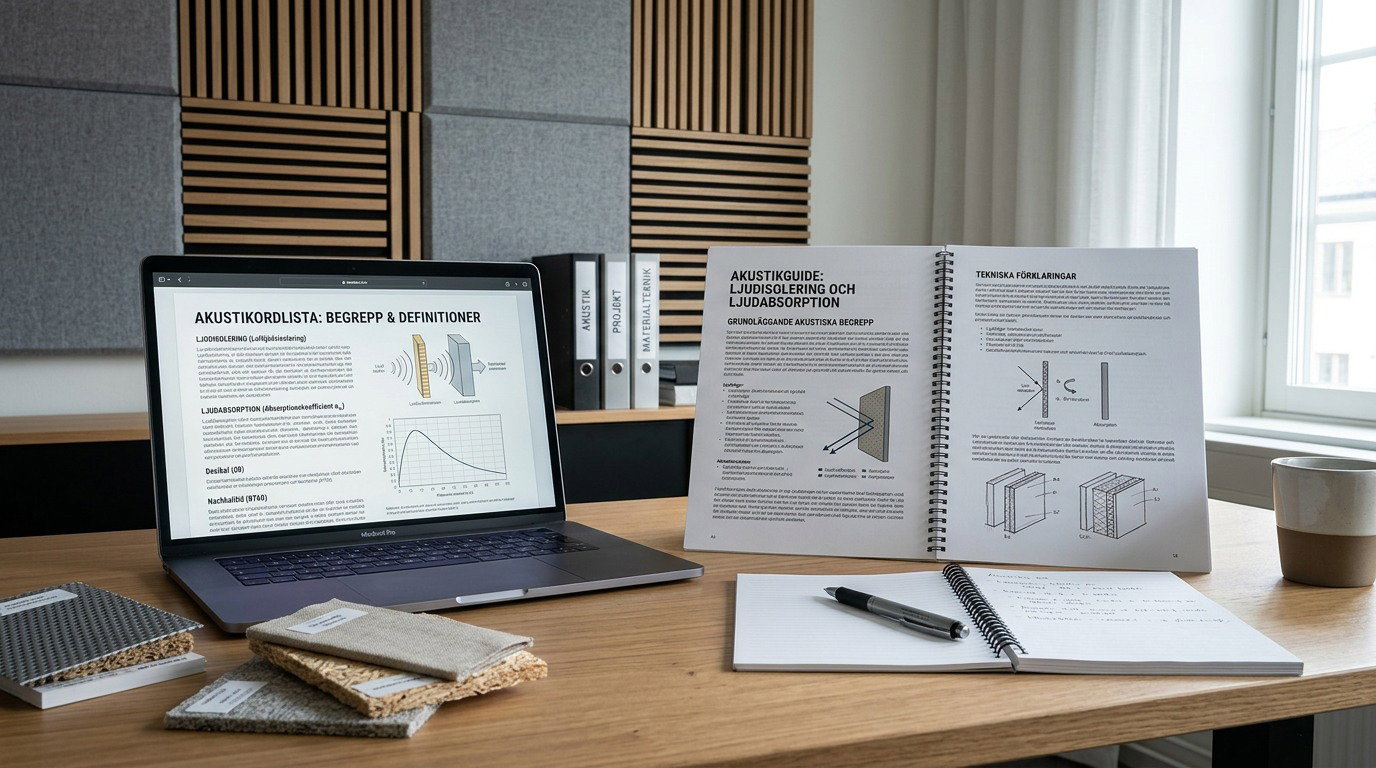
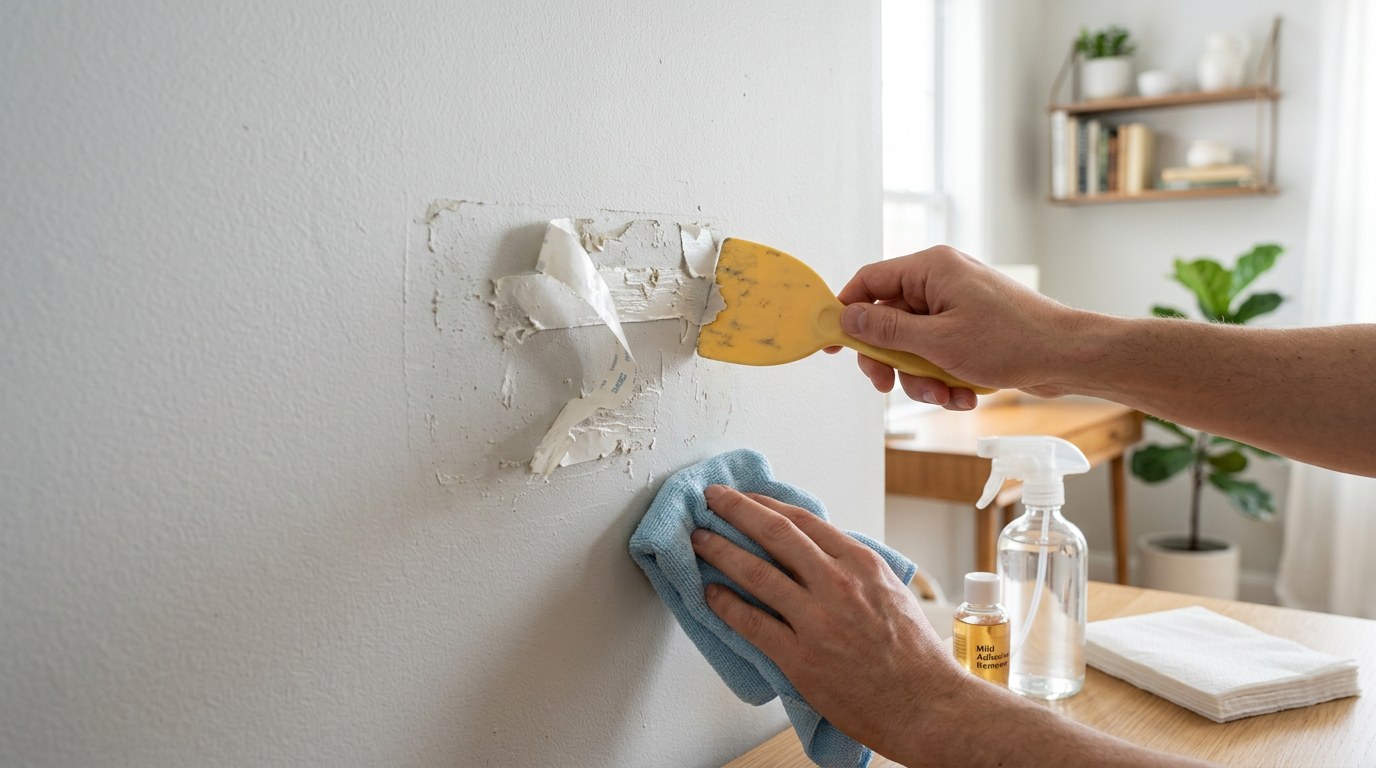
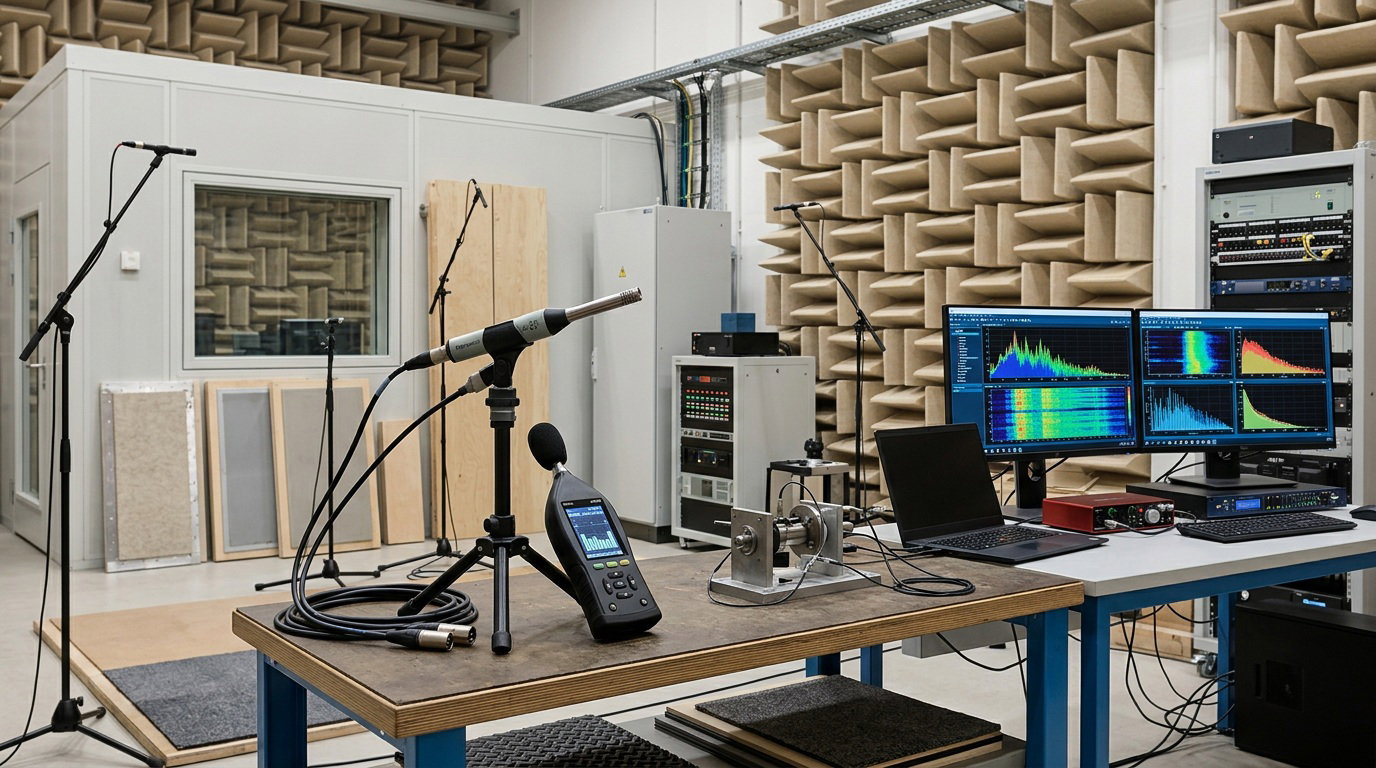
This type of content is ideal when you want to delve deeper into topics such as acoustic concepts, whether you can paint or cover a sound absorber with fabric, how to remove double-sided tape from a surface, whether it’s possible to wallpaper over sound absorption material, or what measurement methods are available for sound. The answers help both DIYers and professional installers avoid common misconceptions and choose a solution that addresses the room’s actual acoustic issues.
Always start with the problem
The most important advice is to start by identifying what’s actually causing the disturbance. If the sound is coming from outside or from another room, soundproofing measures are needed. If the room feels hard, noisy, or difficult to carry on a conversation in, sound absorption is needed. If the sound comes from machinery, structural elements, or vibrations, vibration damping and decoupling can be crucial. Once the problem is properly defined, it becomes easier to choose the right category, the right product, and the right method.